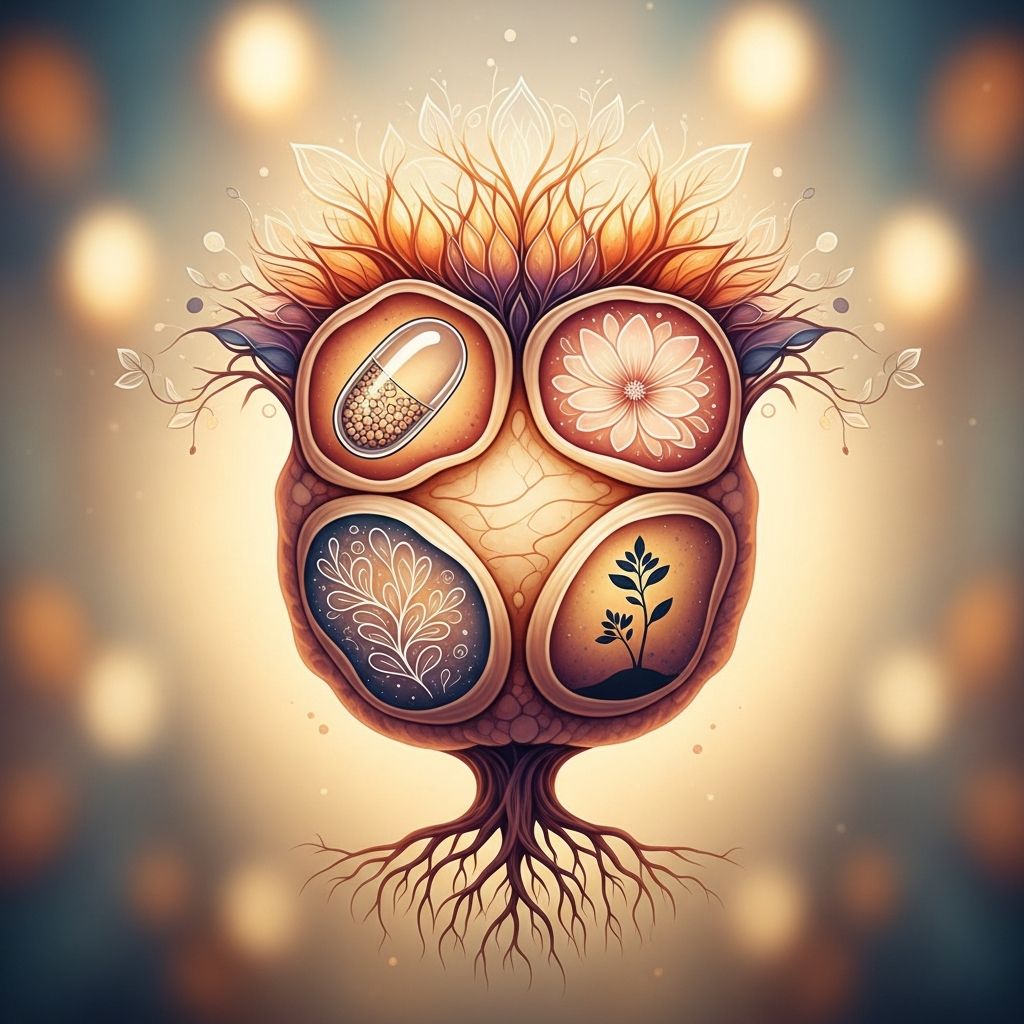
The placenta, a remarkable temporary organ, sustains fetal life by transferring oxygen, nutrients, and antibodies while removing waste, functioning as the fetus’s lungs, kidneys, and immune system until birth. After delivery, many parents choose options beyond hospital disposal, embracing cultural, health, or commemorative practices. This article delves into the placenta’s biology and explores practical, respectful uses, drawing from medical research and global traditions.
Understanding the Placenta’s Biological Marvel
Forming shortly after implantation around days 6-7 post-conception, the placenta grows with the fetus, fully assuming hormone production by 10-12 weeks, replacing the corpus luteum. It features separate maternal and fetal circulations, preventing blood mixing while enabling nutrient exchange via diffusion and active transport. At term, it processes about 20 ounces of maternal blood per minute, shielding the fetus from toxins and passing antibodies for early immunity lasting months postpartum.
Its endocrine role produces pregnancy-sustaining hormones, signaling lactation post-delivery by suppressing milk until expulsion. Nutritionally, maternal diet influences its efficiency; limited intake prompts compensatory growth, prioritizing brain development but risking other organ deficits. Complications like accreta or retention demand medical attention, underscoring its clinical importance.
Health-Focused Placenta Consumption Practices
Placental ingestion, observed in many mammals, gains modern interest for postpartum recovery. Proponents claim benefits like hormone balance, reduced bleeding, and depression prevention, though evidence remains anecdotal.
Placenta Encapsulation: A Popular Choice
Encapsulation involves steaming, dehydrating, and grinding the placenta into powder-filled capsules. Believed to boost oxytocin, enhance milk production, and ease mood swings, it’s processed by certified specialists under sterile conditions. Parents report sustained energy and emotional stability, aligning with the organ’s hormone content.
- Process Steps: Rinse, steam with herbs, dehydrate at low heat, pulverize, encapsulate.
- Dosage: Typically 1-3 capsules daily for 4-6 weeks postpartum.
- Precautions: Ensure hygienic handling to avoid infection risks.
Raw or Culinary Preparation
Some opt for raw consumption in smoothies or cooked dishes like patties or lasagna, citing immediate nutrient access. Cultural practices in certain societies view it as replenishing ‘life force.’ Consult healthcare providers, as bacterial risks exist without proper preparation.
Cultural and Spiritual Placenta Rituals
Across cultures, the placenta holds sacred status, symbolizing life’s tree with roots in maternal blood. Rituals foster connection and gratitude.
Burial Ceremonies for Grounding
Burying the placenta under a meaningful tree or garden spot roots family legacy to the earth. In Hawaiian and Maori traditions, it’s planted with a native tree, visited for milestones. This act promotes emotional closure and environmental harmony.
| Ritual | Cultural Origin | Symbolism |
|---|---|---|
| Tree Planting | Hawaii, Bali | Family growth, ancestral ties |
| Burial with Offerings | Navajo | Protection, harmony with nature |
| Ocean Return | Coastal tribes | Cycle of life, water connection |
Lotus Birth: Natural Detachment
In lotus birth, the cord remains attached until it naturally detaches (3-10 days), allowing full energy transfer. Popular in holistic circles, it emphasizes non-intervention, though medical experts note infection risks without evidence of superior benefits.
Artistic and Memorial Transformations
Creative expressions immortalize the placenta’s beauty.
Placenta Prints and Casting
Using non-toxic paints, press the placenta onto paper or canvas for unique tree-like prints, veins forming branches. Plaster casting captures its 3D form for display. These become cherished art pieces, symbolizing birth’s miracle.
- Materials: Acrylic paints, rice paper, plaster bandages.
- Tips: Work quickly post-delivery; rinse gently first.
Jewelry and Keepsakes
Dry and encapsulate a small piece in resin pendants or frames. Tinctures extract essence into alcohol for sublingual use, purportedly aiding transitions.
Scientific and Philanthropic Contributions
Advance medicine through donation.
Cord Blood and Tissue Banking
Preserve stem cells from cord blood, tissue, and amniotic/chorionic membranes for potential treatments like diabetes or heart disease. Public donation aids research; private banking secures family access.
Research and Organ Donation
Donate to studies on fetal development or wound healing, given its regenerative properties. Hospitals facilitate this, contributing to breakthroughs in cancer evasion tactics inspired by its immune modulation.
Practical Planning for Placenta Options
Inform your birth team in your plan: discuss hospital policies, as some require pathology review first. Hire doulas or specialists for processing. Legally, it’s yours post-exam.
- Checklist:
- Research local encapsulators or artists.
- Prepare a cooler with ice packs for transport.
- Have backup for medical needs.
Frequently Asked Questions (FAQs)
What is the safest way to handle my placenta after birth?
Keep it cool immediately and consult your provider; options like encapsulation require sterile processing to minimize risks.
Does eating placenta really help with postpartum depression?
Claims exist for hormone replenishment, but Mayo Clinic notes insufficient evidence; benefits are largely reported anecdotally.
Can I take my placenta home from the hospital?
Yes, after examination; notify staff in advance and comply with transport guidelines.
Is lotus birth recommended by doctors?
Not routinely, due to infection potential; it’s a personal choice with holistic appeal.
How do I donate my placenta for research?
Contact hospitals or banks like Cells4Life; ensure viability post-delivery.
Potential Risks and Medical Considerations
While empowering, improper handling risks infection or Group B strep transmission. Abnormal placentas need analysis. Always prioritize health; discuss with obstetricians.
References
- About the placenta — Pregnancy, Birth and Baby. Accessed 2026. https://www.pregnancybirthbaby.org.au/about-the-placenta
- Placenta: Purpose, Anatomy, Function & Complications — Cleveland Clinic. Accessed 2026. https://my.clevelandclinic.org/health/body/22337-placenta
- 10 Amazing Facts About the Placenta — Parent’s Guide to Cord Blood. 2023. https://parentsguidecordblood.org/en/news/10-amazing-facts-about-placenta
- Birthweight and the Placenta — OHSU School of Medicine. Accessed 2026. https://www.ohsu.edu/school-of-medicine/moore-institute/birthweight-and-placenta
- Five Things We Know About the Placenta — Cedars-Sinai. 2021-02-12. https://www.cedars-sinai.org/stories-and-insights/innovation-and-research/placenta
- Embryology, Placenta — NCBI Bookshelf, StatPearls. Accessed 2026. https://www.ncbi.nlm.nih.gov/books/NBK551634/
- What can you do with your placenta after your baby is born? — Cells4Life. 2023-01. https://cells4life.com/us/2023/01/what-to-do-with-your-placenta/