Parenting brings an avalanche of tiny garments that capture fleeting moments of growth. As babies swiftly outgrow their wardrobes, parents often face a cluttered closet and a tug-of-war between sentimentality and space. This guide explores why it’s challenging, how to approach the task mindfully, and actionable strategies to handle outgrown items effectively.
The Emotional Weight of Tiny Outfits
Every onesie tells a story—from the first hospital gown to the stained favorite worn during milestone moments. Holding onto these items feels like preserving innocence and time. Yet, accumulating clothes can overwhelm living spaces, especially with subsequent children or limited storage. Recognizing this emotional attachment is the first step; it validates feelings while encouraging forward movement.
Many parents report tears when sorting, as clothes evoke nostalgia. Creating boundaries, like limiting keepsakes to a small box, helps balance emotion with practicality. This process not only frees physical space but also mental energy for current family joys.
Assessing Your Baby Clothes Collection
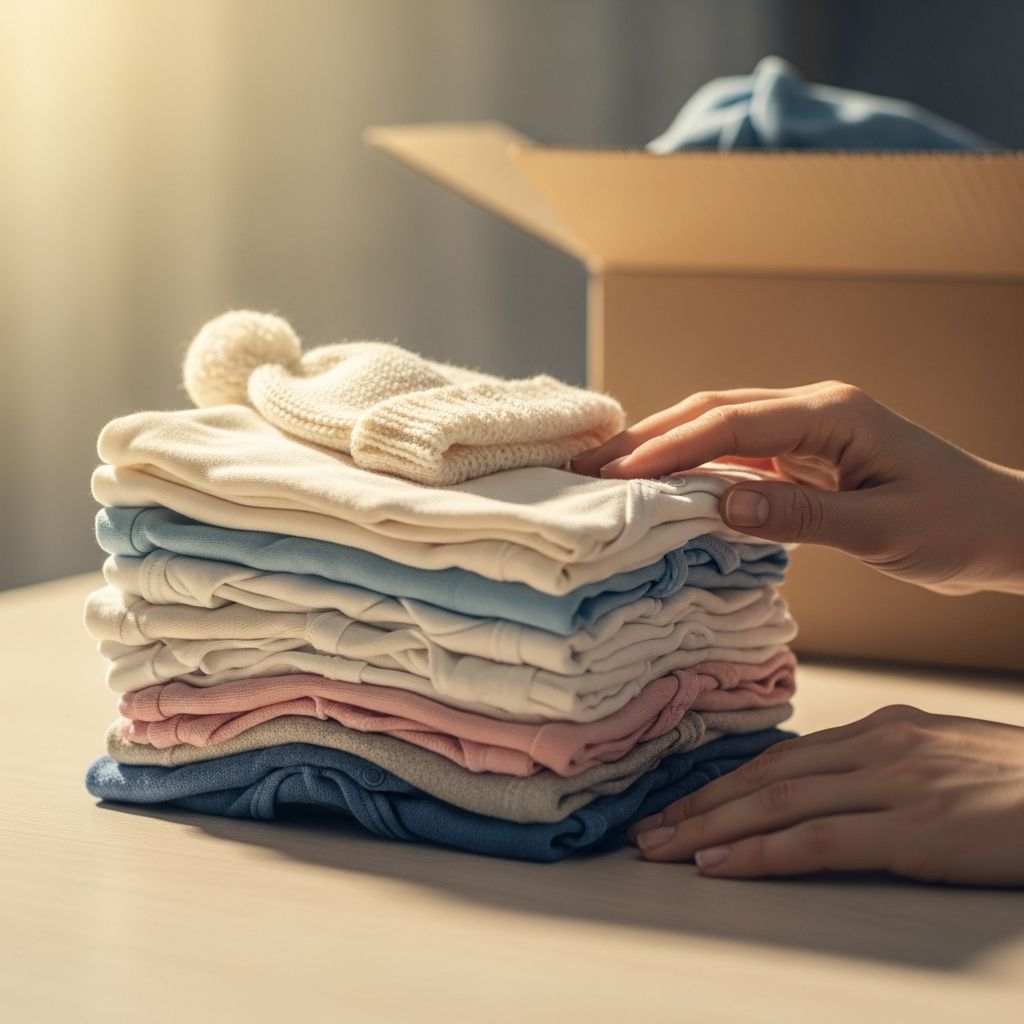
Begin by gathering all items in one area. This visual inventory reveals duplicates, unworn pieces, and true favorites. Ask key questions: Does it fit emotionally or practically? Is it stained beyond repair? Will a sibling use it? Sorting systematically reduces decision fatigue.
- Inspect condition: Check for stains, tears, or wear. Salvageable items go to donation or resale; damaged ones to repurposing or recycling.
- Consider future use: Size-organized storage for hand-me-downs saves time later.
- Evaluate sentiment: Select 5-10 meaningful pieces for memories.
Smart Sorting Strategies
Divide items into categories to streamline decisions. Use labeled bins for immediate clarity.
| Category | Criteria | Next Steps |
|---|---|---|
| Keep for Siblings | Clean, gently used, versatile sizes | Store by size in airtight bins |
| Memory Keepsakes | Special occasion or first outfits | Box or repurpose into quilt |
| Donate/Sell | Good condition, no stains | Local drives or online platforms |
| Repurpose | Stained but fabric intact | Cut into rags or crafts |
| Recycle/Trash | Irreparably damaged | Textile programs or bins |
This table provides a quick reference, ensuring nothing is overlooked. Sorting by size first, if planning hand-me-downs, prevents future rummaging.
Preserving Memories Without Clutter
Instead of hoarding, transform sentimental items into lasting treasures. A memory box limits volume while holding essence—fold outfits neatly with photos or notes.
- Quilts from favorite fabrics: Sew patchwork blankets for bed or play.
- Stuffed toys or pillows: Stuff cushions with soft pieces for ongoing cuddles.
- Shadow boxes: Display tiny shoes or hats on walls as art.
- Doll clothing: Resize for toys, involving older kids in creative play.
These methods keep joy alive without dominating storage. Label containers with dates and sizes for easy access.
Storage Tips for Future Use
For clothes passed to younger siblings, proper storage prevents damage. Wash gently with fragrance-free detergent, air-dry fully, and pack in breathable bins.
- Use vacuum-seal bags for space-saving.
- Acid-free tissue prevents yellowing from residual stains.
- Store in cool, dry places away from sunlight.
Organize by age: Newborn (0-3M), Infant (3-6M), etc., using clear labels. This setup makes transitions seamless for growing families.
Generous Giving: Donation Options
Donating extends your baby’s items’ life cycle, supporting families in need. Ensure clothes are washed, stain-free, and folded neatly.
- National chains: Goodwill, Salvation Army accept gently used items year-round.
- Local shelters: Women’s centers, crisis nurseries prioritize baby essentials.
- Community drives: Churches, schools often host collections.
Search locally via municipal sites for drop-offs. Donating fosters community and clears space quickly.
Earning Back with Resale
Nearly new clothes from rapid growth phases sell well. Price 50-75% below retail for quick turnover.
- Consignment shops: Professional sorting and sales.
- Online: Facebook Marketplace, apps like Mercari for bundles.
- Garage sales: Bundle by size for easy shopping.
Photograph clean items on hangers, noting brands and sizes. This recoups costs while decluttering.
Creative Repurposing Projects
Stained or stretched clothes find new purpose at home, reducing waste.
- Cleaning rags: Cut cotton onesies into squares for spills and dusting.
- Doll outfits: Transform socks into skirts, no-sew with glue.
- Pet bandanas: Tie around furry friends.
- Produce bags: Sew mesh-like fabrics for market hauls.
These DIYs engage kids, teaching sustainability through hands-on fun.
Sustainable Recycling Pathways
When reuse isn’t viable, recycling prevents landfills. Textiles comprise 5% of waste; proper programs upcycle fibers.
- Brand programs: H&M, Nike accept any textiles in-store, often with discounts.
- Mail-in services: Prepaid bags from companies like ThredUp for $30+.
- City bins: Free drop-offs via municipal textile programs—check zip code rules.
Verify acceptance: Most take unwearable items, prioritizing cotton blends.
Overcoming Decluttering Roadblocks
Procrastination stems from overwhelm. Set a timer for 30 minutes daily, play music, and enlist a friend for support. Celebrate progress with a cleared drawer photo.
Involve older children: They sort toys alongside, learning responsibility. Frame as a game: “Treasure hunt for keepers!”
Frequently Asked Questions (FAQs)
What if I’m not ready to let go?
Start small: Sort one drawer. Use a “maybe” pile revisited after a week. Time often clarifies choices.
How do I prevent yellow stains in storage?
Wash out all spots, dry completely, use acid-free packing in airtight bins.
Can I sell stained clothes?
No, focus on pristine items for resale. Stains suit rags or recycling.
What’s the most eco-friendly option?
Donate wearable pieces first, then recycle non-donatable via programs.
How much space should I allocate for memories?
One small box per child suffices—prioritize outfits with stories.
Building a Sustainable Wardrobe Mindset
Moving forward, buy secondhand or bundles to minimize future clutter. Rotate seasonally, washing only as needed. This proactive approach eases the emotional load of outgrowing.
Decluttering baby clothes is a rite of passage, blending grief with growth. By sorting thoughtfully, parents reclaim space and create legacies through giving and crafting. Embrace the process—your home and heart will thank you.
References
- How to Let Go of Children’s Baby Clothes – Seven Useful Tips — SimpleEcoMama. 2023. https://simpleecomama.com/how-to-let-go-of-childrens-baby-clothes-seven-useful-tips/
- What to Do with Old Baby Clothes: 10 Ideas Worth Keeping — LuluBabe. 2024. https://lulubabe.com/blogs/baby/upcycle-baby-clothes-ideas
- 5 Smart Ways to Deal With the Clothes Your Baby Has Outgrown — BabyList. 2025-02-15. https://www.babylist.com/hello-baby/outgrown-baby-clothes
- How to Store Outgrown Baby Clothes (So They Can Be Passed On) — Nest Designs. 2023. https://www.nestdesigns.com/blogs/parenting/how-to-store-outgrown-baby-clothes-so-they-can-be-passed-on
- How to Deal With Outgrown Clothes, Toys, and Baby Gear — Happiest Baby. 2024. https://www.happiestbaby.com/blogs/parents/outgrown-baby-clothes-toys
- How to let go of baby clothes — Absolutely Mama. 2023. https://absolutely-mama.co.uk/how-to-let-go-of-baby-clothes/