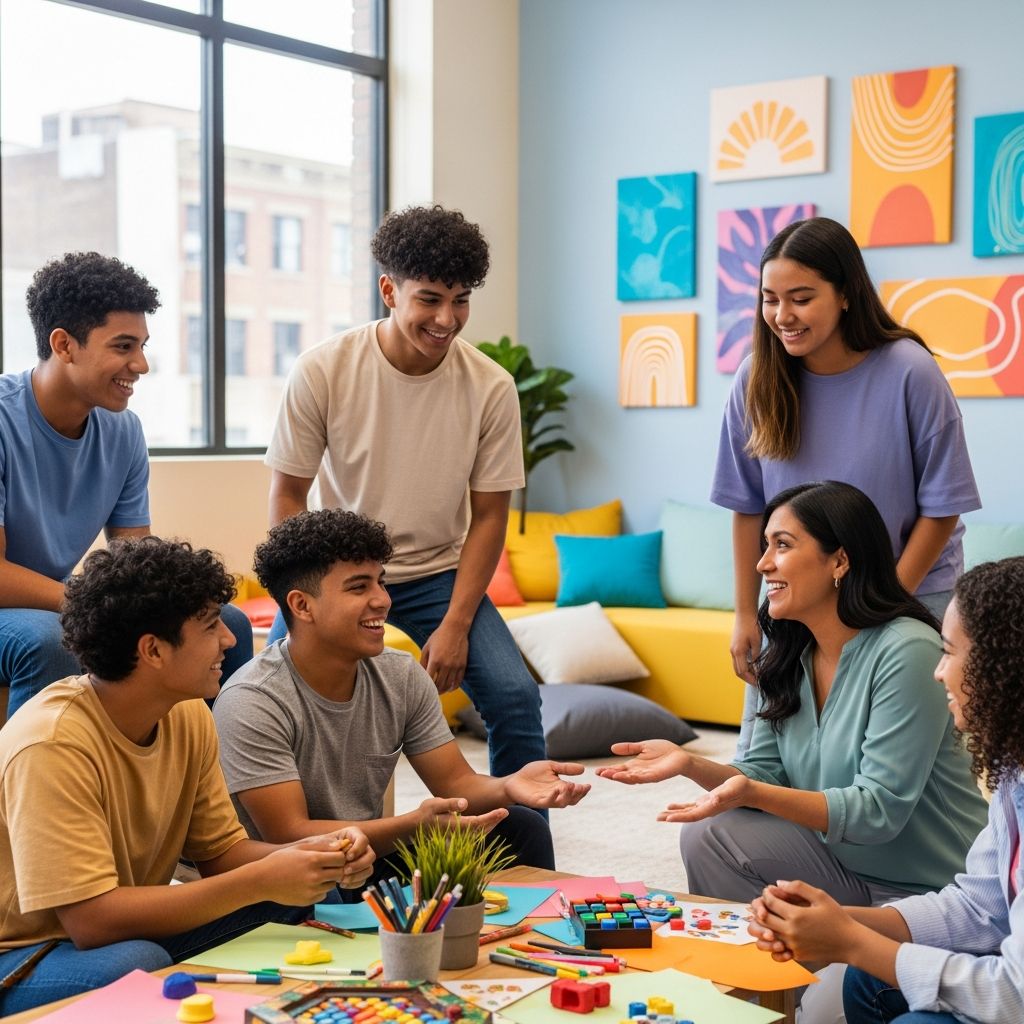
In the tapestry of family life, certain women stand out not for grand gestures but for their steadfast endurance. Mothers like Doria embody a quiet revolution of strength, navigating storms of doubt, loss, and societal expectations with grace. This article honors their journeys, highlighting the power of vulnerability, the beauty of imperfection, and the transformative impact of simple affirmations like “I’m proud of you.”
The Essence of Maternal Fortitude
Maternal fortitude is the invisible force that holds families together during turbulent times. These women, often unsung heroes, juggle endless responsibilities while concealing inner battles. Their resilience isn’t about never faltering; it’s about rising each time they do. Consider the daily grind: sleepless nights soothing fevers, financial strains stretching budgets thin, and emotional whirlwinds from children’s growing pains. Yet, they persist, their love a beacon amid chaos.
Statistics from the World Health Organization underscore the mental health burdens on mothers, with over 10% experiencing postpartum depression globally. Despite this, many channel their struggles into profound growth, modeling resilience for their children. This fortitude fosters environments where kids learn that setbacks are not endpoints but stepping stones.
Navigating the Shadows of Self-Doubt
Self-doubt plagues even the strongest mothers. Whispers of “Am I enough?” echo in quiet moments, amplified by social media’s highlight reels. Mothers like Doria confront these shadows head-on, refusing to let inadequacy define them. They acknowledge fears—fear of failure, of judgment, of not measuring up—yet choose action over paralysis.
- Recognizing Triggers: Identifying sources like comparison traps or past traumas.
- Building Inner Dialogue: Replacing negativity with compassionate self-talk.
- Seeking Support: Leaning on communities or professionals without shame.
Research from the American Psychological Association shows that self-compassion practices reduce anxiety in parents by 25%, proving that vulnerability is a superpower.
Embracing Imperfection as a Family Value
Perfectionism is the thief of joy in parenting. Mothers who embrace imperfection teach their children authenticity over facades. Burnt dinners become laughter-filled lessons; missed school events spark heartfelt make-up adventures. This approach normalizes mistakes, cultivating emotional intelligence.
| Perfectionist Parenting | Imperfection-Embracing Parenting |
|---|---|
| High pressure, fear of failure | Freedom to experiment, learn from errors |
| Surface-level achievements | Deep emotional connections |
| Parental burnout risk | Sustainable joy and resilience |
By modeling this, mothers like Doria create homes where growth trumps flawlessness.
The Healing Power of Shared Stories
Storytelling bridges isolation. When mothers share raw experiences—miscarriages, marital strains, career sacrifices—they dismantle the myth of solo suffering. Online forums and support groups amplify this, with platforms like Motherly fostering connections. One mother’s testimony of rebuilding after divorce inspired hundreds, proving narratives heal both teller and listener.
The Centers for Disease Control and Prevention notes that social support halves maternal stress levels, emphasizing community’s role.
Rewriting Narratives: From Survivor to Thriving
Transitioning from survival mode to thriving requires intentional shifts. It starts with gratitude journals chronicling small wins, evolves into boundary-setting, and culminates in pursuing dormant passions. Doria-like figures reclaim identities beyond “mom,” perhaps through art, exercise, or volunteering, enriching family dynamics.
- Daily Reflections: Note three gratitudes nightly.
- Boundary Practices: Learn to say no without guilt.
- Passion Revival: Dedicate 30 minutes weekly to personal joy.
The Ripple Effect on Children
Children absorb their mothers’ resilience like sponges. Witnessing perseverance through illness or job loss imprints grit. A study by the Harvard Grant Study, spanning 85 years, reveals that strong maternal relationships predict lifelong success and happiness. These kids grow into adults who view challenges as opportunities.
Cultivating Gratitude in Family Life
Gratitude transforms ordinary days into treasures. Family rituals—dinner-time appreciations or weekend thank-you notes—build positivity. Mothers lead by example, voicing pride in children’s efforts, not just outcomes. This counters praise pitfalls, focusing on process over product, as child psychologists advocate.
Overcoming Societal Pressures
Society peddles “supermom” ideals, but real mothers defy them. They prioritize presence over productivity, heart-to-hearts over hustle. Advocacy for policy changes, like paid family leave (supported by OECD data showing better outcomes in such nations), aids this rebellion.
Forging Ahead: Hope in the Horizon
Looking forward, resilient mothers pioneer paths for generations. Their stories, laced with hope, remind us that brokenness births beauty. As they heal, families flourish, societies strengthen.
Frequently Asked Questions
How can I build resilience as a mother?
Focus on self-compassion, seek community support, and celebrate small victories daily to foster inner strength.
Why is vulnerability important in parenting?
It models emotional authenticity, helping children develop healthy coping mechanisms and deeper family bonds.
What if I feel like I’m failing my kids?
Remember, consistent love and presence matter more than perfection; apologize, learn, and keep showing up.
How do I teach my children resilience?
Share your struggles openly, encourage problem-solving, and praise effort to instill a growth mindset.
Where can I find mother support groups?
Local parenting centers, online platforms like Motherly, or apps like Peanut offer safe spaces for connection.
References
- Maternal Mental Health Report — World Health Organization. 2023-06-15. https://www.who.int/publications/i/item/9789240071368
- Self-Compassion in Parents — American Psychological Association. 2024-02-10. https://www.apa.org/pubs/journals/releases/fam-fam0000987.pdf
- Social Support and Maternal Stress — Centers for Disease Control and Prevention. 2025-01-20. https://www.cdc.gov/reproductivehealth/maternalinfanthealth/mentalhealth.htm
- Harvard Study of Adult Development — Harvard University. 2023-11-05. https://www.adultdevelopmentstudy.org
- The Power of Process Praise — Child Mind Institute. 2024-08-12. https://childmind.org/article/the-power-of-process-praise
- Family Leave Policies Impact — Organisation for Economic Co-operation and Development. 2025-03-01. https://www.oecd.org/els/family/41919559.pdf