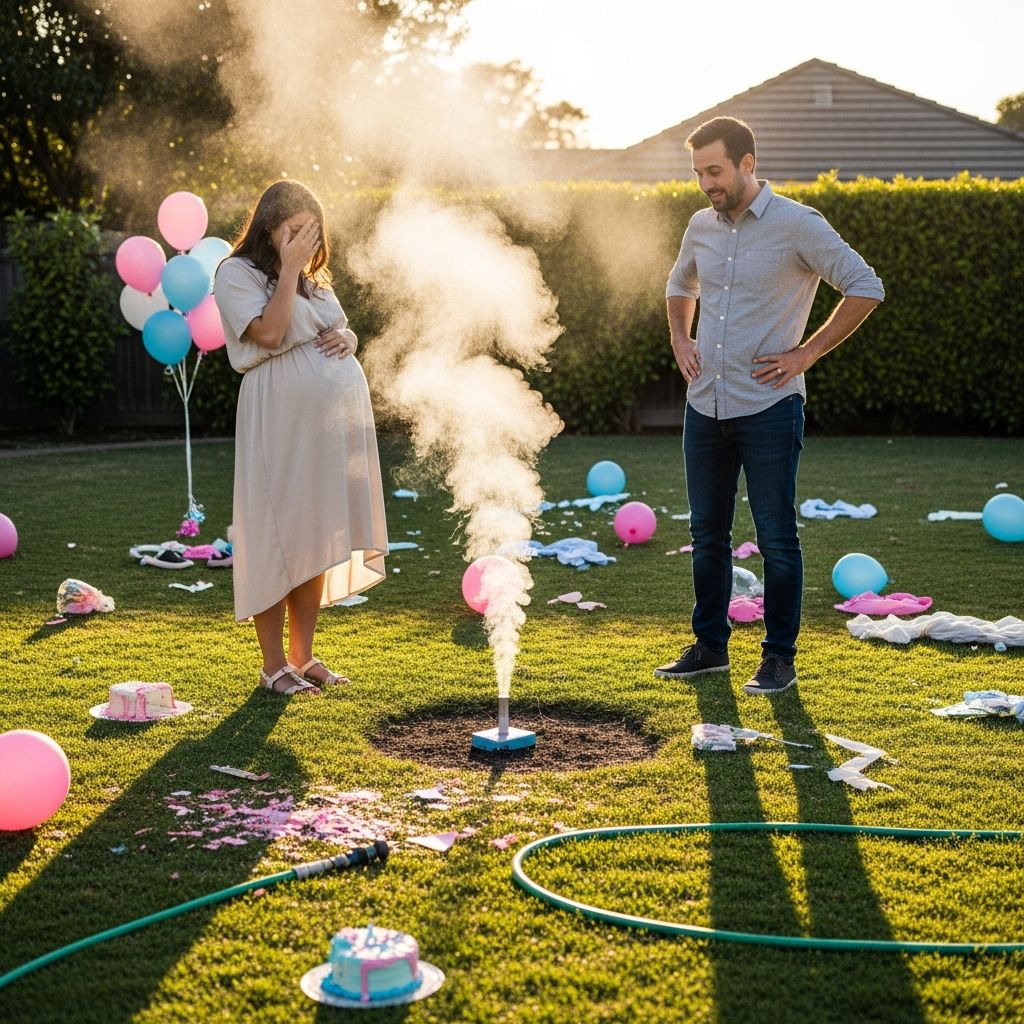
Pregnancy announcements are often imagined as perfect, cinematic moments: carefully planned reveals, delighted reactions, maybe a few happy tears. But reality is messier. Sometimes the surprise slips early, someone feels hurt or left out, or the reveal lands badly because of timing or circumstances. That does not mean you ruined your pregnancy or that the joy is gone—it just means you need a thoughtful reset.
This guide walks you through what to do when a pregnancy surprise reveal goes wrong: how to repair hurt feelings, how to protect your own emotional well-being, and how to move forward with more compassionate and realistic expectations.
Why Pregnancy Announcements Feel So High-Stakes
Understanding why this moment feels so charged—for you and for others—can make it easier to navigate when things do not go as planned.
- It marks a major life transition. Pregnancy announcements formally signal a change in identity, roles, and family dynamics, which many people experience as emotionally intense.
- There is cultural pressure for a “perfect moment.” Social media highlights creative reveals and dramatic reactions, which can create unrealistic expectations about how announcements “should” look.
- Other people bring their own history. Loved ones may respond through the lens of infertility, pregnancy loss, complicated family patterns, or their own expectations about when news should be shared.
- Announcements can surface grief as well as joy. For those coping with infertility or prior loss, pregnancy news—even from someone they love—can trigger sadness or envy alongside genuine happiness.
All of this means that when a surprise is spoiled or a reaction is not what you hoped, it can feel disproportionately painful. That reaction is normal.
Typical Ways Pregnancy Surprises Get Spoiled
If your reveal has gone off the rails, you are far from alone. Common scenarios include:
- Someone else blurts out the news. A relative or friend shares your pregnancy before you are ready, either in person or on social media.
- A logistical mix-up. You hoped to tell one person first, but they overheard a conversation, saw a text, or noticed your prenatal vitamins.
- Surprise plus sensitive audience. A dramatic reveal is sprung on loved ones who are facing infertility, loss, or other stressors, and the surprise amplifies their pain instead of joy.
- Social media outruns personal conversations. News goes online before close family or friends hear directly from you, leaving them feeling sidelined.
- Timing clashes with other events. Announcements given during someone else’s milestone celebration (wedding, birthday, graduation) may feel like they overshadow the original event.
Recognizing your situation in one of these patterns can help you choose a response that addresses the specific hurt involved.
First Step: Pause Before You React
When your surprise is spoiled, your immediate emotions—anger, disappointment, shame, or frustration—can be strong. Before confronting anyone or rewriting your entire announcement plan, create some space.
- Take time to regulate. Simple strategies like slow breathing, a short walk, or a few minutes in a quiet room can help calm an acute stress reaction. Research shows that even brief mindfulness or breathing exercises can reduce emotional reactivity and support clearer decision-making.
- Label your feelings. Try identifying what you feel as specifically as possible: “I feel disappointed and excluded,” or “I feel angry that my boundary was not respected.” Naming emotions is associated with improved emotional regulation.
- Delay big decisions. Avoid immediately rewriting your relationships in your head (“I can never trust them again”) while feelings are raw. Focus first on understanding what happened.
Clarifying What Actually Went Wrong
After you have calmed a bit, try to describe the problem as concretely as possible. This makes it easier to decide what comes next.
| What Happened | Core Issue | Likely Next Step |
|---|---|---|
| Someone else announced for you | Breach of trust or boundary | Private conversation and boundary reset |
| Social media spoiled the surprise | Order/timing hurt someone’s feelings | Apology plus more personal follow-up |
| Surprise hurt a vulnerable person | Lack of sensitivity to their situation | Empathy, acknowledgment, and ongoing care |
| Reaction was flat or awkward | Mismatched expectations, their own stress | Clarifying conversation if needed |
How to Talk to Someone Who Spoiled Your News
If another person shared your pregnancy before you were ready, it is reasonable to feel upset. At the same time, preserving important relationships may matter more than re-punishing a mistake. Aim for a conversation that is honest but not explosive.
Steps for a Productive Conversation
- Choose the right setting. Talk privately, not in a group or public forum. If emotions are still high, consider a phone call instead of a text to reduce misinterpretation.
- Lead with your perspective, not accusations. Use “I” statements: “I felt really disappointed when the news was shared before I could tell people myself” rather than “You ruined everything.”
- Explain the impact. Clarify why the timing mattered—because you wanted parents to hear first, because of previous pregnancy loss, or because you needed to speak to your employer privately before news spread.
- Ask for what you need going forward. This might mean asking them not to post about the pregnancy without your consent or to check with you before sharing future baby-related updates.
- Decide how much you can forgive. If the spoiler genuinely apologizes and seems to understand the impact, you may choose to move on with clearer boundaries. If they dismiss your feelings, you may adjust how much information you share with them in the future.
Supporting Loved Ones for Whom Your News Is Painful
Sometimes the issue is not that the surprise was spoiled, but that the way or timing of the surprise added to someone else’s pain. This is particularly common when announcing to friends or relatives who are dealing with infertility, pregnancy loss, or other major life stressors.
Principles of Compassionate Announcing
- Avoid ambushes. Many fertility and loss experts recommend not using dramatic surprise announcements with those who are struggling, and instead offering the news gently and privately.
- Give space for mixed emotions. Your loved one may be happy for you and deeply sad for themselves at the same time. Both can be true.
- Use low-pressure formats. A private message or call that they can respond to in their own time may be kinder than a public or in-person reveal that demands immediate enthusiasm.
How to Repair If You Accidentally Hurt Someone
- Acknowledge, do not defend. You might say, “In hindsight, I realize the surprise was probably hard for you. I am sorry I did not think more carefully about how that would feel.”
- Center their experience. Avoid phrases like “I did not mean to hurt you” as the main focus; intentions matter, but impact matters more in healing conversations.
- Offer options, not demands. Let them know they can step back from baby-related events or conversations if they need to, without guilt or pressure.
Reframing the Idea of a “Perfect” Announcement
Once a surprise has been spoiled, it can be tempting to grieve not just the ruined moment, but the entire story you had imagined for your pregnancy. It helps to remember that:
- One moment does not define the whole journey. Your pregnancy will be full of many firsts and special experiences—hearing the heartbeat, feeling kicks, choosing a name—that are still untouched.
- Relationships matter more than the reveal. A slightly messy announcement paired with honest repair and care may strengthen relationships more than a flawless performance.
- You are still allowed to celebrate. Even if the surprise element is gone, you are entitled to joy, photos, keepsakes, and excitement.
Creative Ways to “Reset” After the Surprise Is Gone
You may not be able to recreate the original surprise, but you can still design meaningful experiences that mark this new chapter.
Ideas for Reclaiming the Moment
- Shift from surprise to shared celebration. Invite key people to a meal or video call framed as “celebrating the baby” rather than announcing the news for the first time.
- Create a new ritual. Start a pregnancy journal, plant a tree, create a small photo album of early milestones, or write letters to your future child. These can become more emotionally important than a single announcement day.
- Use symbolic gestures. Give grandparents-to-be a small gift (like a book for future story time) with a note about what you hope their relationship with the baby will be. Focus on the future, not the missed surprise.
- Plan a later milestone reveal. If the initial pregnancy announcement was chaotic, you can still plan a more controlled reveal later—such as a thoughtful way of sharing the baby’s name, sex, or arrival date.
Protecting Your Own Emotional Well-Being
Navigating pregnancy can be emotionally complex even without announcement mishaps. Protecting your mental health is important for both you and your baby. While pregnancy itself does not require being stress-free, ongoing high stress and poor mental health can affect quality of life and, in some cases, pregnancy outcomes.
- Set information boundaries. Decide who knows what and when. You are not obligated to share every detail of your pregnancy with everyone, especially if some people have not respected your preferences.
- Limit social media if it increases stress. Some parents choose to avoid public announcements altogether, sharing only with close circles, and there is nothing wrong with that choice.
- Seek support when needed. If you find yourself consumed by anger, shame, or anxiety about the spoiled announcement—or about your pregnancy in general—consider talking to a mental health professional with expertise in perinatal care, or a trusted health provider.
- Normalize imperfect stories. Most families, if honest, can name at least one pregnancy or birth story that went sideways at some point. Imperfection is part of the narrative, not a sign of failure.
Practical Etiquette Tips for Future Pregnancy News
Whether this is your first pregnancy or a later one, you can still apply what you have learned to future announcements, for yourself and others. Research and expert guidance on pregnancy announcement etiquette consistently highlight a few themes.
- Tell your partner first. Most experts emphasize that your partner should be the first to know and should be part of decisions about when and how to share more broadly.
- Inform close family personally. When possible, tell immediate family and closest friends in person or by phone before sharing on social media. Many people deeply value being among the first to know.
- Consider health and work timing. Because miscarriage is more common in the first trimester, some parents choose to delay wider announcements until around 12 weeks, though this is a personal decision. Talk with your health provider and consider how early announcements might affect work and support if complications occur.
- Be sensitive to people who may be struggling. For friends facing infertility or loss, a private, gentle heads-up is usually kinder than a big public reveal.
- Make your boundaries explicit. When you do share, it is reasonable to say, “We are not posting this on social media yet, so please keep the news offline for now.” People often follow clear requests better than implied expectations.
Frequently Asked Questions (FAQs)
Q: Did I ruin my pregnancy by messing up the announcement?
No. A disappointing reveal can feel huge in the moment, but it does not define your pregnancy, your relationship with your child, or your worth as a parent. You can still create many meaningful, joyful memories.
Q: Should I confront the person who spoiled my news?
If the relationship is important to you, a calm, honest conversation is usually helpful. Focus on how you felt and what you would like in the future, rather than on punishing them. If they are unlikely to respect your feelings, you can limit how much information you share going forward.
Q: How do I handle loved ones who are hurt they did not hear first?
Acknowledge their feelings and, if it was an oversight or logistical issue, offer a simple apology. Share that it was not a reflection of how much they matter to you, and look for other ways to include them meaningfully in the pregnancy.
Q: Is it okay to avoid big surprise announcements altogether?
Yes. There is no rule that pregnancy news must be surprising or elaborate. Many parents choose low-key, straightforward conversations or messages and find them more authentic and less stressful.
Q: When is the “right” time to announce a pregnancy?
There is no universal right time. Some parents announce very early, others wait until they feel medically or emotionally ready. Consider your health, your support needs, your workplace, and your comfort with sharing in the event of a complication, and discuss timing with your partner and health provider.
References
- A Pregnancy Announcements Guide: Where Joy and Pain Collide — Saltwater and Honey. 2015-11-17. http://saltwaterandhoney.org/blog/a-pregnancy-announcements-guide-where-joy-and-pain-collide
- Breathing exercises for stress — National Health Service (NHS). 2023-01-12. https://www.nhs.uk/mental-health/self-help/tips-and-support/breathing-exercises-for-stress/
- Putting feelings into words: affect labeling disrupts amygdala activity in response to affective stimuli — Lieberman et al., Psychological Science. 2007-05-01. https://doi.org/10.1111/j.1467-9280.2007.01916.x
- Pregnancy Announcement Do’s and Don’ts — Pregnancy & Newborn Magazine. 2017-03-01. https://www.pnmag.com/pregnancy/pregnancy-announcement-dos-and-donts/
- From Bump to Birth: Creative Pregnancy Announcement Ideas — Little Branch Photography. 2022-09-15. https://www.littlebranchphotography.com/blog/pregnancy-announcement-ideas
- Pregnancy Announcements – the Do’s and Don’ts! — Cadenshae. 2020-08-05. https://cadenshae.com/blogs/news/pregnancy-announcement