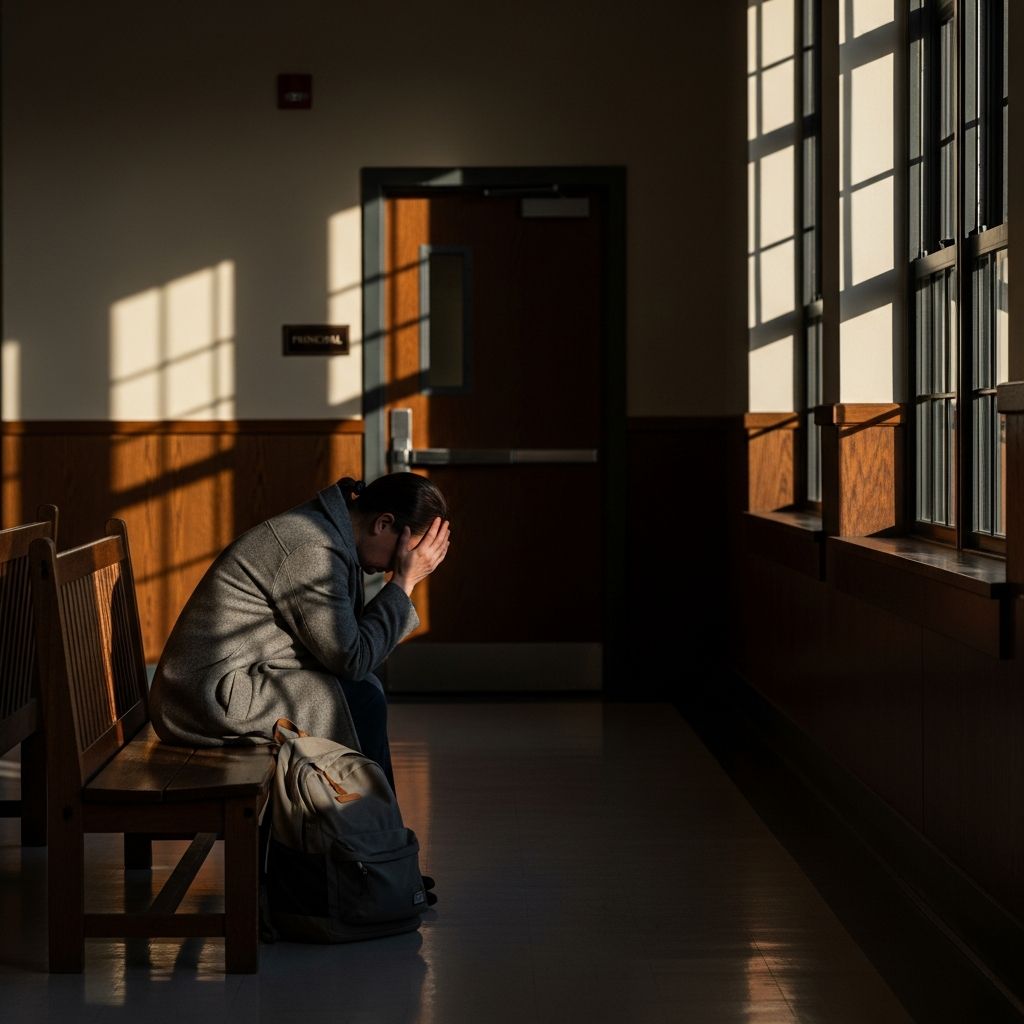
Receiving news of a child’s suspension or expulsion from school can feel overwhelming, triggering immediate concerns about education, behavior, and future prospects. This guide provides parents with actionable steps, legal insights, and proactive strategies drawn from expert recommendations to address these situations effectively.
Understanding the Basics of School Disciplinary Actions
School discipline policies aim to maintain a safe learning environment, but they vary widely by state, district, and even individual institutions. Suspensions typically involve temporary removal from school for a few days to weeks, while expulsions mean permanent exclusion, often requiring alternative placement. These measures are intended for serious infractions like fighting, substance use, or repeated disruptions, but research shows they can disproportionately affect vulnerable students, including those from low-income backgrounds or with trauma histories.
Key distinctions include:
- Short-term suspension: Usually 1-10 days, decided by school administrators without a formal hearing.
- Long-term suspension: Beyond 10 days, often triggers additional procedures, especially for students with disabilities.
- Expulsion: Permanent removal, involving a hearing before the school board or designated panel.
Early childhood settings see high rates of these practices, with preschoolers facing suspension or expulsion at rates up to 10 times higher for adverse childhood experiences, leading to disrupted routines and stigmatization.
Immediate Steps After Receiving the Notification
The moment you learn of a disciplinary action, stay composed to make clear-headed decisions. First, request all details in writing: the incident report, witnesses, and exact duration of removal. This documentation is crucial for any appeals or planning.
Next, schedule a meeting with school officials to discuss the event. Prepare questions like:
- What specific policy was violated?
- Were there prior interventions attempted?
- What support services are available during the removal period?
Avoid emotional reactions; focus on gathering facts. For expulsions, note timelines—hearings must often occur within 30 days, with notice of witnesses provided at least five days prior.
Legal Rights and Protections for Families
Parents have substantial rights under federal and state laws. The Individuals with Disabilities Education Act (IDEA) mandates alternative education plans for students with IEPs suspended over 10 days. Section 504 plans offer similar accommodations for health-related disabilities.
| Discipline Type | Parent Rights | Timeline |
|---|---|---|
| Short-term Suspension | Verbal/written notice; informal conference | Immediate |
| Long-term Suspension/Expulsion | Formal hearing; witness list; legal representation | Within 30 days |
| Students with IEPs/504 | Manifestation determination; alternative placement | Within 10 school days |
Pediatric guidelines urge providers to empower caregivers to challenge inappropriate actions and seek legal aid. If bias or procedural errors are suspected, contact your state’s Department of Education or a school law specialist.
Supporting Your Child During Removal from School
Time away from school isn’t a break—it’s an opportunity for reflection and skill-building. Establish a structured daily routine mirroring school hours: academics, chores, and therapeutic activities. Research indicates that unstructured time exacerbates negative outcomes like dropout risk.
Engage in open conversations:
- Ask about their perspective without judgment.
- Explore underlying issues like bullying, mental health, or family stress.
- Set clear expectations for behavior upon return.
Monitor emotional impacts; suspensions can foster feelings of alienation, especially in young children who may internalize being ‘bad’. Collaborate with pediatricians for screenings and referrals to trauma-informed therapy.
Educational Continuity: Ensuring No Learning Loss
Schools must provide educational services during removals, particularly for longer periods. Demand a learning plan with assignments, tutoring, or online resources. For expelled students, inquire about alternative programs like continuation high schools or community-based education.
Track progress meticulously to avoid gaps that predict academic failure and grade retention—outcomes 10 times more likely post-early discipline. If your child has special needs, invoke procedural safeguards under IDEA.
Home Strategies to Address Underlying Behaviors
Discipline at home should reinforce, not duplicate, school consequences. Instead of privilege removal, implement positive behavioral interventions:
- Daily check-ins: Review goals and achievements.
- Skill-building exercises: Teach emotional regulation via role-playing.
- Reward systems: Tangible incentives for compliance.
Address root causes: screen for adverse experiences increasing discipline risk by 80%. Family therapy can mitigate relational strains, promoting resilience.
Preventing Future Incidents: Long-Term Prevention
Proactive partnerships with schools reduce recidivism. Advocate for functional behavior assessments and individualized plans. Train in de-escalation techniques and support teacher training on implicit bias, which contributes to disparate discipline.
Community resources like mentoring programs or after-school activities build social skills. Longitudinal data links reduced exclusionary practices to better attitudes toward education and lower justice involvement.
The Broader Impacts on Child Development and Family
Exclusionary discipline disrupts routines, heightens family stress, and widens achievement gaps. Preschool pushouts correlate with poverty exacerbation via childcare costs and work loss. Teens face heightened dropout and legal risks, perpetuating cycles.
Positive alternatives—restorative justice, counseling—yield safer schools without harming at-risk youth. Parents play a pivotal advocacy role, partnering with providers for holistic support.
Frequently Asked Questions (FAQs)
What should I do first when my child is suspended?
Request written details, stay calm, and schedule a meeting with administrators to understand the incident and next steps.
Does my child with an IEP have extra protections?
Yes, IDEA requires manifestation determinations and alternative education after 10 days; review procedural safeguards.
Can I appeal an expulsion decision?
Absolutely—hearings allow representation, and districts must issue decisions within five days; seek legal advice.
How do suspensions affect long-term outcomes?
They increase dropout, justice involvement, and negative school attitudes, especially with repeated or early occurrences.
What home structure works best during suspension?
Maintain a school-like schedule with academics, reflection, and family discussions to reinforce accountability.
References
- School Suspension and Expulsion: Policy Statement — American Academy of Pediatrics. 2024-10-01. https://publications.aap.org/pediatrics/article/154/4/e2024068466/199495/School-Suspension-and-Expulsion-Policy-Statement
- The Impact of Early Suspension and Expulsion on Long-Term Child Outcomes — Georgia Family Connection Partnership. 2023-04-11. https://gafcp.org/2023/04/11/the-impact-of-early-suspension-and-expulsion-on-long-term-child-outcomes/
- School Suspensions & Expulsions: How They Fail Kids—and Schools — American Academy of Pediatrics HealthyChildren.org. N/A. https://www.healthychildren.org/English/ages-stages/teen/school/Pages/why-school-suspensions-and-expulsions-are-failing-kids-and-schools.aspx
- What to Do When Your Child or Teen is Suspended or Expelled From School — Empowering Parents. N/A. https://www.empoweringparents.com/article/what-to-do-when-your-child-or-teen-is-suspended-or-expelled-from-school/
- School Suspension & Expulsion: How These Punishments Affect Children — American Academy of Pediatrics YouTube. N/A. https://www.youtube.com/watch?v=RrSdpIvJKAE
- School Discipline — Legal Services of New Jersey. N/A. https://www.lsnjlaw.org/legal-topics/school-learning/discipline/pages/school-discipline-aspx