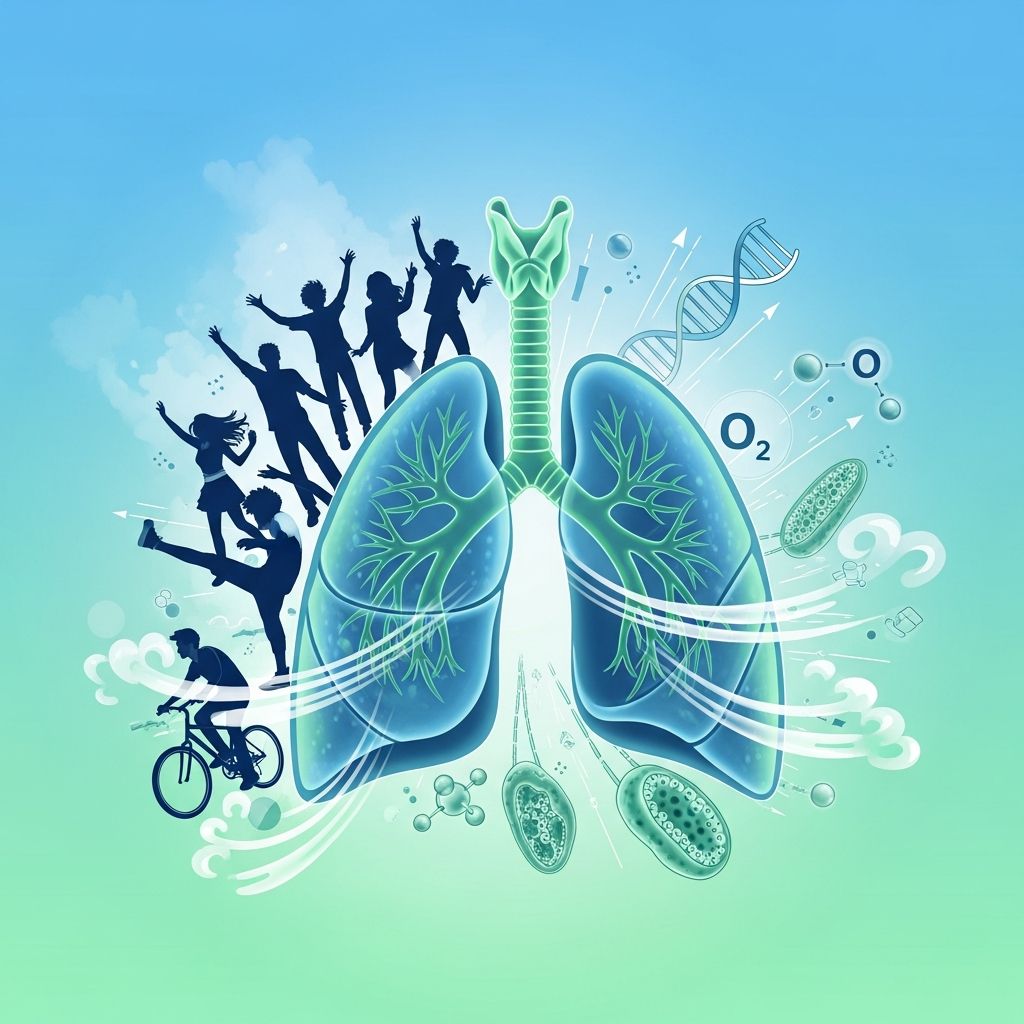
Every minute, your lungs are working behind the scenes to keep you alive, even when you are not thinking about it. Understanding how they work can help you make smarter choices about sports, school, and your long-term health.
Why Your Lungs Matter So Much
Your lungs are part of a larger network called the respiratory system, which is responsible for bringing oxygen into your body and removing carbon dioxide. Oxygen is the fuel your cells need to release energy from food, and without it, your body would shut down in just a few minutes.
Because your lungs work nonstop from the moment you are born, anything that harms them can affect how energetic you feel, how well you perform in sports, and even how clearly you can think in class.
The Path of Air: From Nose to Lungs
Each breath takes a surprisingly long journey through your body. Air does not simply fall into your lungs; it travels through several structures that clean, warm, and guide it along the way.
Upper Airway: The First Stop
The air you breathe usually enters through your nose, although it can also come in through your mouth. The structures in your head and neck prepare that air so it is less irritating to your lungs.
- Nose and nasal cavity: Tiny hairs and sticky mucus trap dust, germs, and other particles.
- Mouth: Provides a wider airway, especially during exercise, but does less filtering and warming.
- Pharynx (throat): A shared passageway for both air and food, guiding air downward toward the voice box.
- Larynx (voice box): Contains the vocal cords and acts like a gate that keeps food from entering your windpipe.
The Windpipe and Bronchial Tree
Below the voice box is the trachea, a sturdy tube sometimes called the windpipe. It is held open by flexible rings of cartilage so it does not collapse when you breathe in deeply.
- Trachea: The main highway for air traveling into the chest.
- Bronchi: Two large branches that split from the trachea, one going to each lung.
- Smaller bronchi and bronchioles: A branching network of smaller airways that spread throughout each lung like the branches of a tree.
At the very ends of the tiniest bronchioles sit clusters of microscopic air sacs that handle the most important job of all: swapping gases with your blood.
Inside the Lungs: Air Sacs and Gas Exchange
Your lungs are not empty balloons; they are filled with millions of tiny structures designed to maximize contact between air and blood. This makes it easier for oxygen to move into your bloodstream and carbon dioxide to leave it.
Alveoli: Microscopic Air Sacs
The smallest air spaces in your lungs are called alveoli. Each lung contains many millions of these tiny sacs, grouped together like bunches of grapes at the ends of the bronchioles.
- The walls of the alveoli are extremely thin, allowing gases to pass through easily.
- Capillaries, which are the smallest blood vessels, wrap closely around each air sac.
- A thin layer of fluid and special chemicals keeps the sacs from collapsing when you breathe out.
How Gas Trade Happens
When you breathe in, fresh air reaches the alveoli and brings oxygen with it. At the same time, blood returning from the rest of the body carries a lot of carbon dioxide, a waste product of cell activity.
- Oxygen moves from the air in the alveoli into the blood, where it attaches to red blood cells.
- Carbon dioxide moves the opposite way, leaving the blood and entering the air sacs.
- When you breathe out, the carbon dioxide leaves your body with the air you exhale.
The Muscles That Make Breathing Possible
Your lungs cannot move on their own. Several muscle groups work together to expand and shrink your chest so that air can flow in and out.
The Diaphragm: Main Breathing Muscle
The diaphragm is a dome-shaped sheet of muscle that separates your chest from your abdomen. It changes shape with every breath, altering the pressure inside your chest.
- When you inhale, the diaphragm tightens and flattens, creating more room for the lungs to fill.
- When you exhale, the diaphragm relaxes and moves upward, helping push air back out.
Helper Muscles Between the Ribs
Muscles between your ribs, called intercostal muscles, also assist in breathing. They lift and lower your ribcage, changing the size of your chest cavity.
- During heavy exercise, these muscles work harder to help pull more air into your lungs.
- Other muscles in your neck and upper chest can also assist during very deep or labored breathing.
Breathing at Rest vs. Breathing During Exercise
Your breathing is flexible and constantly adapts to what you are doing. Sitting quietly, your body needs much less oxygen than when you are sprinting or playing an intense game.
| Situation | Breathing Rate | Breath Depth | Main Goal |
|---|---|---|---|
| Resting or sitting | Slower, more regular | Shallower | Maintain basic oxygen supply and remove steady carbon dioxide |
| Light activity (walking, easy cycling) | Moderate increase | Slightly deeper | Support mild rise in energy use |
| Intense exercise (sprinting, competitive sports) | Fast, sometimes near maximum | Much deeper | Deliver lots of oxygen quickly and clear extra carbon dioxide |
| Recovery after exercise | Gradually slowing | Still deeper than rest | Restore balance and repay the “oxygen debt” created during activity |
Common Lung Issues in Teens
Even though teens are usually healthy, several breathing-related problems often start or show up more clearly during these years. Recognizing symptoms early can help you get care before a problem becomes serious.
Asthma
Asthma is a condition where the airways become extra sensitive and sometimes narrow, making it harder to move air in and out. Attacks can be triggered by exercise, allergies, smoke, strong smells, or infections.
- Common signs include wheezing, chest tightness, coughing, or feeling like you cannot get enough air.
- Many people manage asthma with inhalers and by avoiding known triggers.
Respiratory Infections
Colds, the flu, and other infections can temporarily affect your lungs and breathing. These illnesses often cause coughing, congestion, sore throat, and sometimes fever.
- Most mild infections clear on their own, but some can develop into bronchitis or pneumonia.
- Good hygiene, rest, and following medical advice reduce the chance of complications.
Allergies and Irritated Airways
Allergic reactions to pollen, dust, animal dander, or mold can irritate your nose and lungs. This may cause sneezing, runny nose, itchy eyes, or cough and shortness of breath.
- Treatments may include avoiding triggers, using allergy medications, or occasionally inhaled medicines.
- Keeping your living space clean and well-ventilated can also help ease symptoms.
Habits That Protect Your Lungs
Your choices today can shape how strong and healthy your lungs stay in the future. Teens who take care of their lungs now are more likely to enjoy better stamina, fewer breathing problems, and a lower risk of serious illness later in life.
Stay Away From Smoking and Vaping
Cigarettes, vaping devices, and other tobacco or nicotine products can damage the delicate lining of your airways and air sacs. Even products that seem harmless or come in sweet flavors may contain chemicals that irritate or scar lung tissue.
- Smoking can reduce your lung capacity, making sports and even climbing stairs feel harder.
- Nicotine is addictive, which means it can be extremely difficult to quit once you start.
- Secondhand smoke can also harm your lungs, even if you never light up yourself.
Build a Lung-Friendly Lifestyle
Simple daily habits can support better breathing and long-term lung health. You do not need special equipment or a strict routine to protect your lungs.
- Get regular physical activity, such as sports, dancing, or brisk walking.
- Practice good posture to give your lungs room to expand fully.
- Drink enough water to keep mucus thin and easier for your lungs to clear.
- Avoid excessive exposure to air pollution, strong chemicals, and heavy dust when possible.
When to Get Medical Help
Some breathing changes are normal, like being out of breath after a sprint. Others are warning signs that your lungs or airways may need attention from a health professional.
- Seek help if you have chest tightness, wheezing, or shortness of breath that does not improve with rest.
- See a doctor if you have a persistent cough that lasts several weeks, especially if it is getting worse.
- Emergency help is needed if you are struggling to speak in full sentences or your lips and fingernails look bluish.
Everyday Ways to Strengthen Your Breathing
Beyond avoiding harm, you can take active steps to make your breathing system more efficient. Stronger lungs and breathing muscles can improve your performance in sports and your overall energy levels.
Breathing Exercises
Practicing targeted breathing techniques can help you use your lungs more fully and calmly. These exercises can be useful for athletes and anyone who feels anxious or short of breath.
- Deep belly breathing: Focus on expanding your abdomen as you inhale slowly and letting it fall as you exhale.
- Pursed-lip breathing: Inhale through your nose, then exhale slowly through slightly tightened lips as if you are gently blowing through a straw.
- Rib-stretch breathing: Stand tall, take in a deep breath, hold it for a few seconds, then slowly release while relaxing your shoulders.
Supporting Your Lungs With Overall Health
Your lungs work closely with your heart, immune system, and muscles. Taking care of your entire body supports your respiratory system as well.
- Get enough sleep so your body can repair and maintain tissues.
- Eat a balanced diet with fruits, vegetables, and whole grains to support your immune defenses.
- Stay up to date on recommended vaccinations to lower the risk of serious respiratory infections.
Frequently Asked Questions About Teen Lungs
How many breaths do teens take each minute?
Most healthy teens breathe somewhere around 12 to 20 times per minute when resting, but this can speed up with stress, excitement, or exercise. Everyone is a little different, so what matters most is your own normal pattern and how you feel.
Is it better to breathe through the nose or the mouth?
For everyday activities, breathing through your nose is usually best because it filters, warms, and moistens the air. During intense exercise, your mouth may naturally open to let in more air, and that is normal as long as you are otherwise healthy.
Why do I get out of breath so quickly during sports?
Getting out of breath can happen if you are just building fitness, but it can also be a sign of asthma or another lung issue. If you consistently struggle to catch your breath or feel chest tightness, a health professional can check your lungs and possibly test you for exercise-induced asthma.
Can lungs actually get stronger?
The size of your lungs is mostly determined by your body size and genetics, but you can improve how efficiently they work. Regular exercise, good posture, and avoiding harmful substances help your lungs and breathing muscles perform at their best.
Does secondhand smoke really affect teens?
Yes, breathing in smoke from other people’s cigarettes or other products can irritate and damage your lungs over time. Teens exposed to secondhand smoke may have more coughs, infections, and breathing problems, even if they never smoke themselves.
Take Charge of Your Breathing Health
Your lungs quietly power every move you make, from laughing with friends to finishing a tough workout. Learning how they work and treating them with care now can help you stay active, focused, and healthy for years to come.
Pay attention to how you breathe, choose habits that protect your lungs, and speak up if something does not feel right. Your future self will thank you every time you take a deep, easy breath.