Children’s ability to concentrate evolves with age, but modern distractions often challenge natural development. Parents can foster stronger focus through targeted activities, environmental changes, and routines that align with developmental stages. This guide explores practical approaches to extend attention spans, drawing from child psychology principles.
Understanding Age-Appropriate Concentration Levels
Expectations for focus vary by age, providing a baseline for progress. For toddlers around 3 years old, 4 minutes of sustained attention is typical, calculated roughly as age plus one minute. By age 5-6, children can manage 10-15 minutes on engaging tasks, while school-aged kids (7-10) often sustain 20-30 minutes during preferred activities. These benchmarks help set realistic goals, avoiding frustration from overly ambitious demands.
Factors like interest level influence these spans; a captivating puzzle holds attention longer than rote memorization. Tracking improvements over time motivates both child and parent, as gradual gains signal effective strategies at work.
Creating Distraction-Free Zones for Optimal Learning
A clutter-free space is foundational for concentration. Visual and auditory distractions fragment focus, so designate a dedicated area with minimal toys, turned-off screens, and organized surfaces. For instance, clear tabletops before tasks and position the child away from windows or high-traffic zones.
Dim, calming lighting enhances this setup. Use soft lamps or sensory elements like fiber optic lights in a quiet corner to reduce overstimulation. This environment signals the brain it’s time to concentrate, particularly benefiting children prone to sensory overload.
- Remove electronics and toys from view.
- Choose neutral, quiet locations.
- Incorporate soothing visuals like plain walls or simple decor.
Incorporating Movement to Energize the Brain
Physical activity boosts blood flow and endorphins, sharpening mental acuity. Short bursts of exercise counteract lethargy, preventing attention dips from prolonged sitting. Aim for 5-10 minute breaks involving jumping jacks, crawling, or outdoor runs.
Bilateral movements, engaging both body sides, activate brain hemispheres. Activities like cross-crawls—touching opposite elbow to knee—enhance coordination and focus. Integrate these before learning sessions for immediate gains.
| Activity | Duration | Benefits |
|---|---|---|
| Jumping Jacks | 2-3 minutes | Boosts energy, improves bilateral coordination |
| Obstacle Courses | 5 minutes | Enhances motor skills, reduces hyperactivity |
| Yoga Poses | 4 minutes | Promotes calm focus, builds body awareness |
Engaging Games That Train Concentration
Playful challenges build working memory and impulse control. Memory matching with cards or lap pads strengthens recall, essential for following instructions. Freeze games, dancing to music then posing on command, hone listening and quick shifts.
Board games like tic-tac-toe or collaborative storytelling—alternating silly sentences—demand sustained engagement. Puzzles and hand-eye activities, such as scarf tossing, refine coordination linked to cognitive control.
- Simon Says for rule-following.
- Story-building rounds for auditory processing.
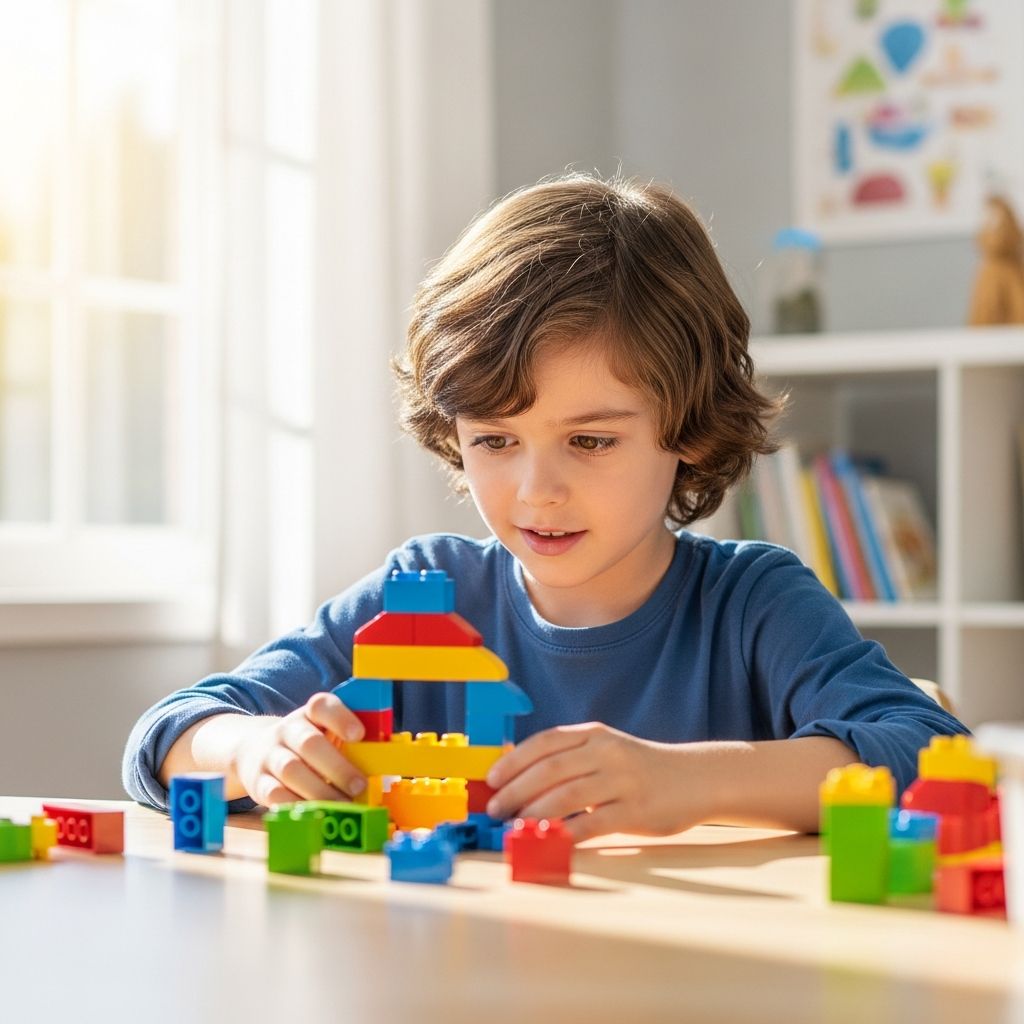
- Recreate stacker patterns from memory.
Voice and Interaction Techniques for Instant Engagement
Non-verbal cues capture wandering minds. Lower to the child’s eye level during talks, establishing connection. Vary voice pitch or volume—whisper then amplify—to jolt attention before key directions.
Frequent questions like “What do you see here?” maintain involvement, ensuring processing. Acting out concepts or verbal recaps reinforces retention through multi-sensory input.
Timers, Schedules, and Structured Breaks
Visibility of endpoints motivates endurance. Visual timers or schedules outline tasks with clear finishes, like “5 minutes of reading, then play.” Pair with choice-based breaks, such as star jumps or spinning, to release energy.
Start small: match intervals to age (e.g., 4 minutes for 3-year-olds), building via successes. This scaffolding transitions to longer, less-preferred tasks.
Mindfulness Practices for Mental Clarity
Simple visualizations clear mental noise. Guide kids to imagine painting a room white, erasing distractions, or fixating on one object for two minutes. These build sustained focus, adaptable for varying attention needs.
Combine with deep breathing for relaxation, countering anxiety-fueled wanderings. Regular practice yields compounding benefits.
Daily Routines Integrating Focus Builders
Weave strategies into routines for habits. Begin days with exercise, follow with distraction-free work blocks, intersperse games. Evening reflections—describing day’s highlights—solidify verbal processing.
Consistency across home and school amplifies effects, fostering independence.
Common Challenges and Tailored Solutions
| Challenge | Solution |
|---|---|
| Hyperactivity | Frequent movement breaks, coordination games |
| Sensory Overload | Calming lighting, minimal visuals |
| Low Motivation | Start with fun tasks, use timers |
| Screen Fatigue | Distraction-free zones, outdoor play |
Frequently Asked Questions
What is a normal attention span for a 5-year-old?
Around 6-10 minutes for engaging activities, extending with interest and practice.
How often should breaks occur during learning?
Every 10-20 minutes, tailored to age, with movement preferred.
Can games really improve focus long-term?
Yes, by training memory and impulse control consistently.
What if my child has ADHD?
These strategies help, especially sensory and movement ones; consult professionals for personalized plans.
How to motivate reluctant focus?
Use eye-level talks, voice changes, and visible endpoints.
References
- Normal Attention Span Expectations By Age — Brain Balance Centers. 2023-10-15. https://www.brainbalancecenters.com/blog/normal-attention-span-expectations-by-age
- Best 6 Strategies to Improve Attention in Children — YouTube (Child Development Expert). 2022-05-20. https://www.youtube.com/watch?v=5qRxV7Vnti8
- 14 Activities to Improve Attention — Fun & Function. 2024-03-12. https://funandfunction.com/blog/are-you-listening-how-to-attend
- 4 Strategies to Increase your Child’s Attention — Rachel Madel Therapy. 2023-08-05. https://www.rachelmadel.com/blog/increasingattention
- Improve Your Child’s Attention Span: Homeschool Strategies — Homeschool Connections. 2024-01-22. https://homeschoolconnections.com/improve-homeschool-attention-span/