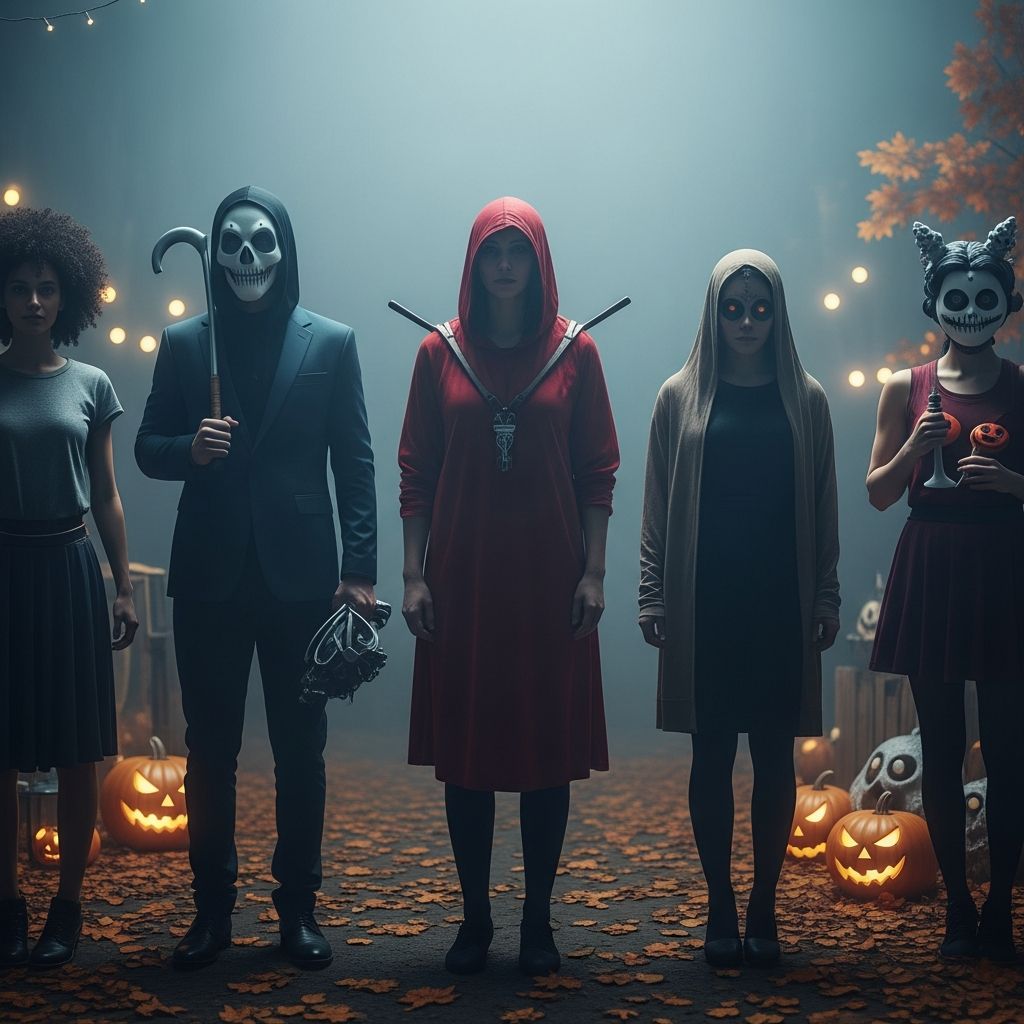
Halloween is supposed to be about fun, imagination, and maybe a little bit of spooky mischief. The wrong costume, however, can turn a great night into an uncomfortable, unsafe, or even offensive experience. This guide walks through the types of costumes you should skip—plus better alternatives that still keep the fun alive.
Why Your Costume Choice Matters
Costumes are more than clothes; they send a message about what is funny, acceptable, and admirable. On Halloween, that message is amplified because so many people will see you or your child walking around the neighborhood, posting photos online, and interacting at parties or events.
Good costumes do three things at once: they keep everyone safe, avoid making fun of other people’s identities or struggles, and still let kids and adults be playful and creative. When any of those three are missing, the costume becomes a problem—even if it was chosen with no bad intentions.
Big Picture: Types of Costumes to Skip
Before diving into specific examples, it helps to think in categories. Most regrettable Halloween costumes fall into at least one of these groups:
- Costumes that are unsafe or difficult to move in
- Costumes that make fun of real people, cultures, or tragic events
- Costumes that are far too revealing for the situation or age
- Costumes that will clearly not age well in photos or social media
- Costumes that ignore local rules, school guidelines, or common sense
Thinking about these categories before shopping or crafting can help you avoid last-minute panic and awkward conversations at the door or at school pick-up.
Unsafe and Impractical Costumes
Some costumes look clever in a catalog photo but become a hazard when worn in the real world, especially by kids trying to walk up steps in the dark while carrying a candy bucket. Comfort and mobility are not boring—they are essential.
Common Safety Red Flags
- Extra-long hems and trailing capes that drag on the ground and cause trips and falls.
- Oversized shoes that slip, twist ankles, or make it difficult to walk on uneven sidewalks.
- Masks with tiny eye openings that block side vision, making it easy to miss cars or obstacles.
- Hard plastic props with sharp edges, such as swords, spears, or staffs that can poke someone in a crowd.
- Bulky inflatable costumes that restrict arm movement, hearing, or awareness of surroundings.
If a costume looks like it would make running, seeing, or climbing steps a challenge, it is probably a poor choice for a night that involves walking around homes, crossing streets, and navigating crowds.
Better Alternatives
You do not need to give up on dramatic or imaginative looks to stay safe. Instead, make small adjustments:
- Choose capes that hit around the knee instead of trailing behind.
- Swap costume heels or novelty shoes for regular sneakers that match the costume colors.
- Use face paint or makeup instead of a full-face mask, or trim mask openings so kids can see better.
- Pick foam props or leave props at home entirely for very young children.
- Add reflective tape, glow sticks, or light-up accessories so kids are visible in low light.
Costumes That Cross the Line
Halloween has a long history of dressing up as “the other,” but what used to pass as a joke is now understood to be hurtful. Costumes that turn someone else’s race, culture, religion, disability, or pain into entertainment are no longer just in poor taste—they can damage relationships and reputations.
Offensive Themes to Avoid
- Cultural stereotypes: Anything that reduces an actual culture to a costume, especially when it leans on clichés or caricatured features.
- Religious figures and sacred symbols portrayed in mocking or sexualized ways.
- Tragedy-based costumes that reference natural disasters, recent attacks, pandemics, or specific human suffering.
- Costumes mocking disabilities or illnesses, including fake medical equipment used for laughs.
- Blackface or skin-tone-altering makeup meant to mimic a specific race or ethnicity.
If a costume relies on making fun of people who already face discrimination or pain, it is worth skipping entirely. There are endless creative options that do not involve punching down.
Respectful Alternative Ideas
Instead of dressing as a generalized “type” of person or group, focus on fictional characters, animals, jobs, or objects that are not tied to living communities in a mocking way. Some examples include:
- Characters from books, comics, or age-appropriate movies.
- Animals, mythical creatures, or imaginative hybrids.
- Neutral professions portrayed respectfully (scientist, astronaut, baker) without stereotypes.
- Everyday objects turned whimsical, such as weather, food, or classic toys.
When “Sexy” Costumes Go Too Far
Adult parties and kid-friendly trick-or-treat routes are very different environments. What works for a private costume party with peers might be very uncomfortable in front of neighbors, children, or school staff. Context is everything.
Extremely revealing costumes can be awkward at school events, family block parties, or community festivals where children are present. For kids and teens, hyper-sexualized versions of otherwise ordinary costumes send confusing messages and can attract unwanted attention.
Guidelines for Age-Appropriate Outfits
- For children, skip any costume cut or marketed as “sassy,” “sexy,” or “sultry,” regardless of the theme.
- For teens, talk together about where they will be, who will see them, and what feels respectful and comfortable.
- For adults attending family-friendly events, choose outfits that fit well without feeling like swimwear or lingerie.
- Layer with leggings, long-sleeve shirts, or undershirts to make borderline costumes more appropriate and warmer.
Too-Scary Costumes for Little Ones
Some kids love being terrified; others are still working up to friendly pumpkins. Hyper-realistic gore, violent props, and horror-movie masks might thrill older teens but terrify preschoolers standing in the same driveway or classroom.
Extremely scary costumes can also make it harder for small children to tell the difference between pretend and real fear. Being mindful of the youngest trick-or-treaters is a simple way to make the night enjoyable for everyone.
Choosing “Spooky But Kind” Looks
- Opt for cartoonish ghosts, skeletons, or monsters instead of realistic, bloody versions.
- Skip fake weapons that suggest graphic violence and choose whimsical props instead.
- If a costume includes a frightening mask, consider carrying the mask and putting it on only for photos, not for greeting small children.
- Talk to kids about how their costume might make others feel and encourage empathy as part of the fun.
School and Community Rules: What Not to Wear There
A costume that seems fine for a neighborhood party might not meet the standards at school, daycare, a church event, or a workplace. Each setting has its own expectations and restrictions, and ignoring them can result in awkward calls home or being asked to change.
Most institutions aim for the same thing: fun without distractions, disruptions, or safety issues. Respecting those rules makes staff and organizers more likely to continue hosting future Halloween celebrations.
Common Restrictions in Public Spaces
- No full-face masks or face coverings that hide identity.
- No fake weapons, even brightly colored or plastic ones.
- No costumes with offensive language or symbolic hate imagery.
- Guidelines about skirt length, shoulder coverage, or tight clothing.
- Limits on face paint or hair dye that might stain school or office furniture.
Makeup, Accessories, and All the Little Details
Even if the main costume is sensible, the accessories and makeup can cause problems. Heavy glitters, unfamiliar adhesives, or low-quality face paints can irritate skin or run into eyes, and costume contacts can be downright dangerous without proper supervision.
Minimalism is often safer: fewer accessories means fewer pieces to lose, break, or accidentally weaponize on a crowded sidewalk.
Accessory Do’s and Don’ts
| Item Type | Avoid | Better Choice |
|---|---|---|
| Masks | Full-face masks with tiny eye holes | Eye masks or face paint that leave vision clear |
| Props | Hard plastic weapons with sharp points | Foam props or no prop at all for young kids |
| Footwear | Heels, oversized boots, floppy clown shoes | Closed-toe sneakers that match the costume |
| Makeup | Unknown brands and heavy glitter near eyes | Hypoallergenic products tested on a small patch of skin first |
| Contacts | Non-prescription costume lenses bought casually | No contacts, or lenses prescribed and approved by an eye professional |
Weather, Visibility, and Comfort
Another common mistake is forgetting that Halloween happens outdoors, often after dark and in unpredictable weather. A costume that looks perfect indoors may become a freezing, soggy, or invisible nightmare outside.
Cold kids are unhappy kids, and costumes that blend into the night make it harder for drivers to see families crossing streets. Comfort and visibility are just as important as style.
Practical Tips for the Real World
- Size costumes to allow a warm base layer of clothes underneath if you live in a cooler climate.
- Choose lighter or brighter colors when possible, or add reflective bands to darker outfits.
- Bring a weather backup plan, such as a matching jacket or poncho that will not ruin the look.
- Avoid makeup that runs easily in rain or sweat, especially near the eyes.
Digital Footprints: Costumes That Won’t Age Well
Almost every Halloween now lives forever in photos and videos. An outfit that seems funny tonight may feel embarrassing or damaging later, especially if it pops up during a job search, college application process, or a future child’s internet scroll.
Before hitting “buy now” or hot-gluing the final piece, imagine that picture resurfacing five or ten years from today. If that thought makes you cringe, pick something else.
Questions to Ask Before You Commit
- Would this costume make people question my judgment if they saw it out of context?
- Does the joke rely on making someone else feel small, mocked, or stereotyped?
- Would I be comfortable with this photo on a public profile or in a school yearbook?
- Is there a way to keep the fun concept but soften the joke or remove the offensive element?
Checklist: What Not to Wear This Halloween
Use this quick checklist as you shop, DIY, or dig through boxes of old costumes. If an outfit triggers more than one of these warnings, it is a sign to move on.
- Does it block vision, make walking difficult, or use sharp or heavy props?
- Does it turn a real culture, religion, or identity into a joke or stereotype?
- Is it too revealing or suggestive for the age of the wearer or the event setting?
- Is it likely to scare very young children beyond basic spooky fun?
- Would it violate school, workplace, or community costume rules?
- Could photos of this costume feel humiliating or harmful later on?
Fun, Safe, and Respectful Costume Ideas
Avoiding problematic costumes does not mean being boring. In fact, limits often spark creativity. There are countless ways to be imaginative while staying kind and safe.
- Classic friendly monsters: Think bright-colored vampires, silly witches, or cartoon-style zombies.
- STEM heroes: Astronauts, inventors, coders, and scientists can be inspiring and comfortable.
- Historical figures handled thoughtfully: Explorers, artists, and leaders presented with respect, not stereotypes.
- Pun costumes: Clever wordplay outfits that make people smile without targeting a vulnerable group.
- Family themes: Coordinated but simple outfits (like a group of animals or storybook characters) that work across ages.
Frequently Asked Questions About Halloween Costumes
Is it really that bad if I didn’t mean to offend anyone?
Intent and impact are not the same thing. You may not mean any harm, but people who see the costume might feel hurt or mocked. Listening when people say certain themes are offensive and choosing something else is a simple way to show respect and kindness.
Can my child wear a scary costume?
Yes, as long as the level of scariness fits the environment and age group. For neighborhood trick-or-treating with lots of preschoolers, it is better to lean toward spooky-fun rather than nightmare fuel. Save extreme horror for older teen events or adult parties where everyone knows what to expect.
How can I tell if a costume is culturally insensitive?
Ask whether the costume turns a living culture or identity into a costume or caricature. If it depends on exaggerated features, stereotypical behavior, or sacred items used as props, it is a sign to avoid it. When in doubt, choose a different idea that does not involve someone else’s heritage.
What if my teenager insists on a questionable outfit?
Use it as a teaching moment. Talk through why certain choices can hurt others or follow them around online later. Offer to help brainstorm alternatives that still feel cool or edgy without crossing ethical or safety lines.
Do adults really need to worry about costume choices?
Absolutely. Adults are often photographed at work parties, neighborhood events, or social gatherings. A costume that seems like a joke in the moment can damage professional relationships or friendships later, especially if it appears hostile or insensitive. Choosing wisely protects not only your reputation but also your community.
Choosing a Halloween costume is an opportunity to be imaginative, thoughtful, and considerate. When you avoid unsafe, offensive, and overly revealing outfits, you make more room for creativity that everyone can enjoy—neighbors, classmates, and little ghosts and goblins alike.