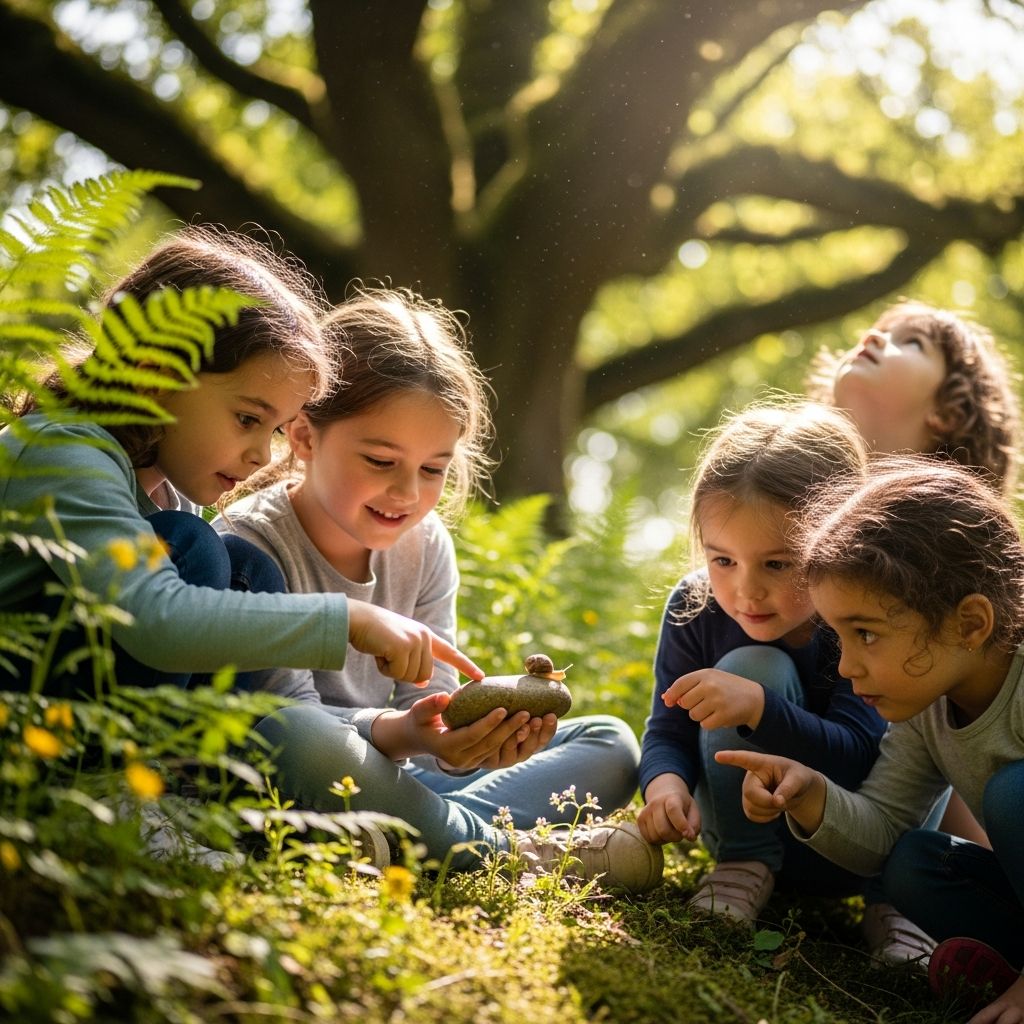
Adults navigate a world overloaded with responsibilities, digital distractions, and constant planning, often losing touch with the simple art of being. Children, however, possess an innate wisdom that allows them to thrive in the now. By observing how kids engage with life, grown-ups can reclaim mindfulness practices that foster deeper peace, stronger relationships, and heightened joy. This article delves into transformative lessons drawn from children’s perspectives, offering actionable ways to integrate them into daily routines for lasting well-being.
The Natural Art of Being Fully Present
One of the most striking traits in children is their ability to immerse themselves completely in the current moment. Whether splashing in a puddle or building a tower of blocks, kids rarely dwell on past mistakes or future worries. This pure presence serves as a powerful reminder for adults burdened by multitasking and anxiety.
Research highlights how this childlike focus enhances mental clarity. Staying present reduces stress by anchoring attention to sensory experiences, much like children do instinctively. Adults can mimic this by pausing during routine activities—such as a walk—to notice surroundings with fresh eyes, imagining the wonder a child might find in a leaf’s texture or a bird’s song.
- Daily Practice: Dedicate five minutes to a ‘child’s eye view’ scan: observe colors, sounds, and sensations as if encountering them for the first time.
- Benefit: Builds resilience against rumination, improving focus and emotional regulation.
Embracing Play as a Path to Inner Calm
Play isn’t mere entertainment for children; it’s their primary mode of processing emotions and exploring the world. Through unstructured play, kids release tension, spark creativity, and cultivate joy without agenda. Adults, conditioned to view play as unproductive, miss out on its therapeutic power.
Incorporating playful elements into adult life—dancing spontaneously or doodling freely—can lower cortisol levels and boost dopamine, mirroring children’s natural stress relief. Parents who join in play with their kids report stronger bonds and personal rejuvenation, proving play’s universal healing potential.
| Adult Stressor | Child’s Playful Counterpart | Outcome for Adults |
|---|---|---|
| Work deadlines | Building forts | Enhanced problem-solving creativity |
| Social anxiety | Imaginative role-play | Improved emotional expression |
| Daily fatigue | Chasing bubbles | Increased energy and mood lift |
Unfiltered Emotions: The Freedom of Honest Expression
Children wear their hearts on their sleeves, crying when sad or laughing uproariously when amused. This authenticity prevents emotional buildup, allowing quick recovery. Adults often suppress feelings to maintain composure, leading to bottled-up resentment and burnout.
Learning from kids means validating emotions without judgment. Techniques like naming feelings aloud—’I’m frustrated right now’—help process them swiftly, much as children do. This practice, rooted in mindfulness, strengthens self-awareness and relationships.
- Start small: Journal one honest emotion daily.
- With kids: Model expression during family time to normalize it.
Curiosity as a Lifelong Mindfulness Tool
Children’s endless ‘why’ questions reflect boundless curiosity, turning ordinary moments into adventures. This mindset counters adult cynicism and routine boredom, inviting wonder into everyday life.
Cultivating curiosity involves asking open-ended questions about familiar things: ‘What patterns do clouds make today?’ Such habits rewire the brain for positivity, supported by studies on mindfulness enhancing adaptability. Parents can co-create curiosity rituals, like nature scavenger hunts, benefiting both generations.
Connections Over Perfection: Prioritizing Relationships
Kids seek connection instinctively, hugging friends or chatting with strangers without pretense. They teach that relationships trump perfection, offering comfort amid chaos.
Adults can adopt this by scheduling ‘connection pauses’—undivided attention during conversations, free from phones. This mirrors the COAL approach (Curiosity, Openness, Acceptance, Love), deepening empathy and reducing isolation.
Savoring the Small: Gratitude in Simplicity
Children delight in tiny joys—a crunchy leaf or warm cookie—practicing gratitude effortlessly. This shifts focus from lacks to abundances, a cornerstone of positive psychology.
Implement a ‘gratitude jar’: note three daily appreciations. Bedtime reflections like ‘What made you smile?’ embed this habit, improving sleep and outlook for adults and kids alike.
Body Awareness Through Movement and Breath
Kids intuitively use their bodies to regulate—wiggling to release energy or hugging for comfort. Mindful movement, like yoga poses or ‘balloon breathing,’ grounds them.
Adults benefit similarly: body scans notice tensions, while breathing buddies (stuffed animals on bellies) make it accessible. These tools build emotional resilience across ages.
- Breath Technique: Inhale for 4 counts, hold 4, exhale 4—repeat with a plush toy.
- Movement: ‘Spidey senses’ scan: tune into smells, sounds, touches.
Building a Mindful Family Ecosystem
Integrate these lessons family-wide for compounded benefits. Start with shared rituals: mindful meals savoring flavors, or bell-listening for focus. Consistency turns practices into habits, enhancing attention, decisions, and bonds.
Challenges like resistance arise, but modeling calms doubts. Track progress in a family journal to celebrate growth.
Frequently Asked Questions (FAQs)
What age is best to teach mindfulness to children?
Any age works, but adapt: games for toddlers, discussions for teens. Start with your practice first.
Can mindfulness reduce adult anxiety like it helps kids?
Yes, presence and breathwork lower stress hormones, per studies on emotional regulation.
How do I make mindfulness fun, not forced?
Use play, superheroes, or senses games—keep it light and experimental.
What’s a quick daily mindfulness tip from kids?
Pause and notice five senses: see, touch, hear, smell, taste the moment.
Does mindfulness improve parenting?
Absolutely—full attention listening deepens understanding and patience.
Overcoming Common Adult Barriers to Childlike Mindfulness
Skepticism, time scarcity, and self-judgment block adoption. Counter with micro-practices: one-minute breaths amid busyness. View slips as learning, like kids do, fostering persistence.
For parents, leading by example trumps lectures. Join playdates mindfully; the joy is contagious.
Long-Term Impacts: A Healthier Future
Adopting these lessons yields sustained benefits: better sleep, focus, and relationships. Children raised mindfully gain tools for life stresses, creating generational wellness.
Communities embracing this see reduced behavioral issues, per emerging research. Start today—your inner child awaits rediscovery.
References
- 5 mental health lessons we need to learn from kids — Calm Blog. 2023. https://www.calm.com/blog/mental-health-lessons-from-kids
- The Power of Mindfulness for Kids: Simple Techniques for Everyday Life — IFC Counseling. 2024. https://ifccounseling.com/mindfulness/the-power-of-mindfulness-for-kids-simple-techniques-for-everyday-life/
- 10 Ways to Teach Mindfulness to Kids — Left Brain Buddha. 2022. https://leftbrainbuddha.com/10-ways-teach-mindfulness-to-kids/
- Mindfulness for Parents: Tips and Activities — ZERO TO THREE. 2023. https://www.zerotothree.org/resource/mindfulness-for-parents/
- Mindfulness Techniques for All Ages — PM Pediatric Care. 2024. https://pmpediatriccare.com/blog/mindfulness-techniques-for-all-ages-a-guide-to-incorporating-wellness-into-daily-life/