Almost everyone has smacked an elbow on a chair or desk and felt that strange mix of numbness, tingling, and ache shoot down the arm. Many people call that spot the “funny bone,” but it is not actually a bone at all. It is a sensitive nerve running along your elbow, and when it gets bumped, it sends powerful signals that feel weird instead of truly funny.
It Is Not a Bone: Meet the Ulnar Nerve
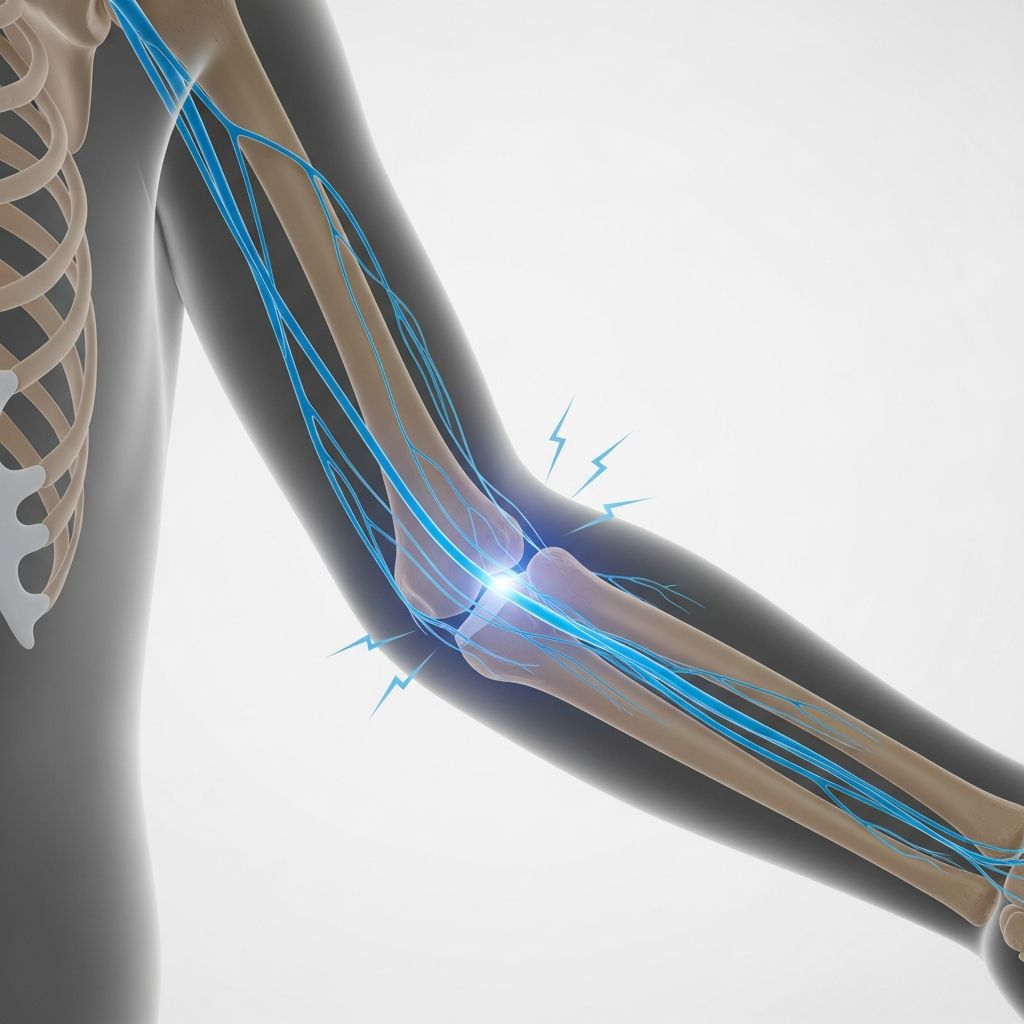
Deep inside your body are special wires called nerves that carry messages between your brain and the rest of you. One of these nerves, called the ulnar nerve, travels from your neck, down your upper arm, around your elbow, and into your forearm and hand. Near the elbow it comes very close to the surface of the skin, which makes it easy to hit when your elbow bumps something hard.
The ulnar nerve helps you feel things along the side of your hand where the ring finger and pinky finger are. It also helps control some of the small muscles that let you spread your fingers, curl them, and grip objects. Because this nerve is so important for feeling and movement, even a quick tap on it can create a surprising and intense sensation.
Why Is It Called the “Funny” Bone?
The name might sound silly, but there are a couple of serious ideas behind it. One idea is that the name comes from a joke about words: the upper arm bone that sits near this nerve is called the humerus, which sounds like the word “humorous.” Since humorous means something that makes you laugh, people may have turned that wordplay into the nickname “funny bone.” Another idea is that people once described the tingling sensation as “funny” because it is odd and hard to describe, not because it actually makes anyone laugh.
Either way, the nickname stuck. Today, when people say they “hit their funny bone,” what they really mean is that they bumped the ulnar nerve where it passes along the inside of the elbow. The feeling might last only a few seconds, but it can be strong enough to make your whole arm jerk or cause you to drop something you were holding.
What You Feel When You Bump It
The strange feeling that races down your arm after a bump is your nerve reacting to a sudden squeeze or shock. When the ulnar nerve is pressed hard between your elbow bone and the hard surface you hit, it sends a rush of signals to the brain. Your brain reads those signals as a mix of pain, tingling, and numbness that can travel from your elbow into your forearm, ring finger, and pinky.
Many kids describe it as a “buzzing” or “electric” feeling, like a tiny jolt running through part of the arm. Usually the feeling starts very strong and then fades within a few seconds or minutes. Afterward, the nerve settles down and goes back to doing its normal job of carrying messages between your brain and hand.
Quick Facts About Your “Funny Bone”
- It is not really a bone; it is the ulnar nerve at the elbow.
- It helps you feel things in your ring finger and pinky finger.
- It also helps some of the small muscles in your hand work properly.
- It sits in a narrow groove near the surface of the skin, which makes it easy to bump.
- The odd tingling feeling usually goes away quickly and does not cause lasting harm.
Inside the Elbow: A Simple Anatomy Tour
The elbow is more than just a bend in your arm. It is a joint where the upper arm bone meets two bones in the forearm. These bones work together with ligaments, muscles, and nerves to let you bend, straighten, and rotate your arm. The ulnar nerve travels through a small, narrow passage at the back or inner side of the elbow, where there is less padding from muscle and tissue.
Because the nerve lies in this shallow groove, it only has a thin layer of skin and soft tissue covering it. When you accidentally slam that part of your elbow into something, the nerve is briefly trapped between the hard edge of the bone and whatever you hit. This sudden squeeze causes the wave of tingling and pain that makes everyone wince.
How the Ulnar Nerve Helps Your Hand
The ulnar nerve is one of the main helpers that allow your hands to perform detailed tasks. It carries messages that help you spread your fingers apart, bring them together, and curl them toward your palm. These small movements are important for holding a pencil correctly, tying shoelaces, playing a musical instrument, or gripping a ball during sports.
The nerve also carries signals about touch, temperature, and pain from the side of your hand closest to the little finger. When you touch something hot, cold, rough, or smooth with that part of your hand, the ulnar nerve tells your brain what the object feels like. This constant flow of information helps you protect yourself and interact safely with the world.
Typical Feelings After an Elbow Bump
| Feeling | What It Feels Like | How Long It Usually Lasts |
|---|---|---|
| Tingling | A buzzing, prickly feeling in the elbow, forearm, or fingers. | Often a few seconds to a couple of minutes. |
| Numbness | Part of the hand or fingers may feel “asleep” or less sensitive. | Usually fades as the nerve calms down. |
| Aching | A dull, sore feeling at the spot where you hit your elbow. | May last a bit longer but typically improves on its own. |
| Weak grip | It may be briefly harder to hold or pick up items. | Improves once the tingling and numbness are gone. |
Simple Ways to Feel Better Faster
When you hit your elbow, the first instinct might be to grab it and curl your arm tightly. However, it often helps more to gently straighten the arm and give the nerve a bit of space. Relaxing the muscles around the elbow can reduce the pressure on the ulnar nerve and help the odd feeling fade.
Here are a few gentle steps you can try if you bump your elbow at home or at school:
- Take a slow breath and stay still for a moment to avoid bumping it again.
- Gently straighten your arm and rest it on a soft surface like a pillow or folded jacket.
- Lightly shake out your hand or wiggle your fingers to remind the nerve to keep working normally.
- If the spot feels sore, ask an adult whether you can place a cool cloth or wrapped ice pack on the area for a short time.
Everyday Habits That Protect Your Elbows
Even though most “funny bone” hits are minor, it is helpful to develop habits that protect your elbows and nerves. This is especially true if you carry a heavy backpack, lean on hard desks a lot, or play sports that involve falling or sliding on the arms. Small changes in posture and body position can make a big difference.
- Avoid resting your elbows on hard edges for long periods of time, especially while using a computer or tablet.
- Use cushions, pads, or soft sleeves during activities where your elbows might bump the ground, such as skating or certain sports.
- Keep your backpack straps snug and balanced on both shoulders so the weight is not pulling on your arms and shoulders unevenly.
- Stretch your arms gently during breaks from writing, drawing, or gaming to keep muscles and nerves comfortable.
When a Bump Is More Than Just a Bump
Most of the time, the tingling and pain from a bumped elbow fade quickly and do not cause lasting problems. Occasionally, though, the ulnar nerve can stay irritated for longer than usual. A child might notice frequent tingling in the ring finger and pinky, aching at the inner elbow, or weakness when trying to grip objects tightly.
If strange feelings in the hand or elbow keep coming back, last for several days, or are strong enough to interfere with writing, sports, or everyday tasks, it is important to tell a parent, guardian, or teacher. An adult can decide whether to schedule a visit with a health professional to check that the nerve and elbow joint are healthy.
Elbow Safety Tips for Active Kids
Kids are often running, jumping, climbing, and playing, which means a lot of chances to knock an elbow on something. A few simple safety steps can help protect both bones and nerves while still letting kids have fun. Think of these as “body armor” rules you can wear in your mind, even when you are not wearing actual armor.
- Wear proper safety gear, such as elbow pads, when biking, skating, or skateboarding.
- Follow rules in sports practice and games, especially those that prevent rough hits or falls.
- Keep play areas clear of sharp corners and clutter when possible.
- Pay attention when walking through crowded spaces with desks, chairs, or tables to avoid sudden bumps.
Fun Ways to Strengthen Your Arms and Hands
Strong muscles help support your joints and protect your nerves during daily activities. You do not need heavy weights or special equipment; many helpful activities feel like games. These simple movements give your arms practice without putting too much stress on your elbows.
- Soft ball squeezes: Gently squeeze a foam ball or rolled-up sock, hold for a few seconds, and relax. Repeat with both hands.
- Finger spreads: Place a rubber band loosely around your fingers and practice opening your hand against the light resistance.
- Wall push-ups: Stand a step away from a wall, place your hands on it, and perform gentle push-ups with your body at an angle.
- Drawing and coloring: These fun activities also train the small muscles in your hands that the ulnar nerve helps control.
Frequently Asked Questions About the “Funny Bone”
1. Can you actually break your funny bone?
Since the “funny bone” is really a nerve, it cannot break like a bone can. However, the bones around the elbow can be injured if someone falls hard or hits the area with great force. In those situations there may be bruising, strong pain, swelling, or difficulty moving the elbow, and an adult should contact a health professional.
2. Why do only some fingers tingle when it is hit?
The ulnar nerve mainly serves the side of your hand where the ring finger and pinky finger are located. When the nerve is damaged or irritated near the elbow, the signals it carries to those specific fingers are interrupted or changed. As a result, tingling, numbness, or pain usually affects those two fingers more than the others.
3. Is it dangerous if my funny bone tingles a lot?
Most brief tingles from bumping your elbow are not dangerous and go away on their own. However, if tingling, numbness, or weakness happens often or lasts a long time, it could mean the nerve is being pressured more than it should be. In that case, it is important to let an adult know so they can decide whether a medical check is needed.
4. Does holding my elbow bent for a long time cause problems?
Keeping the elbow bent tightly for long periods, such as while holding a phone or resting on a desk, can put extra pressure on the ulnar nerve where it curves around the elbow. Sometimes this may cause tingling or numbness in the ring finger and pinky. Taking regular breaks to gently straighten and move the arm can help keep the nerve comfortable.
5. How can I talk to a grown-up if I am worried about my elbow or hand?
If you notice unusual feelings in your elbow, hand, or fingers that do not go away, start by telling a parent, guardian, school nurse, or teacher exactly what you feel and when it happens. You can mention whether it gets worse when you bend your arm or lean on your elbow. That information helps adults decide whether to watch and wait, adjust some habits, or seek advice from a health professional.
Helping Kids Understand Their Own Bodies
Learning about the “funny bone” is a great reminder that the body is full of hidden parts working together to keep people moving, sensing, and exploring the world. The ulnar nerve is just one of many nerves that allow kids to catch a ball, draw a picture, play an instrument, or give a friend a high five. Understanding how it works makes it easier to protect it and to notice when something does not feel right.
The next time an elbow bump sends that familiar jolt down your arm, it will not be a mystery. You will know that a hardworking nerve just got an unexpected squeeze and is sending a loud, temporary message to your brain. With a little care and attention, that strange feeling usually fades quickly, and your arms and hands can get back to all the games, projects, and adventures that make growing up exciting.