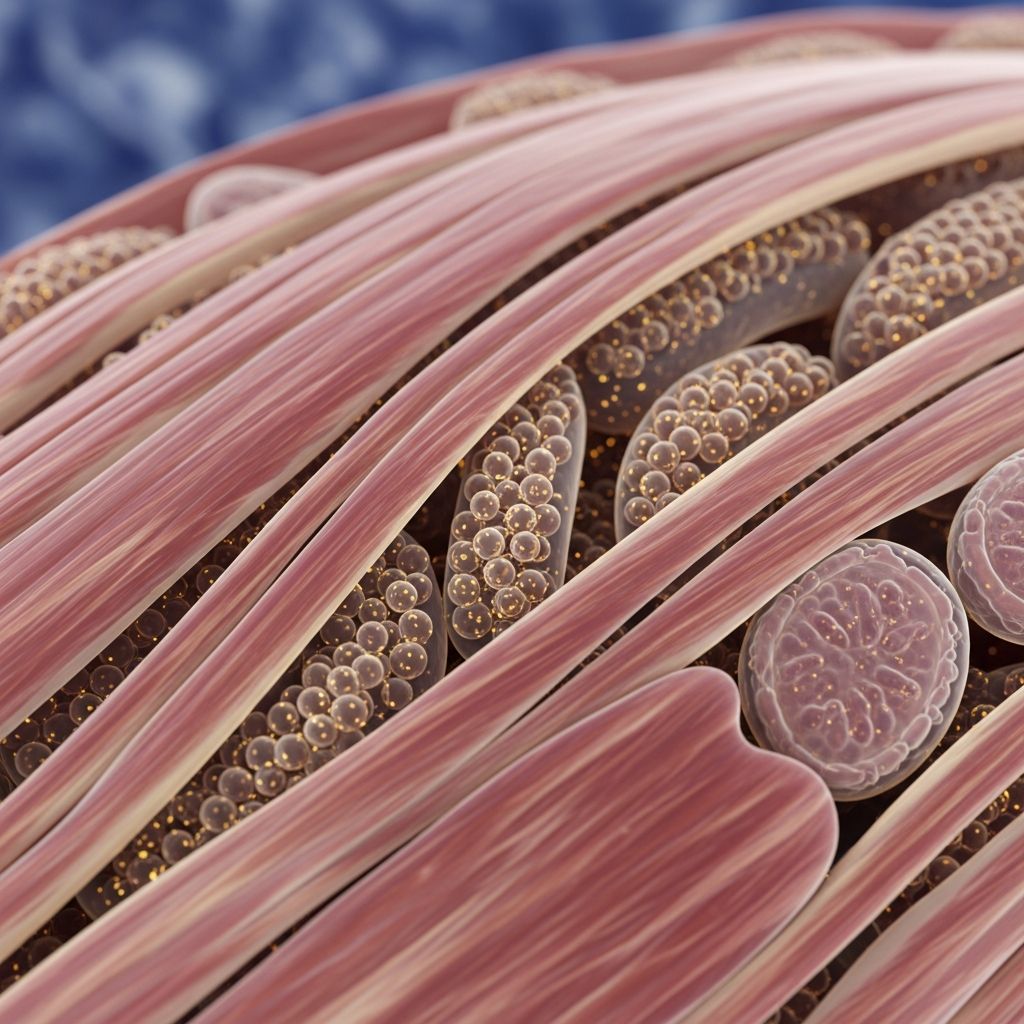
Every time you walk to class, sprint up stairs, or even sit and think, your body is quietly spending energy. That energy mostly comes from a simple sugar called glucose, and one of the main ways your body manages glucose is by turning it into a storage form called glycogen. Glycogen works like a built-in fuel tank that your body can fill up and empty all day long.
Understanding glycogen helps explain why you feel energetic after some meals, tired after others, or shaky when you have gone too long without eating. It also shows why athletes focus so much on what they eat before and after training, and why blood sugar balance matters for everyone, not just people with diabetes. This guide breaks down what glycogen is, how it works, and what you can do to support healthy energy levels.
What Exactly Is Glycogen?
Glycogen is a large, branching molecule made from many glucose units linked together. Instead of letting glucose float freely in high amounts, your body combines it into glycogen so it can be stored safely and released when needed. You can think of glycogen as a compact, organized way for your body to pack away extra sugar for later use.
Glucose itself is your body’s go-to fuel, especially for your brain and working muscles. When you eat foods that contain carbohydrates, such as bread, rice, fruit, or pasta, your digestive system breaks those carbs down into glucose. That glucose enters your bloodstream, and if there is more than your cells need at that moment, your body has a choice: store it as glycogen or convert it to fat. Glycogen is the quicker, more flexible option for short-term storage.
Where Your Body Stores Glycogen
Glycogen is stored mainly in two places: your liver and your skeletal muscles. Both locations play a different role, and together they help keep your energy and blood sugar levels in a healthy range.
- Liver glycogen: acts like a central reserve that can release glucose back into the blood to be used by the whole body, especially the brain.
- Muscle glycogen: is stored directly inside muscle cells and is used locally to power movement and exercise.
Other tissues, such as the kidneys and certain brain cells, can also store small amounts of glycogen, but these amounts are tiny compared with the liver and muscles. The total glycogen you can store is limited, which is one reason your energy levels and performance depend so much on regular eating patterns and appropriate carbohydrate intake.
Glycogen Storage Overview
| Storage site | Main purpose | Who can use the glucose? | When it is most active |
|---|---|---|---|
| Liver glycogen | Helps keep blood sugar within a safe range | Entire body, especially brain and red blood cells | Between meals, overnight, and during fasting |
| Muscle glycogen | Provides quick energy for muscle contraction | Only the muscle fiber where it is stored | During physical activity, especially intense or long workouts |
From Food to Fuel: How Glycogen Is Made
The process of building glycogen from glucose follows a clear sequence that happens mostly after eating. As carbohydrates are digested, glucose enters the bloodstream and causes blood sugar levels to rise. In response, the pancreas releases a hormone called insulin, which tells cells to take in glucose for immediate use or storage.
When there is more glucose available than your cells need right away, enzymes inside liver and muscle cells help link those glucose molecules together into glycogen. This building process is sometimes called glycogen synthesis. You do not feel it happening, but it is active after meals and snacks, especially when those meals are rich in carbohydrates.
Steps in Simple Terms
- You eat a meal with carbohydrates.
- Carbohydrates break down into glucose during digestion.
- Glucose enters the bloodstream and blood sugar levels rise.
- The pancreas releases insulin.
- Insulin encourages cells to absorb glucose.
- Extra glucose is joined together inside cells to form glycogen.
If you repeatedly eat much more carbohydrate than your glycogen stores can hold, the body eventually turns the excess into fat. That is why balance matters: glycogen is a short-term storage system, not an endless one.
How Glycogen Is Broken Down for Energy
When your body needs more glucose than is currently coming from food, it taps into glycogen stores. This can happen between meals, overnight while you sleep, or during exercise. Enzymes inside the cells start cutting glucose units off the glycogen branches so they can be used as fuel.
In the liver, this breakdown releases glucose into the bloodstream, which helps keep your blood sugar from dropping too low. This is especially important for the brain, which depends heavily on a steady supply of glucose. In muscles, glycogen is broken down and used directly inside the muscle cell to make energy molecules that power contractions.
What Triggers Glycogen Breakdown?
- Fasting or long gaps between meals: when blood sugar starts to fall, the body signals the liver to release stored glucose.
- Intense or long-duration exercise: muscles quickly use their own glycogen to keep contracting and prevent fatigue.
- Stress hormones: during emergencies or high stress, certain hormones signal the body to mobilize fuel rapidly, including glycogen.
The process of breaking glycogen down is carefully controlled. If breakdown does not happen when needed, you may feel weak or lightheaded. If it happens too aggressively or in an unbalanced way, blood sugar can rise too high. Hormones act like switches, turning on or off different parts of these pathways.
Glycogen, Hormones, and Blood Sugar Balance
Two major hormones, insulin and another hormone that has the opposite effect, work together to keep blood sugar in a safe range. Insulin lowers blood sugar by helping cells take in glucose and by encouraging glycogen storage. Its partner hormone raises blood sugar by signaling the liver to break down glycogen and release glucose.
In a healthy system, these hormones constantly balance each other out. After meals, insulin is more active, pushing glucose into storage. Between meals, its opposite becomes more active, pulling glucose out of storage. Problems arise when the body stops responding properly to insulin or when hormone production is disrupted, which can contribute to conditions like diabetes.
Why Glycogen Matters for Teens and Young Adults
Teenagers and young adults often have busy schedules, growing bodies, and changing hormones. All of these factors affect how glycogen is used and restored. Skipping meals, eating mostly ultra-processed snacks, or doing intense exercise without enough fuel can all strain your glycogen system and leave you feeling drained.
On the positive side, this stage of life is a powerful time to build healthy habits that support efficient glycogen use. Regular activity, consistent meals, and a mix of nutrients can help your body handle energy demands from school, sports, work, and social life without constant crashes.
Signs Your Energy System May Be Off
- Feeling shaky, dizzy, or very irritable if you go too long without eating.
- Experiencing sudden drops in energy during practices or games.
- Needing large amounts of sugary drinks or snacks just to feel awake.
- Frequent headaches or difficulty concentrating that improves after you eat.
These signs do not always mean something is seriously wrong, but they are reminders to pay attention to how often you eat, what you choose, and how your body responds. If symptoms are intense or frequent, it is important to discuss them with a health professional.
Glycogen and Exercise Performance
During short, intense bursts of activity – like sprinting, jumping, or heavy lifting – muscles rely heavily on glycogen. It provides quick energy that helps you move powerfully without waiting for fuel from the bloodstream. When muscle glycogen levels are high, performance during these activities usually improves.
For longer activities, such as distance running, cycling, or team sports played over several hours, glycogen is still crucial. As muscle stores run low, you may experience a sudden sense of exhaustion sometimes described as “hitting the wall.” Once glycogen is depleted, the body has to rely more on other fuels, which are slower and may not support the same intensity.
Simple Strategies for Active People
- Include carbohydrate-containing foods at regular meals, especially when training frequently.
- Eat a balanced snack with carbohydrates and some protein one to three hours before intense exercise.
- Refuel after workouts with a meal or snack that contains both carbohydrates and protein to help restore glycogen and support muscle repair.
- Stay hydrated, since water is stored along with glycogen in muscles.
Different sports and bodies have different needs. Some athletes require more carbohydrates, while others function well with moderate amounts. Paying attention to how your body feels during and after workouts is key.
Glycogen vs. Fat: Two Types of Energy Storage
Glycogen is not the only way your body stores energy. Fat tissue acts as a long-term energy bank, while glycogen serves more like a checking account that you use daily. Both systems are important, but they work differently.
| Feature | Glycogen | Fat |
|---|---|---|
| Main role | Short-term, quickly available energy | Long-term energy storage |
| Storage sites | Liver and muscles | Fat cells throughout the body |
| How fast it can be used | Very fast, ideal for intense activity | Slower, better for low to moderate activity |
| Storage capacity | Limited | Much higher capacity |
When glycogen is full and you still take in more energy than you use, the body tends to increase fat storage. When glycogen stores are low, the body often turns to fat for fuel, especially during longer, moderate-intensity activities. A mix of both systems allows for flexibility across many types of movement and daily tasks.
Health Conditions That Affect Glycogen
For most people, glycogen storage and breakdown happen smoothly in the background. However, some health conditions can interfere with these processes. One major group involves problems with blood sugar regulation, such as diabetes, where insulin does not work properly or is not produced in the right amounts. In those situations, storing and releasing glycogen can be disrupted, leading to high or low blood sugar levels.
There are also rare genetic conditions in which specific enzymes involved in glycogen metabolism are missing or do not function well. These conditions may cause serious symptoms like muscle weakness, low blood sugar, or organ problems and usually require specialized medical care. While uncommon, they highlight how important each step of the glycogen pathway is to overall health.
When to Talk to a Health Professional
- Frequent episodes of very low energy, dizziness, or fainting, especially around meals.
- Muscle pain or extreme fatigue with light activity that does not improve with rest and food.
- Family history of metabolic or blood sugar disorders.
Only a medical professional can diagnose the cause of these issues. If something feels off, especially repeatedly, sharing your symptoms with a trusted adult and a clinician is an important step.
Supporting Healthy Glycogen Levels Through Daily Habits
You do not need to count grams of glycogen or memorize every enzyme to support your body’s energy system. Small, consistent habits make the biggest difference over time. Focusing on balanced meals, regular movement, and good sleep keeps the glycogen cycle flowing smoothly.
- Eat regularly: long gaps without food can drain liver glycogen and make you feel tired or unfocused.
- Choose balanced plates: include carbohydrates, protein, and some healthy fats at most meals to support steady energy.
- Favour whole foods: fruits, vegetables, whole grains, and legumes provide carbohydrates plus fibre and micronutrients that support metabolism.
- Move your body: regular physical activity helps muscles store and use glycogen more efficiently.
- Get enough sleep: poor sleep can disrupt hormones that control appetite, blood sugar, and energy storage.
These habits benefit much more than glycogen. They also support mood, focus, growth, and resilience to stress. Thinking of glycogen as one part of a bigger health picture can make the science feel more connected to everyday life.
Frequently Asked Questions About Glycogen
Is glycogen the same as glucose?
No. Glucose is a single sugar molecule that circulates in your blood and is used directly by cells for energy. Glycogen is a large storage form made by linking many glucose molecules together inside certain cells. When needed, glycogen is broken back down into glucose so the body can use it.
Can I run out of glycogen completely?
Most people do not totally empty their glycogen stores under normal conditions, but levels can drop very low during long, intense exercise or extended fasting. When that happens, you may feel extremely tired, weak, or unable to maintain your usual pace. Eating carbohydrates and allowing time for rest helps rebuild those stores.
Do low-carb diets always mean low glycogen?
Eating fewer carbohydrates usually reduces glycogen stores, especially in muscles, because there is less glucose available for storage. However, the body can still make some glucose from other nutrients, and people adapt differently to lower-carb patterns. The best approach depends on your health needs, activity level, and guidance from a qualified professional.
Does drinking sports drinks always improve glycogen?
Sports drinks contain sugars that can help maintain blood glucose during long or intense workouts, which may slow the use of stored glycogen. For short or light activities, water and balanced meals are usually enough. Relying heavily on sugary drinks without a real need can add extra calories without much benefit.
How long does it take to refill glycogen after exercise?
Refilling glycogen is a gradual process that can continue for many hours after a workout. Eating carbohydrate-containing foods soon after exercise, especially along with some protein, can speed this process. The exact timing and amount needed varies depending on the length and intensity of the activity.
Putting It All Together
Glycogen quietly powers much of what you do every day, from walking and studying to playing sports and staying warm. It links what you eat with how you move and how you feel, acting as a bridge between meals and moments of effort. Learning about this hidden fuel tank can help you make choices that support steadier energy and long-term health.
You do not need to become an expert in biochemistry to benefit from this knowledge. Paying attention to hunger, energy, focus, and mood – and noticing how they change with your eating, sleeping, and exercise patterns – gives you real-time feedback about how your glycogen system is doing. Over time, small, thoughtful adjustments can make a big difference in how energized and capable you feel.