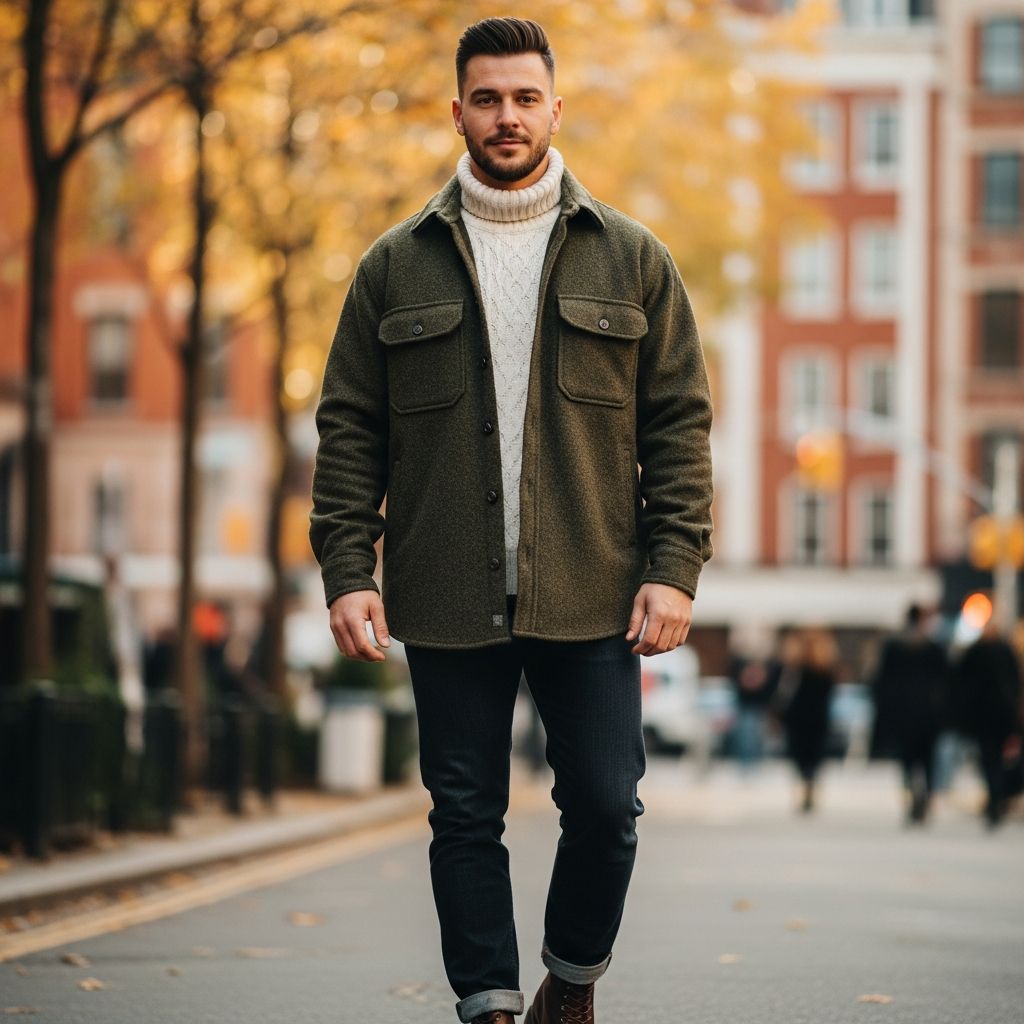
The shacket has emerged as a cornerstone of contemporary fashion, seamlessly merging the casual ease of a shirt with the protective qualities of a jacket. This hybrid garment provides just the right amount of warmth without bulk, making it ideal for transitional weather and year-round layering.
Defining the Shacket Phenomenon
A shacket represents a clever portmanteau of ‘shirt’ and ‘jacket,’ encapsulating a garment that borrows structural elements from both. Typically crafted from heavier fabrics like flannel, cotton blends, or wool, it features a button-down front, collared neckline, and long sleeves akin to a shirt, but with reinforced seams, patch pockets, and a relaxed, oversized fit reminiscent of a jacket.
Unlike a standard shirt, which prioritizes lightness and breathability, or a full jacket built for intense insulation, the shacket strikes a balance. It offers subtle warmth for cool evenings, functions as a mid-layer under heavier outerwear, or stands alone for mild days. Its design promotes mobility, ensuring wearers can move freely during outdoor activities or daily errands.
Historical Roots and Modern Revival
Shackets trace their origins to practical workwear from the early 20th century, when laborers in farming, construction, and manufacturing sought durable outer layers to shield their clothing from dirt and weather. These early versions were robust flannel shirts with added padding and pockets, evolving into the versatile pieces we recognize today.
Over decades, the shacket faded into utilitarian obscurity before resurfacing on fashion runways and street style scenes in the 2010s. Designers revived it as a nod to heritage styles, infusing modern cuts, patterns, and sustainable fabrics. Today, it’s celebrated for its unisex appeal and adaptability across demographics, from urban professionals to outdoor enthusiasts.
Key Characteristics That Set Shackets Apart
Shackets distinguish themselves through thoughtful design details:
- Fabric Weight: Heavier than typical shirting (around 8-12 oz per square yard) for warmth, yet lighter than coats.
- Silhouette: Relaxed or boxy fit allowing layering over tees, hoodies, or sweaters without restriction.
- Hardware: Sturdy buttons, reinforced elbows, and multiple pockets for functionality.
- Versatility: Button-up placket for adjustable ventilation and collared style for polished looks.
These elements make shackets suitable for diverse climates, from crisp fall mornings to mild winter afternoons.
Shacket vs. Similar Garments: A Clear Comparison
To grasp the shacket’s unique position, compare it to related items:
| Feature | Shacket | Overshirt | Jacket | Flannel Shirt |
|---|---|---|---|---|
| Weight | Medium-heavy | Light-medium | Heavy | Light |
| Primary Use | Layering/standalone | Over shirts | Outerwear | Base layer |
| Fabric | Flannel, wool blends | Cotton, linen | Denim, leather | Light flannel |
| Fit | Relaxed, oversized | Slim-relaxed | Structured | Tailored |
| Warmth Level | Moderate | Low-moderate | High | Low |
As shown, shackets bridge gaps, offering more substance than an overshirt (a slimmer, shirt-like layer) but less rigidity than a jacket.
Seasonal Versatility and Layering Mastery
One of the shacket’s superpowers is its all-season adaptability. In spring, pair it open over a graphic tee with chinos for a breezy vibe. Summer calls for lightweight linen versions buttoned over tanks. Fall demands cozy flannel iterations layered with hoodies and jeans, while winter sees it under parkas for added insulation.
For optimal layering:
- Base: T-shirt or long-sleeve thermal.
- Mid: Shacket for core warmth.
- Outer: Waterproof shell for rain.
- Bottoms: Pair with selvedge denim or cargo pants for rugged appeal.
This modular approach ensures comfort across temperature swings, ideal for unpredictable weather.
Styling Shackets for Every Lifestyle
Casual Daytime Looks
Embrace effortless style by tucking a neutral shacket into high-waisted jeans, adding sneakers and a beanie. Opt for plaid patterns in earth tones for timeless charm.
Office-Ready Polish
Layer a tailored wool shacket over a crisp button-down and trousers. Choose solid colors like navy or gray to maintain professionalism while staying cozy.
Outdoor Adventure Gear
Reinforced flannel shackets shine on hikes or work sites, paired with boots and gloves. Their durability handles brush and wind effectively.
Night-Out Edge
Oversized denim shackets over black tees and leather pants create a rock-inspired ensemble, perfect for concerts or dinners.
Women can style with midi skirts and boots for feminine flair, proving the shacket’s unisex versatility.
Fabric Choices and Care Essentials
Popular materials include:
- Flannel: Soft, brushed cotton for supreme coziness.
- Denim: Rugged and ages beautifully.
- Corduroy: Textured warmth with vintage vibes.
- Wool Blends: Premium insulation for colder climates.
Maintain your shacket by washing in cold water, air-drying to preserve shape, and spot-cleaning stains. High-quality pieces last years with minimal care.
Why Shackets Are a Smart Wardrobe Investment
Beyond aesthetics, shackets offer value through durability, multifunctionality, and sustainability. Many brands now use recycled fabrics, reducing environmental impact. Their timeless design transcends trends, ensuring longevity in your closet.
Invest in pieces from reputable makers emphasizing ethical production and robust construction for pieces that endure daily wear.
Frequently Asked Questions About Shackets
What exactly makes a garment a shacket?
A shacket combines shirt-like features (collar, buttons) with jacket-level fabric weight and fit for versatile layering.
Are shackets suitable for women?
Absolutely— their relaxed fits and varied patterns make them unisex favorites.
How do I choose the right size?
Select a size that allows layering; oversized is intentional for comfort and style.
Can shackets replace jackets in winter?
They excel as mid-layers but pair with shells for extreme cold.
What’s the difference between a shacket and an overshirt?
Shackets are thicker and more structured; overshirts are lighter and shirt-focused.
References
- What The Hell Is a Shacket? — MuskOx Flannels. 2023-10-15. https://www.gomuskox.com/blogs/news/what-is-a-shacket
- Shacket VS Jacket: What’s the Difference — XYXX Apparels. 2024-02-20. https://xyxxcrew.com/blogs/article/shacket-vs-jacket-whats-the-difference
- What is a Shacket? 11 Ways to Style Shackets — CLIFTON Clothing. 2023-11-05. https://www.cliftonclothing.com/blog/post/what-is-a-shacket
- Shackets vs overshirts: what’s the difference? — Moss Bros. 2024-01-12. https://us.mossbros.com/inside-pocket/post/shacket-vs-overshirt-and-how-to-wear-yours
- All Your Questions About Men’s Shackets Answered — Brooklyn Cloth. 2023-09-28. https://www.brooklyncloth.com/blogs/thepipeline/all-your-questions-about-men-s-shackets-answered