Periods can feel mysterious or even a little scary when you first hear about them. This guide explains what a period is, why it happens, and how you can take care of yourself so you feel prepared and confident.
What Is a Period?
A period, or menstruation, is normal bleeding that comes from the uterus and leaves the body through the vagina. During a period, a mix of blood and tissue that lines the inside of the uterus flows out of the body.
Having a period is a healthy part of growing up for most girls and people with a uterus. It is one step in your body’s journey through puberty, the time when you change from a child into a teenager and later an adult.
- Not an injury: A period is not a cut or a sign that something is broken.
- Not an illness: It is not a disease or infection.
- A normal body process: It is your body’s way of getting ready for a possible pregnancy in the future.
Why Does the Body Have Periods?
Each month, your body goes through a pattern of changes called the menstrual cycle. This cycle prepares the body in case an egg is fertilized and a pregnancy begins.
The Basic Steps of the Menstrual Cycle
You do not feel most of these changes happening, but inside your body a lot is going on:
- The brain sends signals to the ovaries using special chemicals called hormones.
- The ovaries get an egg ready and release it during ovulation.
- Hormones make the lining of the uterus (called the endometrium) grow thick and soft.
- If the egg is not fertilized by sperm, pregnancy does not happen.
- The thick lining is no longer needed, so the body sheds it. This shedding is your period.
Then the cycle starts all over again. This usually happens about once every month, but the exact timing is different for everyone.
When Do Periods Usually Start?
The first period has a special name: menarche. Most people get their first period sometime in their early teens, but there is a normal range.
| Age Range | What Often Happens |
|---|---|
| 8–10 years | Early signs of puberty may start (breast budding, growth spurts, hair growth), but periods are less common. |
| 11–14 years | Many kids get their first period during these years; the average age is around 12–13. |
| 15–16+ years | Some start later. If there is no period by about age 15 or 16, a health professional may want to check in. |
Doctors say that having a first period anywhere in this range can be normal, especially if other signs of puberty are happening.
Clues That a First Period May Be Coming
Before your first period, your body usually gives some hints:
- Breasts begin to grow and change shape.
- Hair appears under the arms and around the genitals.
- You might notice clear or white vaginal discharge in your underwear.
- You grow taller quickly and your hips may get a bit wider.
These changes often start months or years before the first period.
What Does Period Blood Look and Feel Like?
Period blood is not just the same as blood from a cut. It is a mix of blood and small pieces of the lining from inside the uterus.
- Color: It can be bright red, dark red, brown, or even almost black. Color can change from day to day.
- Amount: At first the flow may be light, then heavier, then light again.
- Texture: You may see tiny clumps or jelly-like blobs. These are usually small bits of tissue and are usually normal.
- Smell: A mild smell is normal. Very strong or bad smells can be a sign to talk to a trusted adult or doctor.
How Long Do Periods and Cycles Last?
Two things can be measured: the length of your period (the bleeding days) and the length of your cycle (from the first day of one period to the first day of the next one).
- Period length: Most periods last up to about 3–7 days.
- Cycle length: For many people, a cycle is about 24–38 days, but teens often have more irregular cycles at first.
In the first couple of years after menarche, it is common for periods to be:
- Late or early some months.
- Heavier one month and lighter another.
- Skipped for one or more months.
Over time, cycles usually become more regular.
Period Products: What Can You Use?
There are several ways to catch menstrual blood and protect your clothes. You can choose what feels most comfortable, and it can change as you grow.
Common Options
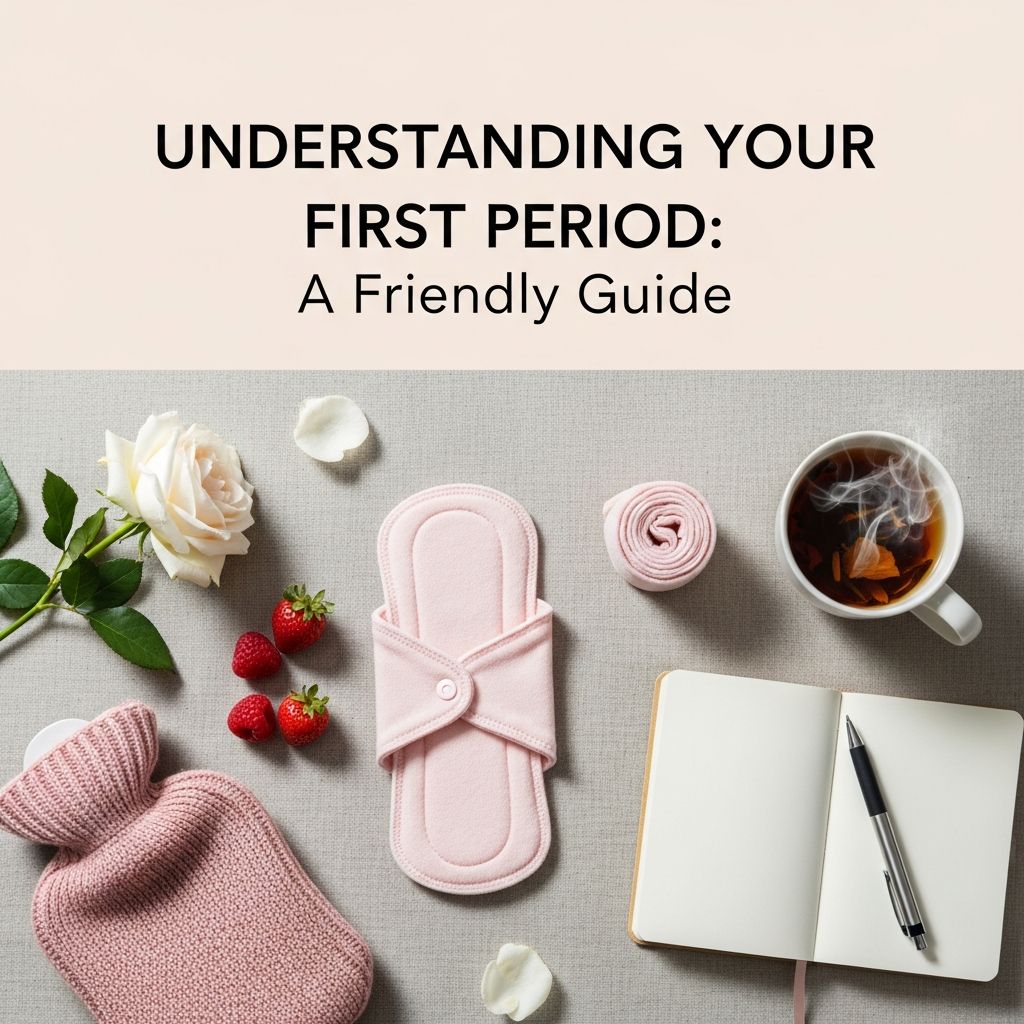
- Pads: Soft, absorbent rectangles that stick to your underwear. They come in different sizes and thicknesses.
- Panty liners: Thinner versions of pads, good for very light days or spotting.
- Tampons: Cylinders placed in the vagina to absorb blood. They have to be changed regularly.
- Period underwear: Reusable underwear designed with absorbent fabric that can hold period flow.
How Often Should You Change Them?
Staying clean and dry helps you feel better and lowers the chance of irritation or infection.
- Change pads and liners every 3–4 hours, or sooner if they are soaked.
- Change tampons every 4–8 hours and avoid leaving them in longer than recommended.
- Change period underwear once a day or more often if it feels too wet.
Ask a trusted adult, school nurse, or health professional if you are unsure which product to start with. Many people begin with pads and later try other options when they feel ready.
How Periods Can Make You Feel
Hormone changes during the menstrual cycle can affect both your body and your emotions.
Common Physical Feelings
- Mild stomach or lower back cramps.
- Feeling tired or having less energy.
- Breasts that feel tender or sore.
- Headaches or feeling a bit dizzy.
- Changes in bowel habits (more or less frequent bathroom trips).
Common Emotional Feelings
- Mood swings (feeling happy one moment and sad or annoyed the next).
- Feeling more sensitive than usual or easily upset.
- Wanting more alone time or more comfort from friends and family.
These changes are very common and are usually mild. If pain or mood changes make it hard to go to school or do daily activities, it is a good idea to talk to a doctor or nurse.
Staying Comfortable During Your Period
There are many simple ways to feel better when you have your period.
- Use heat: A warm water bottle or heating pad on your lower belly or back can ease cramps.
- Move your body: Gentle exercise like walking, stretching, or light sports can reduce cramps and boost mood.
- Rest: Getting enough sleep helps your body handle changes and discomfort.
- Drink water: Staying hydrated can help with bloating and headaches.
- Balanced meals: Regular meals and snacks give you energy and can help you feel less tired.
If pain is stronger, a parent or guardian may talk with a doctor about medicines that can safely reduce cramps, such as certain pain relievers. These should always be used as directed by a health professional.
Tracking Your Cycle
Keeping track of your periods can help you understand your body and notice patterns. Health experts often recommend tracking to help explain your cycle to a doctor if needed.
Simple Ways to Track
- Mark the first and last day of bleeding on a paper calendar.
- Use a period tracking app with the help of an adult, if that is allowed.
- Write notes about cramps, mood, or heavy and light days in a notebook.
Tracking can help you:
- Notice if your period is becoming more regular over time.
- Plan ahead for school trips, sports, or other activities.
- Share clear information with a health professional if you have concerns.
When to Talk to an Adult or Doctor
Most of the time, periods are normal and healthy. But there are some signs that you should share with a parent, guardian, or health professional.
- No period by about age 15 or 16, especially if other puberty signs have not started.
- Periods that last longer than about 7–8 days regularly.
- Very heavy bleeding (for example, soaking through a pad or tampon every 1–2 hours for several hours in a row).
- Severe cramps that do not get better with rest, heat, or basic pain relief.
- Bleeding between periods that happens often.
- A sudden change in your cycle, like periods stopping for several months when you are not pregnant.
- Very strong smells, unusual discharge, or itching that does not go away.
Talking to a doctor or nurse about periods is normal. They talk about these topics every day and are there to help you stay healthy.
Common Myths and Facts About Periods
There are many stories about periods that are not true. Knowing the facts can help you feel more confident.
- Myth: You can always tell when someone is on their period.
Fact: If someone uses period products and changes them regularly, other people usually cannot tell. - Myth: You cannot move or play sports during your period.
Fact: Many people safely play sports and exercise during their period, and movement can even reduce cramps. - Myth: Periods are always regular right away.
Fact: It is very common for cycles to be irregular in the first years after menarche. - Myth: Having a period means you are an adult.
Fact: A period is one part of puberty. Emotional maturity and adulthood develop over many years.
Frequently Asked Questions (FAQs)
Can I go to school when I have my period?
Yes. Most people go to school, play sports, and do their usual activities while they have their period. You might need to plan ahead by bringing pads or other products in your bag and knowing where the bathroom is.
Will it hurt when my first period starts?
You may feel mild cramps, a heavy feeling in your lower belly, or no pain at all. Some people feel discomfort, but severe pain is not normal and should be discussed with a health professional.
How much blood do you lose during a period?
Even though it may look like a lot, the total amount of blood is usually only a few tablespoons over the whole period. The rest of the fluid is tissue and mucus from the uterus.
Can I shower or swim on my period?
Yes. Showers and baths help you stay clean and can be soothing. Many people swim while using tampons or certain period products designed for water. Ask a trusted adult which options are best for you.
Is it okay if my period is not regular yet?
In the first months or years after your first period, it is common for cycles to be irregular, shorter, or longer. If you are worried or if periods stop completely for several months, talk to a health professional.
Who can I talk to if I feel nervous about my period?
You can talk to a parent, guardian, older sibling, school nurse, or doctor. It can help to write down your questions ahead of time. Remember that periods are a normal part of life and you are not alone.
References
- Menstruation — MedlinePlus, U.S. National Library of Medicine. 2022-05-02. https://medlineplus.gov/menstruation.html
- Menstrual Cycle — Merck Manual Consumer Version. 2023-06-01. https://www.merckmanuals.com/home/women-s-health-issues/biology-of-the-female-reproductive-system/menstrual-cycle
- Menstrual Cycle (Normal Menstruation): Overview & Phases — Cleveland Clinic. 2022-09-15. https://my.clevelandclinic.org/health/articles/10132-menstrual-cycle
- Menstruation — StatPearls, NCBI Bookshelf. 2023-01-08. https://www.ncbi.nlm.nih.gov/books/NBK500020/
- Periods — NHS (National Health Service, UK). 2023-03-28. https://www.nhs.uk/conditions/periods/