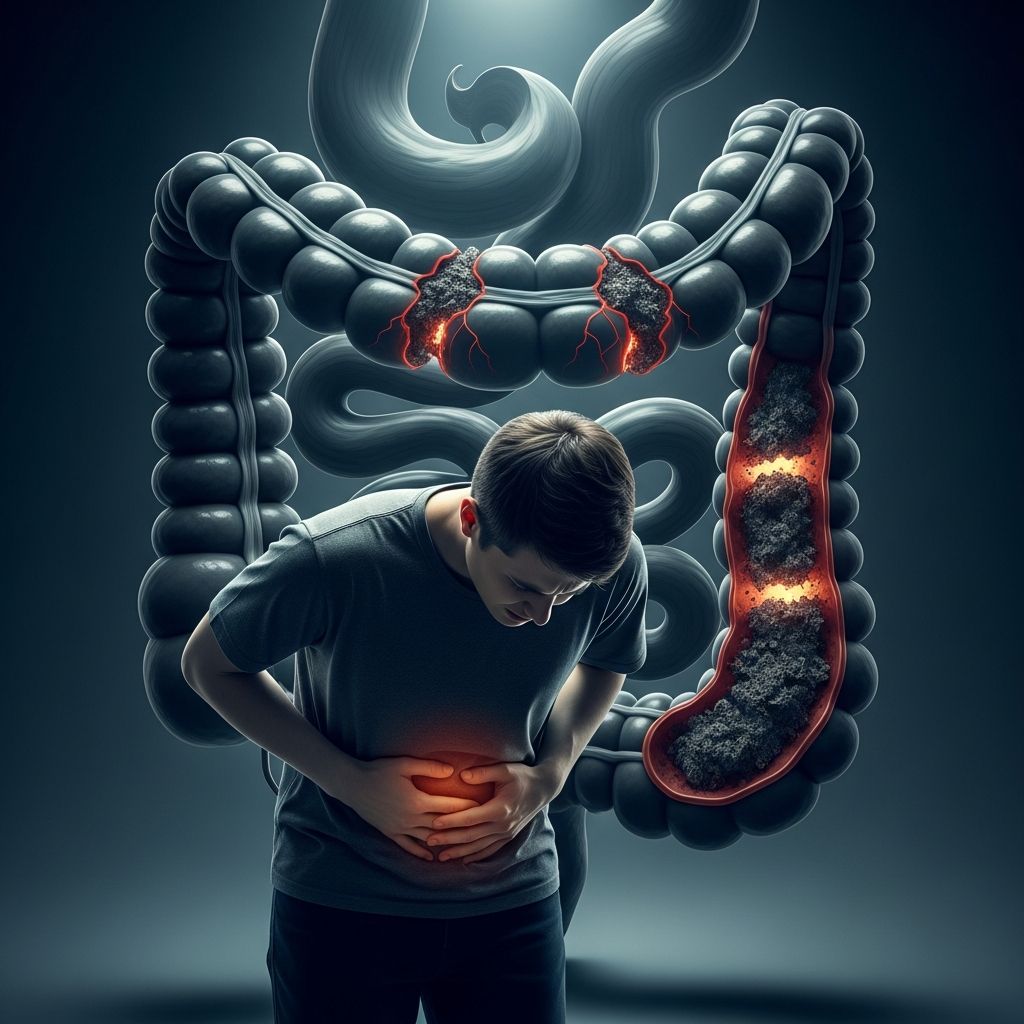
The human body is designed with natural rhythms, including the urge to defecate, which signals when waste needs elimination. Ignoring this signal by clenching the anal sphincter pushes stool back into the colon, where additional water absorption occurs, hardening the stool and setting off a chain of potential health disruptions. While occasional delays pose minimal risk, habitual suppression disrupts normal bowel function, leading to a range of gastrointestinal problems.
The Physiology Behind the Urge
Bowel movements are regulated by the enteric nervous system, often called the ‘second brain,’ which coordinates peristalsis—the wave-like muscle contractions moving contents through the intestines. When stool reaches the rectum, stretch receptors detect distension and trigger the defecation reflex via the spinal cord and brain. Voluntarily contracting the external anal sphincter overrides this reflex, retaining stool temporarily.12
This mechanism evolved for social convenience, allowing brief holds until a suitable time or location. However, prolonged retention alters colonic environment: bacteria ferment undigested material, producing gas and pressure, while water reabsorption desiccates stool, complicating future expulsion. Over time, this trains the body to weaken natural signals, reducing sensitivity to fullness.4
Immediate Effects on Your Body
Short-term suppression causes bloating, cramping, and discomfort as fecal matter accumulates, stretching rectal walls. Gas buildup from bacterial activity exacerbates abdominal distension, mimicking indigestion. Straining later to pass hardened stool risks minor tears in the anal lining, known as fissures, which bleed and cause sharp pain during subsequent attempts.15
- Bloating and gas: Fermentation increases methane and hydrogen production.
- Abdominal pain: Rectal stretching activates pain fibers.
- Harder stools: Excess water loss raises density, requiring more force for passage.
These symptoms often resolve post-defecation but signal the body’s distress when recurrent.
Chronic Constipation: The Primary Concern
Frequent holding fosters chronic constipation, defined as fewer than three bowel movements weekly with hard, lumpy stools. By signaling the colon it need not empty, the body slows motility, perpetuating a cycle of retention and dehydration. Stool lingers, absorbing more fluid, becoming pellet-like and resistant to propulsion.23
Contributing factors include dietary fiber deficiency, dehydration, and sedentary lifestyles, amplified by suppression habits. Unlike acute episodes from travel or illness, chronic cases embed dysfunction, with studies linking prolonged retention to reduced rectal sensation.4
| Normal Stool Transit | With Habitual Holding |
|---|---|
| 24-72 hours through colon | Prolonged >96 hours |
| Soft, formed consistency | Hard, fragmented |
| Regular urge perception | Blunted signals |
Serious Complications from Prolonged Retention
Beyond discomfort, sustained holding invites severe issues. Hemorrhoids develop from swollen rectal veins strained by hard stool passage; external ones itch and thrombose painfully, while internal prolapse during defecation.15 Anal fissures, linear mucosal tears, heal slowly and recur without intervention.
Fecal impaction occurs when massive, dry stool mass obstructs the rectum, impervious to voluntary expulsion. Symptoms include leakage of liquid stool around the blockage (overflow incontinence), severe pain, and nausea. Extreme cases, like a documented 75-day retention, require manual disimpaction or enemas.1
Rectal distension from chronic stretching desensitizes nerves, risking fecal incontinence—uncontrolled leakage due to lost sphincter coordination. Pelvic floor dysfunction impairs muscle synergy, complicating continence.34 Emerging evidence associates fecal stasis with bacterial overgrowth, inflammation, and elevated risks for appendicitis, IBS, and colorectal cancer precursors.56
Why Children Are Particularly Vulnerable
Pediatric withholding often stems from painful initial constipations during potty training, creating a fear cycle. Toddlers associate defecation with hurt, clenching to retain stool, filling the rectum and masking urges. Softer stool leaks involuntarily (encopresis), soiling underwear and inviting shame.27
This behavior enlarges the rectosigmoid colon, reducing sensation further. Parents notice standoffish posturing, hiding, or bathroom avoidance. Untreated, it escalates to encopresis in 30-50% of chronic cases, demanding behavioral therapy alongside laxatives.2
- Painful first hard stool triggers avoidance.
- Rectum overflows with liquid stool.
- Emotional distress worsens compliance.
Myths and Misconceptions Debunked
Folklore claims held stool ‘poisons’ the body with toxins—a falsehood. Feces comprise indigestible residue, water, bacteria, and sloughed cells; colonic residence poses no systemic toxicity absent perforation.4 Another myth: unlimited safe holding time. Individual variation exists, but beyond hours, risks compound variably by diet, hydration, and baseline motility.
Diverticulitis links are tenuous; retention may indirectly promote pouches via straining, but causation lacks robust proof. Prioritize evidence over anecdote.
Strategies for Healthy Bowel Habits
Respond promptly to urges, aiming for Bristol Stool Scale types 3-4: smooth, sausage-shaped. Hydrate adequately (2-3 liters daily), consume 25-30g fiber from fruits, vegetables, grains. Exercise stimulates peristalsis; 30 minutes walking suffices.
Establish routines: post-meal toilet time leverages gastrocolic reflex. Squatting posture (using stools) aligns rectoanal angle for easier passage. Train bowels consistently to reinforce signals.3
- Drink water first thing mornings.
- Incorporate prunes, kiwis for natural laxation.
- Avoid suppressing more than once daily.
When to Consult a Doctor
Seek care for persistent constipation (>3 weeks), blood in stool, unexplained weight loss, or incontinence. Red flags include vomiting, severe pain signaling impaction or obstruction. Gastroenterologists assess via exam, imaging; treatments span diet, meds to biofeedback.9
Children warrant pediatric evaluation for withholding patterns to avert encopresis.
Frequently Asked Questions
How long is safe to hold poop?
Occasional holds (hours) are fine; habitual or days-long risky. Listen to your body.5
Does holding cause hemorrhoids?
Yes, straining hardened stool inflames veins.1
Can it lead to cancer?
Indirectly via inflammation/bacterial shifts; not direct causation.56
What aids relief after holding?
Hydration, fiber, mild laxatives; warm baths soothe fissures.
Is incontinence reversible?
Often, with pelvic therapy restoring control.39
References
- Is It Bad to Hold in Your Poop? — Carolina Digestive Health Associates. 2023. https://www.carolinadigestive.com/blog-post/is-it-bad-to-hold-in-your-poop
- Is it bad to hold your poop? What to know — Medical News Today. 2023-10-23. https://www.medicalnewstoday.com/articles/is-it-bad-to-hold-your-poop
- Understanding your poop doesn’t have to be messy business — Legacy Community Health. 2023. https://www.legacycommunityhealth.org/newsblog-understanding-your-poop-doesnt-have-to-be-messy-business/
- A Doctor Explains What Holding in Your Poop Does to Your Body — Men’s Health. 2021-06-21. https://www.menshealth.com/health/a35894637/holding-in-poop-body-side-effects-doctor-explains/
- How Long Can You Hold In Poop? — Cary Gastroenterology Associates. 2023. https://www.carygastro.com/blog/how-long-can-you-hold-in-poop
- What if You Hold Your Poop For Too Long? — Peekaboo Kidz (YouTube). 2023-07-25. https://www.youtube.com/watch?v=Ih977cWqrKQ
- Fecal (Bowel) Incontinence: What It Is, Causes & Treatment — Cleveland Clinic. 2023. https://my.clevelandclinic.org/health/diseases/14574-fecal-bowel-incontinence