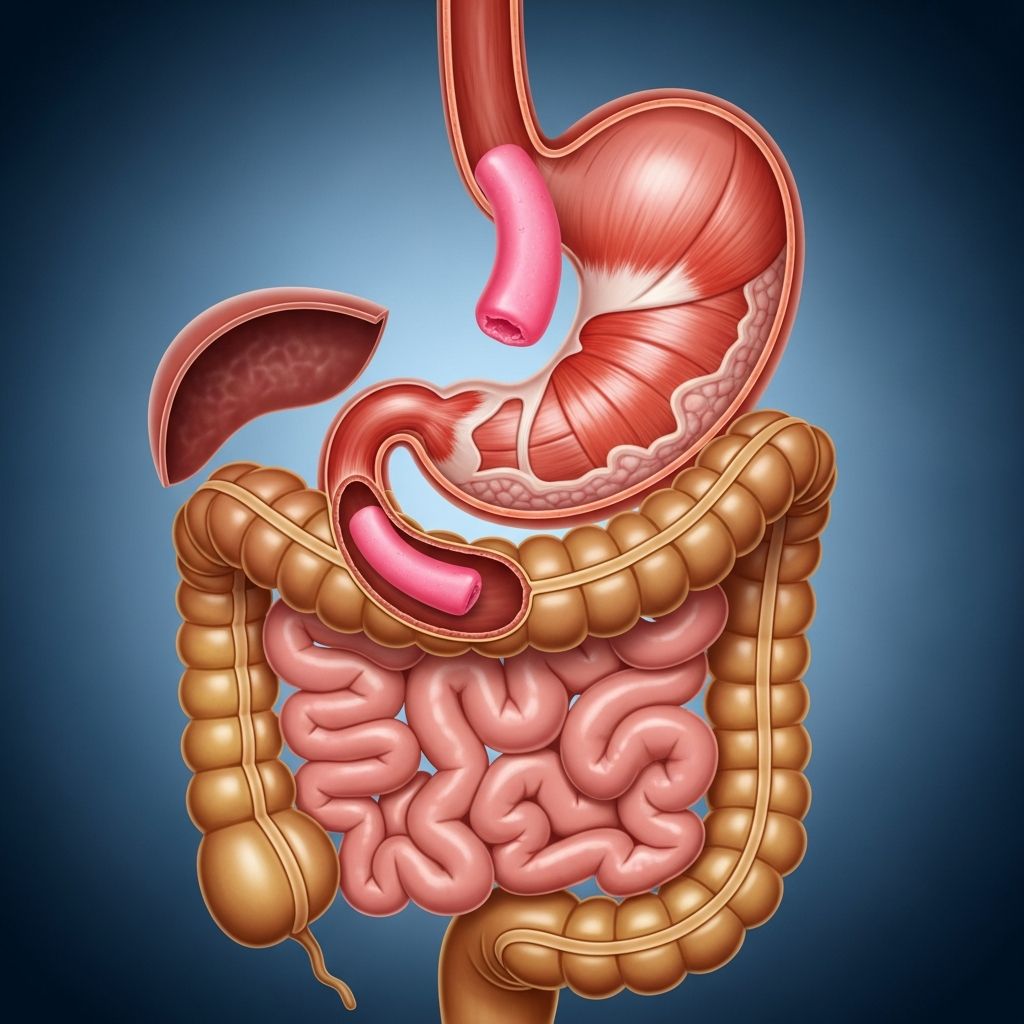
Almost everyone has accidentally swallowed a piece of gum at some point, whether during a laugh with friends, a sports game, or while trying to talk and chew at the same time. The moment it slides down your throat, that old warning might pop into your head: “It will stay in your stomach for seven years!” In reality, your body handles swallowed gum in a surprisingly simple way, and serious problems are rare.
This guide explains what gum is made of, what your digestive system actually does with it, when swallowing gum can become a problem, and how to enjoy gum safely without stressing about every chew.
What Chewing Gum Is Really Made Of
Chewing gum may taste like candy, but it behaves very differently inside your body. To understand what happens when you swallow gum, it helps to know what is actually in each piece.
Main components of gum
- Gum base: A rubbery, non-digestible material that gives gum its stretch and chewiness.
- Sweeteners: Sugar or sugar substitutes that add flavor and calories (or in sugar-free gum, sweetness without sugar).
- Flavorings: Mint, fruit, cinnamon, and other flavors that make gum taste good but eventually fade as you chew.
- Additives: Softeners and preservatives that keep gum flexible and shelf-stable.
Your body can break down and absorb some parts of gum, like certain sweeteners and flavorings, while the gum base itself largely passes through your system unchanged.
How Your Digestive System Handles Swallowed Gum
Even though gum feels different from regular food, your digestive system follows the same basic roadmap when you accidentally swallow it.
Step-by-step journey through your gut
- Down the esophagus: After you swallow, muscles in your throat and esophagus move the gum toward your stomach using wave-like squeezes called peristalsis.
- Into the stomach: Strong stomach acids and enzymes start breaking down food. Gum base resists this, but any sugars and some additives can still be absorbed.
- Small intestine: The mix of food, liquid, and gum moves on. Nutrients from other foods are absorbed here. Gum base mostly stays intact.
- Large intestine and exit: What your body cannot use (including the gum base) continues into the large intestine and eventually leaves your body in your stool.
The key point is that gum does not stick to the walls of your stomach or stay there for years. Instead, it moves along with other indigestible materials until it is passed out naturally.
The Truth Behind the “Seven-Year” Gum Myth
The idea that swallowed gum remains in your stomach for seven years is a myth, but it has stuck around because gum really is hard to digest. The confusion comes from mixing up “hard to digest” with “never leaves the body.”
In reality, the gum base travels through your digestive system much like high-fiber foods your body cannot completely break down. While it does not dissolve the way bread or fruit does, it is still pushed along by muscle movements in your digestive tract until it exits with other waste.
Normal vs. Risky Gum Swallowing
Swallowing a piece of gum once in a while is usually harmless. Problems are more likely when gum is swallowed in large amounts or combined with other things your body cannot digest.
Swallowing gum occasionally
- Accidentally swallowing a single piece is unlikely to cause trouble for a healthy person.
- Your body typically moves it through the digestive system within a few days, along with the rest of your stool.
- Most people will not notice any difference in how they feel after swallowing gum once or twice.
When swallowing gum becomes concerning
- Swallowing multiple pieces of gum in a short period of time.
- Regularly making a habit of swallowing gum instead of throwing it away.
- Swallowing gum along with other non-digestible objects, such as seed shells, coins, or plastic pieces.
In these situations, the sticky texture of gum and the presence of other solid, indigestible items can increase the risk of a blockage in the digestive tract.
Possible Digestive Problems from Too Much Gum
Serious complications from swallowed gum are uncommon, but they can happen, especially in younger children or anyone who swallows many pieces over a short time. Understanding the possible risks can help you know when it is time to take symptoms seriously.
Intestinal blockage (obstruction)
An intestinal blockage occurs when something prevents food, liquid, and gas from moving normally through the intestines. A large clump of gum, especially if mixed with other indigestible objects, can, in rare cases, contribute to this kind of blockage.
Symptoms of a possible intestinal blockage may include:
- Persistent or severe stomach or abdominal pain.
- Swelling or visible bloating of the abdomen.
- Constipation or inability to pass gas.
- Vomiting or feeling extremely nauseated.
- A feeling of extreme fullness that does not improve.
Intestinal blockages are a medical emergency. They usually require evaluation by a doctor, and in some cases, surgery may be needed to remove the blockage.
Milder digestive effects
Even when a full blockage does not occur, swallowing large amounts of gum can still contribute to uncomfortable symptoms.
- Mild stomach cramping or discomfort.
- Temporary constipation.
- Feeling unusually full if a large wad of gum is stuck in the stomach for a short time before it moves on.
These effects are far less serious than a true obstruction, but they are another reason not to make gum swallowing a habit.
Gum, Sweeteners, and Your Overall Health
Gum affects more than just your digestive tract. Ingredients like sugar, artificial sweeteners, and sometimes added substances such as caffeine or nicotine (in special gums) can have their own health impact.
Sugary gum
- Contains calories that can add up if you chew multiple pieces daily.
- Can promote tooth decay and cavities if you do not brush and floss regularly.
- May contribute to weight gain if consumed in large amounts along with other sugary snacks.
Sugar-free gum
- Uses sugar substitutes that typically do not cause cavities in the same way as sugar.
- Certain sweeteners, when eaten in large quantities, may lead to bloating, gas, or loose stools in some people.
- Still should not be swallowed on purpose, even if it contains fewer calories.
Gums with added medicines or supplements (like nicotine gum) are designed for chewing, not swallowing. Swallowing these repeatedly could change how the medicine is absorbed and should be discussed with a healthcare professional.
Quick Reference Table: Swallowing Gum and Your Body
| Situation | What Usually Happens | Risk Level | What You Should Do |
|---|---|---|---|
| Accidentally swallow one small piece of gum | Passes through the digestive system and exits in stool within a few days. | Low for most healthy people. | Generally no action needed unless other symptoms appear. |
| Swallow several pieces in a short time | Gum may clump with other material and move slowly through intestines. | Moderate; risk increases if combined with other indigestible objects. | Watch for pain, vomiting, or constipation and seek care if they develop. |
| Frequent habit of swallowing gum every day | Material can build up and, in rare cases, contribute to blockage. | Higher over time, especially in young children. | Stop swallowing gum and talk with a healthcare provider about the habit. |
| Swallow gum plus non-food items (shells, coins) | Gum may act like glue around other objects inside the intestines. | Significant; greater chance of obstruction. | Contact a doctor promptly, especially if any abdominal symptoms appear. |
Healthy Gum Habits for Teens
Gum can be part of a normal routine, especially for fresh breath or to stay focused in certain situations. The key is to treat it as something to enjoy responsibly, not something to swallow.
Smart chewing tips
- Chew gum only when you can pay attention to what you are doing (not while running, wrestling, or playing intense sports).
- Choose sugar-free gum if you tend to chew daily, to protect your teeth.
- Avoid chewing huge wads made from many pieces at once.
- Spit gum into a tissue or wrapper and throw it in the trash when you are done.
Protecting your teeth and braces
- Follow your dentist or orthodontist’s rules about gum if you have braces, aligners, or other dental devices.
- Brush thoroughly after meals and before bed, especially if you like flavored or sweet gum.
- Remember that gum is not a substitute for brushing, flossing, or regular dental visits.
When to Get Medical Help After Swallowing Gum
Most of the time, swallowing a small piece of gum does not require a trip to the doctor. However, it is important to recognize symptoms that might signal something more serious.
Warning signs to watch for
- Severe or worsening abdominal pain that does not go away.
- Repeated vomiting or inability to keep fluids down.
- Noticeable abdominal swelling or a hard, distended belly.
- No bowel movements or gas for an unusually long time, especially if you feel uncomfortable.
- Blood in vomit or stool, or intense cramping.
If you or someone you know swallowed a lot of gum or swallowed gum along with other objects and then develops these symptoms, it is important to seek medical attention quickly. Early treatment can prevent complications from becoming more serious.
Helping Younger Kids Avoid Problems
Even if you fully understand how gum works, younger siblings or children you babysit might not. They may see gum as candy and be more likely to swallow it repeatedly or mix it with other non-food items.
Simple ways to keep gum safe around kids
- Offer gum only to children who are old enough to understand that gum is for chewing, not swallowing.
- Stay nearby the first few times a young child chews gum, and gently remind them not to swallow it.
- Store gum out of reach of toddlers who might try to eat several pieces like candy.
- Explain in simple language that the body cannot use gum the way it uses food, so it needs to be thrown away after chewing.
SEO-Optimized FAQs About Swallowing Gum
Does swallowed gum really stay in your stomach for seven years?
No. Swallowed gum does not remain in your stomach for seven years. While your body cannot break down the gum base the same way it digests most foods, normal muscle movements in your digestive tract keep things moving. The gum travels through your intestines along with other waste and is eventually passed out in your stool, usually within a few days.
Is swallowing a piece of gum dangerous?
For most healthy people, swallowing a single piece of gum by accident is not dangerous. Your body moves it along the digestive tract and gets rid of it naturally. The risk becomes greater if someone swallows multiple pieces in a short period of time or makes a habit of swallowing gum instead of spitting it out, especially if other non-food items are swallowed too.
Can chewing gum cause an intestinal blockage?
In rare cases, large amounts of swallowed gum, particularly when combined with other indigestible objects, can contribute to a blockage in the intestines. This kind of obstruction is serious and usually comes with symptoms like strong stomach pain, vomiting, constipation, and abdominal swelling. Anyone with these symptoms after swallowing a lot of gum should seek medical help right away.
What should I do right after I swallow gum?
If you accidentally swallow one piece of gum and feel fine, you usually do not need to do anything special. Drinking water and continuing your normal activities are typically enough. Over the next day or two, pay attention to how you feel; if you develop strong pain, vomiting, or trouble going to the bathroom, then it is important to contact a healthcare professional.
Is sugar-free gum safer to swallow than regular gum?
Sugar-free gum is generally better for your teeth because it does not feed cavity-causing bacteria the same way sugary gum does, but it is not meant to be swallowed either. The gum base in sugar-free and regular gum is similarly difficult for your body to digest. Some sugar-free sweeteners can also cause gas or diarrhea when consumed in large amounts, so it is best to chew sugar-free gum for fresh breath and then throw it in the trash instead of swallowing it.
How can I teach younger kids not to swallow gum?
Start by explaining that gum is different from candy: it is for chewing only, not for eating. Offer gum only when you can supervise, especially with younger children, and remind them to spit it into a tissue or wrapper when they are done. Keeping gum out of reach when you are not around and modeling good habits yourself also helps children understand that swallowing gum is not the goal.
Key Takeaways About Swallowing Gum
- Accidentally swallowing a piece of gum once in a while is usually harmless.
- The gum base does not digest, but it does move through your digestive system and exits with other waste.
- Serious problems are rare but can occur when large amounts of gum and other indigestible objects are swallowed.
- Chew gum safely by avoiding huge wads, not swallowing on purpose, and throwing it away when you are done.
- Seek medical help if you notice strong stomach pain, vomiting, constipation, or swelling after swallowing a lot of gum.