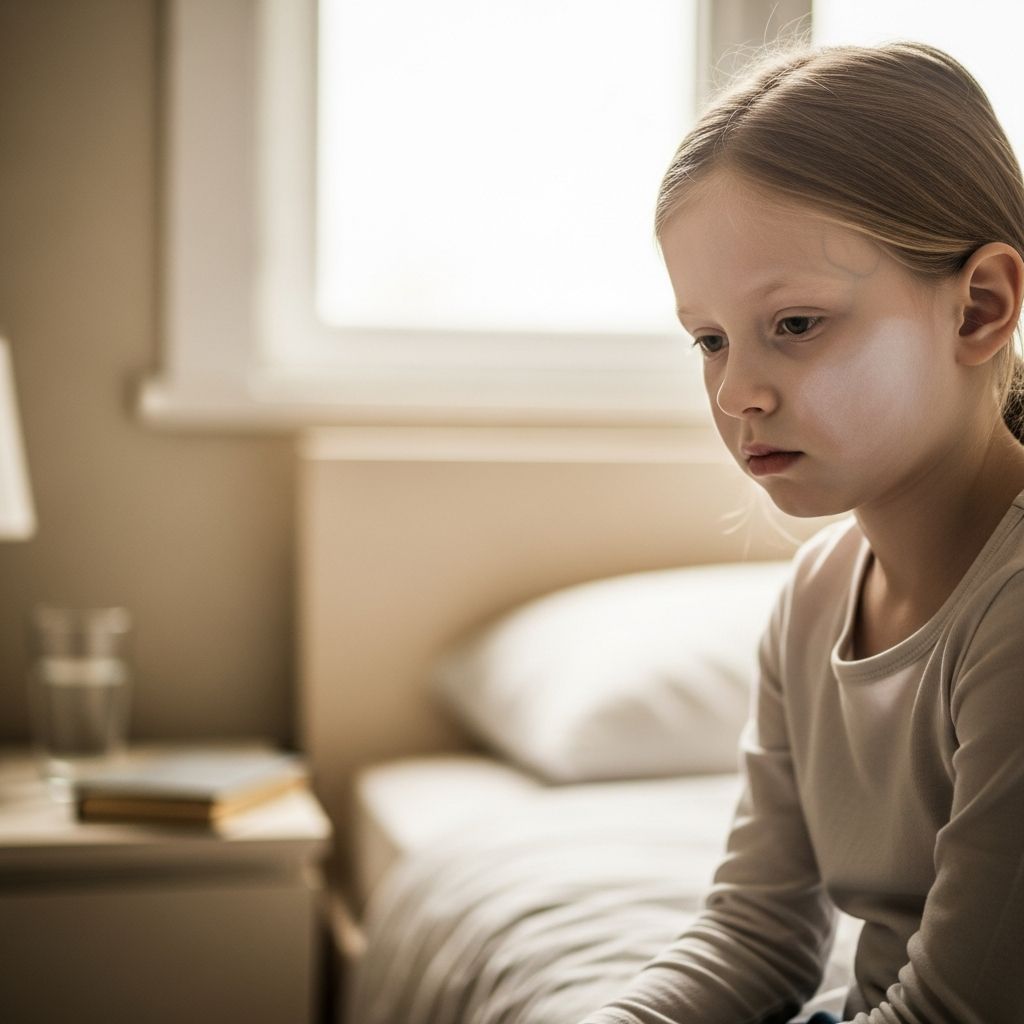
Observing a noticeable change in your young daughter’s skin tone can spark concern for any parent. Paleness, or pallor, refers to skin or mucous membranes appearing lighter than usual, often signaling variations in blood flow or red blood cell levels. While frequently benign, especially in fair-skinned children during winter months, persistent or sudden pallor warrants attention to rule out underlying issues.
Common Reasons for Paleness in Children
Many factors contribute to temporary paleness without posing health risks. Environmental influences play a significant role; reduced sunlight exposure in colder seasons can make light complexions appear even paler. Cold temperatures constrict blood vessels, reducing skin coloration temporarily.
Emotional responses like fear or stress also trigger pallor by diverting blood from the skin’s surface. Fatigue from growth spurts, poor sleep, or minor illnesses can similarly affect appearance. In toddlers and preschoolers, these are everyday occurrences that resolve naturally.
- Seasonal changes: Less sun leads to diminished tanning.
- Cold exposure: Vasoconstriction lightens skin tone.
- Emotional states: Anxiety or excitement causes fleeting pallor.
- Dehydration or low energy: Mild cases from play or illness.
When Paleness Signals Anemia
**Anemia** stands out as a primary medical cause of pallor in children, characterized by insufficient red blood cells to transport oxygen effectively. This condition manifests as pale skin, inner eyelids, tongue, and palms, often accompanied by tiredness and reduced activity.
Iron-deficiency anemia, the most prevalent type in young girls, arises from inadequate dietary iron, rapid growth demands, or absorption problems. Breastfed infants of vitamin B12-deficient mothers or children with picky eating habits are at higher risk.
| Type of Anemia | Common Causes in Girls | Key Symptoms |
|---|---|---|
| Iron-Deficiency | Poor diet, growth spurts | Fatigue, pale mucous membranes |
| Vitamin B12 Deficiency | Maternal deficiency, malabsorption | Irritability, developmental delays |
| Megaloblastic | Folate/B12 lack | Weakness, sore tongue |
Acute anemia from blood loss, such as nosebleeds or gastrointestinal issues, demands prompt evaluation.
Other Health Conditions Linked to Pallor
Beyond anemia, paleness accompanies various disorders. Infections like sepsis reduce blood flow systemically, causing widespread pallor alongside fever. Chronic illnesses, including early cancer signs such as leukemia, present with pallor, bruising, and fatigue—critical to recognize early.
Hemolytic anemias, where red cells break down prematurely, feature in hereditary conditions like spherocytosis or G6PD deficiency. These often involve jaundice, dark urine, and spleen enlargement. Hypoglycemia, marked by low blood sugar, induces dizziness and pallor, especially in undernourished children.
Circulatory problems, like arterial blockages in limbs, cause localized paleness with pain and coldness, though rare in toddlers. Nutritional gaps, frostbite, or shock from injury also contribute.
Recognizing Warning Signs in Toddlers and Preschoolers
Distinguish normal paleness from concerning signs by checking mucous membranes (lips, gums, eyelids) and palms—these reflect true anemia better than outer skin. Accompanying symptoms heighten urgency:
- Persistent fatigue or weakness
- Shortness of breath or rapid heartbeat
- Frequent dizziness or irritability
- Bruising, petechiae, or recurrent infections
- Yellowing of skin/eyes or dark urine
- Fever, poor appetite, or growth delays
Sudden, generalized pallor or limb-specific changes require immediate medical review.
Diagnostic Approaches for Pale Young Girls
Pediatricians start with a thorough history, covering diet, growth, family conditions, and recent illnesses. Physical exams assess vital signs, spleen size, and pallor extent.
Blood tests form the cornerstone: complete blood count (CBC) measures hemoglobin and red cell indices; reticulocyte count detects regeneration; blood smear identifies cell shapes. For nutritional anemias, serum ferritin, B12, and folate levels guide treatment.
Further tests like stool for occult blood or imaging probe chronic causes. In hemolytic suspicions, bilirubin and haptoglobin assays confirm breakdown.
Treatment Options and Home Management
Treatment targets the root cause. Iron-deficiency responds to oral supplements and iron-rich foods like spinach, red meat, and fortified cereals, often resolving pallor within weeks.
Vitamin deficiencies correct via B12 injections or folate orally; severe cases may need transfusions. Hemolytic disorders manage with monitoring, avoiding triggers (e.g., certain drugs in G6PD), or splenectomy in select cases.
Supportive home strategies include balanced nutrition, hydration, and sun-safe outdoor time. Monitor symptoms and follow up regularly.
Preventing Paleness Through Nutrition and Lifestyle
Proactive steps reduce risks. Offer diverse foods: iron from meats/beans paired with vitamin C for absorption; B12 from dairy/eggs. Regular check-ups catch issues early, especially during growth phases.
Encourage play for circulation, ensure sleep, and watch for allergies affecting intake. Breastfeeding mothers should verify their nutrient status.
Frequently Asked Questions About Paleness in Young Girls
Is paleness always a sign of anemia in toddlers?
No, it often results from cold, sun lack, or fatigue, but check mucous membranes if persistent.
When should I take my pale daughter to the doctor?
Seek care for weakness, breathlessness, bruising, fever, or if pallor affects palms/eyelids.
Can diet alone fix paleness from anemia?
Diet helps mild cases; supplements and medical oversight treat moderate to severe anemia.
Does paleness indicate leukemia in preschoolers?
Rarely, but combined with bruising, fatigue, or infections, it prompts urgent screening.
How long does treatment take for nutritional anemia?
Improvement appears in 1-4 weeks with proper therapy, full recovery in months.
Expert Insights on Long-Term Monitoring
Ongoing vigilance ensures health. Track growth charts, energy levels, and color changes. Educate on hereditary risks if family history exists. Early intervention prevents complications like developmental delays from B12 deficits.
For girls entering preschool, screen for picky eating exacerbating deficiencies. Collaborate with pediatricians for tailored plans.
In summary, while paleness often proves harmless, attentiveness empowers parents to safeguard their child’s well-being effectively.
References
- Paleness (Pallor): Causes, Symptoms, Diagnosis, and Treatment — Healthline. 2023. https://www.healthline.com/health/paleness
- The pale child: remember the basics and keep it simple — Medicine Today. 2017-04-01. https://medicinetoday.com.au/mt/2017/april/feature-article/pale-child-remember-basics-and-keep-it-simple
- Pale skin — Raising Children Network. 2023. https://raisingchildren.net.au/guides/a-z-health-reference/pale-skin
- Paleness — MedlinePlus Medical Encyclopedia. 2023. https://medlineplus.gov/ency/article/003244.htm
- Pallor (Paleness): Causes, Diagnosis & Treatment — Cleveland Clinic. 2023. https://my.clevelandclinic.org/health/diseases/pallor
- Megaloblastic Anemia in Children — Nationwide Children’s Hospital. 2023. https://www.nationwidechildrens.org/conditions/health-library/megaloblastic-anemia-in-children