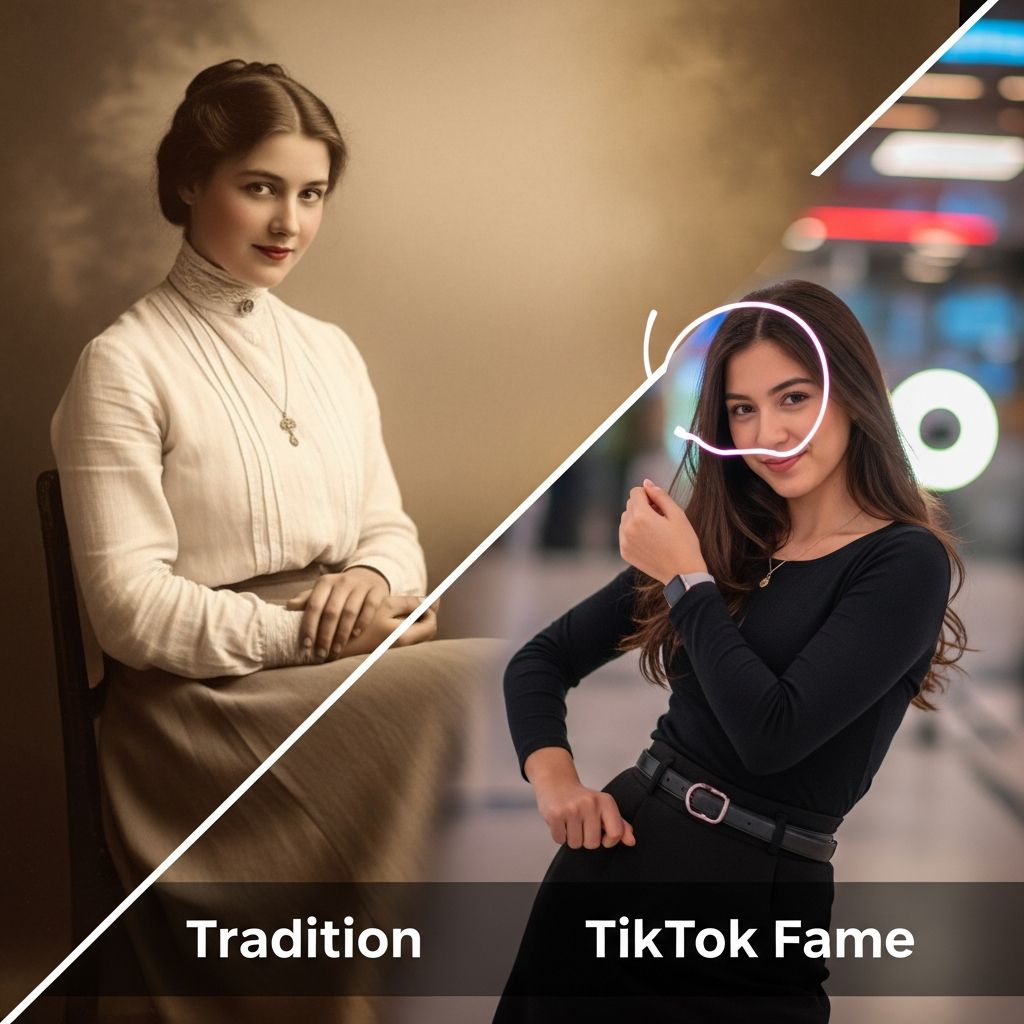
The word demure has surged back into everyday conversations, largely thanks to social media platforms like TikTok. Once a term associated with quiet elegance and restraint, it now carries layers of irony and humor in online trends. This article delves into its historical roots, contemporary slang usage, cultural implications, and how parents can use it as a teaching moment for digital literacy and self-expression.
The Historical Essence of Demure
At its core, demure describes a demeanor marked by modesty, shyness, and polite reserve. Linguists trace its origins to Old French ‘demorer,’ meaning to delay or linger, evolving in English by the 14th century to signify composed behavior, especially in women. During the Victorian era, it embodied the ideal of feminine propriety—think soft-spoken ladies in high-necked gowns, avoiding bold gestures or outspokenness.
In literature, characters like Jane Eyre exemplify demure qualities: thoughtful, unassuming, yet inwardly strong. This archetype persisted through the 20th century, often tied to social expectations of gender roles. Dictionaries from Oxford English Dictionary define it as ‘reserved, modest, affectedly modest; quiet, shy.’ Such definitions highlight a deliberate subtlety, contrasting with today’s expressive digital culture.
- Key traditional traits: Subdued speech, minimal eye contact in formal settings, graceful posture.
- Cultural context: Linked to etiquette guides like Emily Post’s works, emphasizing decorum in social interactions.
- Evolution hint: By mid-20th century, it began fading as feminism challenged restrictive norms.
How TikTok Transformed Demure into a Viral Sensation
The modern revival began in summer 2024 with TikTok creator Jools Lebron, whose video proclaiming ‘I am demure’ while applying subtle makeup amassed millions of views. Lebron’s clip satirized workplace modesty—’very demure, very mindful’—juxtaposing the word against everyday indulgences like eating tacos messily. This irony flipped the script: users now invoke demure to mock or exaggerate restraint.
The trend exploded, spawning duets, stitches, and challenges. Videos range from genuine attempts at demure makeup (nude lips, natural brows) to absurd opposites, like loud outbursts labeled ‘not demure.’ By late 2024, #demure garnered over a billion views, blending humor with commentary on societal pressures.
| Traditional Demure | TikTok Demure |
|---|---|
| Quiet confidence | Ironic exaggeration |
| Modest attire | Playful subversion |
| Social reserve | Viral satire |
This shift reflects Gen Z’s penchant for reclaiming outdated terms, similar to ‘brat summer’ or ‘rizz.’ Experts note it empowers users to critique gender norms humorously.
Cultural Layers: Gender, Identity, and Social Commentary
Beneath the fun lies deeper discourse. The trend spotlights how ‘demure’ once policed women’s behavior—be seen, not heard—echoing historical expectations. Lebron’s videos nod to this, using humor to subvert it. Participants, often young women, perform ‘demure’ acts like sipping tea mindfully, then pivot to bold actions, highlighting performative femininity.
LGBTQ+ creators have adapted it, exploring fluidity in expression. Meanwhile, brands jumped in: makeup lines promote ‘demure palettes,’ while fashion adapts with ‘quiet luxury.’ Critics argue it risks trivializing real modesty debates, but proponents see it as vocabulary revival—prompting Google searches and dictionary dives.
- Influence on beauty: Rise in ‘clean girl’ aesthetics—dewy skin, low-key glam.
- Social ripple: Sparks talks on authenticity vs. performance online.
- Global reach: Translations like Spanish ‘recatada’ fuel international versions.
Implications for Parenting in the Slang Era
For parents, demure’s resurgence offers a gateway to discuss slang’s fluidity. Kids encounter it via For You Pages, often without context, leading to misuse or confusion. Use it to teach critical thinking: What does the word truly mean? How does tone alter intent?
Monitor exposure mindfully. Platforms evolve fast; what’s humorous today may shift tomorrow. Encourage open dialogues: Share historical uses, watch trend videos together, decode satire. This builds media literacy, helping children navigate peer pressure and self-image.
Practical Strategies for Families
- Family viewing sessions: Watch TikToks, pause to define terms and intent.
- Vocabulary games: Synonyms like ‘coy,’ ‘reserved’—make learning fun.
- Balance discussions: Explore when modesty aids vs. when expression matters.
- Digital boundaries: Set app limits, discuss privacy in trends.
Psychologists emphasize positive framing: Slang trends foster creativity, but grounding in meanings prevents miscommunication. Recent studies from Pew Research show 70% of teens learn words via social media, underscoring parental involvement.
Demure in Fashion and Lifestyle Choices
Beyond screens, demure inspires wardrobes: high-neck blouses, midi skirts, pearl accessories evoke understated chic. Influencers blend it with modern twists—structured blazers over slips. Lifestyle-wise, it promotes intentional living: mindful eating, selective socializing.
In parenting, model demure traits like calm responses during tantrums. It teaches poise amid chaos, valuable for child development. Balance with encouragement of assertiveness to avoid stifling growth.
Potential Pitfalls and Balanced Perspectives
Not all views are rosy. Some decry the trend as reinforcing stereotypes, urging women back to submissiveness. Others worry it confuses younger audiences about behavioral norms. Yet, data from linguistic analyses shows slang like this democratizes language, enriching vocabularies.
Parents should address body image links: Makeup-focused videos can pressure perfection. Promote diverse representations, affirming all expressions.
Frequently Asked Questions About Demure
What is the exact definition of demure?
Demure means reserved, modest, and shy, often with a hint of coyness. In slang, it’s used ironically for humorous effect.
Who started the demure TikTok trend?
Jools Lebron popularized it with a viral video on subtle makeup and mindful behavior at work.
Is demure only for women?
Traditionally yes, but modern usage includes all genders, challenging norms playfully.
How can parents discuss demure with kids?
Watch videos together, explain origins, and relate to real-life poise and confidence.
Will the demure trend last?
Trends fade, but revived words like this often stick in pop culture lexicon.
Embracing Demure Mindfully Today
Whether traditional or trendy, demure invites reflection on how we present ourselves. For families, it’s a tool for connection—bridging generational gaps through shared laughs and lessons. As social media evolves, staying informed empowers positive engagement.
References
- The ‘Demure’ TikTok Trend: What does it mean? — FOX 26 Houston (YouTube). 2024-08-15. https://www.youtube.com/watch?v=7luaMsJGLu4
- “Demure” Meaning in 2025: Examples & Safety Tips for Parents — Safes.so. 2025-01-10. https://www.safes.so/blogs/what-is-demure-in-slang/
- Teens, Social Media and Technology 2024 — Pew Research Center. 2024-12-12. https://www.pewresearch.org/internet/2024/12/12/teens-social-media-and-technology-2024/
- Oxford English Dictionary: Demure — Oxford University Press. 2025-01-01 (updated). https://www.oed.com/dictionary/demure_adj
- Merriam-Webster Dictionary: Demure — Merriam-Webster. 2025-01-05 (updated). https://www.merriam-webster.com/dictionary/demure