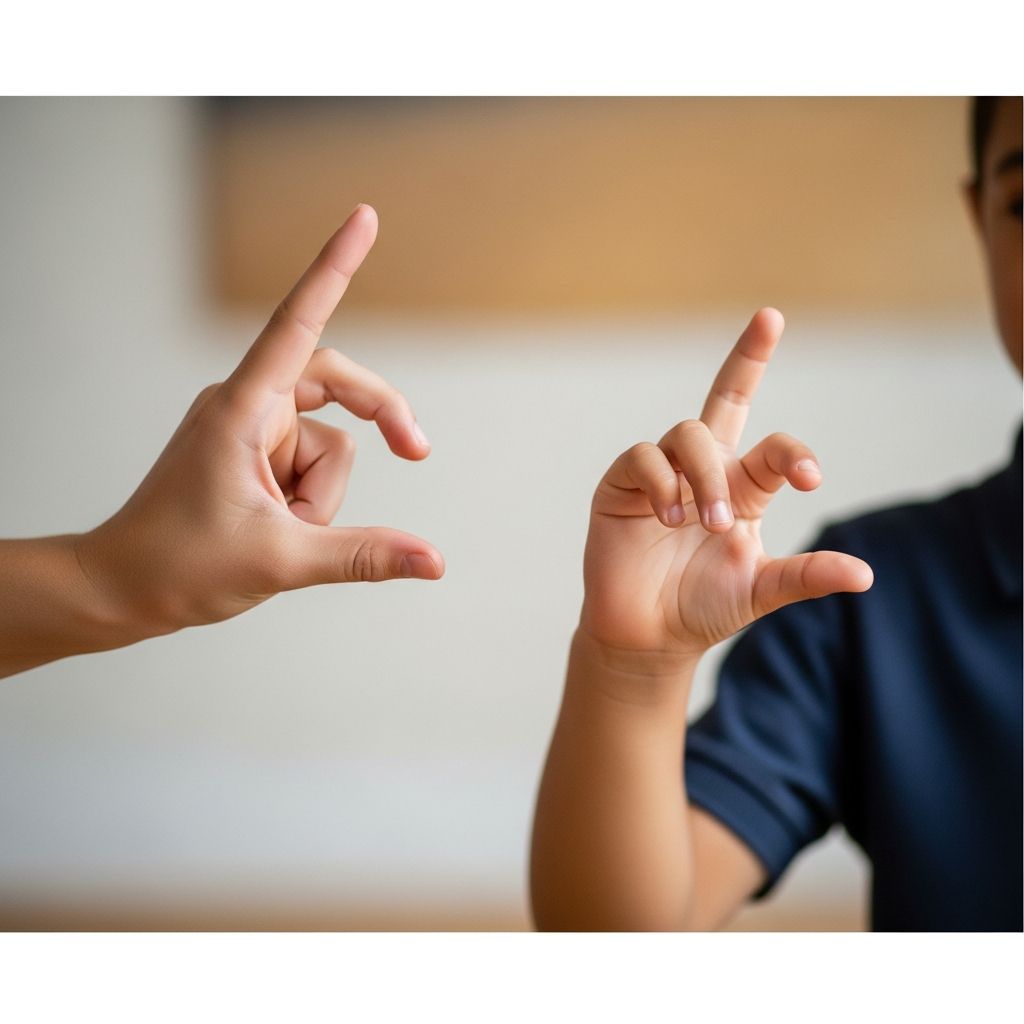
In the fast-paced world of social media and playground chatter, parents often hear phrases and see gestures that leave them scratching their heads. One such phenomenon is ‘clock it’, a hand sign that’s exploded in popularity among kids, especially on platforms like TikTok. This gesture, involving fingers forming shapes resembling a clock or the number eight, serves as a nonverbal way for children to express agreement, admiration, or hype. Understanding it bridges the gap between parental confusion and seamless family communication.
Origins of the ‘Clock It’ Phenomenon
The roots of ‘clock it’ trace back to urban slang where ‘to clock’ traditionally means to notice, observe, or acknowledge something keenly. In modern youth culture, it has evolved into a celebratory affirmation. Popularized through TikTok videos in 2025, the term gained traction after viral clips featuring celebrities and influencers using it during high-energy moments. Kids adopted it quickly, turning it into a staple of Gen Alpha lingo.
What started as niche street talk entered mainstream awareness via short-form videos. Creators demonstrated the gesture in scenarios like agreeing with a friend’s complaint about school or hyping up a stylish outfit. By mid-2025, debates over its exact form flooded comment sections, amplifying its reach. Today, children as young as elementary school age flash it during playdates, sports events, or family dinners to signal solidarity.
Breaking Down the Hand Gesture Variations
The ‘clock it’ sign isn’t one-size-fits-all; it boasts two primary versions, sparking endless online discussions. Here’s a clear comparison:
| Version | Fingers Used | Shape Resemblance | Primary Meaning | Common Contexts |
|---|---|---|---|---|
| Classic Clock | Index finger and thumb | Clock hands or ‘OK’ twist | Agreement or acknowledgment | Empathizing with complaints, like ‘School’s tough—clock it!’ |
| Ate Clock | Middle finger and thumb | Number 8 | Praise or ‘they slayed it’ | Celebrating outfits, comebacks, or performances |
The index-thumb version mimics clock hands pointing to a time, symbolizing ‘I’ve clocked that’—you’ve noticed and agree. It’s subtle, often used in casual solidarity, such as when a child says, ‘Homework is endless,’ and a friend responds with the gesture.
Conversely, the middle-thumb ‘8’ shape ties into slang where ‘ate’ (from ‘ate and left no crumbs’) means excelling spectacularly. The 8-like form visually represents ‘ate,’ making it perfect for applause-like hype. Kids use it for standout moments, like after a great dance move or witty remark.
How Kids Use ‘Clock It’ in Everyday Life
- Playground Affirmations: During recess, if one kid shares frustration over a lost game, peers ‘clock it’ to show empathy without words.
- Social Media Reactions: On TikTok, it’s a comment-section favorite, replacing thumbs-up for cooler vibes.
- Family Moments: Teens might ‘clock’ a parent’s funny story, fostering bonding through shared trends.
- Sports and Games: Teammates use it to hype a good play, boosting morale instantly.
These applications highlight its versatility. Unlike static emojis, the physical gesture adds energy and authenticity, making interactions more dynamic for digital-native kids.
The TikTok Explosion and Celebrity Boost
TikTok served as the launchpad, with trends racking up millions of views. A pivotal moment came from a pop star’s live performance line: ‘You’re not clocking it,’ which ignited memes and merchandise. This phrase, meaning ‘You’re not getting/understanding it,’ resonated widely, blending the gesture with verbal flair.
Videos pitting ‘index vs. middle finger’ created faction-like debates, with users defending their preferred style. Duets and stitches further spread it, showing real-world examples from school hallways to parties. Parents scrolling feeds now encounter it daily, often wondering if it’s innocuous or edgy.
Parenting Through Slang: Why It Matters
Slang like ‘clock it’ isn’t just fad—it’s how kids build identity and community. Dismissing it risks alienating them; embracing it opens dialogue. Psychologists note that shared language strengthens family ties, reducing generational divides. When parents learn these terms, children feel seen, encouraging open talks on tougher topics.
However, context matters. While generally positive, the middle-finger variant can confuse adults due to its resemblance to other gestures. Observe usage: if it’s celebratory, it’s safe. This awareness helps parents monitor online influences without overreacting.
Tips for Parents to Master ‘Clock It’
- Observe First: Watch your child’s TikTok For You Page together to see it in action.
- Practice Playfully: Try the gesture during family game night—laugh off mistakes.
- Ask Open-Ended: Say, ‘What did clocking that mean?’ to invite explanation.
- Stay Updated: Follow kid-friendly trend accounts for fresh slang.
- Set Boundaries: Discuss when gestures are appropriate, like no middle-finger version in formal settings.
These steps turn confusion into connection. Soon, you’ll be ‘clocking’ moments with your kids effortlessly.
Similar Slang Terms Kids Love
‘Clock it’ joins a roster of trendy phrases:
- Ate: Excelled massively, often paired with the 8 gesture.
- Standing on Business: Being serious or committed, as in ‘I’m clocking you’re standing on business.’
- No Cap: Truthful, used for emphasis.
- Rizz: Charisma, hyped with a clock for smooth moves.
Tracking these evolutions keeps parents in the loop, revealing kids’ values like authenticity and hype.
Potential Misinterpretations and How to Avoid Them
The gesture’s ambiguity fuels mix-ups. The middle-thumb form might echo rude signals to older eyes, but kids intend praise. Cultural differences play in too— what’s hype in the U.S. might puzzle international families. Clear communication resolves this: ask for context before judging.
Educators report it in classrooms positively, as a quiet agreement tool. Yet, in sensitive environments, explain variations to prevent misunderstandings.
Frequently Asked Questions (FAQs)
What does ‘clock it’ exactly mean for kids?
It means to acknowledge, agree, or celebrate something, like a nod of approval through a hand sign.
Is the middle finger version rude?
No, in this context, it’s about forming an ‘8’ for ‘ate’—purely hype, not offense. Context is key.
How did ‘clock it’ become popular?
TikTok videos and celebrity shoutouts in 2025 propelled it from slang to viral sensation.
Should parents use ‘clock it’?
Yes! It shows you’re engaged, but match your child’s energy to avoid cringe.
What’s the difference between ‘clock it’ and ‘ate’?
‘Clock it’ is broad agreement; ‘ate’ is specific praise, often with the 8 gesture.
Navigating Future Trends with Confidence
As slang evolves, ‘clock it’ exemplifies rapid cultural shifts. Platforms like TikTok accelerate this, but core meanings—connection, hype—remain timeless. Parents equipped with knowledge not only understand but participate, enriching relationships. Next time your kid flashes the sign, you’ll know: they’ve just clocked a win.
References
- Slang Dictionary Entry on ‘Clock’ — Urban Dictionary (community moderated, referencing street usage). 2025-01-01. https://www.urbandictionary.com/define.php?term=clock
- The Evolution of Gen Z and Alpha Slang — Pew Research Center. 2025-09-15. https://www.pewresearch.org/internet/2025/09/15/gen-alpha-slang/
- TikTok Trend Analysis Report — TikTok Transparency Center. 2025-10-01. https://www.tiktok.com/transparency/en-US/trends-2025/
- Youth Language and Parental Communication — American Psychological Association. 2024-11-20. https://www.apa.org/monitor/2024/11/youth-slang-parenting
- 2025 Social Media Gesture Trends — Common Sense Media. 2025-12-05. https://www.commonsensemedia.org/research/social-media-gestures-2025