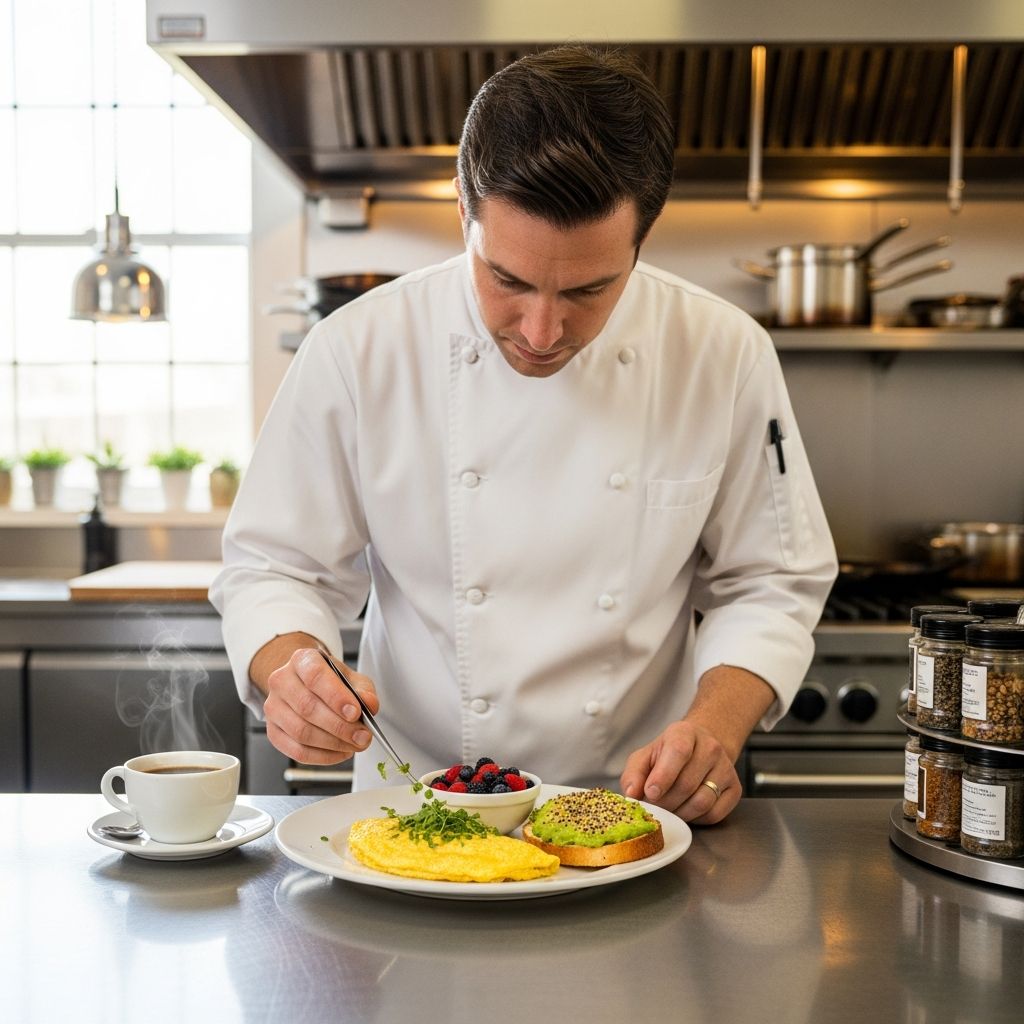
The Culinary Perspective on Starting Your Day Right
Professional chefs understand food in ways that extend beyond restaurant kitchens. They recognize the fundamental connection between morning nutrition and overall performance throughout the day. When chefs approach their personal breakfast routines, they often apply the same principles they use in their professional work: quality ingredients, proper technique, and mindful preparation. However, the reality of how chefs actually eat breakfast often differs significantly from public perception. Many work demanding schedules that make elaborate morning preparations impractical on weekdays, leading them to develop efficient strategies that still maintain nutritional value.
Understanding the Weekday Efficiency Model
The contrast between weekday and weekend breakfast patterns in professional chef households reveals a pragmatic approach to meal planning. During the work week, when time constraints are tightest, many chefs prioritize speed without completely sacrificing nutrition. This pragmatic philosophy stems from understanding how different meals affect energy levels and kitchen performance. A chef starting a long shift needs sustained energy rather than a sugar spike followed by an energy crash.
Quick breakfast options that chefs favor during busy weekdays typically involve minimal preparation time while maintaining protein and whole grain components. Coffee becomes a cornerstone of the morning routine, often consumed while addressing other morning responsibilities. The beverage serves both as a caffeine source and a ritualistic element that signals the transition from personal to professional time. Some chefs prepare their coffee with the same attention to detail they apply to restaurant operations, viewing the brewing process as an extension of their culinary craft.
Light protein sources like yogurt, granola combinations, or quick egg preparations represent the typical weekday approach. These options provide sustained energy without the heaviness that could compromise comfort during physically demanding kitchen work. The strategic selection of these foods reflects an understanding of how digestion and metabolism interact with occupational demands.
The Weekend Breakfast Transformation
The shift from weekday to weekend breakfast represents a fundamental change in approach and intention. When professional chefs have control over their schedule and aren’t rushing to kitchen duties, they treat breakfast as an opportunity for culinary expression and family connection. This transformation demonstrates that breakfast preparation itself becomes a valued activity rather than a task to complete.
Weekend breakfasts often showcase techniques and ingredients that wouldn’t be practical during rushed mornings. Elaborate preparations like French toast made from specialty breads, carefully composed egg dishes with multiple components, and house-made accompaniments become vehicles for both creativity and togetherness. The time investment in these meals reflects priorities that extend beyond nutrition into cultural and relational dimensions of eating.
Many chef households report that weekend breakfast becomes their favorite shared meal of the week. The combination of adequate time, quality ingredients, and absence of work pressure creates an environment where cooking and eating together becomes genuinely enjoyable rather than obligatory. This pattern suggests that breakfast’s significance within professional chef families extends well beyond simple fuel consumption.
The Foundation Proteins and Their Applications
Eggs emerge as the most versatile and consistently favored breakfast component across virtually all professional chef approaches. The egg’s nutritional density, combined with its remarkable adaptability to countless preparation methods, explains this widespread preference. Chefs recognize that eggs can be prepared in minutes or transformed into elaborate dishes depending on available time and ingredients.
The cooking method itself carries significance in professional kitchens. Soft scrambling techniques preserve the yolk’s creaminess and nutritional properties, while over-easy preparations maintain structural integrity for plating purposes. Some chefs develop signature methods that reflect their broader culinary philosophy and training background. The attention to egg preparation detail demonstrates that even simple breakfast components warrant professional consideration.
Beyond eggs, other protein components appear regularly in chef breakfast routines:
- Smoked or cured meats that add flavor complexity without requiring cooking
- Quality cheese selections that contribute both protein and richness
- Greek yogurt or kefir options for gut health and sustained energy
- Fish preparations on special occasions that showcase seafood quality
- Legume-based components that provide plant-based protein alternatives
Bread and Grain Selection Strategy
Professional chefs approach bread and grain choices with intentionality that reflects broader nutritional and flavor philosophies. Rather than viewing bread as a neutral carrier, chefs often select specific grain compositions that contribute meaningfully to the overall dish. Whole grain selections, sourdough fermentations, and specialty bread types all appear regularly in chef breakfast preparations, suggesting a deliberate choice rather than default behavior.
The popularity of avocado toast among professional chefs deserves specific attention, as this simple preparation demonstrates how quality ingredients and proper technique elevate basic components. The selection of bread type, avocado ripeness, seasoning approach, and any additional garnishes transforms a simple dish into something that reflects culinary knowledge. This pattern suggests that even quick breakfast preparations benefit from professional-level ingredient awareness.
Some chefs utilize leftover or specialty breads to create waste-reduction preparations that align with sustainable kitchen practices. Sourdough waffles made from leftover starter exemplify how professional knowledge extends into personal kitchen efficiency. The home kitchen becomes a space for applying professional principles around ingredient utilization and creative problem-solving.
The Role of Fresh Produce and Seasonal Awareness
Professional chefs’ breakfast routines frequently feature fresh fruits and vegetables in ways that extend beyond typical preparation methods. Rather than simply adding berries to yogurt, chefs might select specific berry varieties based on ripeness, flavor profile, and optimal pairing with other components. This awareness reflects professional training in flavor composition and sensory analysis.
Seasonal consciousness influences chef breakfast choices more substantially than in typical household eating patterns. Access to premium seasonal produce through professional networks often translates into elevated personal breakfast experiences. Some chefs prioritize farmers market visits specifically to secure ingredients for weekend breakfast preparations, treating this shopping activity as an extension of their professional work.
Fresh vegetables appear in unexpected breakfast applications within professional chef households. Heirloom tomatoes, roasted peppers, and fresh greens move beyond simple side dishes to become primary components in composed breakfast plates. This approach demonstrates how professional culinary training fundamentally shapes food choices across all meal occasions.
Beverage Choices Beyond Simple Caffeine
Coffee consumption patterns among professional chefs reveal nuanced relationships with caffeine and beverage preparation. While coffee appears ubiquitously in chef breakfast routines, the approach to coffee itself varies considerably. Some chefs treat coffee preparation with meticulous attention, mirroring specialty coffee industry standards. Others view coffee primarily as functional caffeine delivery without requiring elaborate preparation.
Interestingly, not all chefs prioritize coffee as their morning caffeine source. Some prefer alternative approaches like hot chocolate or even direct caffeine supplementation, suggesting that personal preference overrides industry convention. This diversity indicates that despite profession-wide coffee culture, individual variation remains substantial.
Hydration components beyond coffee also appear in professional chef breakfast routines. Freshly pressed juices, sparkling water, and herbal beverages supplement or occasionally replace coffee, reflecting health awareness and varied taste preferences. The selection of beverages demonstrates how breakfast composition extends beyond food into complete nutritional strategy.
Special Occasion and Celebration Breakfasts
The distinction between regular breakfast and special occasion breakfast within professional chef households highlights the cultural significance of meal preparation. These elevated occasions often feature indulgent preparations that wouldn’t appear during routine weekdays, serving as treats within the household. Chocolate-studded brioche French toast, specialty sausage preparations, and other richly flavored dishes mark these occasions as distinct from ordinary morning routines.
The fact that leftover special breakfast preparations become valued lunch components suggests practical thinking about ingredient utilization. Cold sandwich applications from breakfast dishes reflect kitchen wisdom around maximizing ingredient value across multiple meals. This approach demonstrates how professional culinary thinking extends into home cooking efficiency.
Nutritional Philosophy Underlying Breakfast Choices
The aggregate breakfast patterns within professional chef households reflect underlying nutritional principles that guide their food choices. The consistent inclusion of protein, emphasis on whole grains, and integration of fresh produce align with contemporary nutritional science. However, the rationale for these choices often extends beyond generic health advice into performance-based thinking.
Chefs understand how different breakfast compositions affect afternoon energy levels, physical capability, and mental clarity during demanding work. This practical understanding drives food selections that might not appear in standard dietary guidelines but emerge from direct experiential knowledge. The sustained focus on eggs, quality proteins, and complex carbohydrates reflects this performance-oriented nutritional thinking.
Home Kitchen Equipment and Technique Application
Professional chefs frequently apply advanced techniques learned through training and restaurant experience to their home breakfast preparations. The translation of professional skills into personal kitchen contexts demonstrates how culinary knowledge fundamentally shapes food practices across all contexts. Equipment choices, technique precision, and ingredient quality standards remain consistent whether cooking professionally or personally.
The emphasis on proper egg cooking technique, for instance, reflects professional training in foundational culinary skills. Chefs maintain technique standards in personal kitchens that extend far beyond casual home cooking expectations. This commitment suggests that for professional chefs, cooking standards remain constant regardless of context or audience.
Balancing Indulgence with Health Consciousness
The breakfast patterns within professional chef households demonstrate sophisticated balance between indulgence and health orientation. Rather than viewing these as opposing forces, professional chefs integrate rich, flavorful preparations with nutritional awareness. Weekend special breakfasts satisfy creative and pleasure-oriented impulses while weekday routines maintain focus on performance nutrition.
This balanced approach rejects false dichotomies between “healthy” and “indulgent” eating. Instead, it suggests that meals can simultaneously satisfy multiple objectives: nutrition, pleasure, efficiency, and cultural significance. Professional chefs’ breakfast practices model how sophisticated food choices accommodate multiple values rather than optimizing for single objectives.
The Social and Relational Dimensions of Breakfast
Professional chef households demonstrate that breakfast functions as more than simple fuel consumption. The meal serves as a relational space where partners share time, cooking responsibilities, and food enjoyment. The emphasis on weekend breakfast as couples’ time reflects broader recognition of how meals facilitate connection and relationship building.
Breakfast becomes a context where professional cooking skills serve personal relationship objectives. The willingness to invest time and effort in weekend breakfast preparations reflects valuing togetherness and shared pleasure. This pattern suggests that for professional chefs, cooking extends naturally into personal life as an expression of care and attention.
Frequently Asked Questions
Q: Do professional chefs always eat elaborate breakfasts?
A: No. Most professional chefs maintain simple, efficient weekday breakfast routines that prioritize quick preparation. Elaborate breakfast preparations typically occur on weekends or special occasions when time pressures decrease.
Q: Why do chefs emphasize eggs in breakfast?
A: Eggs offer superior nutritional density, rapid preparation options, remarkable versatility, and suitability for both simple and elaborate preparations. Their adaptability makes eggs practical for accommodating varied time constraints and creative expression.
Q: How do professional chefs balance nutrition with convenience?
A: Professional chefs typically apply their culinary knowledge to create quick preparations that maintain nutritional value. They recognize which ingredients and cooking methods deliver sustained energy without requiring extensive time investment.
Q: Is coffee essential to professional chef breakfast routines?
A: While coffee appears frequently in professional chef households, it isn’t universal. Some chefs prefer alternative beverages or caffeine sources, suggesting individual preference varies despite profession-wide coffee culture.
Q: How do chefs apply professional skills to home breakfast?
A: Professional chefs maintain consistent technique standards, prioritize ingredient quality, and apply foundational culinary skills to home cooking. Their professional training fundamentally shapes food practices regardless of context.
References
- What Chefs Eat For Breakfast Slideshow — The Daily Meal. 2024. https://www.thedailymeal.com/eat/what-chefs-eat-breakfast-slideshow/
- My Husband Is A Professional Chef. Here’s What We Eat for Breakfast — Fatherly. 2024. https://www.fatherly.com/life/husband-professional-chef-what-we-eat-breakfast
- What Do Chefs Eat for Breakfast? — Edible Memphis. 2024. https://www.ediblememphis.com/what-do-chefs-eat-for-breakfast/
- Boost Your Morning Menu: With 27 Breakfast Trends for Chefs — The Wholesale Group. 2024. https://insider.thewholesalegroup.co.uk/articles/trends/27-breakfast-trends-for-chefs/