Joint dislocations occur when the bones in a child’s joint are forced out of their normal position, often due to trauma from play, sports, or accidents. This comprehensive guide equips parents with vital information on identification, medical response, healing processes, and strategies to minimize risks, drawing from pediatric expertise to promote informed caregiving.
Understanding the Anatomy of Child Joints
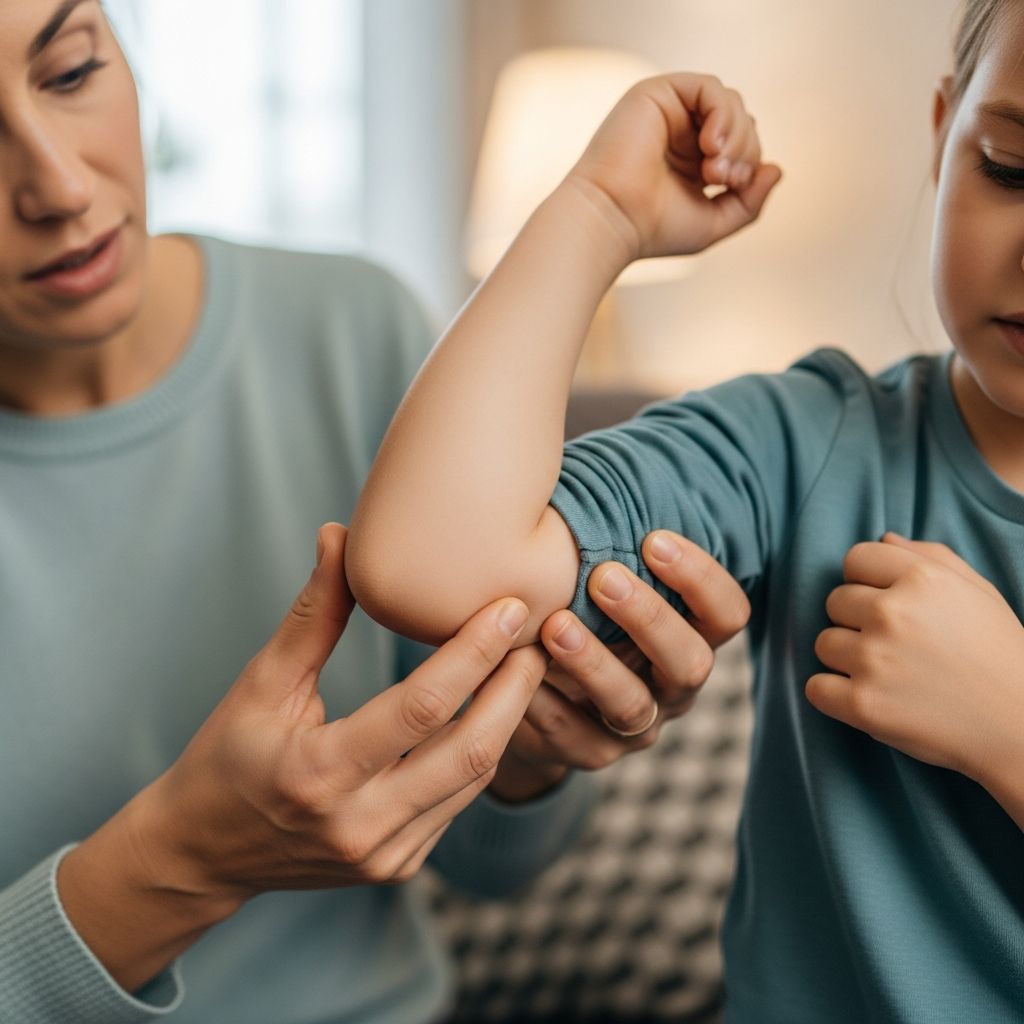
Children’s joints are marvels of flexibility, designed for growth and activity, but this makes them susceptible to misalignment under stress. Ligaments, the tough fibrous bands connecting bones, stabilize these joints. In ball-and-socket types like the shoulder or hip, excessive force can displace the ball-shaped bone head from its socket. Shoulders are particularly prone due to their wide range of motion and relatively shallow sockets in youth.
Unlike adults, kids’ bones and ligaments are still developing, which can lead to unique injury patterns. For instance, partial dislocations, or subluxations, may occur where the bone partially slips, while full dislocations completely separate the joint surfaces. Recognizing these differences helps parents gauge urgency.
Common Scenarios Leading to Dislocations in Kids
Dislocations rarely happen without significant impact. High-energy events push ligaments beyond limits, separating bone ends. Key triggers include:
- Sports-related impacts: Contact games like football, wrestling, or gymnastics where falls or tackles exert extreme force on shoulders or elbows.
- Falls during play: Toddlers tumbling from playground equipment or older kids slipping on uneven surfaces, often landing on outstretched arms.
- Accidental trauma: Bicycle crashes, skateboard mishaps, or car accidents delivering blunt force to joints.
- Repetitive strain: Overhead activities in swimming or throwing sports that loosen joints over time, leading to instability and eventual dislocation.
Shoulders top the list as the most frequent site, followed by elbows, fingers, and knees. Toddlers face risks from pulling or swinging by arms, while teens encounter issues in competitive athletics.
Spotting the Warning Signs Early
Prompt recognition prevents complications. Symptoms vary by child and injury severity but cluster around the affected area. Parents should watch for:
- Intense pain that worsens with movement.
- Visible swelling and bruising, sometimes with skin redness or warmth.
- Deformity, like a squared-off shoulder or unnatural limb angle.
- Impaired mobility, with the child unable to use or bear weight on the limb.
- Numbness, tingling, or weakness, signaling possible nerve or vessel involvement.
These signs mimic fractures or sprains, underscoring the need for professional evaluation. In toddlers, cries of distress, refusal to move the arm, or protective guarding are red flags.
| Feature | Dislocation | Fracture | Sprain |
|---|---|---|---|
| Pain Level | Severe, movement-aggravated | Sharp, constant | Moderate, improves with rest |
| Deformity | Obvious joint misalignment | Bone angulation | None or mild swelling |
| Mobility | Impossible without pain | Limited by pain | Possible with discomfort |
| Sensation | Numbness common | Usually intact | Tingling rare |
This table aids differentiation, but imaging confirms diagnosis.
Immediate Steps: First Aid Essentials
While rushing to medical care, apply R.I.C.E. protocol:
- Rest: Immobilize the limb with a sling or towel to avoid further damage.
- Ice: Wrap in cloth for 15-20 minutes hourly to curb swelling.
- Compression: Gentle bandage, not too tight, to minimize fluid buildup.
- Elevation: Position above heart level when possible.
Critical warnings: Never attempt to reposition the joint yourself—risks vessel or nerve tears. Skip heat, alcohol, or massage. Call emergency services for suspected neck, hip, or multiple injuries.
Medical Diagnosis and Assessment
Pediatricians start with physical exams, checking neurovascular status and joint stability. X-rays are standard to rule out fractures and pinpoint dislocation type. Advanced imaging like MRI or CT scans may follow for soft tissue evaluation or complex cases.
Sedation often precedes exams in young children for comfort and muscle relaxation.
Treatment Pathways for Young Patients
Core goal: Restore joint alignment swiftly. Procedures include:
- Closed reduction: Doctor manually realigns under sedation, most common for shoulders and elbows.
- Immobilization: Slings, casts, or braces for 3-6 weeks to heal ligaments.
- Pain management: Acetaminophen, ibuprofen, or stronger meds as prescribed.
- Surgical intervention: Rare, for irreducible cases, recurrent instability, or associated tears—using arthroscopy to repair ligaments.
Post-reduction, follow-up X-rays verify positioning.
Recovery Timeline and Rehabilitation
Healing varies: fingers mend in weeks, shoulders need months. Initial immobilization yields to physical therapy focusing on strength, range, and stability exercises. Full return to sports may take 6-12 weeks, guided by orthopedists.
Monitor for stiffness, weakness, or repeat slips signaling instability.
Preventing Future Dislocations
Proactive steps safeguard active kids:
- Enforce proper gear: Helmets, pads in high-risk sports.
- Promote technique training: Coaching on safe falls and throws.
- Build strength: Age-appropriate exercises for shoulders and core.
- Supervise play: Spot falls from heights; avoid arm-yanking in toddlers.
- Schedule check-ups: For hypermobile or prior injury histories.
Early intervention in instability prevents chronic issues.
Special Considerations for Toddlers and Teens
Toddlers’ vague symptoms demand vigilance—deformity or inconsolable crying warrants ER visits. Teens in sports need custom rehab to resume activities safely.
Frequently Asked Questions (FAQs)
Can a dislocated joint fix itself?
Rarely; some subluxations pop back, but medical confirmation is essential to check for damage.
How long until my child plays sports again?
Typically 6-12 weeks post-injury, per doctor’s clearance after therapy.
Is surgery common for kids’ dislocations?
No, reserved for repeats or complex tears; most heal with reduction and bracing.
What if numbness persists after treatment?
Seek immediate care—may indicate nerve compression.
Are some kids more prone to dislocations?
Yes, those with ligament laxity, prior injuries, or high-flexibility sports.
(Word count: 1723)
References
- Dislocations — Children’s Hospital of Philadelphia. 2023-2025. https://www.chop.edu/conditions-diseases/dislocations
- Dislocations — St. Louis Children’s Hospital. 2023-2025. https://www.stlouischildrens.org/conditions-treatments/dislocations
- Dislocations in Children — UR Medicine / University of Rochester. 2024-01-15. https://www.urmc.rochester.edu/encyclopedia/content?contenttypeid=90&contentid=p02756
- Dislocations in Children — Stanford Medicine Children’s Health. 2023-2025. https://www.stanfordchildrens.org/en/topic/default?id=dislocations-in-children-90-P02756
- Child Shoulder Dislocation: Causes, Symptoms, and Treatment — Urgency Room. 2023-10-20. https://www.urgencyroom.com/blog/child-shoulder-dislocation-causes-symptoms-and-treatment/
- Shoulder Instability and Dislocation in Children — Children’s Health. 2024-2025. https://www.childrens.com/specialties-services/conditions/shoulder-instability-and-dislocation