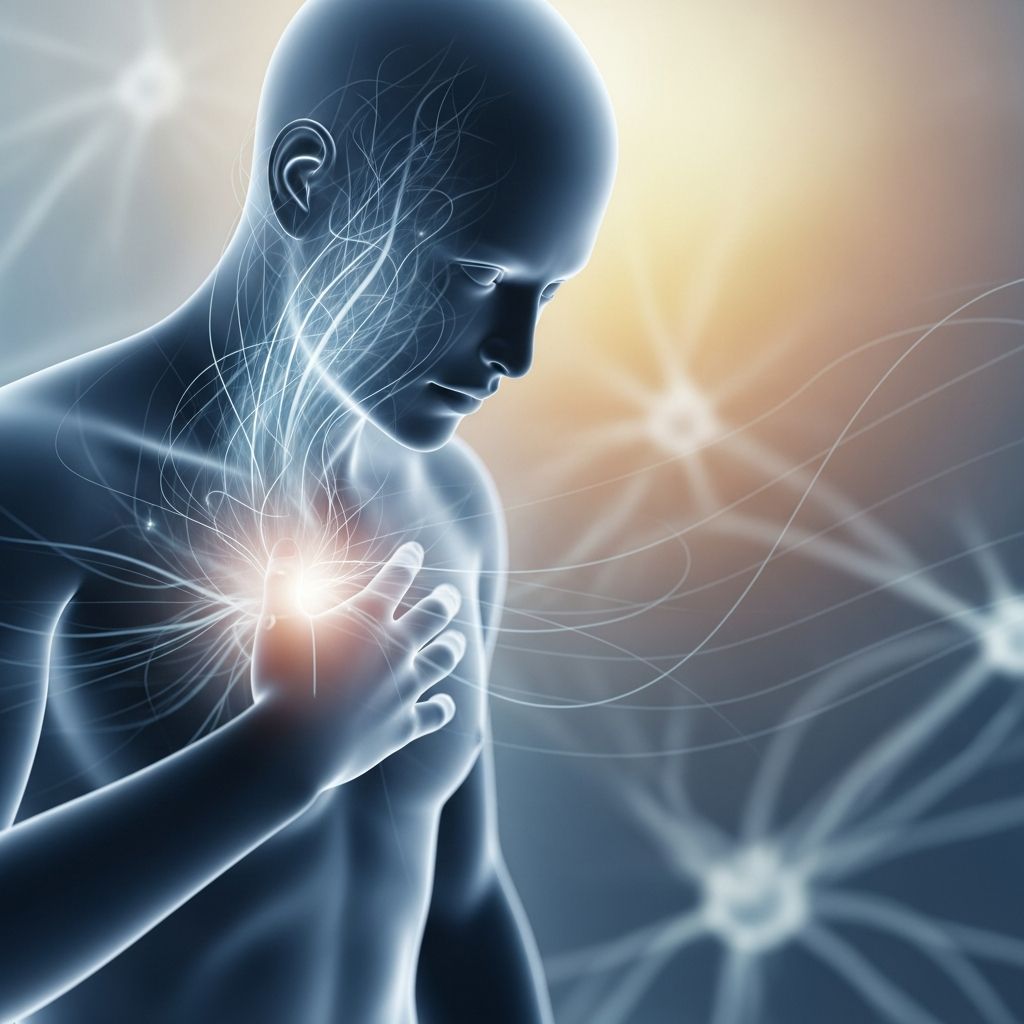
Anxiety manifests in diverse ways, often blending physical discomfort, mental unrest, and altered behaviors that disrupt everyday life. Recognizing these sensations is the first step toward effective management and improved quality of life.
Physical Manifestations of Anxiety
The body often signals anxiety through tangible, uncomfortable physical responses. These symptoms arise from the activation of the body’s stress response, releasing hormones like adrenaline that prepare for perceived threats.
- Cardiovascular changes: A rapid, pounding heartbeat or palpitations can mimic a heart attack, causing chest tightness or pain.
- Respiratory issues: Shortness of breath, hyperventilation, or a feeling of suffocation often accompanies intense worry.
- Sweating and temperature fluctuations: Sudden sweats, hot flashes, or chills signal the nervous system’s overdrive.
- Gastrointestinal distress: Nausea, stomach cramps, loss of appetite, or frequent bathroom visits are common.
- Muscle and sensory reactions: Tension leading to headaches, trembling, dizziness, numbness, or tingling in extremities.
- Fatigue and sleep disruption: Persistent tiredness despite insomnia or restless sleep.
These physical cues can escalate during high-stress moments, creating a feedback loop where bodily discomfort heightens mental worry.
Mental and Emotional Dimensions
Beyond the body, anxiety profoundly affects the mind, fostering a state of constant alertness and emotional turmoil. Individuals may experience an overwhelming sense of dread disproportionate to the situation.
| Symptom | Description | Common Triggers |
|---|---|---|
| Excessive worry | Uncontrollable thoughts about future events or past mistakes | Daily routines, uncertainties |
| Irritability and edginess | Feeling perpetually on guard or snapping easily | Social interactions, minor stressors |
| Difficulty concentrating | Mind racing or blanking out, impairing focus | Work, conversations |
| Sense of impending doom | Intense fear of catastrophe without clear reason | Panic episodes |
| Intrusive thoughts | Obsessive or traumatic memories replaying | Triggers from environment |
These psychological elements often lead to emotional exhaustion, where simple tasks feel insurmountable due to mental overload.
Behavioral Shifts Triggered by Anxiety
Anxiety influences actions and habits, sometimes creating avoidance patterns that reinforce the cycle. People may withdraw from enjoyable activities or relationships to evade discomfort.
- Avoiding social gatherings or new experiences due to fear of judgment or failure.
- Compulsive checking, such as repeatedly verifying locks or appliances.
- Neglecting self-care, like skipping meals or hygiene amid overwhelm.
- Procrastination on decisions, stemming from overanalysis.
- Isolation, reducing support networks and amplifying loneliness.
Such behaviors provide short-term relief but long-term isolation, perpetuating anxiety’s grip on daily functioning.
Types of Anxiety Disorders and Their Unique Feelings
Anxiety isn’t monolithic; various disorders present distinct sensation profiles. Understanding these helps in targeted recognition and intervention.
Generalized Anxiety Disorder (GAD)
GAD involves chronic, excessive worry about ordinary matters, feeling like a constant undercurrent of tension. Physical symptoms like muscle aches and fatigue persist alongside mental restlessness.
Panic Disorder
Characterized by sudden panic attacks, these feel like waves of terror with peak intensity in minutes. Sensations include chest pain, detachment, and fear of dying.
Social Anxiety Disorder
Intense self-consciousness in social settings leads to blushing, trembling, or speech difficulties, often described as a spotlight of scrutiny.
Other forms, like specific phobias, trigger acute responses to particular stimuli, blending fear with physical flight responses.
Daily Life Disruptions from Anxiety Sensations
Anxiety permeates work, relationships, and self-perception, turning routine days into battles. At work, concentration lapses lead to errors and reduced productivity. In relationships, irritability strains bonds, while avoidance fosters disconnection.
Parenting or caregiving amplifies these, as worry about loved ones intensifies physical and emotional loads. Sleep deprivation from racing thoughts compounds fatigue, impairing judgment and resilience.
Decoding Panic Attacks: Peak Anxiety Experiences
Panic attacks represent anxiety’s extreme, feeling like an imminent crisis. Core sensations include a surging heartbeat, dizziness, and unreality, lasting 5-20 minutes but leaving lingering dread.
- Rapid breathing escalating to lightheadedness.
- Sweating and chills alternating.
- Feelings of losing control or detachment from reality.
- Nausea or abdominal pain peaking with fear.
Post-attack, anticipatory anxiety about recurrence can dominate, prompting lifestyle restrictions.
Strategies to Alleviate Anxiety Sensations
Managing these feelings involves immediate techniques and long-term practices. Start with grounding: deep breathing (4-7-8 method) counters hyperventilation; progressive muscle relaxation eases tension.
Mindfulness meditation redirects racing thoughts, while physical activity releases endorphins to combat fatigue. Journaling tracks patterns, revealing triggers for proactive avoidance.
Lifestyle adjustments like caffeine reduction, consistent sleep hygiene, and balanced nutrition support bodily resilience against symptoms.
Seeking Professional Support
When sensations overwhelm daily life, professional input is crucial. Cognitive Behavioral Therapy (CBT) reframes thought patterns; medications like SSRIs stabilize mood chemically.
Consult primary care or mental health specialists if symptoms persist over weeks, interfere with function, or include suicidal thoughts. Early intervention prevents escalation.
Frequently Asked Questions
Can anxiety symptoms mimic serious medical conditions?
Yes, chest pain and palpitations often resemble heart issues, prompting medical checks to rule out physical causes.
How long do anxiety episodes typically last?
General anxiety lingers chronically, while panic attacks peak in 10 minutes but exhaust for hours.
Is anxiety always visible to others?
No, internal turmoil may hide behind composure, though physical signs like fidgeting can appear.
Can lifestyle changes alone manage anxiety?
For mild cases, yes; severe disorders often need therapy or medication alongside.
Does anxiety improve with age?
It can, but untreated cases may persist; proactive management aids lifelong control.
References
- What does anxiety feel like? — Mental Health Foundation. 2023. https://www.mentalhealth.org.uk/our-work/public-engagement/mental-health-awareness-week/anxiety-report/what-does-anxiety-feel-like
- Anxiety Disorders: Causes, Symptoms, Treatment & Types — Cleveland Clinic. 2023-10-04. https://my.clevelandclinic.org/health/diseases/9536-anxiety-disorders
- Symptoms of anxiety and how to know when you need help — UC Davis Health. 2024-08. https://health.ucdavis.edu/blog/cultivating-health/symptoms-of-anxiety-and-how-to-know-when-you-need-help/2024/08
- Anxiety disorders – Symptoms and causes — Mayo Clinic. 2023-08-09. https://www.mayoclinic.org/diseases-conditions/anxiety/symptoms-causes/syc-20350961
- Get help with anxiety, fear or panic — NHS. 2023. https://www.nhs.uk/mental-health/feelings-symptoms-behaviours/feelings-and-symptoms/anxiety-fear-panic/
- Generalized Anxiety Disorder: What You Need to Know — National Institute of Mental Health (NIMH). 2023. https://www.nimh.nih.gov/health/publications/generalized-anxiety-disorder-gad
- Recognizing and easing the physical symptoms of anxiety — Harvard Health Publishing. 2020-05-25. https://www.health.harvard.edu/mind-and-mood/recognizing-and-easing-the-physical-symptoms-of-anxiety