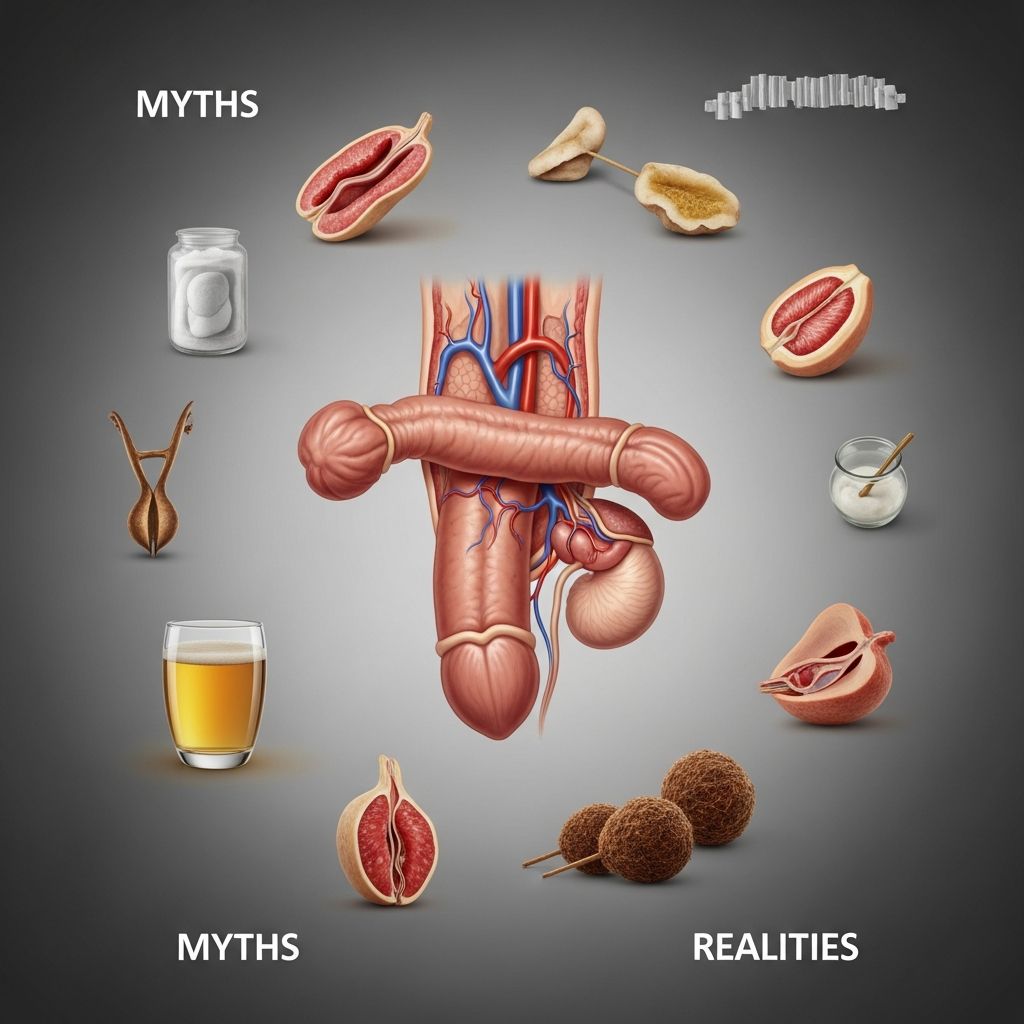
Concerns about penis size are widespread among men, often fueled by cultural stereotypes, media portrayals, and personal insecurities. However, medical science provides a clearer picture: penis size is largely determined by genetics and prenatal development, with variations influenced by health conditions rather than lifestyle myths. This article delves into the biological, medical, and psychological aspects of penile dimensions, debunking common misconceptions while highlighting legitimate concerns like shortening due to disease.
Understanding Normal Penis Size Variations
The average erect penis length falls between 13 and 14 centimeters globally, with flaccid lengths averaging around 9 centimeters. These figures come from standardized measurements across diverse populations, emphasizing that ‘normal’ encompasses a wide range. Genetic factors play the dominant role, as penis size is polygenic—influenced by multiple genes inherited from both parents, particularly those on the X chromosome.
External factors like nutrition during puberty can subtly affect growth, but post-puberty changes are minimal without medical intervention. Myths suggesting exercises or devices dramatically increase size lack robust evidence and may cause harm.
- Genetic inheritance: Combines parental genes with unique mutations.
- Measurement standards: Stretched flaccid length approximates erect size for diagnosis.
- Population differences: Minor variations exist but do not define ‘adequacy.’
Congenital Conditions Affecting Penile Development
Micropenis, defined as a stretched penile length more than 2.5 standard deviations below the mean for age, affects roughly 0.6% of males. It arises from disruptions in the hypothalamic-pituitary-gonadal axis during fetal development, often due to hormone deficiencies like low testosterone.
Syndromes such as Kallmann or Klinefelter can contribute, impairing genital growth. Diagnosis involves precise measurement—excluding buried penis from obesity—and endocrinologic testing. Early intervention with hormone therapy can promote growth before puberty closes.
| Condition | Causes | Prevalence | Treatment Options |
|---|---|---|---|
| Micropenis | Hormonal defects, genetic syndromes | Rare (0.6%) | Testosterone therapy (infancy/puberty) |
| Kallmann Syndrome | Gene mutations affecting GnRH | Very rare | Hormone replacement |
| Bladder Exstrophy-Epispadias | Congenital malformation | 1 in 50,000 | Surgical reconstruction |
These conditions underscore that true size abnormalities are medical, not cosmetic, issues requiring specialist care.
Acquired Penile Shortening in Adulthood
Unlike congenital issues, adult penile shortening often results from disease, surgery, or lifestyle factors. Adult-acquired buried penis (AABP) traps the shaft in surrounding tissue, linked to obesity, lichen sclerosus, and penile cancer treatments. This leads to fibrosis, hygiene problems, erectile dysfunction, and reduced quality of life.
Obesity exacerbates AABP by creating excess suprapubic fat, effectively ‘burying’ the penis and reducing visible length by up to several centimeters. Weight loss can partially reverse this, but surgical escutcheon resection may be needed for severe cases.
Role of Peyronie’s Disease
Peyronie’s disease (PD) involves fibrous plaques in the tunica albuginea, causing curvature, pain, and shortening—often 1-2 cm during erection. It affects 3-9% of men, peaking between ages 45-70, with risk factors including trauma, diabetes, and smoking.
The scar tissue prevents full expansion, creating an hourglass deformity or indentation. Progression varies: acute phase with pain, chronic phase with stable curvature. Treatments range from oral collagenase injections to surgery like plication or grafting.
- Pain during erection or flaccid state.
- Curvature impeding intercourse.
- Progressive shortening if untreated.
Surgical and Traumatic Causes
Prostate cancer treatments, such as radical prostatectomy, shorten the penis by 1-2 inches due to urethra removal and neuropraxia affecting erectile tissue. Radiation and androgen deprivation therapy compound this via fibrosis.
Trauma from accidents or aggressive surgeries (e.g., circumcision, hypospadias repair) can amputate length acutely. Chronic fibrosis from PD or post-surgical scarring mimics this.
Lifestyle Factors and Reversible Changes
Aging naturally reduces penile length by about 1 cm per decade after 40, due to collagen buildup and reduced elasticity. Regular erections preserve length by stretching tissues, countering ‘disuse atrophy.’
Obesity not only buries the penis but promotes inflammation leading to retraction. Smoking and diabetes accelerate vascular damage, indirectly affecting size via erectile dysfunction.
Preventive strategies include:
- Maintaining healthy weight.
- Quitting smoking.
- Regular sexual activity for tissue health.
- Early PD screening.
Psychological Dimensions: Dysmorphophobia and BDD
Body dysmorphic disorder (BDD) causes intense distress over perceived penile inadequacy despite normal size, impairing relationships and mental health. It affects 1-2% of men seeking genital surgery.
Media-fueled anxiety amplifies this; studies show most partners prioritize emotional connection over size. Counseling and CBT are first-line, with surgery contraindicated unless medically necessary.
Treatment Approaches and Realistic Outcomes
For micropenis, neonatal testosterone yields 1-2 cm gains; adult options are limited to implants. PD management: Xiaflex injections reduce curvature by 30%; surgery restores function but may sacrifice some length.
AABP surgery involves lipectomy and skin grafting, improving hygiene and function. Prostheses for post-prostatectomy patients average 13-14 cm length, comparable to pre-op induced erections.
Outcomes data:
| Procedure | Avg. Length Gain/Loss | Success Rate |
|---|---|---|
| TPR for AABP | +2-4 cm visible | 90% satisfaction |
| PD Plication | -0.5-1 cm | 80-85% |
| Prosthesis Implant | Maintains 90% pre-op | 95% function |
Frequently Asked Questions
Can penis size change after puberty?
Minimal natural changes occur; medical conditions like PD or surgery cause shortening, reversible via treatment in some cases.
Does obesity really shrink the penis?
It buries it under fat, reducing visible length; weight loss reveals more.
Is Peyronie’s disease curable?
Not fully, but manageable with meds, injections, or surgery to reduce symptoms.
How is micropenis diagnosed?
By stretched length < -2.5 SD mean, plus hormone tests.
Do exercises enlarge the penis?
No evidence; they risk injury. Focus on health.
This comprehensive look reveals penis size as a multifaceted issue blending biology, medicine, and psychology. Consulting urologists ensures informed care over unfounded worries.
References
- Penile Size Abnormalities and Dysmorphophobia — European Association of Urology (Uroweb). 2023. https://uroweb.org/guidelines/sexual-and-reproductive-health/chapter/penile-size-abnormalities-and-dysmorphophobia
- Size Doesn’t Matter (And Your Penis Is Not Shrinking) — Orlando Health. 2023. https://www.orlandohealth.com/content-hub/size-doesnt-matter-and-your-penis-is-not-shrinking/
- Penis Shrinkage: Causes, Treatment, and More — Healthline. 2023. https://www.healthline.com/health/mens-health/penis-shrinkage
- Micropenis: Etiology, Diagnosis and Treatment Approaches — PMC (NCBI). 2014. https://pmc.ncbi.nlm.nih.gov/articles/PMC3890219/
- Peyronie’s Disease — University of Michigan Health-Sparrow. 2024. https://www.uofmhealthsparrow.org/departments-conditions/conditions/peyronies-disease
- Peyronie’s Disease – Symptoms and Causes — Mayo Clinic. 2023. https://www.mayoclinic.org/diseases-conditions/peyronies-disease/symptoms-causes/syc-20353468