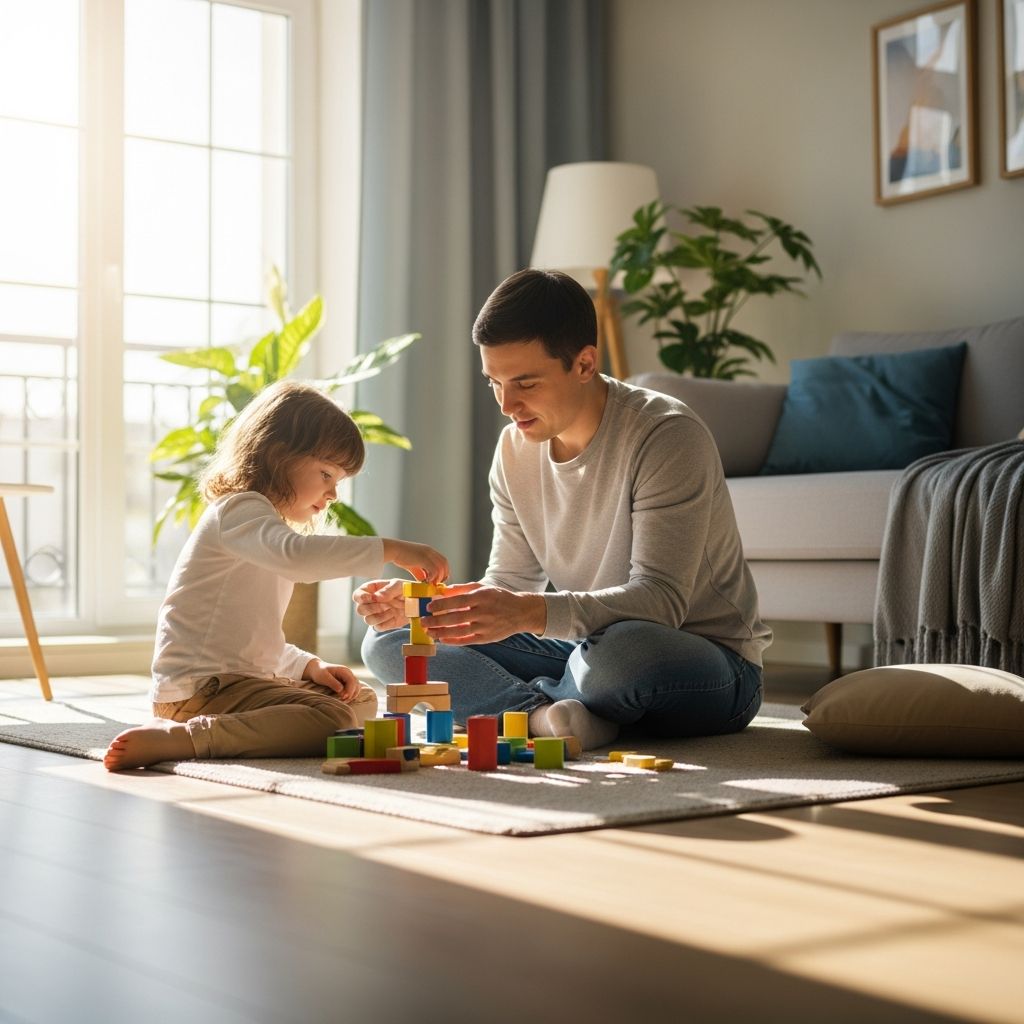
Patience stands as a cornerstone of effective parenting, enabling caregivers to navigate daily challenges with composure and empathy. It empowers parents to respond thoughtfully rather than react impulsively, creating a nurturing environment that supports child growth and family stability.
Why Patience Matters in Modern Parenting
In the fast-paced world of today, parenting demands more than quick fixes; it requires sustained emotional endurance. Patience allows parents to handle tantrums, developmental hurdles, and behavioral issues without escalating tensions. Research highlights that patient caregivers foster better emotional regulation in children, helping them manage impulses and build resilience against frustrations.
Children exposed to patient parenting learn to delay gratification, a skill linked to long-term success in academics and relationships. For instance, when parents model calm responses during conflicts, kids internalize these behaviors, developing empathy and problem-solving abilities. This dynamic not only reduces household stress but also strengthens parent-child bonds, leading to healthier family interactions.
Moreover, patience is particularly vital for children facing developmental delays or special needs. It provides the space needed for gradual progress, turning potential frustrations into opportunities for growth. Parents who embrace this virtue report lower anxiety levels and greater satisfaction in their roles.
The Science Behind Patience and Child Outcomes
Neurological studies show that patience influences brain development, particularly in areas responsible for emotional control like the prefrontal cortex. When parents pause before reacting, they give children time to process emotions, mirroring techniques used in cognitive behavioral therapy.
Consistent patience builds neural pathways for self-regulation. Kids in patient households demonstrate improved focus and fewer behavioral outbursts, as evidenced by developmental psychology findings. This isn’t just about waiting; it’s an active process of empathy and observation that aligns parental responses with a child’s true needs.
- Emotional Resilience: Children learn to tolerate delays, reducing impulsivity.
- Better Decision-Making: Patient modeling encourages thoughtful choices over knee-jerk reactions.
- Enhanced Relationships: Mutual understanding deepens trust and communication.
Building Self-Awareness: The Foundation of Patience
Patience begins with introspection. Parents must recognize personal triggers—such as fatigue or unmet expectations—that spark impatience. Journaling daily frustrations helps identify patterns, allowing for proactive management.
Techniques like mindfulness meditation train the mind to observe thoughts without judgment. Just five minutes daily can lower reactivity, creating mental space during heated moments. Self-awareness transforms ‘I can’t stand this’ into ‘This is challenging, but temporary.’
In practice, this means pausing during a meltdown: take deep breaths, count to ten, and assess the situation neutrally. This shift prevents escalation and models healthy coping for children.
Practical Daily Habits for Lasting Patience
Incorporate patience-building routines into everyday life. Start mornings with positive affirmations focused on realistic expectations, setting a composed tone for the day.
- Prioritize Self-Care: Adequate sleep, exercise, and nutrition recharge emotional reserves, making patience more accessible.
- Time Management: Build buffers into schedules for inevitable delays, like extra time for morning routines.
- Mindful Breathing: Use 4-7-8 breathing (inhale 4 seconds, hold 7, exhale 8) during tense moments to regain calm.
These habits compound over time, turning patience from a struggle into a natural response. Parents report fewer arguments and more joyful interactions after consistent practice.
Responding Thoughtfully to Child Behaviors
Instead of immediate corrections, adopt a problem-solving mindset. When a child misbehaves, ask: ‘What’s driving this?’ Often, it’s hunger, tiredness, or overwhelm—not defiance.
Empathetic responses like ‘I see you’re upset; let’s figure this out together’ validate feelings while guiding solutions. This approach teaches children accountability without shame, promoting intrinsic motivation.
| Challenge | Impatient Reaction | Patient Alternative |
|---|---|---|
| Tantrum in public | Yelling or dragging away | Step aside, acknowledge emotion, offer choices |
| Sibling fight | Immediate punishment | Separate calmly, discuss feelings later |
| Homework refusal | Forcing completion | Break tasks, celebrate small wins |
Cultivating Patience in Special Circumstances
For parents of children with developmental delays, patience is amplified. Tailor expectations to the child’s pace, celebrating incremental achievements like new words or social smiles. This fosters hope and resilience amid slower progress.
Structured support, such as therapy collaborations, reinforces patience. Families thrive by viewing challenges as shared journeys, not races. Positive reinforcement loops—where calm parenting elicits better child responses—solidify these gains.
Modeling Patience: Your Child’s First Lesson
Children mirror parental behaviors instinctively. A patient response to traffic or delays teaches real-world coping far better than words. This role modeling instills empathy, as kids learn to read emotions and respond kindly.
Over time, this creates a virtuous cycle: patient parents raise patient children, equipped for life’s unpredictabilities with optimism and grit.
Long-Term Rewards of Patient Parenting
Investing in patience yields dividends in child independence and parental peace. Teens from patient homes show stronger emotional intelligence, navigating peer pressures and academics with maturity.
Families experience reduced conflict, deeper connections, and collective well-being. Patience isn’t passive; it’s a proactive choice shaping futures.
Frequently Asked Questions
What if I lose patience despite trying?
Apologize sincerely, explain your feelings, and retry. Children learn from seeing adults recover gracefully.
How does patience help kids with special needs?
It allows tailored pacing, boosting confidence and skill acquisition without pressure.
Can patience be taught to young children?
Yes, through games like turn-taking or waiting for treats, paired with praise for efforts.
What’s the quickest way to build patience?
Daily mindfulness and self-care routines show fastest results within weeks.
Does patience mean no discipline?
No; it means consistent, calm boundaries that teach rather than punish.
References
- The Power of Patience — Cornell Cooperative Extension. 2015-12-14. https://schenectady.cce.cornell.edu/parenting/just-for-parents/the-power-of-patience
- Patience is a Virtue: Tips for Parents Practicing Patience — Boston Baby Nurse & Nanny Agency. N/A. https://bostonbabynurse.com/tips-for-parents-practicing-patience/
- The Power of Patience in Parenting — American SPCC. N/A. https://americanspcc.org/the-power-of-patience-in-parenting/
- The Importance of Patience in Parenting Children with Developmental Delays — Kutest Kids. N/A. https://www.kutestkids.com/blog/the-importance-of-patience-in-parenting-children-with-developmental-delays
- Building On…The Virtue of Patience — Imagination Playground. N/A. https://imaginationplayground.com/building-onthe-virtue-of-patience/