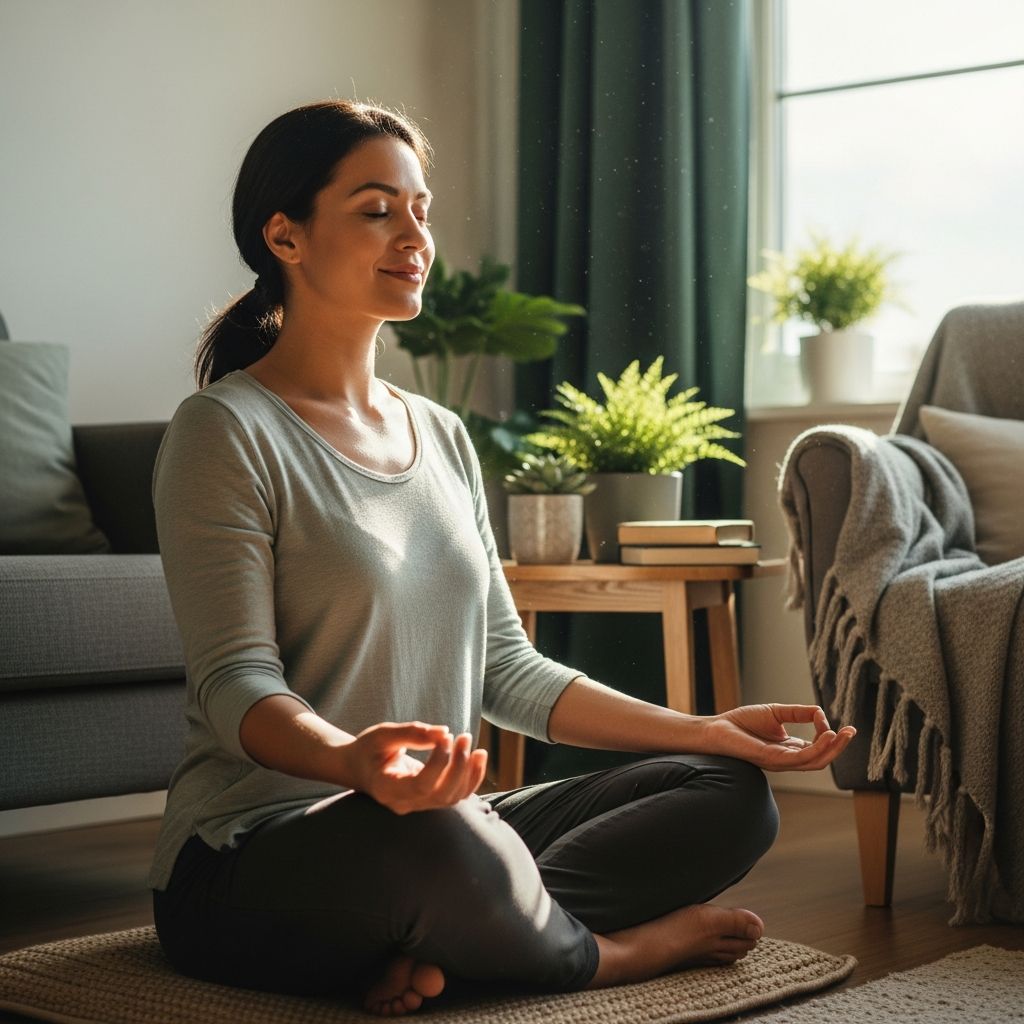
Motherhood encompasses one of life’s most rewarding yet demanding roles. Between managing household responsibilities, caring for children, and often juggling professional obligations, mothers frequently find themselves depleted of mental, emotional, and physical reserves. The concept of wellness for mothers extends beyond occasional pampering—it represents a deliberate commitment to maintaining personal health and emotional equilibrium while navigating the complexities of parenting and family life. Recognizing that wellness practices need to fit realistically into a mother’s compressed schedule is essential for establishing sustainable routines that actually endure.
Understanding Maternal Wellness Beyond Traditional Self-Care
Wellness for mothers differs fundamentally from generic self-care advice. While self-care often implies indulgence or escape, maternal wellness acknowledges the reality that mothers operate within limited time frames and resources. It emphasizes integration rather than extraction—finding moments within existing daily activities where wellness can naturally unfold. This might mean transforming a mundane activity into a mindful practice or leveraging transition moments throughout the day for mental restoration. The goal is establishing practices that enhance rather than complicate a mother’s life, providing genuine relief without adding layers of guilt or obligation.
Leveraging Micro-Moments for Mental Clarity
One of the most accessible wellness strategies for mothers involves identifying and utilizing brief pockets of time that naturally occur throughout the day. These micro-moments—transitions between activities, waiting periods, or naturally quiet intervals—represent untapped opportunities for mental reset and restoration. Rather than dismissing these fragments as insignificant, mothers can transform them into powerful wellness tools.
Specific micro-moment practices include:
- Implementing focused breathing techniques during the school pickup line or while waiting in traffic, which activates the parasympathetic nervous system and reduces anxiety
- Practicing grounding exercises by stepping outside briefly to connect with natural elements and fresh air, even just for one or two minutes
- Engaging in positive affirmations while performing routine tasks like folding laundry or washing dishes, transforming these chores into empowering activities
- Using sensory reset techniques such as diffusing essential oils or lighting a scented candle during brief breaks to shift mental states
- Practicing gratitude recognition by mentally acknowledging three things you’re grateful for during daily transitions
These practices require minimal time investment while delivering substantial psychological benefits. Research indicates that even brief moments of focused attention and intentional breathing can significantly reduce stress markers and improve emotional regulation.
Establishing Physical Renewal Within Daily Routines
Physical wellness for mothers often gets deprioritized when confronted with competing demands. However, integrating movement and physical care into existing schedules proves more sustainable than attempting to add entirely new activities. The key lies in recognizing that significant physical wellness doesn’t require hours at a gymnasium or elaborate equipment.
Practical physical wellness strategies include:
- Incorporating brief stretching or gentle yoga sequences using readily available online resources, even ten to fifteen minutes yields meaningful physical and mental benefits
- Taking intentional walks with children or alone, combining outdoor time with movement in a way that serves multiple wellness objectives simultaneously
- Staying adequately hydrated by consciously drinking water throughout the day, a foundational practice that enhances energy, cognition, and mood
- Prioritizing quality sleep and rest as non-negotiable wellness components, recognizing that adequate sleep fundamentally influences emotional resilience and physical health
- Engaging in dancing or playful movement as both physical activity and mood elevation, particularly effective for mothers who find traditional exercise intimidating
- Developing a consistent skincare ritual that doubles as a moment for intentional self-connection and relaxation
These physical practices demonstrate that wellness integration doesn’t require abandoning family responsibilities or seeking extensive alone time. Movement can occur alongside children, during household tasks, or in brief intentional moments carved from existing schedules.
Mental and Emotional Restoration Practices
Beyond physical wellness, mothers need strategies specifically addressing mental fatigue and emotional depletion. Motherhood frequently involves continuous decision-making, emotional labor, and mental multitasking that leaves mothers mentally exhausted even when physical demands seem manageable. Targeted mental wellness practices provide essential relief from this cognitive and emotional burden.
Effective mental wellness approaches include:
- Maintaining a gratitude or reflection journal, dedicating just five minutes daily to acknowledging positive elements or processing challenging experiences
- Reading for pleasure without objective or time pressure, allowing the mind to engage with narrative and imagination as forms of mental escape
- Consuming creative content through podcasts or audiobooks during household tasks, engaging the mind in stimulating material while completing necessary responsibilities
- Unplugging from digital connectivity for designated periods, protecting mental space from constant information bombardment and social comparison
- Engaging in creative expression through journaling, coloring, or artistic activities that bypass analytical thinking and access intuitive consciousness
- Practicing meditation or mindfulness techniques tailored to available time, with even five minutes delivering measurable calming effects
These mental wellness practices acknowledge that mothers need cognitive rest and emotional processing opportunities. They validate that mental health maintenance requires intentional attention, not spontaneous occurrence.
Customizing Wellness for Different Maternal Circumstances
Wellness approaches must adapt to the specific circumstances mothers navigate. A working mother faces distinct wellness challenges compared to a stay-at-home mother, while single mothers navigate unique stressors requiring tailored strategies. Effective wellness frameworks acknowledge these variations rather than prescribing universal solutions.
Professional Mothers’ Wellness Considerations
Employed mothers juggle workplace demands alongside parenting responsibilities, creating compressed schedules requiring strategic wellness integration. For this group, commute time transforms into valuable wellness space—using transportation time for meditation, inspirational podcasts, or audiobooks creates mental transition between professional and parental roles. Protecting a work lunch break as a genuine respite, even briefly stepping away from the desk, provides essential midday restoration. Establishing one or two evenings weekly dedicated to family connection without work intrusion creates psychological permission to mentally disengage from professional concerns.
Stay-at-Home Mothers’ Wellness Considerations
While stay-at-home mothers don’t navigate workplace transitions, they face uninterrupted caregiving demands and limited external adult interaction. Wellness practices for this group should emphasize connection and boundary-setting. Trading childcare with other mothers creates reciprocal breaks allowing genuine restoration. Establishing firm boundaries around household tasks—permitting dishes to wait until after nap time, for instance—conserves energy for more meaningful activities. Intentional outdoor time combined with social engagement through playgroups or community connections directly addresses both physical and emotional wellness needs.
Single Mothers’ Wellness Considerations
Single mothers carrying sole responsibility for household and childcare management benefit particularly from practices emphasizing support-seeking and realistic expectations. Building community connections and accepting offers of help represents crucial wellness maintenance rather than failure. Establishing clear boundaries around availability and deliberately protecting small windows for solitude provides essential mental restoration.
Building Sustainable Wellness Architecture
Understanding individual practices matters less than constructing a sustainable framework that embeds wellness into maternal life rather than existing as separate obligation. This requires deliberately removing psychological barriers and guilt associated with prioritizing personal wellness.
Creating sustainable wellness involves:
- Scheduling wellness practices on calendars as non-negotiable appointments, treating them with the same seriousness as children’s activities or work commitments
- Starting with achievable practices rather than attempting comprehensive overhauls, building gradually toward more comprehensive wellness integration
- Releasing perfectionistic standards around wellness consistency, recognizing that occasional lapses don’t invalidate overall commitment
- Communicating wellness priorities to family members, establishing understanding about why these practices matter rather than presenting them as optional luxuries
- Trading childcare or household tasks with partners or trusted friends, creating reciprocal support systems that enable wellness time
- Utilizing apps or simple tracking methods to monitor small habits, providing encouragement through visible progress
- Examining and releasing guilt associated with prioritizing personal wellness, recognizing that mothers function better—and parent more effectively—when their own needs receive attention
These structural elements transform wellness from aspirational concept to integrated reality, making sustainable practice feasible within real maternal life.
Nutritional Wellness and Mindful Eating
Maternal wellness extends directly to eating patterns and nutritional choices. Mothers frequently sacrifice their own nutrition prioritizing children’s needs, eating hastily or neglecting meals entirely. Intentional nutritional wellness practices counteract this pattern while remaining realistic about maternal time constraints.
Practical nutritional wellness includes:
- Consuming meals seated and without distraction when possible, transforming eating into a genuine wellness activity rather than rushed obligation
- Maintaining consistent hydration throughout the day, recognizing dehydration significantly impacts mood, energy, and cognitive function
- Planning simplified meal rotations that reduce decision fatigue while ensuring nutritious eating, such as identifying two healthy options for each meal and rotating them weekly
- Making single dietary improvements—such as adding extra vegetables to meals or incorporating herbal teas—rather than attempting complete nutritional overhauls
- Keeping nutritious snacks readily accessible, enabling mindful eating choices when energy dips occur
These nutritional practices recognize that mothers’ wellness depends partly on consistent, adequate nourishment. Simple, achievable dietary improvements contribute meaningfully to overall wellbeing.
Sleep as Foundational Wellness
Among all wellness practices, adequate sleep represents perhaps the most impactful yet frequently sacrificed priority for mothers. Sleep deprivation undermines physical health, emotional regulation, cognitive function, and stress resilience. Yet many mothers normalize chronic sleep insufficiency as inevitable to parenting.
Prioritizing sleep wellness involves:
- Establishing target sleep durations, with research supporting seven to nine hours as optimal for adult health and cognitive function
- Creating sleep routines that signal the body toward rest, such as limiting screen exposure before bed and establishing consistent sleep and wake times
- Recognizing that protecting sleep sometimes requires setting boundaries around evening responsibilities or delegating tasks
- Understanding that brief restorative naps—even ten to twenty minutes—meaningfully reduce sleep debt and restore functioning
- Addressing sleep barriers such as anxiety or physical discomfort through targeted interventions rather than accepting chronic poor sleep as unchangeable
Sleep represents non-negotiable wellness foundation. Mothers who treat sleep as vital—rather than optional indulgence—transform their overall capacity for managing maternal responsibilities.
Connection and Community as Wellness Practices
Human connection represents profound yet often overlooked wellness practice for mothers. Social isolation and relationship neglect significantly impact maternal mental health and emotional wellbeing. Intentional connection practices address this vital wellness domain.
Connection-centered wellness includes:
- Maintaining regular contact with friends through conversations, walks, or shared activities that provide genuine adult interaction and emotional support
- Deepening partnerships with spouses or significant others through regular quality time conversations focused on personal connection rather than logistics
- Participating in mother communities through playgroups, online forums, or local gatherings that provide understanding and reduce isolation
- Seeking professional support through therapy or counseling when needed, normalizing mental health care as essential wellness maintenance
- Engaging in spiritual or faith-based practices if meaningful, including prayer, meditation, or participation in faith communities
These connection practices validate that maternal wellness depends substantially on social and emotional relationships, not merely individual practices performed in isolation.
Frequently Asked Questions
Q: How can I practice wellness when I genuinely have no spare time?
A: Begin by identifying micro-moments within existing activities—during school pickups, while commuting, or while performing household tasks. Layer wellness into necessary activities rather than viewing it as requiring additional time. Even one or two minutes of intentional breathing or gratitude practice delivers meaningful benefits. Build gradually rather than attempting comprehensive changes simultaneously.
Q: Is it selfish to prioritize my wellness when my family needs me?
A: Research consistently demonstrates that mothers who maintain their own wellness actually parent more effectively. Adequate rest, mental clarity, and emotional balance directly improve your capacity to meet family needs. Treating wellness as selfish misses the reality that personal wellbeing enables better family functioning overall.
Q: What wellness practices work best if I’m experiencing significant anxiety or depression?
A: While general wellness practices provide meaningful support, significant mental health concerns warrant professional evaluation and treatment. Combining practical wellness strategies with therapy or medical intervention addresses both immediate symptoms and underlying patterns. Never hesitate to seek professional mental health support.
Q: How do I maintain wellness consistency when life feels chaotic?
A: Focus on minimal viable practices—perhaps just five minutes daily of intentional breathing and gratitude. During chaotic periods, simplify rather than abandoning wellness entirely. Maintain one or two foundational practices that feel manageable, knowing you can expand again when circumstances shift.
Q: What if my partner doesn’t support my wellness priorities?
A: Communicate specifically about why wellness matters to you and how it benefits family functioning. Rather than framing wellness as personal indulgence, present it as essential maintenance affecting your capacity to manage family responsibilities. Demonstrate through experience how prioritizing wellness improves your functioning, potentially shifting their perspective.
References
- Exercise, Physical Activity and Mental Health — Centers for Disease Control and Prevention (CDC). 2024. https://www.cdc.gov/mentalhealth/exercise.html
- Sleep and Sleep Disorders — National Heart, Lung, and Blood Institute (NHLBI). 2024. https://www.nhlbi.nih.gov/health/sleep
- Mindfulness-Based Stress Reduction (MBSR) — National Center for Complementary and Integrative Health (NCCIH). 2024. https://www.nccih.nih.gov/health/mindfulness
- Maternal Mental Health: Prevalence and Characteristics — National Institute of Mental Health (NIMH). 2024. https://www.nimh.nih.gov/health/publications/perinatal-depression
- Breathing Exercises for Anxiety — Mayo Clinic. 2024. https://www.mayoclinic.org/healthy-lifestyle/stress-management/in-depth/stress-relief/art-20044456
- Social Support and Mental Health — American Psychological Association (APA). 2024. https://www.apa.org/science/about/psa/social-connection