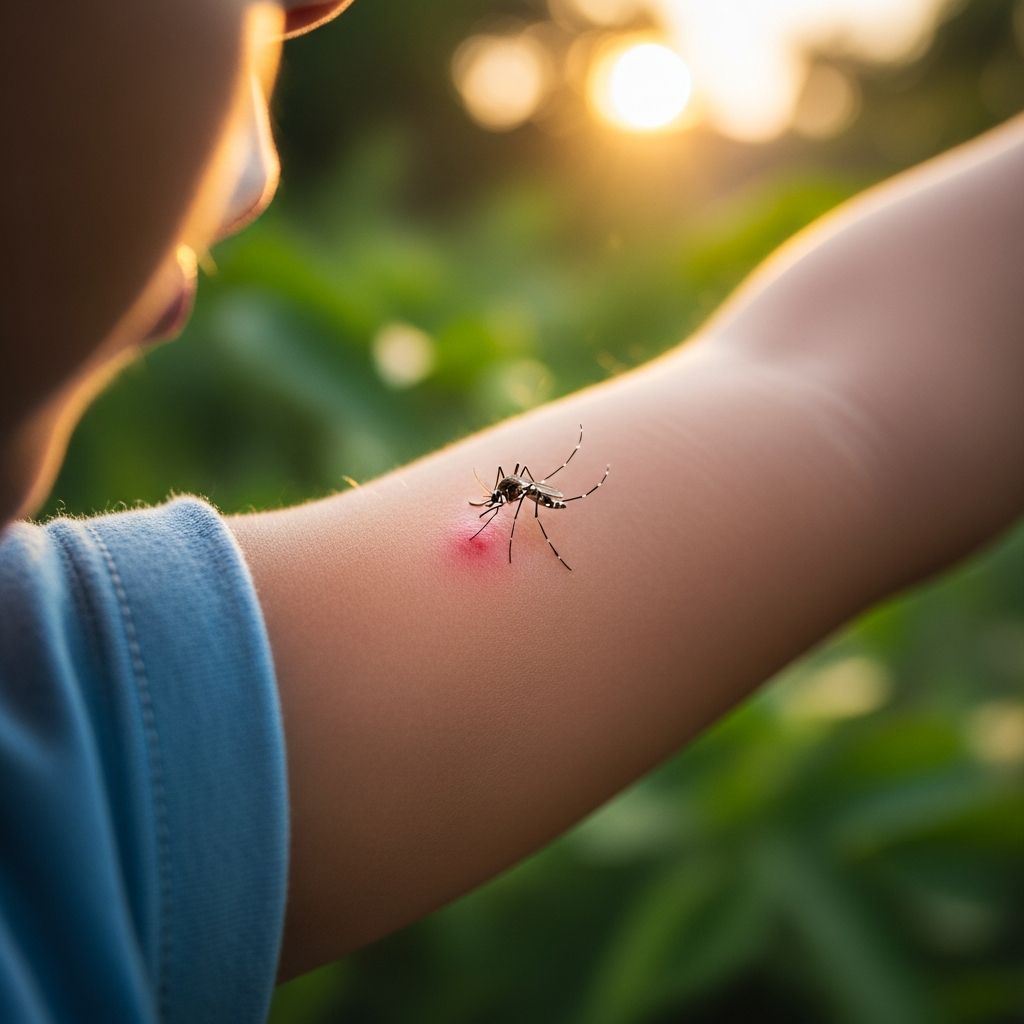
Mosquitoes transmit a range of serious diseases that can severely impact children’s health, from mild fevers to life-threatening conditions like brain inflammation or birth defects. Understanding these risks empowers parents to safeguard their families through prevention and prompt action.
Why Children Face Heightened Risks from Mosquito Bites
Youngsters are particularly vulnerable due to their developing immune systems and outdoor play habits. Mosquito-borne pathogens can lead to encephalitis—inflammation of the brain—or meningitis, affecting the protective membranes around the brain and spinal cord. These complications may cause confusion, seizures, paralysis, coma, or even death in severe cases.
In the U.S., viruses like West Nile, Eastern equine encephalitis (EEE), La Crosse, St. Louis, and Western equine encephalitis predominate. Globally, tropical threats such as malaria, dengue, chikungunya, Zika, and yellow fever pose dangers, especially for traveling families.
Key Mosquito-Transmitted Diseases Threatening Kids
Several pathogens stand out for their prevalence and severity in pediatric populations. Here’s an overview:
- West Nile Virus: Common in the U.S., most kids experience mild or no symptoms, but severe cases involve neurological damage.
- Zika Virus: Linked to microcephaly in newborns if contracted during pregnancy; causes fever and rash in children.
- Dengue Fever: Features high fever, severe headache, joint pain; can progress to life-threatening hemorrhagic form.
- Malaria: Parasitic infection causing chills, fever cycles; rare in U.S. but deadly without treatment.
- Chikungunya: Intense joint pain lasting months, fever, rash; often misdiagnosed as dengue.
- Yellow Fever: Viral hemorrhagic disease with jaundice, high mortality; vaccine-preventable.
- Encephalitis Variants (EEE, La Crosse, etc.): Brain inflammation with high fever, seizures; EEE has up to 30% fatality in children.
Symptoms to Watch For in Infected Children
Early detection is crucial. Symptoms vary by disease but often overlap. Common signs include:
| Disease | Primary Symptoms | Severe Complications |
|---|---|---|
| West Nile | Fever, headache, body aches, rash | Encephalitis, meningitis, paralysis |
| Zika | Mild fever, rash, red eyes, joint pain | Microcephaly (fetal), Guillain-Barré |
| Dengue | High fever, severe headache, eye pain, muscle/joint pain | Hemorrhagic shock, organ failure |
| Malaria | Cyclic fevers, chills, sweating, fatigue | Cerebral malaria, anemia, death |
| Chikungunya | Sudden fever, debilitating joint pain, rash | Chronic arthritis |
| Yellow Fever | Fever, chills, jaundice, bleeding | Liver failure, multi-organ failure |
| EEE/La Crosse | Fever, headache, vomiting, confusion | Seizures, coma, permanent disability |
Incubation periods range from 2-15 days. Seek immediate care for high fever, stiff neck, severe headache, or neurological changes.
Special Concerns: Zika and Pregnancy Risks
Zika merits extra caution for expectant mothers. Infection in the first trimester carries a 1-5% risk of microcephaly—small head and brain damage in the baby. Transmission occurs via mosquito bites or vertically to the fetus. Post-birth infections in infants cause mild illness without birth defects.
Unlike most mosquito diseases, Zika spreads person-to-person via sexual contact, blood, or bodily fluids, persisting weeks post-infection.
Prevention Strategies for Families with Children
Proactive measures drastically reduce bite risks:
- Use EPA-registered repellents (DEET 10-30% for kids over 2 months, picaridin, or oil of lemon eucalyptus).
- Dress in long sleeves/pants during dawn/dusk peaks.
- Eliminate standing water to prevent breeding.
- Install screens, use bed nets in endemic areas.
- Vaccinate for yellow fever/malaria prophylaxis where applicable.
- Avoid high-risk travel or consult CDC for precautions.
For infants under 2 months, prioritize physical barriers over repellents.
When to Contact a Pediatrician
Don’t delay if your child shows persistent fever (over 101°F/38.3°C), rash with fever, severe pain, vomiting, dehydration, or altered mental status post-mosquito exposure. Tropical travel history heightens urgency.
Treatment is supportive: hydration, fever reducers (acetaminophen, avoid aspirin in dengue risk), hospitalization for severe cases. No specific antivirals for most; malaria requires antiparasitics.
Frequently Asked Questions (FAQs)
Can mosquito diseases be fatal in healthy children?
Yes, though rare; EEE fatality reaches 30%, West Nile severe cases cause permanent damage.
Is Zika still a concern after 2016 outbreaks?
Ongoing in tropics; pregnant women should avoid endemic areas.
How effective are mosquito repellents on kids?
Highly, when used correctly; DEET provides hours of protection.
Does malaria occur in the U.S.?
Rare locally, but imported cases common; local transmission sporadic.
Can children spread these diseases to others?
Generally no, except Zika via fluids; all mosquito-vectored.
Global Impact and Statistics on Child Mortality
Mosquito-borne illnesses contribute significantly to under-5 deaths: malaria alone accounts for 8% globally, with over 80% in Africa/Asia. Preventable with interventions.
In the U.S., thousands report West Nile annually; pediatric neuroinvasive cases, though low, underscore vigilance.
Travel Tips for Mosquito-Prone Destinations
Prior to trips: check CDC travel health notices, get vaccines (yellow fever), pack permethrin-treated clothing. Post-travel, monitor for 2 weeks.
References
- Mosquito-Borne Diseases — Nationwide Children’s Hospital. 2023. https://www.nationwidechildrens.org/conditions/mosquito-borne-diseases
- Mosquito Diseases — St. Louis Children’s Hospital. 2024. https://www.stlouischildrens.org/health-resources/symptom-checker/mosquito-diseases
- Mosquito-borne diseases — World Mosquito Program. 2024. https://www.worldmosquitoprogram.org/en/learn/mosquito-borne-diseases
- Mosquito-borne Diseases—Child Care and Schools — National Resource for Child Care. 2023. https://nrpeds.com/Mosquito-borne-Diseases—Child-Care-and-Schools
- Diseases Spread by Mosquitoes — South Carolina Department of Public Health. 2025-01-10. https://dph.sc.gov/diseases-conditions/infectious-diseases/insects-and-vector-borne-diseases/mosquitoes-south-0
- Tick- and Mosquito-borne Diseases — Iowa Department of Health and Human Services. 2024. https://hhs.iowa.gov/health-prevention/disease-information/tick-and-mosquito-borne-diseases