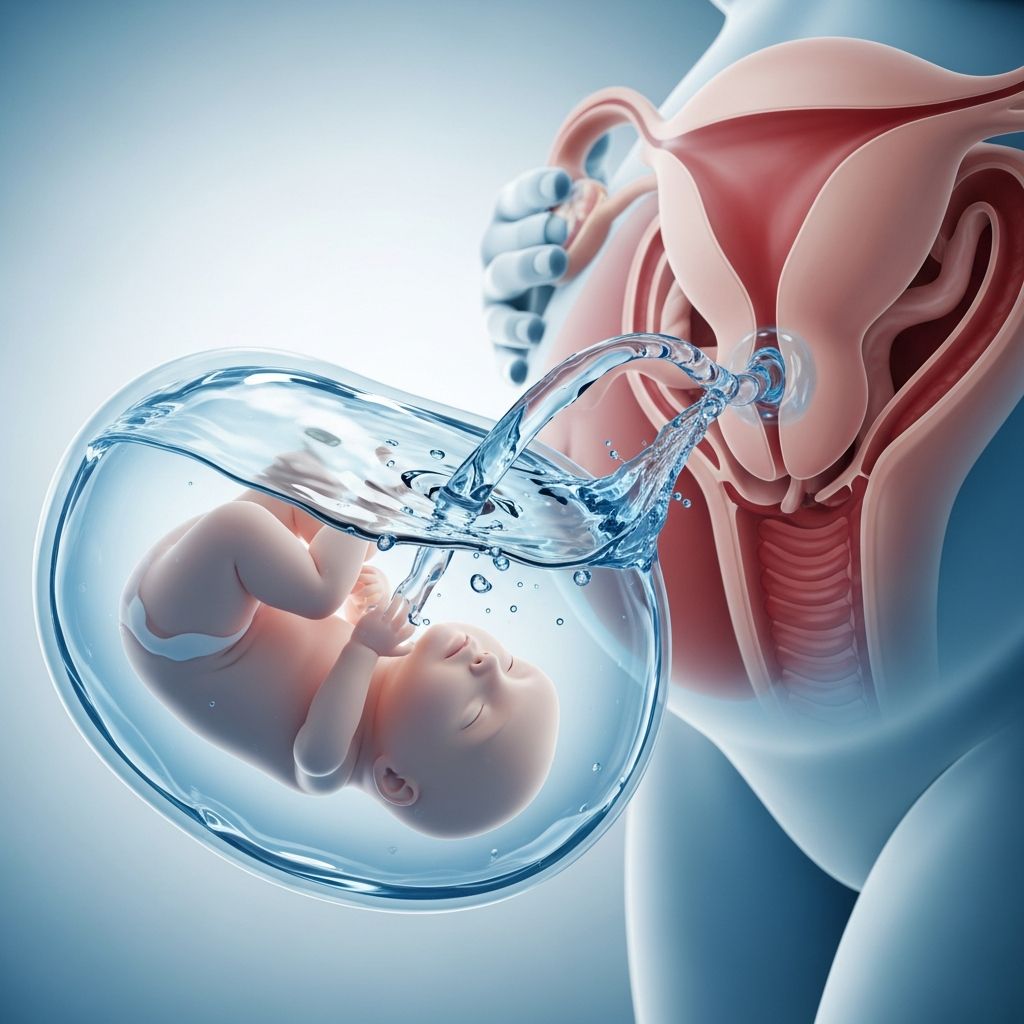
The rupture of the amniotic sac, commonly known as water breaking, marks a pivotal moment in the journey toward childbirth. This event releases the protective fluid surrounding the baby, signaling that labor may be imminent. While often depicted dramatically in media, the reality varies widely among individuals, ranging from a sudden gush to a subtle trickle. Grasping the nuances of this phenomenon empowers expectant parents to respond confidently and seek timely medical advice.
The Role of Amniotic Fluid and the Sac
Throughout pregnancy, the fetus develops within the amniotic sac, a double-layered membrane filled with amniotic fluid. This fluid serves multiple critical functions: it cushions the baby against impacts, maintains a stable temperature, allows freedom of movement for musculoskeletal development, and prevents the umbilical cord from compression. The sac also acts as a barrier against infections.
Typically, the sac remains intact until labor progresses. However, rupture can occur earlier, influenced by factors like the baby’s position or natural hormonal changes softening the membranes. Understanding this prepares parents for what might happen next.
Sensations Associated with Rupture
Experiences of water breaking differ significantly. Some describe a distinct popping sensation in the pelvis or lower abdomen, akin to a balloon bursting, followed by an immediate release of fluid. Others report no audible or felt pop, only noticing wetness afterward.
The fluid release can manifest as:
- A forceful gush, resembling a bucket of water spilling down the legs.
- A steady trickle soaking through clothing or pads continuously.
- Intermittent leaks, especially during movement or contractions, as the baby’s head shifts.
Importantly, the process is painless; any discomfort likely stems from concurrent contractions rather than the rupture itself. Fluid may continue leaking sporadically until delivery, necessitating frequent changes of protective undergarments.
Distinguishing Amniotic Fluid from Other Discharges
Uncertainty often arises in differentiating amniotic fluid from urine or vaginal discharge, particularly amid late-pregnancy incontinence or mucus plug loss. Key characteristics aid identification:
| Feature | Amniotic Fluid | Urine | Vaginal Discharge/Mucus |
|---|---|---|---|
| Odor | Odorless or slightly sweet | Ammonia-like | Musky or bloody |
| Color | Clear, possibly tinged pink/green | Yellow | Thick white, bloody |
| Consistency | Thin, watery | Thicker | Sticky, gel-like |
| Control | Uncontrollable leak | Often holdable | Not leaking constantly |
Meconium staining, indicated by green-tinged fluid, signals fetal distress and requires immediate attention. If doubt persists, avoid tampons or intercourse, use a fresh pad to collect fluid for smell/texture check, and contact a healthcare provider promptly.
Timing: Before, During, or After Labor Onset
Contrary to popular belief, water breaking precedes labor in only about 10-20% of cases; for most (up to 90%), it occurs amid established contractions. When rupture happens first—termed prelabor rupture of membranes (PROM) at term—labor typically ensues within 24 hours for 75% of individuals.
Post-rupture, contractions often intensify due to reduced cushioning, propelling cervical dilation. Providers may perform an amniotomy (artificial rupture) to accelerate stalled labor. Rarely, babies are born en caul, fully encased in the sac.
Preterm Rupture: PPROM Risks and Management
Preterm prelabor rupture of membranes (PPROM), before 37 weeks, complicates 2-3% of pregnancies and heightens risks like infection (chorioamnionitis), placental abruption, cord prolapse, and preterm birth sequelae.
Risk factors include:
- Prior PPROM history
- Infections or inflammation
- Smoking/illicit drugs
- Nutritional deficiencies/underweight
- Cervical insufficiency/short cervix
- Second/third-trimester bleeding
Management balances maturity against infection risk. At ≥34 weeks, delivery is often advised; earlier, corticosteroids accelerate lung maturity, antibiotics combat infection, and magnesium sulfate guards against cerebral palsy. Close monitoring via ultrasounds and non-stress tests is essential.
Immediate Actions After Suspected Rupture
Upon sensing rupture:
- Cease activities; note time, fluid color/odor/amount.
- Call your midwife/OBGYN or labor unit immediately—do not wait for contractions.
- Avoid eating (risk of aspiration if cesarean needed), bathing (infection risk), or sexual activity.
- Use heavy pads (not tampons) to track flow; prepare hospital bag.
- Head to hospital if term (≥37 weeks) or per provider instructions.
Providers confirm via speculum exam (pooling fluid, ferning test) or pH strips (amniotic fluid alkaline).
Potential Complications and Monitoring
Post-rupture infection risk escalates with time: 1-2% within 24 hours at term, rising thereafter, prompting induction if labor delays. Preterm cases demand vigilant fetal heart monitoring and maternal vitals.
Umbilical cord prolapse (cord slips ahead of baby) is a grave emergency, more likely post-rupture in non-cephalic presentations, necessitating urgent cesarean. Meconium aspiration warrants neonatal respiratory support.
Preparation and Delivery Expectations
Arming yourself with knowledge reduces anxiety. Discuss birth plans with providers, including PROM scenarios. Pack essentials: ID, insurance, baby clothes, postpartum supplies. Practice perineal massages to minimize tearing risks.
Post-delivery, monitor for infection signs (fever, foul discharge) and ensure newborn screenings.
Frequently Asked Questions
Does water breaking always mean labor is starting right away?
No, while labor follows soon for most, up to 24 hours may pass before contractions begin, especially at term.
Can I take a bath if my water breaks?
Avoid baths or swimming to prevent infection; showers are safer if approved.
What if my water breaks before 37 weeks?
This is PPROM; contact your provider urgently for hospitalization, steroids, and monitoring.
Is green amniotic fluid dangerous?
Yes, it may indicate fetal distress (meconium passage); seek emergency care.
Will my provider break my water artificially?
Possibly, via amniotomy, to hasten labor if stalled.
References
- Water breaking: Understand this sign of labor — Mayo Clinic (via Johnson Memorial Health). 2023. https://johnsonmemorial.org/jmh-health-information-articles/art-20044142
- Water Breaking: Labor Sign, What It Feels Like & What’s Next — Cleveland Clinic. 2023-10-18. https://my.clevelandclinic.org/health/symptoms/24382-water-breaking
- What to Do When Your Water Breaks — Enfamil. 2024. https://www.enfamil.com/articles/what-to-do-when-your-water-breaks/
- Signs that labour has begun — NHS. 2023. https://www.nhs.uk/pregnancy/labour-and-birth/signs-that-labour-has-begun/
- When Your Waters Break Early (PPROM) — Tommy’s. 2024. https://www.tommys.org/pregnancy-information/pregnancy-complications/waters-breaking-early-pprom
- How Do I Know If My Water Broke or Is Leaking? — Banner Health. 2023. https://www.bannerhealth.com/healthcareblog/teach-me/signs-your-water-is-breaking-during-pregnancy