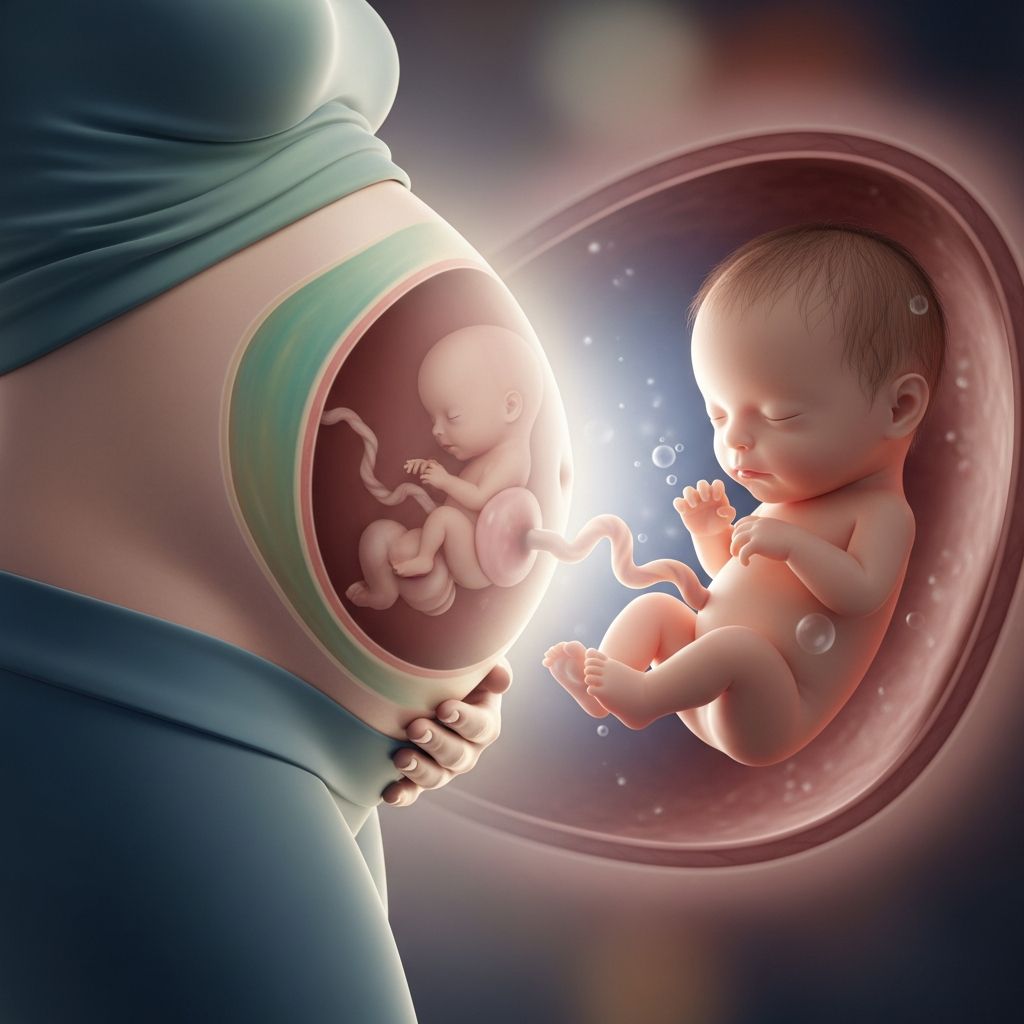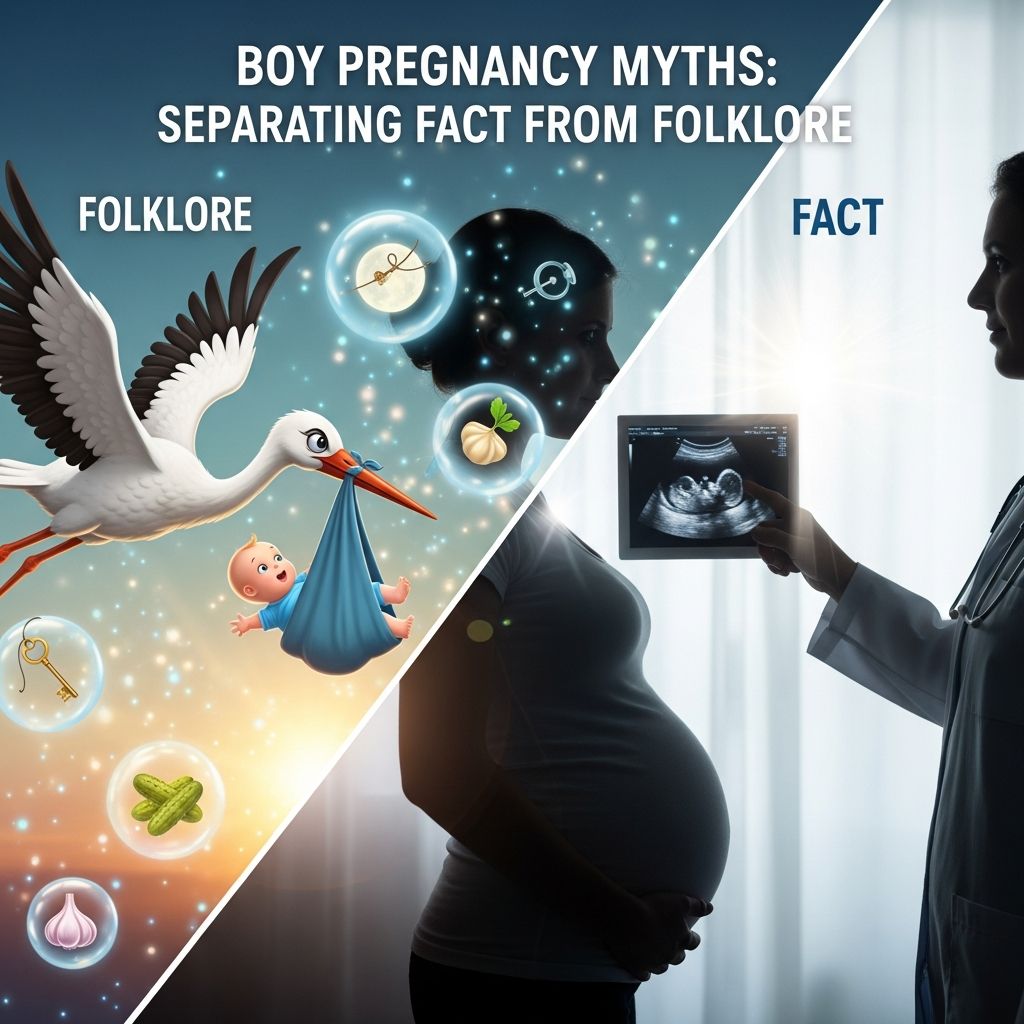
Throughout history, expectant parents have turned to folklore for clues about their baby’s gender. Tales of specific pregnancy symptoms signaling a boy continue to captivate families today. While fun for speculation, these stories lack scientific backing. This article examines popular myths, contrasts them with evidence, and highlights proven methods for gender determination.
Historical Roots of Gender Prediction Traditions
Before ultrasounds and genetic tests, communities relied on observable signs during pregnancy to guess a child’s sex. These anecdotes passed down generations, blending cultural beliefs with everyday experiences. In many societies, a protruding belly or hearty appetite hinted at a boy, reflecting ideals of strength and vitality.
Today, with medical advancements, such predictions serve more as entertainment than reliable indicators. Understanding their origins helps appreciate why they endure, even as science debunks them.
Decoding Common Signs Attributed to Carrying a Boy
Expectant mothers often hear predictions based on physical and emotional changes. Let’s break down the most widespread claims.
Lower Fetal Heart Rate as a Boy Indicator
One enduring myth posits that a fetal heart rate under 140 beats per minute (bpm) signals a boy, while higher rates suggest a girl. This idea stems from early observations of newborns’ heart rates varying by sex.
Medical experts clarify that fetal heart rates normally range from 110 to 160 bpm, fluctuating with gestational age and activity. No consistent link exists between rate and gender. Doppler devices at checkups measure this vital sign for health monitoring, not prediction.
Food Cravings: Salty Snacks for Sons?
Craving chips, pickles, or meats? Folklore claims these savory preferences mean a boy, contrasting with sweet tooths for girls. Proponents tie this to nutritional needs for a ‘strong’ male fetus.
Hormonal shifts drive cravings, influenced by nutritional gaps or psychological factors, not sex. A 2024 study noted slightly higher calorie intake with boys, but no specific food ties. Listen to your body, but consult providers for balanced nutrition.
Morning Sickness Patterns and Gender Guesses
Less nausea supposedly points to a boy, as girls trigger worse symptoms via higher hormones. Many share stories of smooth pregnancies with sons.
Evidence shows a slight correlation: women carrying girls report more nausea, per a 2021 study in Archives of Obstetrics & Gynecology and a 2020 analysis of 4,320 pregnancies. However, overlap is vast; many boy pregnancies involve sickness, and severity varies individually.
Skin, Hair, and the ‘Pregnancy Glow’ Myth
Acne or dull hair? Some say boys ‘steal’ beauty, while girls enhance it. Conversely, shiny locks and clear skin predict sons.
Hormones cause skin changes universally. No studies link complexion or hair to gender. Focus on gentle skincare routines approved for pregnancy.
Belly Shape: High and Out Front for Boys
A basketball-like frontal bump suggests a boy, per lore, due to their shape. Low, wide bellies allegedly mean girls.
Abdominal shape depends on muscle tone, uterus position, and multiples, not sex. First pregnancies often carry higher regardless.
Scientific Insights into Boy vs. Girl Pregnancies
Beyond myths, research reveals subtle differences. Male fetuses grow faster, demanding more placental efficiency. This can lead to larger placentas relative to birth weight, increasing risks if nutrition falters.
A 2011 study linked larger breast growth to boys, hinting at maternal adaptations. Yet, symptoms remain too variable for prediction.
| Myth | Claim for Boy | Scientific Verdict |
|---|---|---|
| Fetal Heart Rate | <140 bpm | No correlation; normal range 110-160 bpm |
| Cravings | Salty/savory | Hormonal, not sex-specific |
| Morning Sickness | Mild or absent | Slightly more with girls, but unreliable |
| Belly Shape | High, frontal | Depends on body type, not gender |
| Skin/Hair | Acne, dull hair | Hormone-driven, no link |
Reliable Methods to Determine Baby’s Gender
For certainty, turn to medicine. Non-invasive prenatal testing (NIPT) detects gender via maternal blood as early as 6-10 weeks, screening chromosomal conditions too.
- Ultrasound: Standard at 18-22 weeks; visualizes genitals if positioned well.
- Amniocentesis/CVS: Invasive, for high-risk cases, confirming sex and health.
- Cell-Free DNA Test: Highly accurate from week 10.
These outperform folklore, with 95-99% accuracy for NIPT and ultrasound.
Cultural Perspectives on Gender Folklore Worldwide
Boy predictions vary globally. In Vietnam, a cool belly hints at sons; Chinese calendars use lunar math. Mayan systems factor parental ages. These enrich traditions but hold no empirical weight.
Embracing them fosters joy, but pairing with facts prevents misinformation.
Navigating Pregnancy Symptoms Regardless of Gender
Focus on health over guesses. Track symptoms via apps for patterns. Manage nausea with ginger, small meals. Stay hydrated, eat nutrient-rich foods.
Consult obstetricians for concerns. Prenatal vitamins support fetal growth, vital for faster-growing boys.
Psychological Impact of Gender Expectations
Predictions add excitement but can pressure parents. Unmet guesses disappoint; reveal parties amplify stakes. Emphasize the miracle beyond sex.
Frequently Asked Questions
Does no morning sickness mean I’m having a boy?
Not definitively. While girls correlate with more nausea, many boy pregnancies include it. Individual factors dominate.
Can cravings predict gender?
No. Savory or sweet urges stem from hormones and needs, not sex.
What’s the earliest way to know baby’s sex?
NIPT blood tests from 6 weeks offer high accuracy without invasion.
Is fetal heart rate a reliable boy/girl sign?
False. Rates vary widely; under 140 bpm doesn’t confirm boys.
Do boys cause different bump shapes?
Myth. Shape relies on abs, posture, and pregnancy number.
Embracing the Mystery with Modern Knowledge
Pregnancy blends wonder and science. Myths entertain, but tests empower informed choices. Celebrate every kick, craving, and glow—boy or girl, your journey is unique.
References
- Signs you are having a baby boy: Myths and facts — Vinmec. 2023. https://www.vinmec.com/eng/blog/signs-you-are-pregnant-with-a-boy-rumors-and-facts-en
- Boy vs. girl pregnancy symptoms: myths vs. facts — Femia Health. 2024. https://femia.health/health-library/pregnancy/pregnancy-health/boy-vs-girl-pregnancy-symptoms/
- Boy Pregnancy versus Girl Pregnancy Symptoms — Cleveland Clinic Abu Dhabi. 2023. https://www.clevelandclinicabudhabi.ae/en/health-byte/health/boy-pregnancy-versus-girl-pregnancy-symptoms
- Signs you are having a boy or girl: Myths vs. facts — Medical News Today. 2023-10-27. https://www.medicalnewstoday.com/articles/322399
- Boys Live Dangerously in the Womb — PMC / NIH. 2014. https://pmc.ncbi.nlm.nih.gov/articles/PMC3923652/
- Old Wives’ Tales for Gender Prediction: Which Hold True? — Healthline. 2023. https://www.healthline.com/health/pregnancy/old-wives-tales-gender