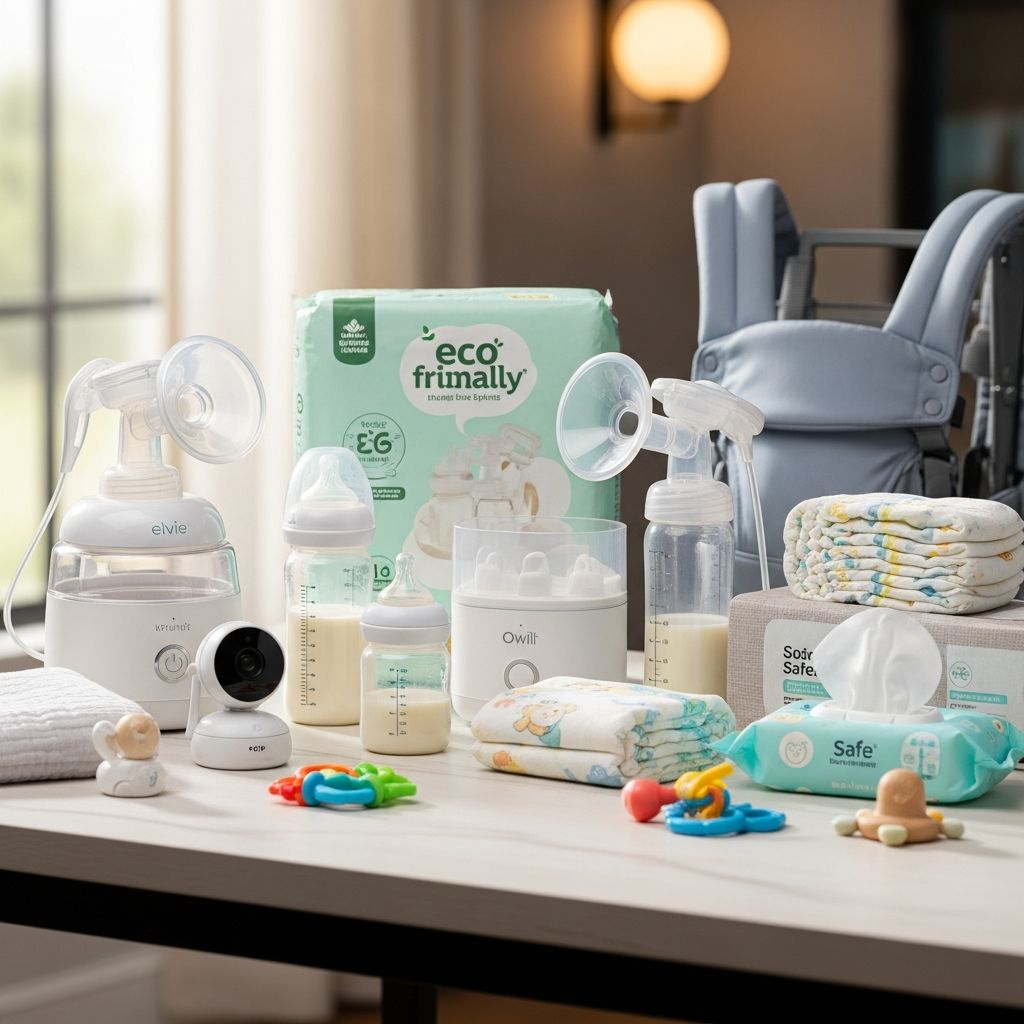
Preparing for a new baby can feel overwhelming, especially when you start adding up the cost of gear, diapers, and nursing supplies. The good news is that you can create a comfortable, breastfeeding-friendly setup and stock up on baby basics without overspending by shopping strategically at Walmart.
This guide walks through the most useful breastfeeding tools, everyday baby essentials, and money-saving tactics so you can focus less on shopping stress and more on bonding with your baby.
Why Walmart Works for New Parents
Walmart’s combination of low prices, frequent promotions, and wide product range makes it a practical one-stop shop while you prepare for your baby’s arrival. Instead of visiting multiple stores, you can build your entire breastfeeding station and newborn care kit in one place.
- Competitive prices on big-ticket baby items like pumps, nursery gear, and baby monitors.
- Plenty of store-brand and value bundles that help you stretch your budget further.
- Online ordering, store pickup, and delivery options that save time in the newborn phase.
With a bit of planning and a clear list, you can avoid impulse buys and make sure every purchase supports comfort, safety, and convenience.
Breastfeeding Basics: What You Actually Need
Breastfeeding equipment ranges from simple nursing pads to high-tech electric pumps. You don’t need everything on the shelf, but a small set of well-chosen tools can make a big difference in comfort and milk supply.
Core Breastfeeding Gear Checklist
Start with a few essentials that support both feeding and recovery. These items are widely available at Walmart in various brands and price points.
- Nursing bras and camisoles: Soft, wireless styles with easy-open clips or stretchy necklines make on-demand feeding smoother, especially at night.
- Breast pads: Reusable or disposable pads help manage leaks and protect clothing, particularly in the early weeks when supply is regulating.
- Nipple cream or balm: A lanolin-based or plant-based ointment can soothe soreness and protect skin during the learning curve.
- Supportive pillow: A contoured nursing pillow helps position baby at breast height, reducing strain on your back, neck, and shoulders.
- Water bottle and small snack basket: Breastfeeding is thirsty work; keeping hydration and snacks near your nursing chair encourages self-care.
These items create a foundation for comfortable, on-demand nursing whether you are exclusively breastfeeding or planning to introduce pumping later.
Manual vs. Electric Breast Pumps
If you plan to return to work, share feeds with a partner, or build a freezer stash, a breast pump becomes an important part of your setup. Walmart carries both manual and electric models, often in bundles that include bottles and storage accessories.
| Feature | Manual Pump | Electric Pump |
|---|---|---|
| Best for | Occasional pumping, travel, emergencies | Regular pumping, returning to work, building supply |
| Price range (approx.) | Low | Medium to high |
| Speed | Slower, hand-powered | Faster, multiple modes and suction levels |
| Portability | Very portable, no power needed | Portable if battery-powered; may need outlet |
| Noise level | Very quiet | Varies: some discreet, others louder |
Many parents start with a manual pump for flexibility and add a double electric pump if they transition to regular pumping sessions. When browsing Walmart’s selection, check for options that include multiple flange sizes, a tote, and bottles to maximize value.
Feeding Accessories That Make Life Easier
Beyond the pump itself, accessories help keep your routine clean, organized, and time-efficient. These do not need to be top-of-the-line, but buying smart can simplify everyday feeding.
Bottles, Storage, and Cleaning Tools
- Breast milk storage bags: Look for leak-resistant, pre-sterilized bags with clear volume markings. Buying multi-packs at Walmart usually reduces the cost per bag.
- Bottles and nipples: Start with a small variety of bottle shapes and nipple flows until you learn your baby’s preferences, then stock up on your favorite brand.
- Bottle brush and drying rack: A long-handled brush and a compact drying rack keep feeding items hygienic and contained on the counter.
- Microwave steam bags or sterilizer: These tools make quick work of sanitizing bottles, pump parts, and pacifiers—especially useful in the early months.
Try not to buy a huge set of bottles before your baby arrives. Starting small and expanding once you know what works can save money and cabinet space.
Comfort and Support During Feeds
- Nursing covers or lightweight swaddles: These can double as covers if you prefer privacy in public or during visits.
- Burp cloths and bibs: Multi-packs of cotton cloths and simple bibs keep both you and baby cleaner after feeds.
- Small side table or caddy: Use an inexpensive end table, rolling cart, or storage bin from Walmart to hold pumping pieces, burp cloths, and snacks near your nursing area.
Think of your nursing area as a mini command center. A few low-cost organization pieces can save you countless trips across the room when baby is finally latched and comfortable.
Building a Baby-Friendly Home on a Budget
Breastfeeding gear is only part of the puzzle. Diapers, wipes, clothing, and bath items add up quickly, but there are simple ways to keep costs down while still choosing safe, reliable products at Walmart.
Diapers, Wipes, and Changing Area
- Diapers: Instead of stocking a whole closet with newborn size, buy smaller packs in newborn and size 1. Babies outgrow early sizes quickly, and Walmart’s store brands can be a great value for everyday use.
- Wipes: Unscented, sensitive wipes in bulk boxes are usually cheaper per wipe and gentle on new skin.
- Changing pad and covers: A wipeable changing pad with two or three washable covers is more cost-effective than multiple fancy changing stations.
- Diaper pail or trash solution: Whether you choose a specialty pail or a lidded trash can with bags, keeping odors contained near your changing area is key.
Set up one main changing station in the nursery and a mini travel kit with a foldable pad, a few diapers, and wipes for the living room or car.
Clothing, Sleepwear, and Swaddles
Walmart’s baby clothing lines include both name brands and budget-friendly basics. Focus on soft fabrics, easy-access designs, and pieces that mix and match rather than elaborate outfits.
- Onesies and bodysuits: Envelope necklines and snap closures at the crotch make diaper changes easier. Multipacks stretch your budget and simplify laundry.
- Sleepers: Look for zipper sleepers (ideally with two-way zips) for faster nighttime changes, especially in the first few months.
- Swaddles and sleep sacks: Velcro or zip-up swaddles can be easier to use in the middle of the night than traditional blankets.
- Seasonal layers: Lightweight cardigans, hats, and socks help you adjust to indoor and outdoor temperatures without buying an entirely separate wardrobe.
Remember that babies grow quickly. Buying a modest amount in each size and adding pieces as needed keeps your budget and drawers under control.
Organizing Your Breastfeeding and Baby Supplies
Even the best gear can feel chaotic if it is scattered throughout the house. Using affordable storage solutions from Walmart can transform your space into an easy-to-navigate baby zone.
Simple Storage Ideas
- Fabric bins and baskets: Group items by category—diapers in one, feeding gear in another, bath items in a third—to make restocking simple.
- Rolling carts: A slim, tiered cart can move between your bedroom, living room, and nursery loaded with burp cloths, nursing pads, and snacks.
- Drawer dividers: Use inexpensive organizers to separate onesies, socks, hats, and bibs so you can grab what you need with one hand.
- Over-the-door organizers: Clear-pocket organizers are great for storing lotions, creams, extra wipes, and small feeding accessories.
Creating a designated home for each type of item also makes it easier for partners and visitors to help out. If everyone knows where the bottle brush or diaper cream lives, you are not the only one keeping the household running.
Money-Saving Strategies at Walmart
With a bit of strategy, you can significantly lower your baby and breastfeeding expenses at Walmart. You don’t have to sacrifice quality—just shop smart.
Leverage Registries, Bundles, and Store Brands
- Create a baby registry: Friends and family often appreciate having a single, convenient place to shop. Registries also help you avoid duplicate gifts.
- Look for value packs: Multi-packs of bottles, wipes, burp cloths, and storage bags usually have a lower per-item cost than buying singly.
- Try store-brand basics: Walmart’s store-brand diapers, wipes, and breastfeeding accessories can offer similar performance at a lower price. Consider starting with a small package and upgrading only if needed.
- Watch for seasonal sales: Big sales often happen around major holidays and baby-focused promotions, so timing large purchases (like pumps and nursery gear) can lead to solid savings.
It can also help to choose neutral colors and versatile designs. These items can be reused for future children or easier to resell when your baby outgrows them.
Sample Walmart Baby & Breastfeeding Starter List
Use this sample list as a starting point and adjust it to your lifestyle, home size, and feeding goals. You don’t have to buy everything at once—spread purchases out over your pregnancy to ease the financial load.
| Category | Essential Items | Suggested Quantity |
|---|---|---|
| Breastfeeding Comfort | Nursing bras, camisoles, nursing pillow, nipple cream, nursing pads | 2–4 bras, 2 camisoles, 1 pillow, 1 tube cream, 1–2 boxes pads |
| Pumping & Storage | Manual or electric pump, storage bags, extra pump parts, bottle set | 1 pump, 1–2 boxes bags, 1 spare parts kit, 4–6 bottles |
| Diapering | Diapers, wipes, changing pad, diaper cream, diaper pail or lidded trash can | 1–2 small packs per size, 1 bulk box wipes, 1 pad, 1 cream, 1 pail |
| Clothing & Sleep | Onesies, sleepers, swaddles, socks, hats | 6–8 onesies, 4–6 sleepers, 2–4 swaddles, 4–6 pairs socks, 2 hats |
| Bath & Care | Baby wash, lotion, soft towels, washcloths, nail clippers, brush | 1 wash, 1 lotion, 2–3 towels, 4–6 washcloths, 1 clippers, 1 brush |
| Organization | Storage bins, drawer dividers, small cart or caddy, drying rack | Varies by home; start with 3–4 bins and 1 rack |
Use this checklist as a flexible guide rather than a rigid rulebook. You can always add more once your baby arrives and you understand your daily routine.
Frequently Asked Questions About Walmart Baby & Breastfeeding Essentials
Do I need a hospital-grade breast pump, or is a standard electric pump enough?
Most breastfeeding parents do well with a standard double electric pump for regular use at home, work, or on the go. Hospital-grade pumps are generally more powerful and designed for special situations, such as establishing supply when baby cannot nurse effectively, and are often rented rather than purchased.
Is it safe to buy store-brand diapers, wipes, and breast milk storage bags?
Store-brand baby products must meet safety and quality standards, and many families find they perform as well as name brands. A good approach is to start with a small package from a store brand and monitor your baby for any irritation or leaks before committing to bulk purchases.
How many nursing bras and tops should I buy before my baby arrives?
A practical starting point is two to four nursing bras and one or two nursing-friendly camisoles or tops. This gives you enough options to rotate through laundry without overbuying while your body size and preferences are still changing.
Should I buy formula supplies if I plan to exclusively breastfeed?
Some parents like to keep a small backup of formula and a couple of bottles in case of unexpected situations, while others prefer to wait. If you want to focus on exclusive breastfeeding, you can prioritize nursing and pumping supplies and decide on formula later if your feeding plan changes.
How can I avoid overspending on baby gear at Walmart?
Go in with a clear list, start with essentials, and resist buying every novelty gadget marketed to new parents. Focus on multipurpose items, look for bundles and sales, and use a registry to let friends and family contribute to bigger purchases you truly need.
Creating a Calm, Supportive Start
Thoughtful planning, budget-conscious choices, and a focused list of breastfeeding and baby essentials can transform Walmart from an overwhelming warehouse of baby gear into a powerful ally for your growing family. Instead of chasing every trend, invest in comfortable feeding tools, practical storage, and everyday basics that make your home feel ready for those first weeks of bonding, feeding, and finding your new rhythm together.