What Is a Voiding Cystourethrogram?
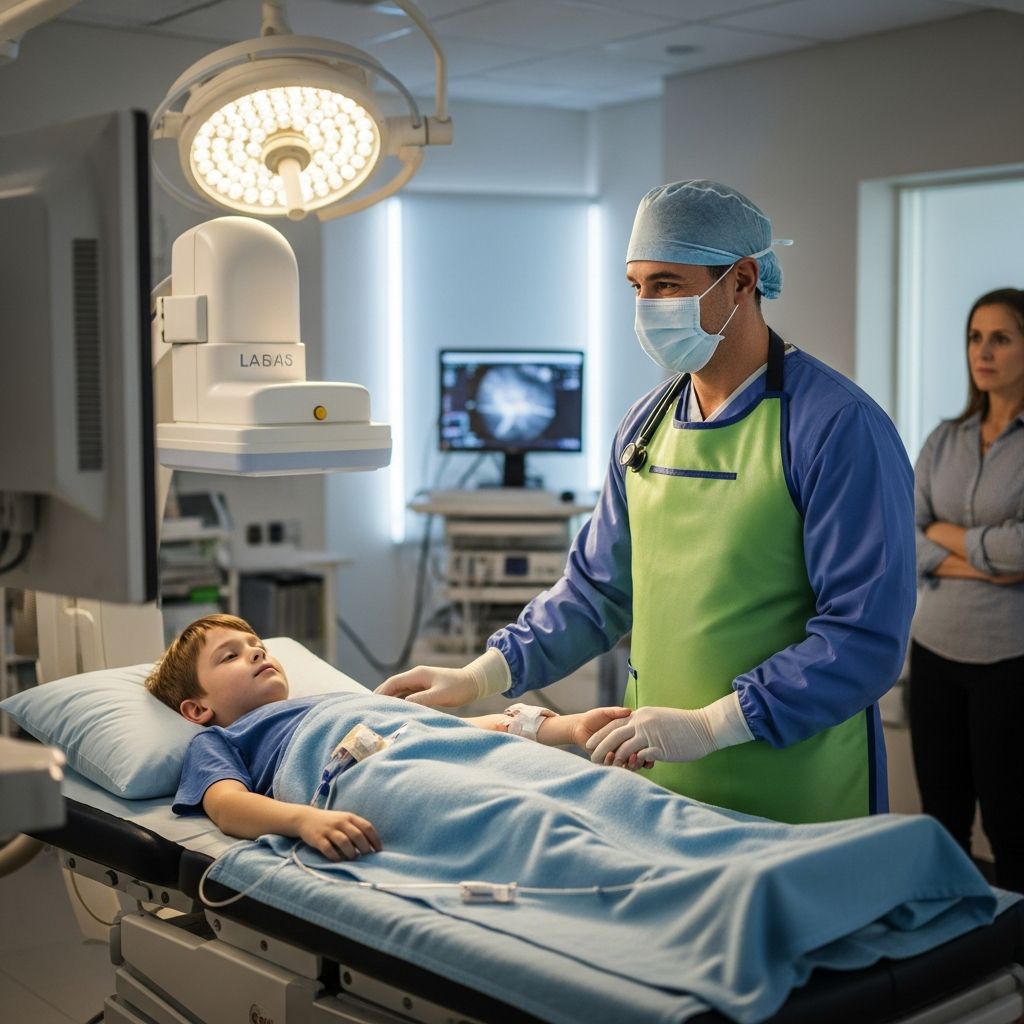
A voiding cystourethrogram, commonly abbreviated as VCUG, is a specialized imaging test that uses X-ray technology combined with a contrast dye to visualize how your child’s urinary system functions during the filling and emptying of the bladder. The procedure allows physicians to observe the anatomical structures of the bladder and urethra in real-time, capturing dynamic images that reveal whether urine flows normally through the system or if there are structural or functional abnormalities.
The test employs fluoroscopy, a continuous X-ray technique that produces real-time video images on a monitor, enabling the radiologist to watch the entire process as it occurs rather than capturing static photographs. This dynamic visualization is particularly valuable because the urinary tract’s function depends on proper coordination and movement, which static images alone cannot demonstrate.
Why Physicians Order VCUG Testing
Healthcare providers recommend VCUG for several important clinical reasons, with the most common indication being the evaluation of vesicoureteral reflux, a condition where urine flows backward from the bladder into the ureters and kidneys rather than exiting the body through normal pathways. This backward flow can lead to recurrent kidney infections and potential long-term damage to kidney tissue, making early detection critical.
The following circumstances typically warrant VCUG evaluation:
- Recurrent or chronic urinary tract infections in infants and children
- Suspected vesicoureteral reflux based on clinical presentation or imaging findings
- Fever of unknown origin in young children, as UTIs can present without typical symptoms
- Abnormal renal ultrasound findings suggesting possible urinary tract abnormalities
- Known reflux in a sibling, as the condition can run in families
- History of prenatal kidney abnormalities identified on maternal ultrasound
- Suspected urethral obstructions or strictures
VCUG is the gold standard diagnostic test for detecting vesicoureteral reflux and remains the most widely performed fluoroscopic examination of the pediatric urinary tract. Its ability to show both anatomical structure and functional behavior makes it indispensable for proper diagnosis and treatment planning.
How the VCUG Procedure Works
Understanding the step-by-step process of VCUG can help reduce anxiety and prepare your child for what to expect. The entire procedure, including preparation, typically requires 20 to 30 minutes.
Initial Preparation and Positioning
Your child will be placed on a specialized X-ray table in a supine position, typically with legs positioned in what medical professionals call the frog position or butterfly position, where the knees are bent and the legs are spread apart to provide optimal visualization of the urinary tract. A technologist will explain the procedure in age-appropriate language and answer any questions you or your child may have.
Catheter Insertion
A healthcare provider will gently insert a flexible catheter—a thin, hollow plastic tube slightly smaller in diameter than the urethra—into the urethra and carefully advance it into the bladder. The catheter may be secured to your child’s leg with tape to prevent accidental displacement during the imaging process. While this portion of the procedure may feel uncomfortable or unfamiliar, it typically causes minimal discomfort and lasts only a few moments.
Contrast Administration
Once the catheter is properly positioned in the bladder, an iodine-based contrast material—a special dye that appears bright white on X-ray images—flows through the catheter to gradually fill the bladder. This contrast material allows the radiologist to see the bladder’s outline and contours clearly on the imaging monitor. As the bladder fills, your child may experience the urge to urinate, but the radiologist will encourage them to hold the contrast material in the bladder temporarily to allow complete filling.
Imaging During Filling
While the bladder fills with contrast material, the radiologist will activate the fluoroscopy unit and obtain multiple X-ray images. Your child may be asked to roll slightly from side to side to ensure complete visualization of all bladder surfaces and to check whether any contrast material is refluxing into the ureters or kidneys. The technologist will remain behind a protective wall during X-ray activation to minimize radiation exposure.
Voiding Phase
Once the bladder reaches full capacity, your child will be encouraged to void (urinate) while remaining on the X-ray table. The radiologist will supply a bedpan or urinal to collect the urine, or for very young children and infants, absorbent pads may be used. The radiologist may warm water on the child’s genital area to stimulate urination in younger children. During this critical phase, the catheter will naturally slide out as your child voids, and additional X-ray images are captured to show the direction and pattern of urine flow. After voiding is complete, a few final images are obtained to ensure the study is thorough and diagnostic.
Preparation for Your Child’s VCUG
Proper preparation can significantly reduce anxiety and improve the quality of the examination. Before your child’s scheduled procedure, your radiologist’s office or hospital will provide specific instructions tailored to your child’s age and individual circumstances.
Key preparation considerations include:
- Scheduling the procedure at a time when your child is typically well-rested and less irritable
- Explaining the procedure in simple, age-appropriate language several days before the appointment
- Avoiding excessive fluids immediately before the procedure, as the technologist will need to insert a catheter and the bladder will be filled with contrast
- Ensuring your child wears loose, easily removable clothing for quick changes if accidents occur
- Bringing comfort items such as a favorite stuffed animal or blanket
- Arranging for your child to have a comfortable bathroom immediately after the procedure
- Informing your healthcare provider of any allergies, particularly to iodine or shellfish, as the contrast contains iodine
Understanding VCUG Results and Grades
After your child’s VCUG is complete, the radiologist carefully analyzes the images to evaluate the structure and function of the urinary tract. If vesicoureteral reflux is detected, the radiologist assigns a grade ranging from one to five, with one representing mild reflux and five indicating severe reflux.
The grading system helps determine the extent of reflux and guides treatment decisions:
| Grade | Severity Level | Characteristic Findings |
|---|---|---|
| 1 | Mild | Contrast enters ureters only during voiding |
| 2 | Mild to Moderate | Contrast reaches ureters and renal pelvis without dilation |
| 3 | Moderate | Mild to moderate dilation of ureters and renal pelvis present |
| 4 | Moderate to Severe | Dilation of ureters, renal pelvis, and collecting system noted |
| 5 | Severe | Significant dilation with loss of normal papillary impressions |
Your healthcare provider will discuss your child’s specific results with you and explain what the findings mean for your child’s health. The grade influences which treatment approach—whether observation, prophylactic antibiotics, or surgical intervention—will be recommended.
After the VCUG: What to Expect
One of the advantages of VCUG is that children typically recover quickly with no extended downtime. Your child can return to normal activities immediately after the procedure. However, some children may experience mild discomfort or irritation in the urethra for a day or two following the test.
To promote comfort and healing after VCUG:
- Encourage increased fluid intake to promote urination and help flush the urinary tract
- Allow warm baths or showers, which can soothe any urethral irritation
- Monitor for signs of urinary tract infection, including fever, dysuria, or foul-smelling urine
- Contact your healthcare provider if your child develops fever above 101°F or exhibits persistent symptoms
- Avoid constipation, which can increase pressure on the urinary tract
Addressing Parental Concerns and Anxiety
Many parents feel apprehensive about their child undergoing imaging procedures, particularly when catheterization is involved. However, understanding what occurs during the procedure and the critical role it plays in your child’s diagnosis and treatment can help ease these concerns.
Healthcare teams at pediatric imaging centers are extensively trained in working with anxious children and parents. They employ age-appropriate explanations, maintain a calm demeanor, and work with your child to make the experience as comfortable as possible. Your presence during the procedure, when permitted by facility protocols, can provide significant reassurance to your child.
Important Considerations Regarding Radiation
Parents naturally worry about radiation exposure during X-ray procedures. Modern fluoroscopy equipment uses the lowest radiation doses necessary to obtain diagnostic images. Radiologists employ fluoroscopy, a real-time imaging technique, rather than multiple individual X-rays, which allows them to minimize the number and duration of X-ray exposures needed. The radiation dose from a VCUG is typically very low and the diagnostic benefits far outweigh any theoretical risks from this brief exposure.
Frequently Asked Questions
Is VCUG painful for my child?
The catheter insertion may feel uncomfortable or unusual, but it causes minimal pain for most children. Many children describe a brief sensation of pressure or mild discomfort rather than actual pain. The imaging portion of the procedure causes no discomfort. Your healthcare team can discuss pain management options if your child has particular anxiety about the procedure.
How long does the entire procedure take?
Including preparation and explanation, the complete VCUG procedure typically takes 20 to 30 minutes, with the actual imaging portion lasting less than the entire appointment time.
Will my child need anesthesia for the VCUG?
Most VCUG procedures are performed without general anesthesia or sedation. Your child remains awake and alert throughout the procedure. Discuss any specific concerns with your child’s healthcare provider before the appointment.
Can I stay in the room during the procedure?
Most pediatric imaging centers allow parents to remain with their child during the procedure, which can provide significant reassurance. Check with your facility regarding their specific policies.
What should I tell my child about VCUG before the appointment?
Use simple, honest language appropriate to your child’s age. Explain that doctors need to take special pictures of how their bladder works, that a thin tube will be placed, and that they will feel the urge to urinate while on the table. Picture books or videos from your healthcare facility can help prepare younger children.
Will VCUG results definitely show whether my child has reflux?
VCUG is the gold standard test for detecting vesicoureteral reflux and is highly accurate. However, no test is 100 percent sensitive in all cases. Your healthcare provider may recommend repeat VCUG in certain situations, such as in infants where a second imaging session can improve detection rates.
What happens if VCUG shows reflux?
Your healthcare provider will discuss treatment options based on the severity grade and your child’s individual circumstances. Some children with mild reflux may be managed with close observation and preventive antibiotics, while others may require surgical intervention.
Are there alternatives to VCUG?
VCUG remains the standard diagnostic test for evaluating vesicoureteral reflux. While other imaging modalities like ultrasound can provide information about kidney anatomy, they cannot assess functional abnormalities or detect reflux as effectively as VCUG.
References
- Voiding Cystourethrogram (VCUG): Procedure & Results — Cleveland Clinic. 2024. https://my.clevelandclinic.org/health/diagnostics/16431-vcug
- Pediatric VCUG (Voiding Cystourethrogram) — Radiologyinfo.org. 2024. https://www.radiologyinfo.org/en/info/voidcysto
- Voiding Cystourethrogram (VCUG) — Children’s Hospital of Philadelphia. 2024. https://www.chop.edu/treatments/voiding-cystourethrogram-vcug
- The ABCs of Voiding Cystourethrography — PubMed Central/National Center for Biotechnology Information. 2022. https://pmc.ncbi.nlm.nih.gov/articles/PMC9432100/
- Voiding Cystourethrogram (VCUG) — Boston Children’s Hospital. 2024. https://www.childrenshospital.org/conditions-treatments/voiding-cystourethrogram