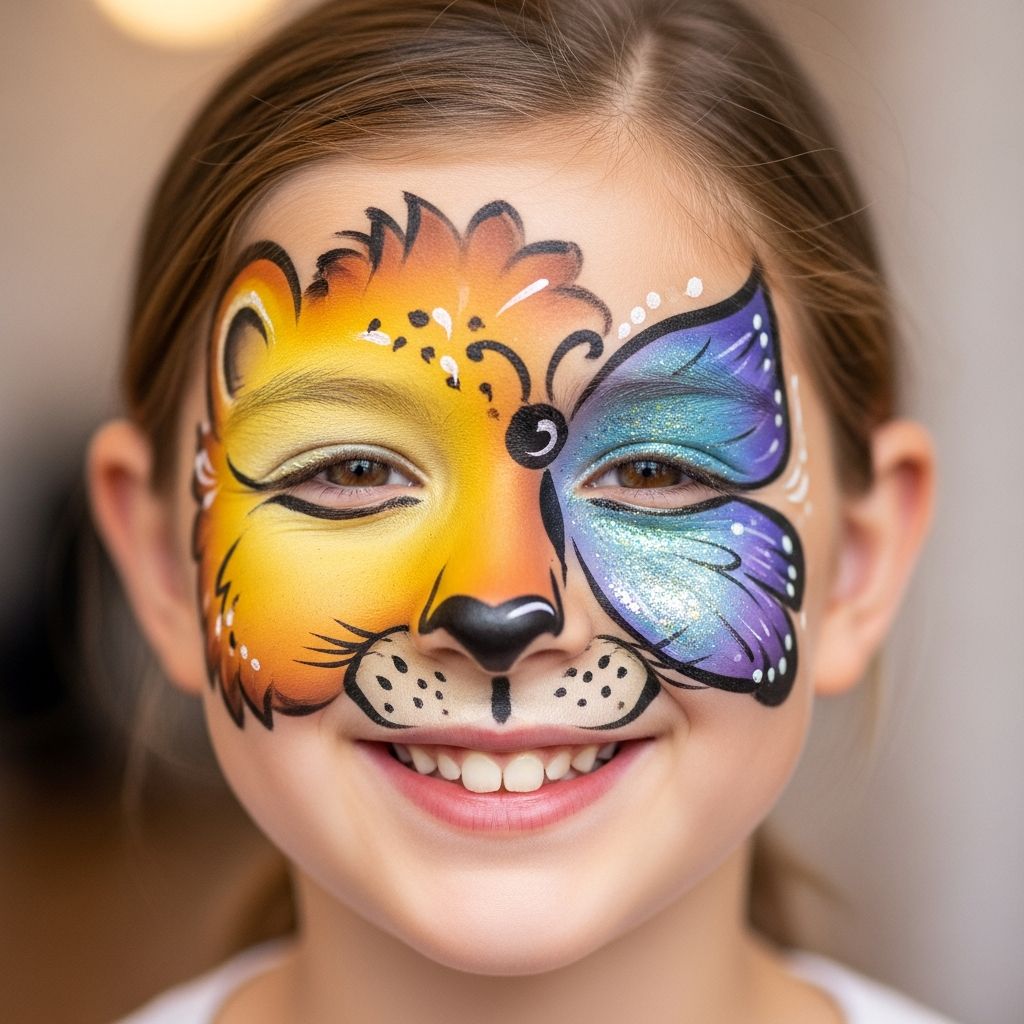
Face painting can turn an ordinary afternoon into a mini carnival, especially for young kids who love pretending to be animals, superheroes, and totally ridiculous characters. The goal is not perfection; it is connection, silliness, and a few priceless photos before the paint smears off on a snack napkin.
This guide shares child-friendly, easy-to-paint designs along with practical tips to keep things safe, quick, and fun, even if you do not consider yourself artistic.
Why Funny Face Paint Works So Well With Little Kids
Preschoolers and early elementary-age kids love anything that lets them transform into someone (or something) else, and face paint delivers that instant change with just a few strokes of color. Funny designs help keep the mood light, especially for kids who might be shy or nervous about getting paint on their faces.
For parents and caregivers, playful designs are a low-pressure way to create memories: they do not need to look professional, they just need to make kids giggle and feel special for a little while.
Face Paint Basics: What Grown-Ups Need To Know First
Before breaking out the bright colors, it helps to set up your space and tools so painting goes smoothly. A little preparation prevents most of the mess, meltdowns, and chaos that can come with excited kids and open paint.
- Choose kid-safe paint: Look for water-based, cosmetic-grade paints specifically labeled for use on skin, and avoid craft acrylics or markers.
- Test for sensitivities: Do a small patch test on the inside of a wrist or arm and wait a few minutes before painting the entire face.
- Set up a painting station: Use a small table and child-sized chair, plus a mirror so kids can watch the transformation in real time.
- Keep cleanup supplies handy: Have baby wipes, cotton pads, and gentle soap ready for inevitable smudges and post-party removal.
Materials Checklist For Stress-Free Face Painting
You do not need a huge kit to create fun looks. A small set of quality products is better than a giant box of flaky, hard-to-use paints.
| Item | Why You Need It | Beginner Tip |
|---|---|---|
| Water-based face paints | Safe for kids’ skin and easy to wash off with soap and water. | Start with a basic palette: white, black, red, blue, yellow, and a metallic or glitter gel. |
| Soft brushes | Small, medium, and flat brushes make outlines, details, and larger areas easier to cover. | Use separate brushes for light and dark colors to save time on rinsing. |
| Sponges | Great for quickly covering cheeks and foreheads with a base color. | Cut cosmetic sponges into halves or quarters for tiny faces. |
| Glitter and shimmer (cosmetic grade) | Adds sparkle without heavy detail work. | Apply while paint is still slightly damp, and avoid the eye area. |
| Mirror | Lets kids see the process and final result, reducing wiggling and questions. | Place it where you can maintain eye contact but still work easily. |
Funny Face Paint Designs Kids Love
The following design ideas are intentionally simple but visually fun, so beginners can pull them off without feeling overwhelmed. Use them as starting points and tweak colors, shapes, and details to match your child’s personality.
1. The Silly Superhero Mask
Kids love superhero masks, and a funny twist makes the whole idea feel less serious and more playful. Instead of aiming for a perfect comic-book replica, lean into exaggerated shapes and unexpected colors.
How To Paint A Silly Superhero Mask
- With a sponge, dab a light base color (like bright blue or lime green) across the area around the eyes, stopping above the cheekbones.
- Use a medium brush and a darker color to outline the mask shape, swooping upward at the temples like dramatic wings or lightning bolts.
- Add two or three playful elements: a star on one cheek, a lightning bolt near the temple, or a squiggly line like a motion blur.
- Finish with white dots or small highlights along the edges to make the mask pop in photos.
If your child has a favorite letter, paint it small on the forehead as their “hero logo” so they can announce a brand-new made-up character.
2. The Goofy Animal Mash-Up
Instead of a traditional cat, dog, or tiger, create a totally made-up creature that mixes features from all three. Kids get to help invent the character, and there is no way to “get it wrong,” which is ideal for nervous beginners.
Suggested Goofy Combinations
- Cat-bunny-dog: Cat whiskers, floppy bunny ears painted on the forehead, and a spotted puppy nose.
- Tiger-frog: Stripes on the cheeks and a big green nose with tiny frog spots on the bridge.
- Unicorn-panda: Soft panda-style eyes with a rainbow horn painted above the eyebrows.
Quick Steps
- Ask the child to name two or three favorite animals.
- Pick one animal for the nose and mouth area, and another for the forehead or cheeks.
- Use a neutral base color (white or light tan), then use darker colors for features like whiskers, spots, and stripes.
- Finish with a silly name, like “Barky Bunny” or “Stripey Frog,” and encourage the child to speak in character.
3. The Mini Monster Of Giggles
Some kids enjoy spooky themes but still want to feel safe and silly, not genuinely scared. A soft “giggle monster” design lets them practice their best roars while still looking more adorable than terrifying.
Painting A Friendly Monster
- Use a sponge and a bright color (turquoise, purple, or lime) to cover the forehead and upper cheeks.
- With white paint, add two or three large circles above the eyebrows as cartoon-style eyes.
- Outline the eyes with black or dark blue and add big, off-center pupils to make the monster look goofy instead of scary.
- Draw a wide smile on the cheeks or chin with a row of big square “teeth,” leaving plenty of space between each tooth.
- Optional: Add little horns or a row of tiny triangles along the top of the forehead as “spikes.”
Encourage the child to invent a monster laugh or a silly catchphrase, like “Rawr means snack time!” to keep things fully in the realm of playful pretend.
4. The Snack Attack Face
Kids are constantly thinking about snacks, so why not turn their favorite food into a face paint design? The secret is placing the artwork near the mouth so they can chomp and talk like the snack is alive.
Simple Snack Characters
- Pizza slice: A triangle on one cheek, with red dots for pepperoni and a wiggly yellow edge for cheese.
- Smiley strawberry: A red berry under one eye, dotted with tiny seeds and topped with a green leafy crown.
- Cookie monster mouth: A big, round cookie shape on the cheek with a bite mark and a surprised face.
How To Play It Up
Ask the child to talk as if the snack is doing the speaking. Every time they open their mouth, it is the pizza or cookie complaining about being eaten, which tends to send kids into unstoppable giggles.
5. The Rainbow Comedian
Rainbows are popular for a reason: they feel magical, and they are very forgiving for beginner painters. Adding unexpected details like sunglasses, mustaches, and funny eyebrows turns a basic rainbow into a comedy routine.
Rainbow With Personality
- Paint a gentle rainbow arc from one temple to the other, passing over the eyebrows.
- At one end of the rainbow, paint a cloud with a smiling face and rosy cheeks.
- At the other end, paint either a grumpy cloud or a sleepy star to give the rainbow a “mood.”
- Add a tiny mustache, monocle, or sunglasses to one of the faces to make it look unexpectedly sophisticated.
This design works especially well for kids who want something pretty but are also in on the joke, making it a great fit for slightly older siblings.
6. The Opposite Day Face
This idea leans into absurdity by putting features where they do not belong, creating instant laughs. Because the design is intentionally “wrong,” no one needs to worry about symmetry or crisp lines.
Ideas For Opposite Day Features
- Paint a tiny cartoon mouth on the forehead, with a tongue sticking out.
- Draw extra eyebrows high above the hairline, looking surprised.
- Add a small upside-down nose on the chin.
- Paint a pair of goofy eyes on one cheek that stare at the real nose.
Once you’re done, declare that for the next five minutes, everyone must talk in “Opposite Day” style: quiet kids roar, serious kids tell knock-knock jokes, and parents pretend not to know how to open a snack bag.
7. Fast Designs For Wiggly Toddlers
Some children are very interested in face paint but only sit still for a few seconds at a time. In those cases, speed matters more than detail, and tiny accents can be just as magical as full-face designs.
- Star bursts at the temples: Two or three stars with quick sparkle lines feel special but take under a minute.
- Mini whiskers and nose: A tiny animal nose and two whisker lines on each side turn any toddler into a soft, simple creature.
- Lightning bolt or heart: One bold, colorful shape on the cheek is easy to apply and instantly recognizable in photos.
For very young children, ask if they want “one little surprise” or “two little surprises” on their face, so they feel in control of how much painting happens.
Keeping Small Kids Calm And Happy While You Paint
Even the most excited child can suddenly become restless when asked to sit still. A few simple strategies can turn painting time into a shared game instead of a struggle.
- Give them a job: Ask them to hold a clean sponge, choose colors, or help you “count to five” while a layer dries.
- Use storytelling: Narrate the transformation as if you are a narrator in a cartoon: “Now the nose becomes a secret button that turns you into a roaring lion!”
- Set expectations: Explain that if they move too much, the design might look blurrier, which can be funny but also different from what they chose.
- Keep the line short: If you are painting for a party, limit your designs to 2–3 minutes per child to avoid impatience.
Safety, Hygiene, And Cleanup Tips
Face paint should feel like a treat, not a battle with rashes, tears, or stained pillowcases. With a few small habits, you can keep the experience pleasant during and after the fun.
- Never paint over broken, irritated, or sunburned skin, and avoid the insides of eyelids, nostrils, and lips.
- Use a clean sponge or brush for each child when possible, and rinse tools thoroughly between uses.
- At the end of the day, remove face paint with mild soap and water or a gentle makeup remover, then follow with a simple moisturizer.
- Explain to kids that face paint is temporary magic and must come off before bedtime so they wake up with comfortable skin.
Face Painting Ideas By Occasion
Certain themes work especially well for particular events, and tailoring your designs to the occasion can make the whole gathering feel more cohesive. At the same time, always leave room for kids to make individual choices about colors and characters.
| Event | Fun Themes | Suggested Designs |
|---|---|---|
| Birthday party | Confetti, balloons, party animals | Balloon clusters on cheeks, party-hat cats, rainbow masks. |
| Halloween | Friendly monsters, silly skeletons, cartoon bats | Mini monster faces, half-skull with bright colors, bat wings around the eyes. |
| School fair or carnival | Sports, school colors, mascots | Cheek logos, stripes in school colors, tiny megaphones or pom-poms. |
| Rainy-day playdate | Make-believe worlds | Invented animal mash-ups, superhero masks, “opposite day” faces. |
Turning Face Painting Into A Game
Kids enjoy the process more when painting becomes part of a larger game or story. This is especially helpful if you have multiple kids waiting their turn and need to keep them entertained.
- Guess-that-character: Let kids describe the creature or hero they want without saying the name, and you try to paint it from their clues.
- Make-your-own-team: Assign everyone a goofy team name (like “Glitter Noses” or “Rainbow Roarers”) and paint a small matching symbol on each child.
- Freeze-frame photos: When you finish a design, have the child pose with a specific expression that matches their character, like a roar, smirk, or surprised face.
Frequently Asked Questions About Kids’ Face Painting
How long does kids’ face paint typically last?
Water-based face paint generally lasts for several hours, especially if kids are not constantly rubbing their faces or playing in water. It will gradually fade and may crack a bit as they move, which is completely normal and part of the temporary nature of the activity.
What is the easiest design for total beginners?
Simple cheek art is the best starting point: a star, heart, balloon, or tiny animal silhouette on one cheek takes about a minute and looks great in photos. Once you feel comfortable with that level of detail, you can add small accents like dots, sparkles, or a soft background color.
Can I use regular craft paint instead of face paint?
Regular craft paint is not designed for skin and can cause irritation, dryness, or allergic reactions, so it should be avoided. Always use products labeled for cosmetic or face-paint use, especially when working with young children who have more sensitive skin.
How do I keep kids from smudging their paint right away?
After finishing a design, ask the child to hold their “statue pose” for 20–30 seconds while the paint sets slightly. You can also give them a small mirror or ask them to act out a short pretend scene, which keeps their hands busy and away from their face.
What is the best way to remove face paint at the end of the day?
Start with lukewarm water and a soft cloth to loosen the paint, then add a bit of mild soap or a gentle makeup remover if needed. Avoid scrubbing hard; a couple of gentle passes are usually enough, and any faint tint left behind will wash off completely after a normal bath or shower.
Making Face Painting Part Of Your Family Fun Routine
Once you see how much kids enjoy becoming silly superheroes, snack creatures, or rainbow comedians, face painting can become a go-to activity for birthday parties, sleepovers, and slow afternoons. Over time, your designs will naturally become more creative as children request new combinations and invent original characters with you.
Most importantly, remember that the value lies not in perfect lines or professional-looking designs but in the shared laughter, funny photos, and the feeling kids get when they look in the mirror and see a more playful version of themselves looking back.