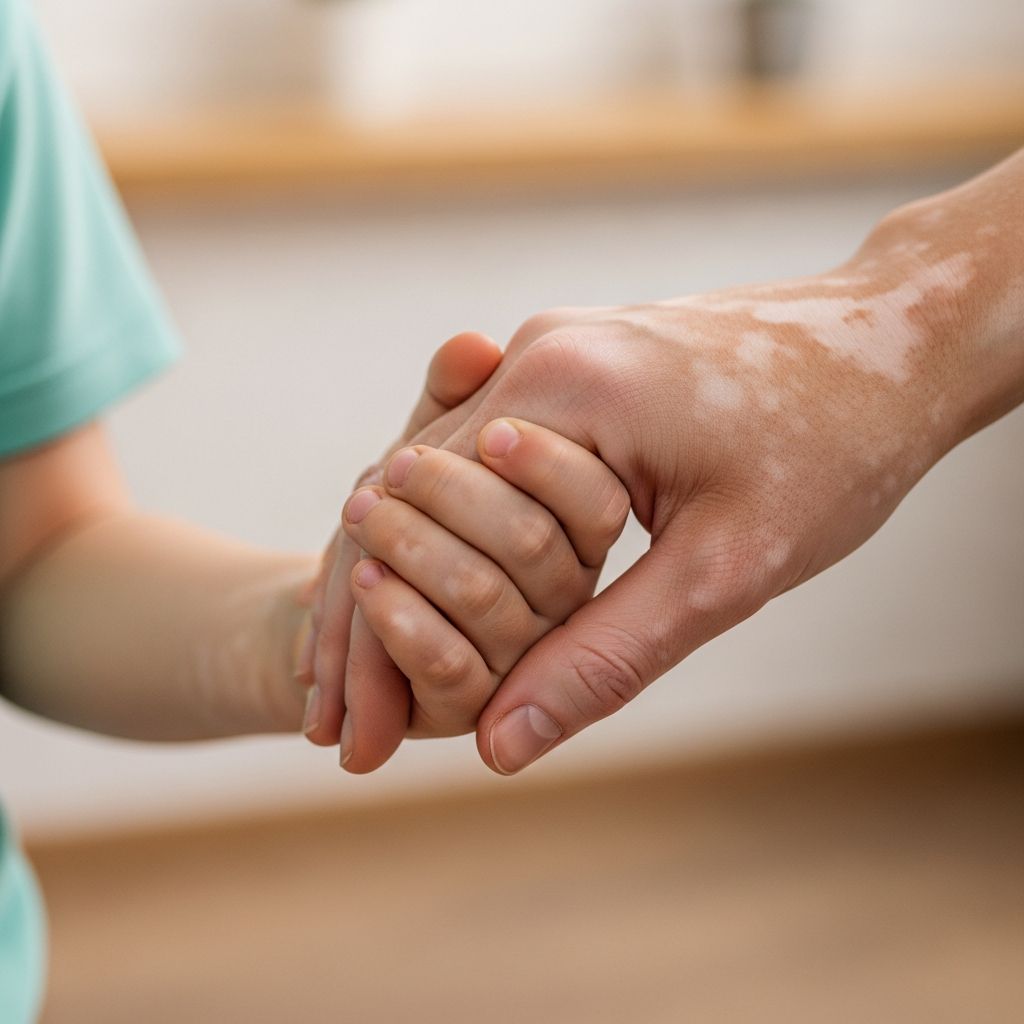
What Parents Should Know About Vitiligo
Vitiligo is a chronic skin condition characterized by the loss of skin pigmentation, resulting in white patches or spots that appear on various parts of the body. The condition occurs when melanocytes—specialized skin cells responsible for producing melanin, the pigment that gives skin its natural color—become inactive or are destroyed. While vitiligo can develop at any age, the average onset typically occurs during the mid-twenties, though children of all ages can be affected. It is important for parents to understand that vitiligo is not contagious, does not pose a threat to overall physical health, and affects individuals across all skin tones.
The Biology Behind Pigment Loss
To understand vitiligo, it helps to know how skin gets its color. Melanin is the pigment produced by melanocytes located in the epidermis, the outermost layer of skin. In individuals with vitiligo, the immune system mistakenly targets these melanin-producing cells, causing them to stop functioning or be destroyed entirely. This autoimmune response results in areas of depigmentation—regions where the skin loses its natural color and becomes lighter or white.
The visible white patches vary in size and distribution among affected individuals. Some children develop only a few small spots, while others experience more extensive color loss across larger body areas. The patches typically appear symmetrically, meaning they develop on both sides of the body in similar locations, such as on both hands or both knees. Hair growing within affected areas may also lose its pigment and turn white.
Common Sites of Appearance and Patterns
Vitiligo patches can emerge virtually anywhere on the body, but certain areas are more frequently affected than others. The most common sites include:
- The face, particularly around the eyes and mouth
- Hands, fingers, and the backs of hands
- Feet and ankles
- Elbows and knees
- The neck and upper torso
- Areas subjected to frequent trauma, such as sites of cuts or abrasions
In some cases, vitiligo can affect less visible areas, including the scalp, inner mouth, and in rare instances, the genitals. A phenomenon called Koebnerization occurs in approximately 20 to 60 percent of vitiligo patients, wherein new patches develop at sites of skin trauma, such as cuts, burns, or other injuries.
Understanding the Autoimmune Connection
Vitiligo is fundamentally an autoimmune disorder, meaning the body’s immune system malfunctions and attacks its own cells. In healthy immune systems, this defense mechanism protects the body from harmful invaders. However, in individuals with vitiligo, the immune system mistakenly identifies melanocytes as threats and initiates an attack, gradually destroying these essential pigment-producing cells.
Research indicates that approximately 15 to 25 percent of individuals with vitiligo also have at least one other autoimmune disorder. These conditions may include autoimmune thyroid disease, rheumatoid arthritis, type 1 diabetes, psoriasis, pernicious anemia, Addison disease, systemic lupus erythematosus, celiac disease, Crohn’s disease, or ulcerative colitis. This connection underscores the importance of comprehensive medical evaluation for children diagnosed with vitiligo.
Genetic and Environmental Factors
The development of vitiligo results from a complex interplay of genetic and environmental influences. Family history plays a significant role—children with parents or relatives who have vitiligo face a higher risk of developing the condition themselves. However, inheritance patterns are complex and involve multiple genes rather than a single hereditary factor.
Beyond genetics, environmental triggers can contribute to vitiligo’s onset or progression. Potential triggers include:
- Severe emotional or physical stress
- Significant sunburn or sun exposure
- Skin trauma from cuts, abrasions, or chemical contact
- Certain infections or illnesses
Understanding these triggering factors can help parents take protective measures and recognize patterns in their child’s condition.
Recognizing Symptoms in Your Child
The primary symptom of vitiligo is the appearance of depigmented patches on the skin. Parents should be alert to the following signs:
- White or lighter-colored patches appearing on the skin
- Patches that gradually increase in size over time
- Premature whitening or graying of hair in affected areas
- Loss of color in the inner lining of the mouth or on the lips
- Changes in eye color in rare cases
In some children, the onset of pigmentation loss is rapid, with large areas becoming affected within a short period. In others, the progression is gradual, with patches slowly expanding over months or years. The rate of progression varies significantly among individuals and is difficult to predict.
Diagnosis and Medical Evaluation
If a parent suspects their child may have vitiligo, a consultation with a dermatologist is essential for proper diagnosis. Dermatologists typically identify vitiligo through visual examination of the affected skin. In some cases, doctors may use specialized tools such as a Wood’s lamp, which emits ultraviolet light to enhance the visibility of depigmented areas, making diagnosis clearer.
Since vitiligo is frequently associated with other autoimmune conditions, healthcare providers may recommend additional tests to evaluate thyroid function and screen for other autoimmune disorders. Blood tests can assess thyroid antibodies and hormone levels, ensuring comprehensive health monitoring for the child.
The Emotional and Psychological Impact
While vitiligo is not a physical health threat, its psychological and social impact on children can be significant. The visible nature of the condition may lead to self-consciousness, particularly as children enter adolescence and become more aware of peer perception. Children may experience:
- Reduced self-esteem and body image concerns
- Social anxiety or reluctance to participate in activities
- Emotional distress from visible skin changes
- Questions or comments from peers
Parents play a crucial role in helping their children navigate these emotional challenges. Open communication, reassurance about the condition’s non-contagious nature, and fostering confidence can significantly impact a child’s psychological well-being. Many families benefit from connecting with support groups or counseling services that specialize in helping children with visible medical conditions.
Treatment Options Available
While no cure currently exists for vitiligo, various treatment options can help manage the condition and potentially restore some skin color. The choice of treatment depends on factors such as the extent of pigmentation loss, the child’s age, the location of patches, and the rate of progression.
Topical Treatments
Corticosteroid creams and ointments are frequently prescribed as first-line treatments, particularly for localized patches. These medications help reduce inflammation and may promote repigmentation in some cases. Other topical options include calcineurin inhibitors, which work through immune-modulating mechanisms to potentially restore color to affected areas.
Phototherapy
Light-based treatments, such as narrowband ultraviolet B (NB-UVB) therapy and psoralen plus ultraviolet A (PUVA) therapy, have shown promise in stimulating repigmentation. These treatments work by exposing affected skin to controlled amounts of therapeutic light, which can promote melanocyte activity and pigment restoration.
Combination Approaches
Many dermatologists recommend combining topical treatments with phototherapy for enhanced effectiveness. This integrated approach addresses the condition from multiple angles and may achieve better outcomes than single-modality treatment alone.
Surgical Interventions
For stable vitiligo with limited progression, surgical options such as skin grafting or melanocyte transplantation may be considered. However, these approaches are typically reserved for older children or adolescents and require careful evaluation by experienced specialists.
Sun Protection and Skin Care
Depigmented areas of skin lack melanin and are therefore more vulnerable to sunburn and sun damage. Parents should implement comprehensive sun protection strategies for their children with vitiligo:
- Apply broad-spectrum sunscreen with SPF 30 or higher daily to all exposed skin
- Reapply sunscreen every two hours and after swimming or perspiring
- Encourage wearing protective clothing, such as long sleeves and wide-brimmed hats when outdoors
- Limit direct sun exposure during peak hours (10 AM to 4 PM)
- Consider UV-protective swimwear and rash guards during water activities
This protective approach helps prevent additional skin damage and reduces the risk of sunburn in vulnerable depigmented areas.
Managing Your Child’s Condition
Effective management of vitiligo involves a partnership between parents, the child, and healthcare providers. Regular dermatological follow-up appointments allow doctors to monitor disease progression and adjust treatment plans as needed. Parents should maintain detailed records of changes in pigmentation patterns, the appearance of new patches, and the child’s response to treatments.
Lifestyle modifications can also support management. Stress reduction techniques, including age-appropriate relaxation activities, may help minimize potential triggers. Encouraging healthy eating habits, regular physical activity, and adequate sleep supports overall immune function and general well-being.
Frequently Asked Questions
Is vitiligo contagious?
No, vitiligo is not contagious. It cannot be transmitted through contact, sharing personal items, or any form of physical interaction. Your child cannot catch vitiligo from another person, nor can they transmit it to others.
Will my child’s vitiligo spread to cover their entire body?
Vitiligo progression varies widely among individuals. While some children experience rapid spread, others have stable patches that remain unchanged for years. In rare cases, vitiligo may eventually affect large portions of the body, but complete depigmentation affecting all skin is uncommon. Regular monitoring helps track progression patterns specific to your child.
What is the difference between segmental and generalized vitiligo?
Segmental vitiligo typically affects one side of the body or a specific region and often develops suddenly before stabilizing. Generalized vitiligo, the more common type, appears symmetrically on both sides of the body and tends to progress more gradually. The distinction is important for treatment planning and prognosis.
Can treatment fully restore my child’s skin color?
Treatment success varies considerably among individuals. Some children experience significant repigmentation, while others see modest improvement. Complete restoration of original skin color is possible but not guaranteed. Working closely with dermatologists helps establish realistic expectations and identify the most effective treatment approach for your child’s specific situation.
Should my child avoid certain activities because of vitiligo?
Vitiligo should not prevent your child from enjoying normal activities. With proper sun protection and appropriate precautions, children with vitiligo can participate in sports, swimming, outdoor play, and other activities. Ensuring adequate sun protection and monitoring for skin trauma helps prevent complications while allowing your child to maintain an active, fulfilling lifestyle.
Are there foods or supplements that can help vitiligo?
While no specific diet can cure vitiligo, maintaining overall nutritional health supports immune function. Some research suggests that antioxidants and vitamins may play a role in skin health, but supplementation should be discussed with healthcare providers. Focus on balanced nutrition with adequate fruits, vegetables, and whole grains as part of comprehensive care.
Moving Forward With Confidence
Receiving a vitiligo diagnosis for your child can feel overwhelming, but understanding the condition empowers you to provide effective support and care. While the visible nature of vitiligo presents emotional and social challenges, remember that it does not affect your child’s health, intelligence, or abilities. With appropriate medical management, emotional support, and practical strategies, many children with vitiligo thrive and develop healthy self-esteem. Building a strong support network, maintaining open communication with your child, and working collaboratively with dermatologists creates the foundation for successfully navigating this lifelong condition.
References
- Vitiligo Symptoms, Risk Factors, & Causes — National Institute of Arthritis and Musculoskeletal and Skin Diseases (NIAMS). 2024. https://www.niams.nih.gov/health-topics/vitiligo
- Vitiligo – StatPearls — National Center for Biotechnology Information (NCBI), National Institutes of Health. 2025. https://www.ncbi.nlm.nih.gov/books/NBK559149/
- Vitiligo: MedlinePlus Genetics — U.S. National Library of Medicine. 2024. https://medlineplus.gov/genetics/condition/vitiligo/
- Vitiligo — Department of Dermatology, UC Davis Health. 2024. https://health.ucdavis.edu/dermatology/specialties/medical/vitiligo.html
- Vitiligo Overview: Types, Causes, Symptoms, and Treatment — Pfizer. 2025. https://www.pfizer.com/disease-and-conditions/vitiligo
- Vitiligo – Symptoms & Causes — Mayo Clinic. 2024. https://www.mayoclinic.org/diseases-conditions/vitiligo/symptoms-causes/syc-20355912
- Vitiligo: Fact Sheets — Yale Medicine. 2024. https://www.yalemedicine.org/conditions/vitiligo