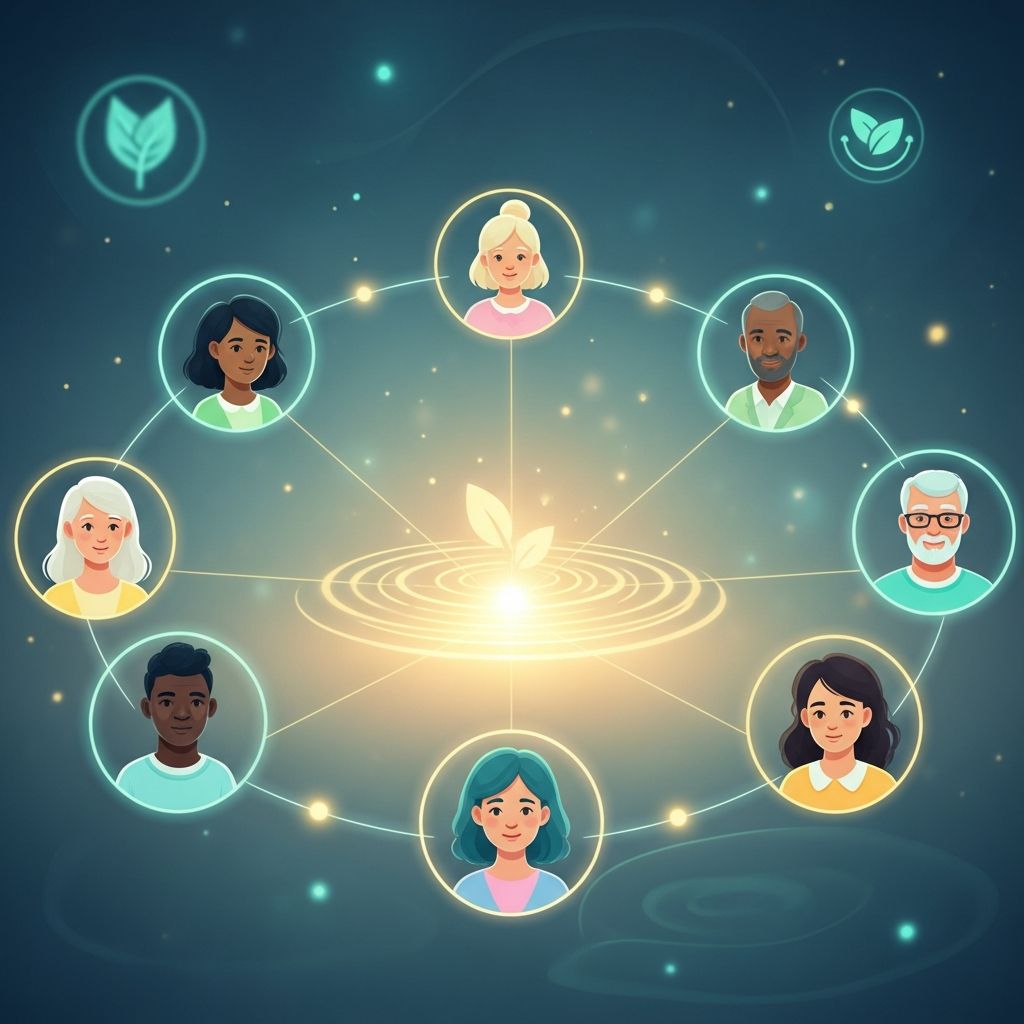
Navigating the path to parenthood through trying to conceive (TTC) often involves emotional turbulence, medical complexities, and moments of profound isolation. Virtual support circles emerge as vital lifelines, connecting individuals and couples worldwide in real-time or asynchronous forums. These online gatherings provide a sanctuary where participants exchange stories, strategies, and encouragement, fostering a sense of belonging that transcends geographical barriers. Research highlights that such platforms deliver psychosocial benefits akin to in-person groups, including validation and reduced loneliness, making them indispensable for fertility challengers.
Why Online Communities Matter in Fertility Challenges
The journey of TTC can evoke intense feelings of frustration, grief, and uncertainty, particularly when societal expectations amplify the pressure. Unlike traditional support, virtual circles offer 24/7 accessibility, anonymity, and the flexibility to engage at one’s own pace. Studies show that online peer interactions help both men and women gather experiential knowledge and emotional backing from those facing similar trials, enhancing treatment adherence and relational harmony. This digital connectivity normalizes struggles, counters stigma, and empowers decision-making amid infertility’s unpredictability.
Participants report heightened empowerment from shared narratives, where hearing others’ triumphs over setbacks instills hope. Moreover, these groups bridge gaps left by medical consultations, addressing holistic needs like mental health and lifestyle adjustments. As fertility treatments evolve, virtual support adapts seamlessly, incorporating video calls, chat rooms, and moderated forums to suit diverse preferences.
Core Advantages of Joining Digital TTC Networks
Engaging in virtual TTC networks yields multifaceted gains, from immediate emotional relief to long-term resilience. Here’s a breakdown of key benefits:
- Emotional Validation: Sharing raw emotions with empathetic peers who ‘get it’ without judgment provides profound catharsis, alleviating the burden of explaining one’s pain repeatedly.
- Combating Loneliness: Infertility’s isolating nature diminishes as members form bonds, creating a virtual family that celebrates milestones and mourns losses collectively.
- Knowledge Exchange: Groups demystify treatments like IVF or IUI, offering real-world insights on protocols, side effects, and clinic selections beyond clinical advice.
- Stress Management Tools: Members swap techniques such as meditation apps, journaling prompts, and acupuncture tips, building a personalized coping arsenal.
- Empowerment Boost: Active involvement shifts passive suffering to proactive agency, with many crediting groups for informed choices that advanced their journeys.
These advantages compound over time, transforming sporadic participation into sustained well-being. For instance, women in online forums often note improved partner dynamics, as couples navigate discussions together virtually.
Types of Virtual TTC Support Available Today
Digital TTC support spans formats to match varying needs and comfort levels. General forums welcome all stages, from early TTC to post-loss recovery, facilitating broad discussions on daily coping and family interactions. Specialized groups target niches like male infertility, secondary infertility, or LGBTQ+ experiences, ensuring tailored relevance.
Live video sessions mimic in-person meetings, led by facilitators trained in counseling and fertility medicine, blending peer talk with expert input. Asynchronous platforms, such as private Facebook groups or apps like Reddit’s r/TTC, allow posting anytime, ideal for night owls or international members. Hybrid models combine both, maximizing engagement.
| Format | Key Features | Ideal For | Accessibility ||——–|————-|———–|—————|| Video Calls | Real-time interaction, moderated | Structured discussions | Devices with camera || Chat Forums | Anonymous, 24/7 posting | Flexible sharing | Any internet device || App-Based | Notifications, private messaging | Mobile users | Smartphones || Email Lists | Low-pressure updates | Introverts | Email access |
This table illustrates how options cater to preferences, ensuring no one feels excluded from support.
How to Find and Thrive in Your Ideal Virtual Group
Locating the right virtual TTC circle starts with reputable sources: fertility clinic websites, national organizations like RESOLVE, or apps dedicated to reproductive health. Search terms like ‘TTC virtual meetups’ or ‘online infertility support’ yield vetted options. Prioritize groups with clear guidelines, active moderation, and positive reviews to safeguard emotional safety.
Once joined, thrive by setting boundaries—lurk initially if sharing feels daunting, then contribute gradually. Prepare questions on topics like hormone therapy impacts or holiday coping to spark meaningful exchanges. Consistency builds trust; regular attendance fosters deeper connections. Track personal growth through journals, noting mood shifts post-sessions.
Red flags include unmoderated toxicity or misinformation; exit and seek alternatives promptly. Many groups offer trial sessions, helping assess fit without commitment.
Real-Life Transformations from Virtual Connections
Stories abound of lives reshaped by these digital havens. Consider a couple enduring multiple failed IUIs; weekly Zoom check-ins introduced them to dietary tweaks that optimized their next cycle, leading to success. Another participant, isolated in a rural area, found solace in a global Discord server, culminating in lifelong friendships.
Quantitative insights affirm anecdotes: online engagement correlates with better psychological outcomes, including lower depression scores and higher self-efficacy. Men, often overlooked, benefit equally, discussing sperm analysis anxieties in male-only channels. These narratives underscore virtual groups’ role in not just surviving, but thriving through TTC.
Overcoming Common Hesitations About Online Support
Skepticism persists: ‘Is it safe?’ Moderated groups enforce privacy via platforms like Zoom with waiting rooms or encrypted apps. ‘Will I fit in?’ Diversity in age, background, and infertility type ensures inclusivity. ‘Does it really help?’ Evidence from peer-reviewed studies confirms reduced isolation and enhanced coping.
Address tech barriers with user-friendly guides; most require only a browser. For privacy-conscious, pseudonyms and selective sharing empower control. Ultimately, the risk of missing communal strength outweighs minor hurdles.
Frequently Asked Questions (FAQs)
Q: Are virtual TTC groups free?
A: Many are free via nonprofits or clinics, though some premium apps charge nominal fees for advanced features like one-on-one chats.
Q: Can couples participate together?
A: Yes, couple-inclusive groups encourage joint attendance, strengthening relational support during treatments.
Q: How do I know if a group is reputable?
A: Look for facilitation by licensed professionals, affiliation with fertility bodies, and transparent member testimonials.
Q: What if I’m newly trying to conceive?
A: Beginner-friendly groups welcome all stages, pairing novices with veterans for gentle onboarding.
Q: Do these groups discuss sensitive topics like loss?
A: Dedicated subgroups handle grief, pregnancy loss, and secondary infertility with compassion and expertise.
Building Lasting Resilience Through Digital Bonds
Beyond immediate relief, virtual TTC circles cultivate enduring resilience. Participants develop advocacy skills, navigating healthcare systems with newfound confidence. Relationships forged online often persist post-conception, evolving into parenting networks. Physical wellness integrates too, with shared recipes for fertility-boosting meals or yoga routines.
In essence, these communities redefine TTC from solitary strife to collective victory. As technology advances, expect AI-moderated forums and VR meetups to further enhance immersion. For anyone on this path, stepping into a virtual circle could mark the turning point toward hope and fulfillment.
References
- Infertility patients’ need and preferences for online peer support — PMC/NCBI. 2018-11-26. https://pmc.ncbi.nlm.nih.gov/articles/PMC6282097/
- 8 Benefits of Joining an Infertility Support Group — Tiffany A. Spilove, Main Line Psychology. 2023-10-12. https://www.tiffanyspilove.com/main-line-psychology-blog/infertility-support-groups-near-me
- Understanding The Role Of Support Groups For Infertility — Women’s Health Group Chicago. 2024-05-15. https://whgchicago.com/understanding-the-role-of-support-groups-for-infertility/
- Introducing Virtual Support Groups — UConn Fertility. 2020-07-01. https://uconnfertility.com/2020/07/introducing-virtual-support-groups/
- How You Can Benefit from an Infertility Support Group — Chelsea Fertility NYC. 2023-08-20. https://www.chelseafertilitynyc.com/can-benefit-infertility-support-group
- Integrated Fertility & Wellness Program — Illume Fertility. 2025-01-10. https://www.illumefertility.com/fertility-care/integrated-fertility-and-wellness