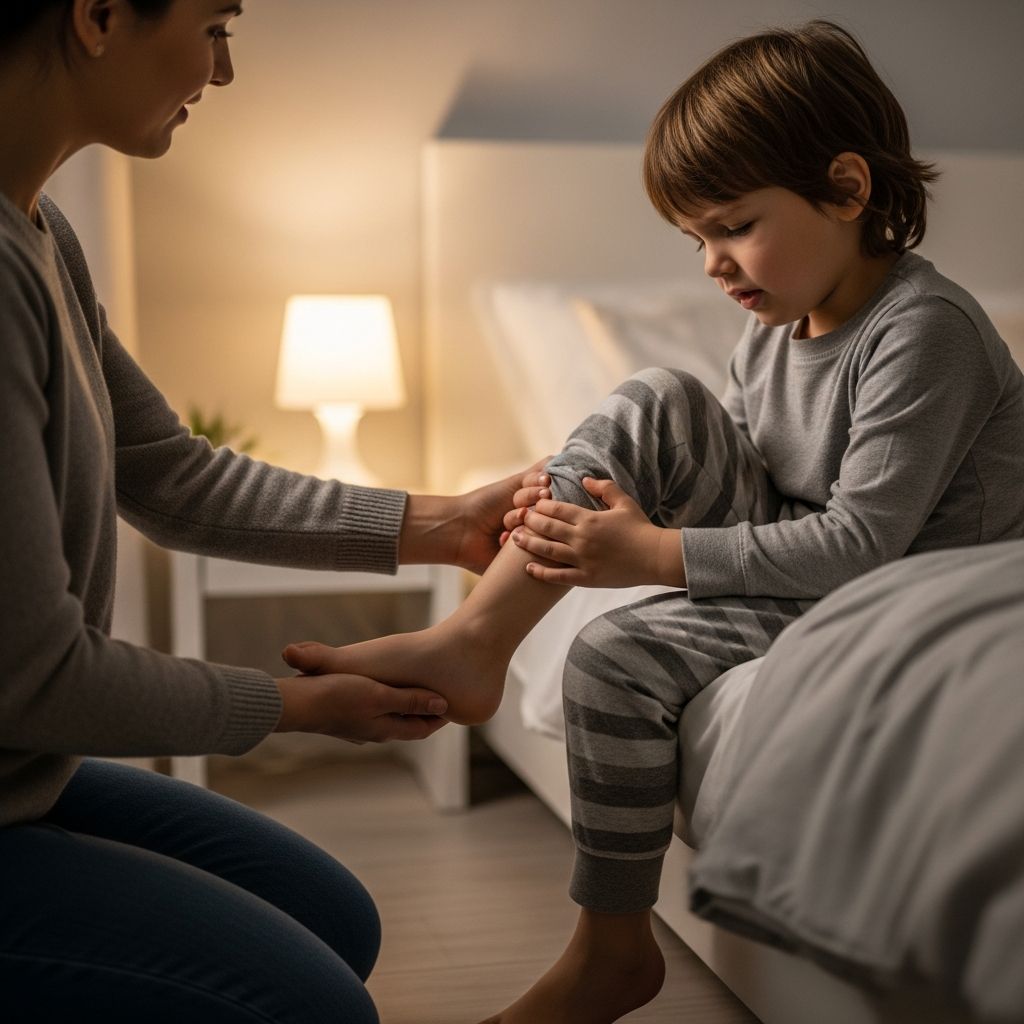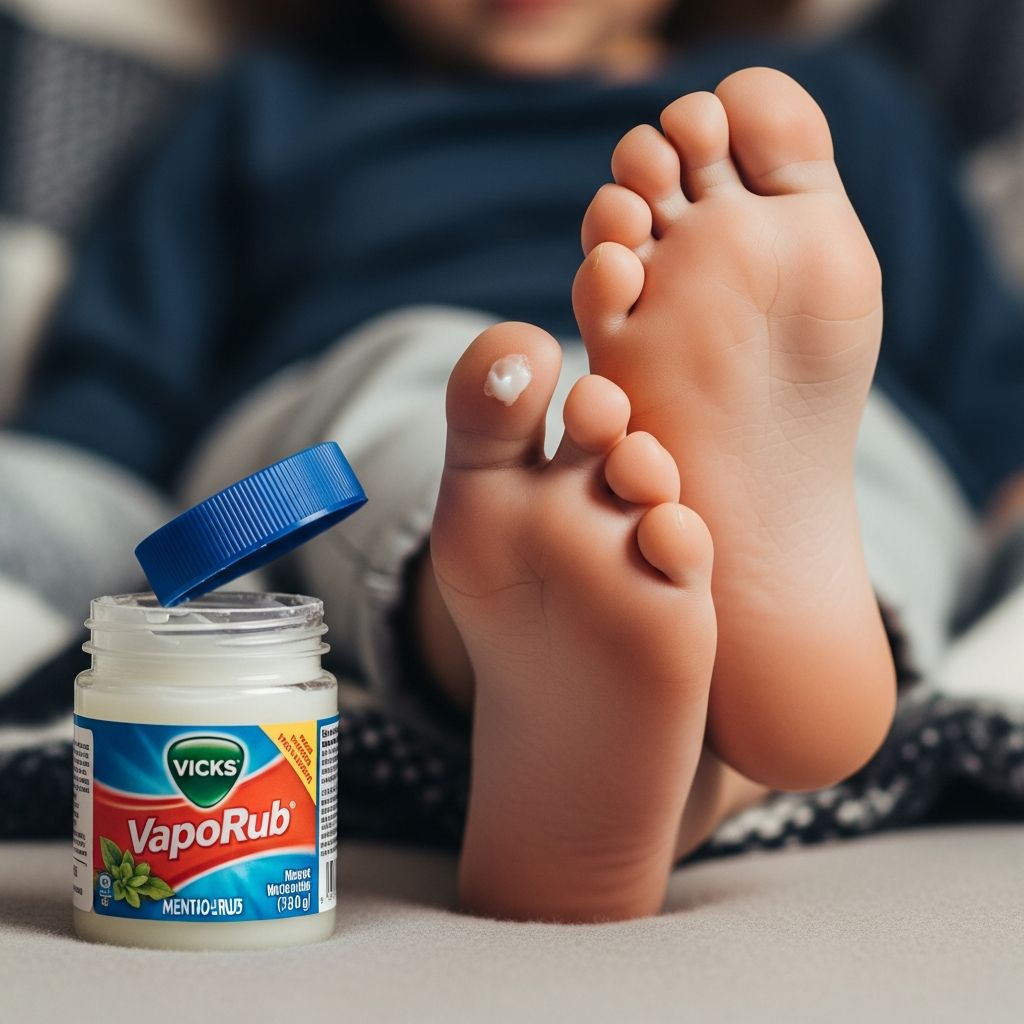
Parents often share tips for soothing a child’s nighttime cough, with one popular idea involving Vicks VapoRub applied to the soles of feet. This method promises quick relief without direct chest application, but does science support it? This article dives into the evidence, safety concerns, and reliable strategies for managing pediatric coughs.
Understanding the Feet Application Trend
The notion of placing Vicks VapoRub on children’s feet stems from online anecdotes and family traditions. Advocates claim the menthol, camphor, and eucalyptus oils absorb through the skin, travel via meridians or bloodstream, and suppress cough reflexes from the bottom up. Some say it works within minutes, easing congestion without the strong vapors near the face.
While comforting, this practice lacks robust clinical backing. No large-scale human trials specifically test foot application for cough suppression. Instead, research focuses on traditional uses like chest rubbing, revealing a mix of symptomatic relief and potential hazards, especially in young kids.
Core Ingredients and How They Operate
Vicks VapoRub contains three main active components: camphor (4.8%), menthol (2.6%), and eucalyptus oil (1.2%). These create a cooling sensation that tricks the brain into perceiving easier breathing, though actual airflow doesn’t improve.
- Camphor: Acts as a topical analgesic, interacting with skin receptors to dull pain signals. Inhalation may soothe coughs, but ingestion risks seizures or vomiting.
- Menthol: Triggers cold receptors, providing a deceptive sense of decongestion without clearing mucus.
- Eucalyptus oil: Offers mild anti-inflammatory effects, contributing to the overall vapor experience.
Foot application theoretically allows transdermal absorption, but studies show minimal systemic effects from skin contact. Vapors from feet are unlikely to reach nasal passages effectively, questioning the mechanism’s plausibility.
Scientific Evidence on Effectiveness
A key study involving 138 children aged 2-11 compared Vicks VapoRub, petrolatum ointment, and no treatment for nocturnal coughs from upper respiratory infections. Parents reported better outcomes with Vicks for cough severity, congestion, and sleep quality on the second night. Vicks outperformed no treatment across most measures and beat petrolatum for cough and sleep issues.
| Treatment | Cough Improvement | Sleep Quality (Child) | Sleep Quality (Parent) |
|---|---|---|---|
| Vicks VapoRub | Best rated | Best rated | Best rated |
| Petrolatum | Moderate | Moderate | Moderate |
| No Treatment | Worst rated | Worst rated | Worst rated |
However, limitations abound: the trial lasted one night, relied on subjective parent reports, and faced blinding issues—most parents guessed their child’s assignment due to Vicks’ distinct scent. Funded by Procter & Gamble (Vicks’ maker), it showed symptomatic relief but not cure.
No studies isolate foot use. Animal research using ferrets indicated Vicks increases mucus production and slows clearance, potentially worsening symptoms in narrow airways. For feet specifically, evidence is anecdotal, not empirical.
Safety Considerations by Age Group
Safety varies sharply by age. Official labeling prohibits Vicks VapoRub for children under 2 years due to respiratory risks.
- Under 2 years: High danger. Narrow airways amplify mucus buildup and inflammation from vapors. Ferret studies confirmed heightened mucus secretion and tracheal fluid accumulation. Case reports link nasal application to emergency visits for distress.
- 2-11 years: Generally safer when used as directed (chest, not nostrils). Mild irritant effects like skin burning or eye/nose stinging occurred in 15-30%. Rare systemic issues from dermal use.
- Over 11 years: Similar to adults; effective for temporary relief without major concerns.
Foot application might reduce facial vapor exposure, but camphor absorption remains a worry if ingested accidentally. Vicks BabyRub, camphor-free, suits ages 3 months+.
Potential Risks and Side Effects
Beyond age limits, risks include:
- Respiratory distress: Vapors irritate airways, boosting mucus in inflamed states.
- Skin irritation: Burning, rash (5% in trials).
- Accidental ingestion: 20mL could toxify a young child; symptoms include nausea, seizures.
- Allergic reactions: Rare but possible, causing swelling or breathing issues.
Experts urge avoiding nostrils entirely, even for adults, as it heightens irritation. Feet use sidesteps this but doesn’t eliminate absorption risks.
Pediatric Guidelines and Expert Views
The American Academy of Pediatrics advises against over-the-counter cough/cold meds for under 6s, favoring supportive care. Wake Forest research reinforces no Vicks under 2, citing airway vulnerabilities.
“Vicks may make you feel better but it can’t help you breathe better.” — Dr. Bruce K. Rubin, Brenner Children’s Hospital.
For older kids, if parents opt for Vicks, apply sparingly to chest/throat, cover with clothing, and monitor closely.
Proven Alternatives for Cough Relief
Evidence-based options outperform unproven hacks:
- Hydration: Fluids thin mucus; warm drinks soothe throats.
- Elevation: Raise crib head 30 degrees to aid drainage.
- Humidifiers: Cool-mist adds moisture, easing congestion.
- Honey: For over 1 year, 2.5-5mL before bed reduces cough better than placebo (no honey under 1 due to botulism risk).
- Saline drops + suction: Clears nasal passages safely for infants.
Avoid multi-symptom products; single-ingredient choices minimize risks.
Comparing Popular Remedies
| Remedy | Age Suitability | Evidence Level | Key Pros | Key Cons |
|---|---|---|---|---|
| Vicks (Chest) | 2+ | Moderate (symptomatic) | Sleep aid | Irritation risks |
| Vicks (Feet) | 2+ (unproven) | Anecdotal | Less vapor exposure | No trials |
| Honey | 1+ | Strong | Cough reduction | Not for infants |
| Saline | All ages | Strong | Safe, effective | Temporary |
Frequently Asked Questions
Is Vicks VapoRub safe on toddlers’ feet for coughs?
For ages 2+, it may offer subjective relief like chest use, but no specific foot studies exist. Avoid under 2; opt for BabyRub if needed.
Why do feet applications trend online?
Viral stories claim reflexology benefits, but lack peer-reviewed support. Placebo effects or coincidental recovery fuel shares.
What if my child reacts poorly to Vicks?
Stop use, wash off, and seek medical help for breathing issues, rash, or ingestion. Call poison control if swallowed.
Can Vicks cure a cough or just mask it?
It provides symptomatic comfort, not treatment. Colds resolve naturally in 7-10 days.
Are there natural Vicks alternatives?
Yes: menthol-free balms, essential oil diffusers (diluted, supervised), or honey-based syrups for eligible ages.
Empowering Parents with Informed Choices
Navigating child coughs involves balancing folklore with facts. While feet-applied Vicks captivates with simplicity, evidence favors traditional applications for older kids and supportive measures universally. Consult pediatricians for persistent symptoms exceeding a week or involving fever/breathing trouble. Prioritize safety: read labels, heed age restrictions, and embrace proven basics.
This approach fosters restful nights without unnecessary risks, letting little ones heal naturally.
References
- Popular Cold and Cough Treatment May Create Respiratory Distress in Young Children — Wake Forest University Baptist Medical Center. 2009-01. https://newsroom.wakehealth.edu/news-releases/2009/01/popular-cold-and-cough-treatment-may-create-respiratory-distress-in-young-children
- Is Vicks safe for babies? — Medical News Today. 2018-06-20. https://www.medicalnewstoday.com/articles/322441
- Vapor Rub, Petrolatum, and No Treatment for Children With Nocturnal Cough and Cold Symptoms — NIH / PMC. 2010. https://pmc.ncbi.nlm.nih.gov/articles/PMC3600823/
- Vapor Rub, Petrolatum and No Treatment for Children with Nocturnal Cough and Cold Symptoms — RxFiles. 2011-05. https://www.rxfiles.ca/rxfiles/uploads/documents/OTC-Vapor-Rub-Trial-Summary.pdf
- Vicks VapoRub FAQ — Vicks Official Site. Accessed 2026. https://vicks.com/en-us/safety-and-faqs/faqs/vicks-vaporub-faq