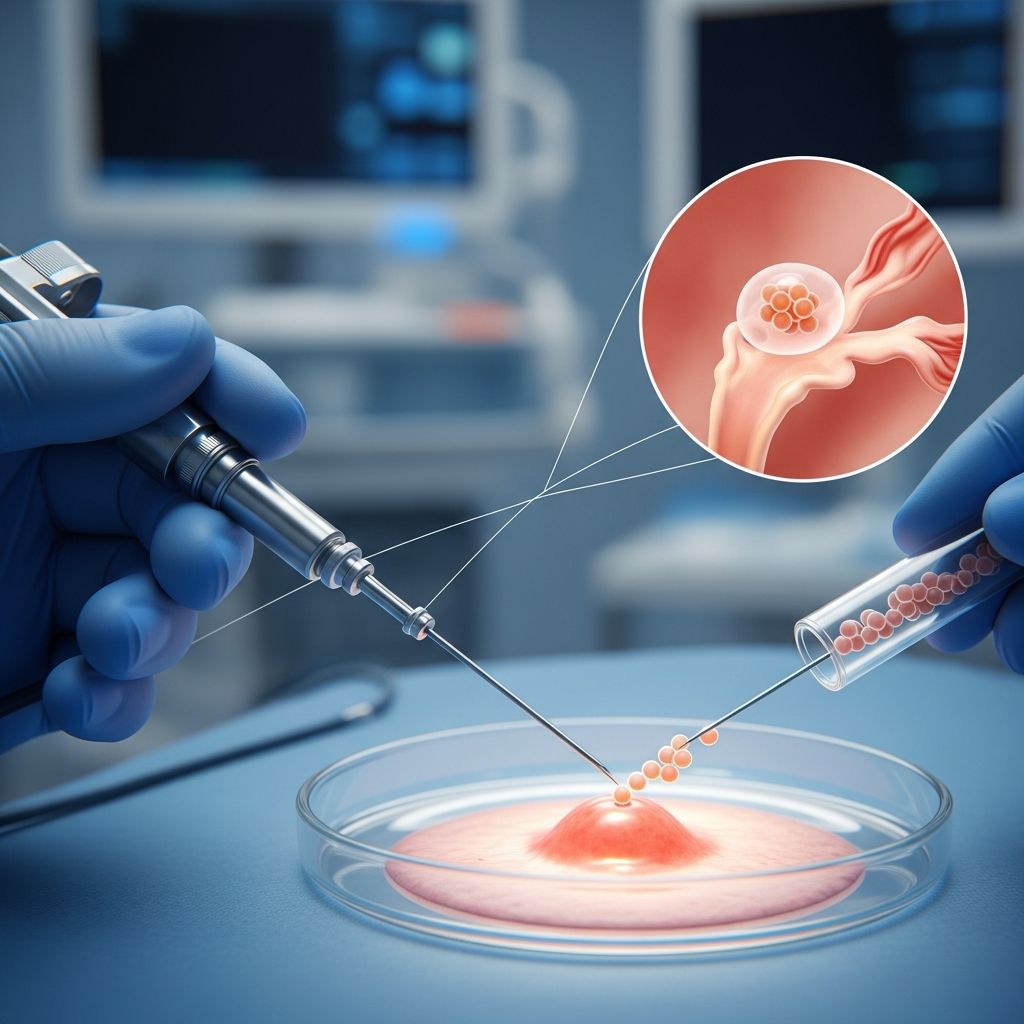
A viable pregnancy has the potential to result in a live birth, while a nonviable one cannot, often due to developmental failures or abnormal implantation.
Defining Pregnancy Viability
Viability in pregnancy refers to the capacity for a fetus to survive outside the womb or develop into a live infant. Early on, it indicates a pregnancy that is progressing with signs of life, such as a heartbeat and proper growth. Later, it shifts to the fetus’s survival potential if born prematurely.
The term originates from Latin ‘vita,’ meaning life, underscoring a normally developing embryo capable of reaching full term. Key markers include intrauterine location, embryonic heartbeat, and rising hormone levels like hCG.
Core Characteristics of a Viable Pregnancy
- Intrauterine Gestational Sac: Visible via ultrasound in a normal uterine position by 5-6 weeks.
- Embryonic Heartbeat: Detectable around 6 weeks, confirming activity.
- Normal hCG Trends: Doubling every 48-72 hours in early stages.
- Appropriate Growth: Embryo size matching gestational age, with yolk sac and pole development.
These signs collectively suggest a pregnancy on track for a healthy outcome.
Recognizing Nonviable Pregnancies
Nonviable pregnancies lack the potential for live birth, encompassing early losses or fatal abnormalities. They include empty sacs, absent heartbeats, or ectopic implantations.
| Type | Description | Common Gestational Age |
|---|---|---|
| Miscarriage | Spontaneous loss before 20 weeks, often chromosomal. | 1st Trimester |
| Blighted Ovum | Gestational sac without embryo development. | 5-8 Weeks |
| Ectopic Pregnancy | Implantation outside uterus, e.g., fallopian tube. | 4-10 Weeks |
| Molar Pregnancy | Abnormal tissue growth instead of fetus. | Early 1st Trimester |
Each type poses unique risks, from rupture in ectopics to heavy bleeding in miscarriages.
Diagnostic Approaches for Early Pregnancy
Clinicians rely on transvaginal ultrasound and serial hCG measurements. Ultrasound criteria for nonviability include:
- No embryonic heartbeat with crown-rump length ≥7mm.
- No embryo with mean sac diameter ≥25mm.
- Absent yolk sac by mean sac diameter ≥20mm.
hCG levels failing to rise appropriately signal issues. ACOG notes no single test definitively proves viability beyond first trimester; judgment integrates multiple factors.
The Gray Area: Pregnancies of Uncertain Viability
Intrauterine pregnancies without definitive heartbeat or failure signs are termed ‘uncertain viability.’ Monitoring with repeat scans (3-7 days later) is standard to avoid premature intervention.
False positives risk harming viable pregnancies, while delays affect nonviable ones minimally short-term. This cautious approach balances risks.
Fetal Viability Thresholds and Periviability
Fetal viability typically starts at 24 weeks, where survival odds reach ~60-70% with intensive care, though complications are common. Periviability spans 20-25 6/7 weeks, with outcomes from near-certain death to survival with morbidities.
Survival rates improve weekly:
| Gestational Age | Survival Rate | Intact Survival (No/Moderate Disability) |
|---|---|---|
| 22 Weeks | <10% | <1% |
| 23 Weeks | 20-30% | 10-20% |
| 24 Weeks | 60-70% | 40-50% |
| 25 Weeks | 80% | 60-70% |
Data from ACOG; NICU stays are prolonged for these preemies.
Below 23 weeks, resuscitation is rare; 23-24 weeks is a decision gray zone.
Medical Management Options
For confirmed nonviable pregnancies:
- Expectant Management: Allow natural passage, monitored for complications.
- Medication: Misoprostol to induce expulsion.
- Surgical: Dilation and curettage (D&C) for quick resolution.
Ectopics require methotrexate or surgery to prevent rupture. Choices depend on patient health, preferences, and gestation.
Emotional and Psychological Impact
Nonviable diagnoses bring profound grief, akin to stillbirth. Support includes counseling, support groups, and time. Future fertility odds remain high post-loss.
Couples should seek genetic counseling if recurrent, and plan pregnancies with preconception care.
Preventive Measures and Risk Reduction
- Maintain folic acid intake.
- Avoid smoking/alcohol.
- Manage chronic conditions like diabetes.
- Early prenatal care for monitoring.
While not all losses are preventable, healthy habits optimize chances.
Frequently Asked Questions
What confirms a viable early pregnancy?
A gestational sac, yolk sac, embryo with heartbeat, and rising hCG levels.
Can a nonviable pregnancy resolve naturally?
Yes, many miscarriages pass without intervention, but monitoring prevents infection.
Is ectopic pregnancy viable?
No, it cannot result in live birth and risks maternal health.
What is periviable birth?
Delivery at 20-25 weeks, with variable survival and high morbidity risks.
How soon after loss can I try again?
Often after one normal cycle; consult your doctor for personalized advice.
References
- What Is a Viable Pregnancy and a Nonviable Pregnancy? — babyMed. 2023. https://www.babymed.com/what-is-a-viable-nonviable-periviability-viability-pregnancy
- Non-Viable Pregnancy: A Look at the Heartbreak and Way Forward — Mommy Labor Nurse. 2023. https://blog.mommylabornurse.com/non-viable-pregnancy
- Diagnostic Criteria for Nonviable Pregnancy Early in the First Trimester — Radiology Wiki (University of Wisconsin). 2013-01-05. https://wiki.radiology.wisc.edu/images/7/79/OBUS_Viability_Article.pdf
- How to know if your pregnancy is viable — NaturoBest. 2023. https://naturobest.com/blogs/pregnancy-morning-sickness/how-to-know-if-your-pregnancy-is-viable
- When a pregnancy fails early — Contemporary OB/GYN. 2023. https://www.contemporaryobgyn.net/view/when-pregnancy-fails-early
- What is Fetal Viability? — Community Pregnancy Clinics. 2023. https://communitypregnancyclinic.com/what-is-fetal-viability/
- Understanding and Navigating Viability — American College of Obstetricians and Gynecologists (ACOG). 2023-06-29. https://www.acog.org/advocacy/facts-are-important/understanding-and-navigating-viability