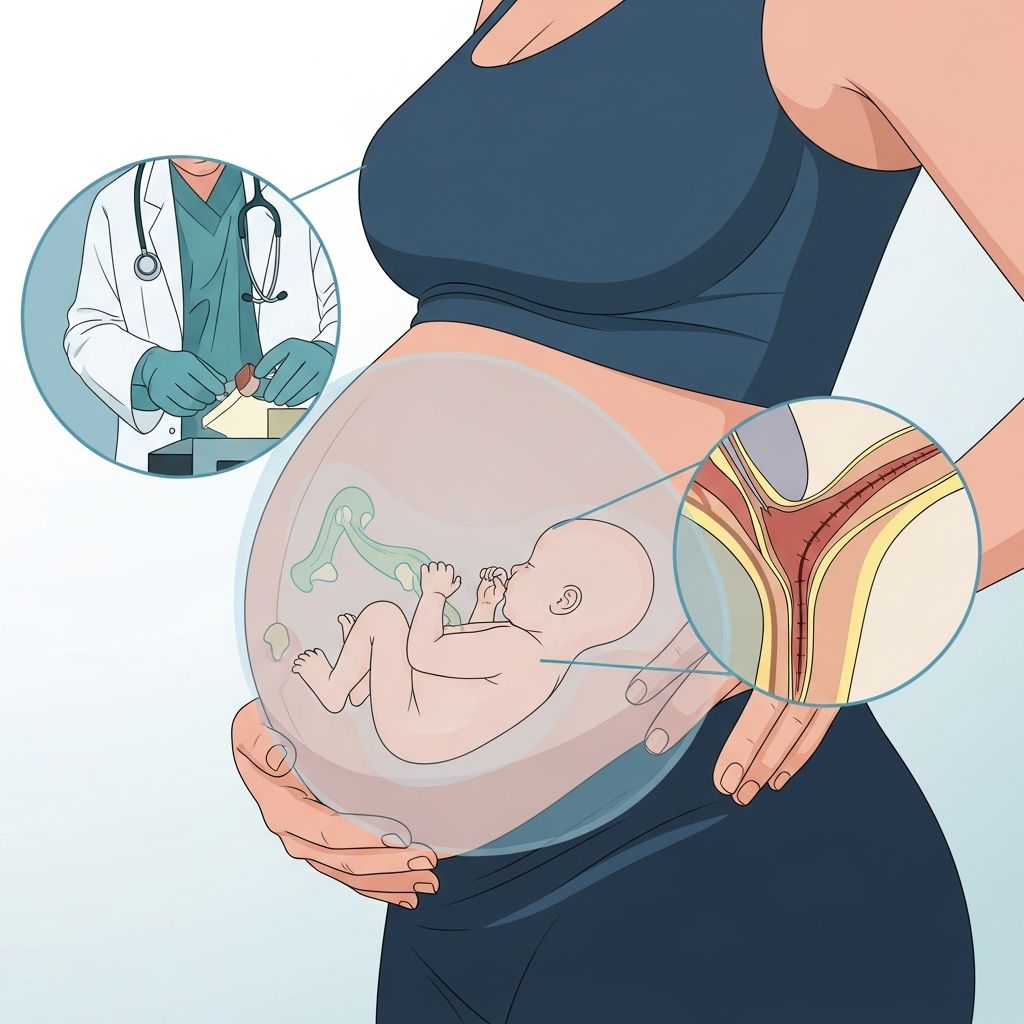
Millions of women experience depression during pregnancy, a condition that can profoundly affect both maternal health and fetal development. Research consistently demonstrates that untreated perinatal depression poses significant risks, including preterm birth, low birth weight, and long-term neurodevelopmental issues in children. Antidepressants, particularly selective serotonin reuptake inhibitors (SSRIs), offer a viable treatment option with evidence indicating their benefits often outweigh potential risks when used judiciously.
Understanding Perinatal Depression and Its Hidden Dangers
Perinatal depression affects up to 10-20% of pregnancies and involves persistent sadness, anxiety, and loss of interest that impair daily functioning. Untreated, it disrupts prenatal care adherence, leading to poor nutrition, substance use, and inadequate prenatal visits. Babies born to depressed mothers face elevated risks of preterm delivery, intrauterine growth restriction, and developmental delays extending into childhood.
Studies highlight that maternal stress hormones like cortisol, elevated in depression, cross the placenta and influence fetal brain development. This can result in heightened child anxiety, behavioral problems, and cognitive impairments later in life. Addressing depression pharmacologically restores hormonal balance, supporting healthier pregnancies.
Key Advantages of Antidepressant Therapy During Pregnancy
Evidence from large cohort studies and meta-analyses reveals multiple benefits of continuing or initiating antidepressants.
- Reduced Preterm Birth and Low Birth Weight: Women on SSRIs show lower rates of preterm delivery compared to those with untreated depression, as stable mood promotes better self-care.
- Improved Maternal Bonding and Postpartum Outcomes: Treated mothers experience less severe postpartum depression, fostering stronger early infant attachments crucial for emotional development.
- Enhanced Fetal Growth: By mitigating depression-induced inflammation and poor eating habits, antidepressants support consistent fetal weight gain.
- Long-Term Child Neurodevelopment: Sibling-controlled studies find no causal link between prenatal SSRI exposure and autism or ADHD, attributing prior associations to underlying maternal illness.
These advantages are particularly pronounced in moderate-to-severe cases where non-pharmacological interventions like therapy alone prove insufficient.
Safety Profile of Common Antidepressants in Pregnancy
Extensive data from registries and population studies affirm the relative safety of most antidepressants. SSRIs like sertraline and citalopram are first-line due to their favorable profiles.
| Antidepressant Class | Common Examples | Safety Notes | Key Studies |
|---|---|---|---|
| SSRIs | Sertraline, Fluoxetine | Minimal malformation risk; no overall increase after confounder adjustment | Large Nordic cohorts |
| SNRIs | Venlafaxine | Slight gestational diabetes link; monitor blood sugar | Mayo Clinic review |
| Others (Bupropion) | Bupropion | Small heart defect risk; low miscarriage association | Observational data |
Confounding by indication—where sicker patients receive meds—explains many early concerns. Advanced analyses comparing exposed vs. unexposed siblings or pre-pregnancy users show negligible added risks.
Addressing Common Concerns: Birth Defects and Neonatal Effects
Early fears of congenital malformations have been largely dispelled by rigorous research. A meta-analysis of over 1 million pregnancies found no substantial rise in major malformations with SSRI use. Timing matters: first-trimester exposure poses the lowest anomaly risk, while third-trimester use may cause transient neonatal adaptation syndrome (NAS)—mild symptoms like jitteriness resolving without intervention in most cases.
Persistent pulmonary hypertension of the newborn (PPHN) was another worry, but adjusted odds ratios hover near 1.0, indicating no causal tie. Miscarriage risks align with depression severity, not medication.
Balancing Risks: Untreated vs. Treated Depression
Both paths carry potential downsides, but data tilts toward treatment for severe cases.
- Untreated Depression Risks: Preterm birth (OR 1.5-2.0), low birth weight, NICU admissions, and offspring ADHD/autism spectrum risks.
- Treated Risks: NAS (10-30% third-trimester exposure, mostly mild), no proven long-term neuro effects.
Experts emphasize individualized assessment: mild cases may favor therapy; severe ones warrant meds with monitoring.
Clinical Guidelines for Prescribing in Pregnancy
Professional bodies like ACOG and APA endorse antidepressants when benefits exceed risks. Start with lowest effective dose, prefer SSRIs, and monitor via ultrasounds and fetal echocardiography if needed. Discontinuation risks relapse (50-80% within months), worse than continuation.
Breastfeeding compatibility is high; most SSRIs enter milk minimally, with sertraline safest.
Real-World Evidence from Large-Scale Studies
Population data from Nordic registries (e.g., 5 countries, millions of births) confirm safety. Sibling designs—comparing SSRI-exposed vs. unexposed siblings—eliminate genetic confounders, showing no ASD/ADHD increase. U.S. studies echo this, with FDA panels acknowledging minimal risks post-confounder adjustment.
Patient Considerations and Shared Decision-Making
Discuss family history, symptom severity, prior response, and support systems. Tools like risk calculators aid choices. Multidisciplinary care involving psychiatrists, obstetricians, and therapists optimizes outcomes.
Frequently Asked Questions
Are SSRIs safe for the baby’s heart development?
Yes, large studies show no increased cardiac malformation risk beyond baseline when confounders are adjusted.
Can antidepressants cause autism in children?
No causal link; associations stem from maternal depression, not meds, per sibling and timing studies.
What if I need to start meds during pregnancy?
For moderate-severe depression, initiation in any trimester carries low risk, outweighed by untreated harms.
Does stopping antidepressants harm the baby?
Relapse increases preterm birth and poor outcomes more than continuation.
Are there safer alternatives?
Therapy first; meds for non-responders. Bupropion or sertraline often preferred.
Future Directions in Research
Ongoing trials refine risks, especially long-term child outcomes. Precision medicine tailoring meds to genetics promises better safety.
References
- Expert Roundtable: Safety of Antidepressant Use in Pregnancy — Psychiatry Advisor. 2023. https://www.psychiatryadvisor.com/features/antidepressant-during-pregnancy/
- Weighing the Evidence: Response to the FDA’s Recent Panel on SSRIs and Pregnancy — MGH Center for Women’s Mental Health. 2023. https://womensmentalhealth.org/posts/fda-expert-panel-on-ssris-and-pregnancy/
- Antidepressants: Safe during pregnancy? — Mayo Clinic. 2024-01-15. https://www.mayoclinic.org/healthy-lifestyle/pregnancy-week-by-week/in-depth/antidepressants/art-20046420
- Risks of using SSRI / SNRI antidepressants during pregnancy — PMC (NIH). 2018-08-01. https://pmc.ncbi.nlm.nih.gov/articles/PMC6096863/
- Maternal antidepressant use during pregnancy and offspring neurodevelopment — PMC (NIH). 2019-03-15. https://pmc.ncbi.nlm.nih.gov/articles/PMC6438736/