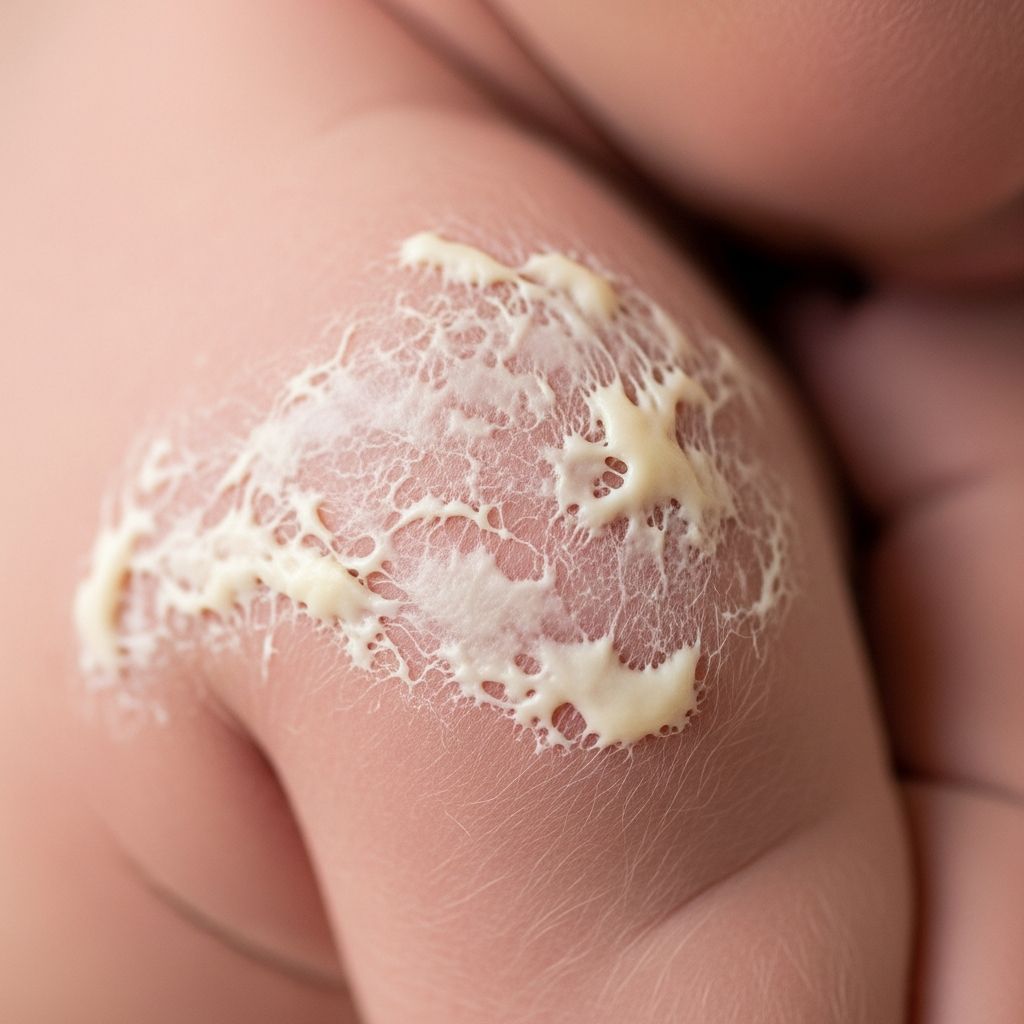
Vernix caseosa, often simply called vernix, is a unique, creamy-white, waxy substance that blankets the skin of most babies at birth. Composed primarily of water, lipids, and proteins, this natural layer forms in the womb and plays critical roles in fetal development and early newborn life.
How Vernix Forms During Pregnancy
Vernix begins developing around the 21st week of gestation as the fetal epidermis matures. Periderm cells shed and mix with sebum from sebaceous glands, creating this protective coating that spreads across the body in a specific pattern—from head to toe and back to front. By the third trimester, it fully covers the fetus, shielding delicate skin from constant exposure to amniotic fluid.
This formation process not only protects but also contributes to the development of the stratum corneum, the outermost skin layer. Preterm babies often have thicker vernix layers since production peaks earlier and doesn’t thin out as much before delivery.
Chemical Makeup and Unique Properties
Vernix’s composition is remarkably complex: about 80% water, 10% lipids (including ceramides, cholesterol, and squalene), and 10% proteins. These components give it waterproof, lubricating, and antimicrobial qualities.
- Lipids form a barrier mimicking adult skin’s natural oils.
- Proteins like lysozyme and lactoferrin provide infection-fighting power.
- Water content ensures superior hydration compared to any commercial moisturizer.
Its pH is slightly acidic, further deterring harmful bacteria while promoting beneficial microbes.
Protective Roles Inside the Womb
Surrounded by amniotic fluid for months, a fetus’s skin would become macerated—wrinkled and waterlogged—without vernix. This coating acts as a waterproof seal, preventing overhydration and maintaining skin integrity.
Additionally, vernix lubricates the skin, reducing friction from movements in utero. It also aids in shedding lanugo hair, the fine fuzz covering the fetus early on, by trapping these hairs and dead cells.
Vital Functions During Birth
As labor begins, vernix proves invaluable. Its greasy texture lubricates the birth canal, easing passage and minimizing skin tears or abrasions for both baby and mother.
The antimicrobial elements create a barrier against bacteria in the birth canal, a common exposure point for newborns with immature immune systems.
Post-Birth Advantages for Newborn Health
After delivery, vernix continues safeguarding the baby. Key benefits include:
- Hydration and Moisturization: Vernix locks in moisture, preventing the dry, peeling skin that can occur post-birth. Studies show babies retaining vernix have higher skin hydration levels.
- Infection Prevention: Components like antimicrobial peptides form a shield against pathogens, giving the immune system time to adapt.
- Temperature Regulation: By reducing water evaporation from skin, vernix helps prevent hypothermia in the crucial first hours.
- Gut Microbiome Support: Fetuses swallow vernix, seeding beneficial bacteria in the gut for long-term health.
- Wound Healing: Its properties accelerate skin repair if minor injuries occur during birth.
Why Delay the First Bath? Guidelines and Evidence
Traditionally, hospitals bathed newborns immediately, but evidence now supports waiting. The American Academy of Pediatrics recommends delaying the first bath for at least 24 hours—or longer for preterm infants—to maximize vernix benefits.
| Timing | Benefits | Source Support |
|---|---|---|
| 0-12 Hours | Optimal infection barrier, temp stability | |
| 12-24 Hours | Enhanced hydration, microbiome seeding | |
| 24+ Hours | Reduced hypothermia risk, skin maturity |
Waiting allows skin-to-skin contact, boosting oxytocin for bonding and breastfeeding success.
Differences in Vernix by Gestational Age
Full-term babies (37-40 weeks) have thinner vernix, often in creases like neck folds or armpits, as it naturally absorbs or sheds late pregnancy. Preemies, born earlier, arrive covered thickly, needing it most for underdeveloped skin.
Post-term babies may have little to none, but their skin is more mature.
Myths and Misconceptions About Vernix
Myth 1: Vernix is just dirt and needs immediate washing. Reality: It’s a sterile, beneficial substance far superior to soaps.
Myth 2: Bathing right away promotes cleanliness. Reality: Early bathing strips natural protections, increasing dryness and infection risk.
Myth 3: Vernix smells bad. Reality: Its mild, cheesy scent is normal and fades quickly.
Caring for Baby’s Skin After Vernix Absorbs
Vernix typically wears off in 24-48 hours but can last up to a week in folds. Once gone, support skin with fragrance-free, hypoallergenic products mimicking vernix lipids. Avoid frequent bathing; pat dry gently.
- Use lukewarm water for baths (2-3 times weekly).
- Moisturize within 3 minutes post-bath.
- Opt for ointments over lotions for barrier repair.
Research Insights on Vernix’s Long-Term Impact
Studies highlight vernix’s role in neonatal skin adaptation. Higher retention correlates with better hydration and fewer skin issues in the first week. Ongoing research explores synthetic vernix for preterm care.
For parents, understanding vernix empowers informed choices, like advocating for delayed bathing in birth plans.
Frequently Asked Questions (FAQs)
Is it safe to leave vernix on my baby’s skin?
Yes, it’s highly beneficial. Delaying the bath allows vernix to provide natural protection.
How long should I wait before bathing my newborn?
At least 24 hours for full-term babies; longer for preemies, per health guidelines.
Does vernix affect breastfeeding?
Indirectly yes—delaying bath promotes skin-to-skin, aiding latch and milk production.
What if my baby has no vernix?
Common in post-term births; their skin is mature enough without it.
Can vernix cause allergies?
No, it’s natural and sterile, supporting immune development.
References
- Vernix caseosa – Wikipedia — Wikipedia Contributors. 2023-10-15. https://en.wikipedia.org/wiki/Vernix_caseosa
- Vernix Caseosa Facts and Benefits — Casa Natal. 2023-05-20. https://casa-natal.com/the-wonders-of-birth-vernix-caseosa-facts-and-benefits/
- Vernix – Understanding the Newborn’s Natural Shield — Aveeno. 2024-02-10. https://www.aveeno.com/journal/vernix-understanding-the-newborns-natural-shield
- What is Vernix? — Hegenberger Medical. 2023-08-05. https://hegenbergermedical.com/blog/what-is-vernix/
- Vernix: Rub It in or Wash It Off? — Happiest Baby. 2024-01-12. https://www.happiestbaby.com/blogs/baby/vernix
- For baby’s health, just say cheese — OH! Baby. 2023-11-30. https://ohhbaby.org/for-babys-health-just-say-cheese/