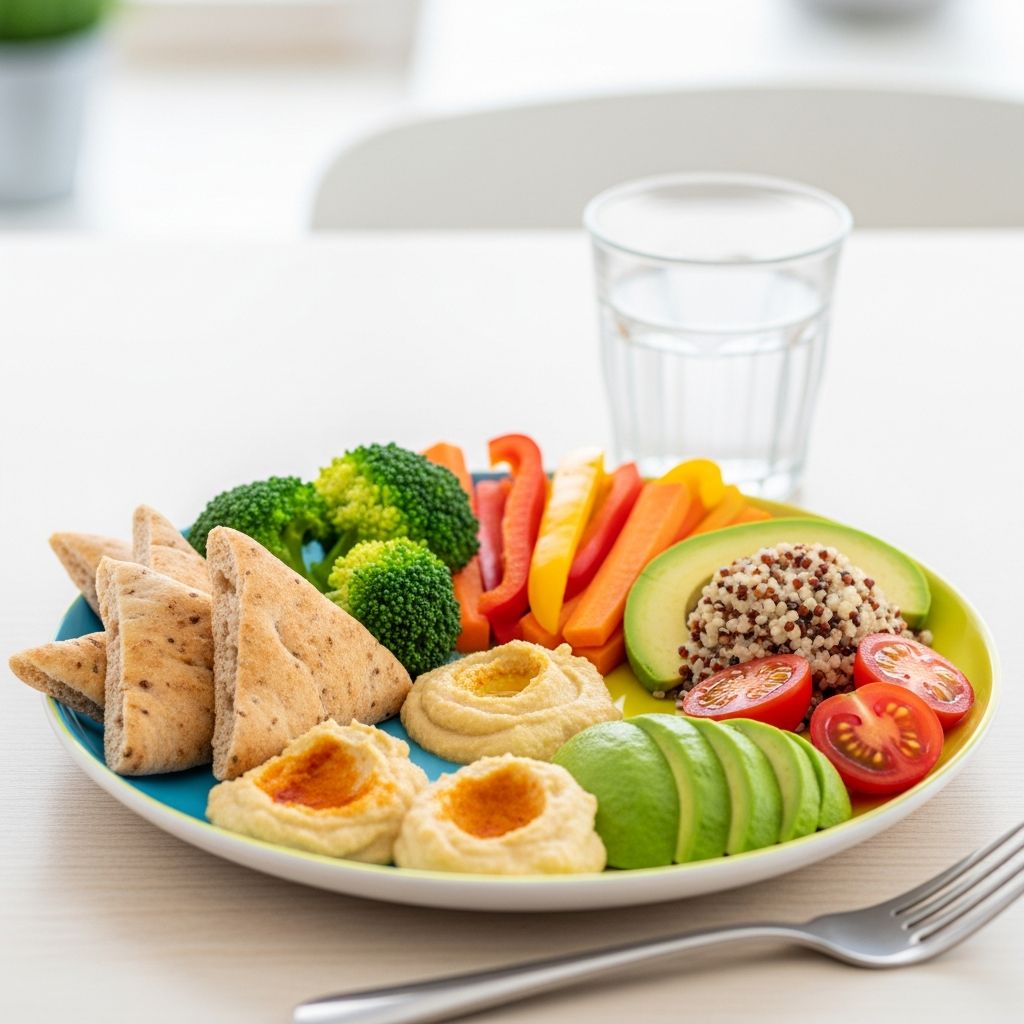
Plant-based eating has surged in popularity among families seeking healthier, ethical, and environmentally friendly options. For children, a thoughtfully planned vegetarian diet can support robust growth while promoting long-term wellness, but it demands careful attention to nutritional balance.
Understanding Types of Vegetarian Diets
Vegetarianism spans a spectrum, each with distinct implications for children’s nutrition. Lacto-ovo vegetarians include dairy and eggs alongside plants, providing versatile nutrient sources. Lacto vegetarians add dairy but skip eggs, while ovo vegetarians incorporate eggs without dairy. Vegans exclude all animal products, relying solely on plants, which requires vigilant supplementation.
Pescatarians, who eat fish but no other meats, offer a bridge to full vegetarianism and can ease nutrient transitions for kids. Flexitarians prioritize plants but allow occasional meat, ideal for families testing the waters. Parents should align the diet type with family values, child’s preferences, and nutritional expertise.
Nutritional Foundations for Growing Bodies
Children need ample calories, proteins, fats, vitamins, and minerals for development. Vegetarian diets often shine in fiber, antioxidants, and lower saturated fats but risk shortfalls in specific areas if not managed.
Protein Powerhouses from Plants
Protein fuels muscle and tissue growth. Diverse plant sources like beans, lentils, chickpeas, tofu, tempeh, edamame, nuts, seeds, and quinoa meet needs without meat. Pairing grains with legumes throughout the day ensures complete amino acids—no rigid combining required.
- Daily tip: Offer peanut butter on whole-grain toast or hummus with veggies for snacks.
- Teen boost: Add seitan or pea protein to stir-fries.
Energy and Calorie Density
Plant foods can be bulky and low-calorie, challenging for small stomachs. Boost density with avocados, nuts, seeds, nut butters, dried fruits, and full-fat dairy (if lacto). Vegan kids may need soy yogurt or oils like canola for extra calories.
Monitor weight gain; if lagging, incorporate calorie-rich smoothies or energy balls made from dates, oats, and almonds.
Essential Fats for Brain Health
Omega-3 fatty acids support cognition and vision. Sources include walnuts, flaxseeds, chia seeds, hemp seeds, algae oil supplements, and fortified foods. Canola oil in cooking helps too.
Critical Nutrients Requiring Extra Focus
Certain vitamins and minerals demand strategic planning to prevent deficiencies common in vegetarian youth.
| Nutrient | Why Important | Vegetarian Sources | Vegan Alternatives/Supplements |
|---|---|---|---|
| Iron | Prevents anemia, supports oxygen transport | Fortified cereals, lentils, spinach, beans | Vitamin C pairings (e.g., peppers); check levels |
| Zinc | Immune function, growth | Nuts, seeds, whole grains, dairy | Soaked legumes, supplements if low |
| Calcium | Bone health | Milk, yogurt, cheese, leafy greens | Fortified plant milks, tofu, kale |
| Vitamin B12 | Nerve health, blood cells | Dairy, eggs | Fortified foods or 5-10μg daily supplement |
| Vitamin D | Bone strength, immunity | Fortified milk, sunlight | Supplements, mushrooms |
Vegans must prioritize B12 via fortified cereals, nutritional yeast, or supplements—infants of vegan moms especially need this.
Age-Specific Feeding Strategies
Infants and Toddlers (0-2 Years)
Breast milk or formula forms the base. Introduce iron-fortified cereals, pureed legumes, and fruits at 4-6 months. Offer mashed avocado or nut butters for fats. Vegan infants require B12 from birth.
- Sample meal: Oatmeal with fortified soy milk and banana.
Preschoolers (3-5 Years)
Encourage self-feeding with finger foods like cheese sticks, edamame pods, or yogurt parfaits. Limit juice to avoid filling up on empty calories.
School-Age Kids (6-12 Years)
Pack lunches with hummus wraps, veggie sticks, and fruit. School menus often accommodate; teach kids to request alternatives.
Teens and Active Youth
Growth spurts and sports increase demands. Promote smoothies with protein powder, nut-based snacks, and iron-rich meals. Watch for disordered eating masked as vegetarianism.
Sample Weekly Meal Plan for Vegetarian Kids
| Day | Breakfast | Lunch | Dinner | Snack |
|---|---|---|---|---|
| Monday | Yogurt with granola & berries | Bean quesadilla & salad | Tofu stir-fry with rice | Apple with almond butter |
| Tuesday | Oatmeal & fortified milk | Lentil soup & bread | Cheese pizza & broccoli | Trail mix |
| Wednesday | Smoothie bowl | Hummus wrap | Veggie curry & quinoa | Yogurt parfait |
| Thursday | Egg muffins (ovo) | Chickpea salad | Pasta primavera | Cheese sticks |
| Friday | Fortified cereal | Tempeh sandwich | Bean burgers & fries | Fruit & nuts |
| Weekend | Pancakes with fruit | Leftovers remix | Family veggie tacos | Energy balls |
Adapt for vegan by swapping dairy with fortified plant options.
Health Benefits Backed by Research
Vegetarian kids often enjoy lower obesity risk, better heart health profiles, and higher fruit/veggie intake. Long-term studies show normal growth on balanced plans.
- Leaner body composition.
- Reduced chronic disease risks later.
- Healthier fat profiles.
Potential Pitfalls and Monitoring Growth
Restrictive vegan diets risk energy deficits or B12 issues; track height, weight, and labs annually. Consult dietitians for personalized plans, especially for athletes or picky eaters.
Red flags: Fatigue, pallor, stalled growth. Flexitarian approaches suit trend-followers.
Frequently Asked Questions
Can vegetarian diets support athletic kids?
Yes, with protein from legumes, nuts, and dairy/fortified alternatives, plus carb-rich grains for energy.
Do vegan kids need multivitamins?
Often yes, for B12, D, and insurance against gaps—choose 100% RDI formulas.
How to handle picky vegetarian eaters?
Involve them in cooking, use fun shapes, and offer familiar favorites with plant twists.
Is it safe during pregnancy for vegetarian moms?
Well-planned yes, but ensure B12, iron, and DHA; supplements advised.
What about school lunches?
Request nut-free nut butters, cheese, or bean salads; pack when needed.
Consulting Professionals and Resources
Pediatricians and registered dietitians tailor diets. Use Canada’s Food Guide or vegetarian pyramids for visuals. Ongoing check-ups ensure thriving.
Empower kids with knowledge for sustainable habits, fostering lifelong health.
References
- Vegetarian diets in children and adolescents — PMC – NIH. 2010-04-30. https://pmc.ncbi.nlm.nih.gov/articles/PMC2912628/
- Is a Vegetarian Diet Healthy for Children? — St. Louis Children’s Hospital. Accessed 2026. https://www.stlouischildrens.org/health-resources/pulse/vegetarian-diet-healthy-children
- Vegetarian diets for children and teens — Caring for Kids, Canadian Paediatric Society. Accessed 2026. https://caringforkids.cps.ca/handouts/healthy-living/vegetarian_diets_for_children_and_teens
- Nutrition for Kids — Physicians Committee for Responsible Medicine. Accessed 2026. https://www.pcrm.org/good-nutrition/nutrition-for-kids
- The Vegetarian Diet — Texas Children’s Hospital. Accessed 2026. https://www.texaschildrens.org/sites/default/files/uploads/documents/diabetes/transition/Vegetariandiet5732.pdf
- Plant-Based Diets: Are They Good for Kids? — HealthyChildren.org, American Academy of Pediatrics. Accessed 2026. https://www.healthychildren.org/English/healthy-living/nutrition/Pages/Plant-Based-Diets.aspx