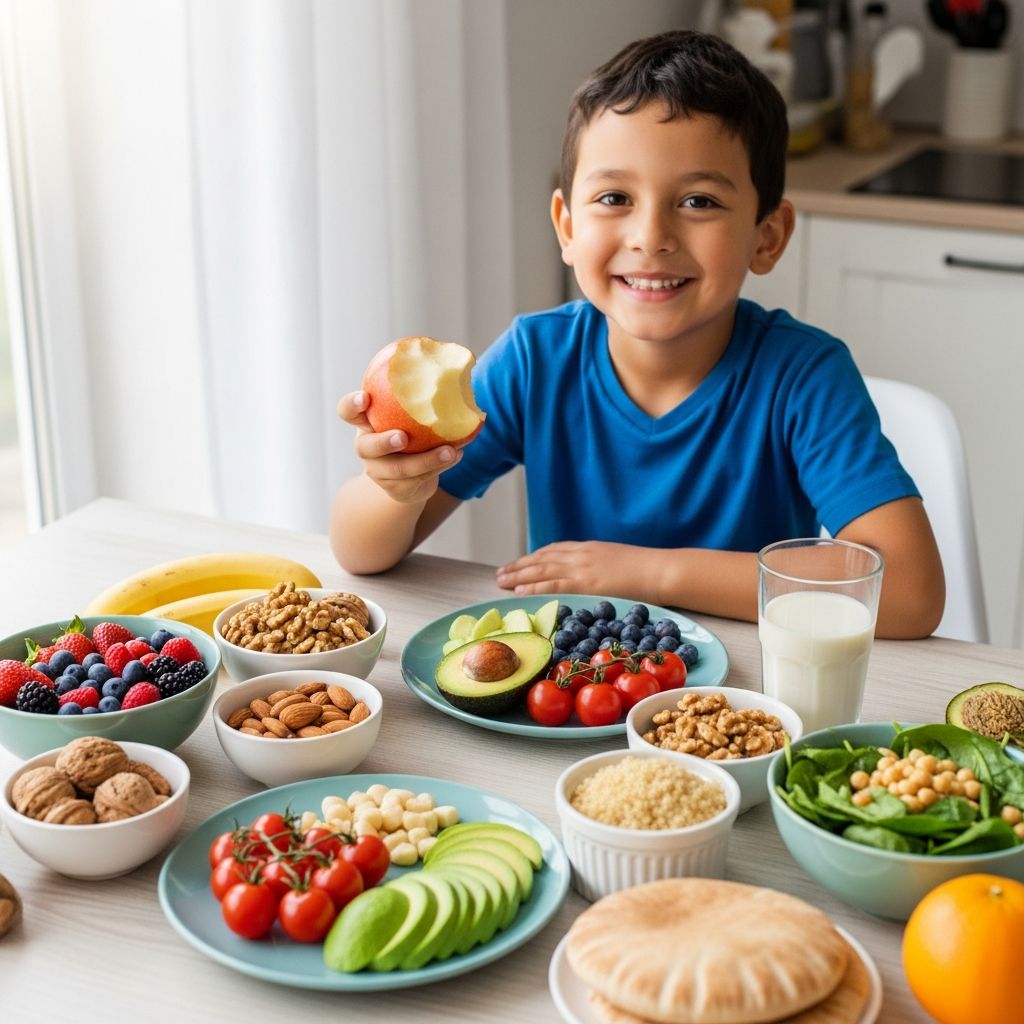
More children and teens are choosing to eat less meat or avoid it completely. For many families, this raises an important question: can a vegetarian diet give growing kids everything they need? When it is thoughtfully planned, a vegetarian eating pattern can fully support normal growth, energy, and healthy development in childhood and adolescence.
This guide explains what parents need to know about kids and vegetarian diets, including types of vegetarianism, key nutrients to watch, common challenges, and practical tips for everyday meals.
Understanding Vegetarian Diets in Children
The word vegetarian can describe several different ways of eating. Knowing exactly what your child does and does not eat will help you plan balanced meals.
Common Vegetarian Patterns
- Lacto-ovo vegetarian: Eats dairy products and eggs, but avoids meat, poultry, and fish.
- Lacto vegetarian: Eats dairy products but no eggs, meat, poultry, or fish.
- Ovo vegetarian: Eats eggs but no dairy, meat, poultry, or fish.
- Pescatarian: Includes fish and seafood, along with plant foods, but avoids meat and poultry.
- Vegan: Avoids all animal products, including meat, poultry, fish, eggs, and dairy.
- Flexitarian: Mostly plant-based diet with small or occasional amounts of meat or animal foods.
More restrictive versions, such as diets based only on fruit or raw foods, are not recommended for children because their safety for growth and development has not been established.
Why Kids Choose a Vegetarian Diet
Children and teens may choose a vegetarian pattern for many reasons, such as:
- Concern for animals or the environment
- Desire to eat “healthier” or avoid certain foods
- Cultural or religious practices
- Influence from friends, social media, or role models
Ask your child why they want to change their diet and what they are willing to eat. This helps you judge whether the choice is thoughtful or driven by body-image concerns or peer pressure.
Is a Vegetarian Diet Safe for Kids?
Research and professional organizations agree that a well-designed vegetarian diet can support normal growth in infants, children, and teens, as well as during pregnancy and breastfeeding. A large review in a pediatric journal concluded that children and adolescents can “grow and thrive” on appropriately planned vegetarian diets, including vegan diets, as long as key nutrients are provided and monitored.
Growth and Weight Considerations
Several studies have compared vegetarian and non-vegetarian children:
- Children on vegetarian diets generally show similar height and weight compared with non-vegetarian peers when their diet is varied and adequate.
- One large cohort study found no meaningful differences in body mass index (BMI), height, or iron and vitamin D status between vegetarian and non-vegetarian children, but did note a slightly higher risk of being underweight among vegetarians.
This means parents should pay particular attention to overall calories and growth curves for vegetarian kids, especially younger children and those following vegan diets.
| Aspect | Well-planned vegetarian diet | Poorly planned vegetarian diet |
|---|---|---|
| Growth | Normal height and weight for age | Risk of underweight or slow growth |
| Energy | Enough calories from a mix of grains, legumes, nuts, and fats | Too many low-calorie, bulky foods; child feels full before meeting needs |
| Key nutrients | Protein, iron, zinc, calcium, vitamin B12, and vitamin D covered with food and supplements as needed | Missing or borderline intake of several vitamins and minerals |
| Diet pattern | Wide variety of plant foods and fortified items | Reliance on a few foods or processed snacks |
Key Nutrients to Watch in Vegetarian Kids
Because many nutrients commonly come from animal foods, vegetarian children need extra attention to specific nutrients. A position paper in a pediatric journal highlights protein, essential fatty acids, iron, zinc, calcium, and vitamins B12 and D as the most critical for young vegetarians.
Protein
Protein supports growth, muscle development, hormones, and the immune system. Vegetarian kids can meet their protein needs with plant sources if they eat enough calories and variety.
Useful protein-rich foods include:
- Beans, lentils, and chickpeas
- Tofu, tempeh, and other soy products
- Peanut butter and other nut or seed butters (spread thinly for young children)
- Nuts and seeds (age-appropriate forms for choking safety)
- Milk, yogurt, cheese, and eggs for lacto-ovo vegetarians
Iron
Iron is essential for carrying oxygen in the blood and supporting brain development. Plant-based iron (non-heme iron) is less easily absorbed than iron from meat, so vegetarian kids may need more iron-rich foods.
Plant sources of iron include:
- Beans and lentils
- Fortified breakfast cereals
- Tofu and soy products
- Dark green leafy vegetables
- Seeds such as pumpkin and sunflower
Pairing these foods with vitamin C-rich items (such as oranges, strawberries, bell peppers, or tomatoes) can improve iron absorption.
Vitamin B12
Vitamin B12 helps maintain healthy nerves and blood cells and is naturally found almost only in animal foods. Vegan children and teens must obtain B12 from fortified foods or supplements.
Sources include:
- Fortified plant milks
- Fortified breakfast cereals
- Fortified nutritional yeast
- Vitamin B12 supplements, as advised by a health professional
Calcium and Vitamin D
Calcium builds strong bones and teeth, while vitamin D helps the body absorb calcium. Children need both, especially during periods of rapid growth.
- Calcium sources: Cow’s milk, yogurt, cheese, fortified plant milks, fortified tofu, some leafy greens, and calcium-set soy products.
- Vitamin D sources: Fortified cow’s milk and plant milks, fortified spreads and cereals, and supplements when needed.
Because many children do not get enough vitamin D from food and sunlight alone, professional groups frequently recommend a supplement, especially in higher latitudes or for children with limited sun exposure.
Omega-3 Fats and Zinc
Omega-3 fats support brain and eye development. Zinc is needed for growth and immune function. Both can be somewhat lower in vegetarian diets if not planned carefully.
- Omega-3 sources: Ground flaxseed, chia seeds, walnuts, canola oil, and some fortified foods.
- Zinc sources: Beans, lentils, nuts, whole grains, and dairy products (for those who consume them).
Planning Balanced Vegetarian Meals for Kids
A child’s vegetarian diet should still follow the basic principles of healthy eating: variety, regular meals and snacks, and minimal highly processed foods. National and international dietary guidelines now encourage more plant-based foods for everyone, not only vegetarians.
Daily Building Blocks
Try to include the following food groups across your child’s day:
- Fruits: Fresh, frozen, or canned in water or light syrup
- Vegetables: A mix of colors and types; offer both cooked and raw as appropriate
- Whole grains: Oats, whole wheat bread, brown rice, quinoa, barley, and whole-grain pasta
- Protein foods: Beans, lentils, nuts, seeds, tofu, tempeh, eggs, dairy, or fish (if pescatarian)
- Healthy fats: Avocado, nuts, seeds, nut/seed butters, and plant oils like canola or olive oil
Sample Vegetarian Meal Ideas
- Breakfast: Fortified whole-grain cereal with milk (dairy or fortified soy), sliced fruit, and a spoonful of nut butter.
- Lunch: Hummus and veggie sandwich on whole-grain bread, carrot sticks, and a yogurt cup.
- Dinner: Lentil or bean-based chili over brown rice, side salad with colorful vegetables, and a glass of fortified plant milk.
- Snacks: Trail mix with nuts and dried fruit, apple slices with peanut butter, or fortified soy yogurt with berries.
Supporting Your Child’s Vegetarian Choice
Parents play a key role in making vegetarian eating healthy and realistic for kids.
Talk Openly and Set Expectations
- Ask what type of vegetarian diet your child wants to follow and why.
- Explain that they must still eat a variety of foods, not just remove meat and replace it with snacks.
- Agree together on which foods are included and which are not.
Involve Children in Planning and Cooking
- Look up simple vegetarian recipes together.
- Let your child help with shopping and choosing vegetables, beans, and grains.
- Teach them how to prepare basic dishes like bean tacos, vegetable stir-fries, or lentil soup.
Watch for Red Flags
Some adolescents may use vegetarianism as a socially acceptable way to restrict food intake or hide an eating disorder. Experts recommend screening teens on highly restrictive diets for possible disordered eating.
Seek professional help if you notice:
- Rapid weight loss or visible underweight
- Skipping many meals or cutting out more and more foods
- Strong fear of weight gain or obsessive calorie counting
- Distorted body image or intense guilt around eating
Working With Health Professionals
Because children grow quickly and their needs change over time, regular medical follow-up is important for vegetarian kids. Pediatric and nutrition organizations advise ongoing education for families and follow-up to ensure nutrient needs are being met.
When to Consult a Pediatrician or Dietitian
- Your child is very young (infant, toddler, or preschooler) and following a vegan or highly restrictive diet.
- You are unsure whether your child’s diet covers protein, iron, calcium, vitamin B12, and vitamin D.
- Growth charts show your child dropping percentiles in weight or height.
- There are concerns about picky eating or possible eating disorders.
A pediatrician can monitor growth and order blood tests, such as for iron or vitamin B12 status, if needed. A registered dietitian can help you design realistic meal plans and guide safe use of supplements.
Frequently Asked Questions (FAQs)
Can babies and toddlers follow a vegetarian or vegan diet safely?
Yes, but this age group is especially vulnerable to nutrient deficiencies because they have small stomachs and high needs. Professional bodies state that well-planned vegetarian and vegan diets can support normal growth in infancy, but they require careful planning, calorie-dense foods, and close monitoring. Parents should work closely with a pediatrician and, ideally, a pediatric dietitian.
Does my vegetarian child automatically need supplements?
It depends on the type of vegetarian diet and your child’s overall intake. Vegan children generally need a reliable source of vitamin B12 and often vitamin D. Some may also benefit from iron or other supplements based on lab results and dietary assessment. Always discuss supplements with your child’s health-care provider before starting them.
Are vegetarian kids at higher risk of being underweight?
One large study found that while average growth measures were similar between vegetarian and non-vegetarian children, vegetarians had slightly higher odds of being underweight. This risk is usually related to low total calorie intake or very restrictive diets. Offering calorie-dense plant foods (like nut butters, soy products, avocado, and healthy oils) and monitoring growth charts helps prevent this problem.
Is a flexitarian approach better than strict vegetarianism for teens?
Some experts suggest that a mostly plant-based, “flexitarian” pattern can be easier for teens who are still learning to eat a wide variety of plant foods. It can reduce meat intake while keeping the diet flexible and nutritionally complete. Whether your teen is strictly vegetarian or flexitarian, the focus should be on balanced meals and adequate nutrients.
How often should my vegetarian child have their growth and nutrition checked?
All children, regardless of diet, should have regular well-child visits where height, weight, and BMI are plotted on growth charts. Vegetarian and vegan children may benefit from a little extra attention to growth trends and periodic nutrition reviews, especially during rapid growth phases or if the diet becomes more restrictive.
References
- Lee EY, et al. Vegetarian Diet, Growth, and Nutrition in Early Childhood — Pediatrics (American Academy of Pediatrics). 2022-05-02. https://publications.aap.org/pediatrics/article/149/6/e2021052598/186964/Vegetarian-Diet-Growth-and-Nutrition-in-Early
- Larqué E, et al. Vegetarian diets in children and adolescents — Paediatrics & Child Health (PMC/NIH). 2010-08-01. https://pmc.ncbi.nlm.nih.gov/articles/PMC2912628/
- Is a Vegetarian Diet Healthy for Children? — St. Louis Children’s Hospital. 2019-06-18. https://www.stlouischildrens.org/health-resources/pulse/vegetarian-diet-healthy-children
- Vegetarian diets for children and teens — Caring for Kids (Canadian Paediatric Society). 2022-03-01. https://www.caringforkids.cps.ca/handouts/healthy-living/vegetarian_diets_for_children_and_teens
- Plant-Based Diets: Are They Good for Kids? — HealthyChildren.org (American Academy of Pediatrics). 2021-11-08. https://www.healthychildren.org/English/healthy-living/nutrition/Pages/Plant-Based-Diets.aspx