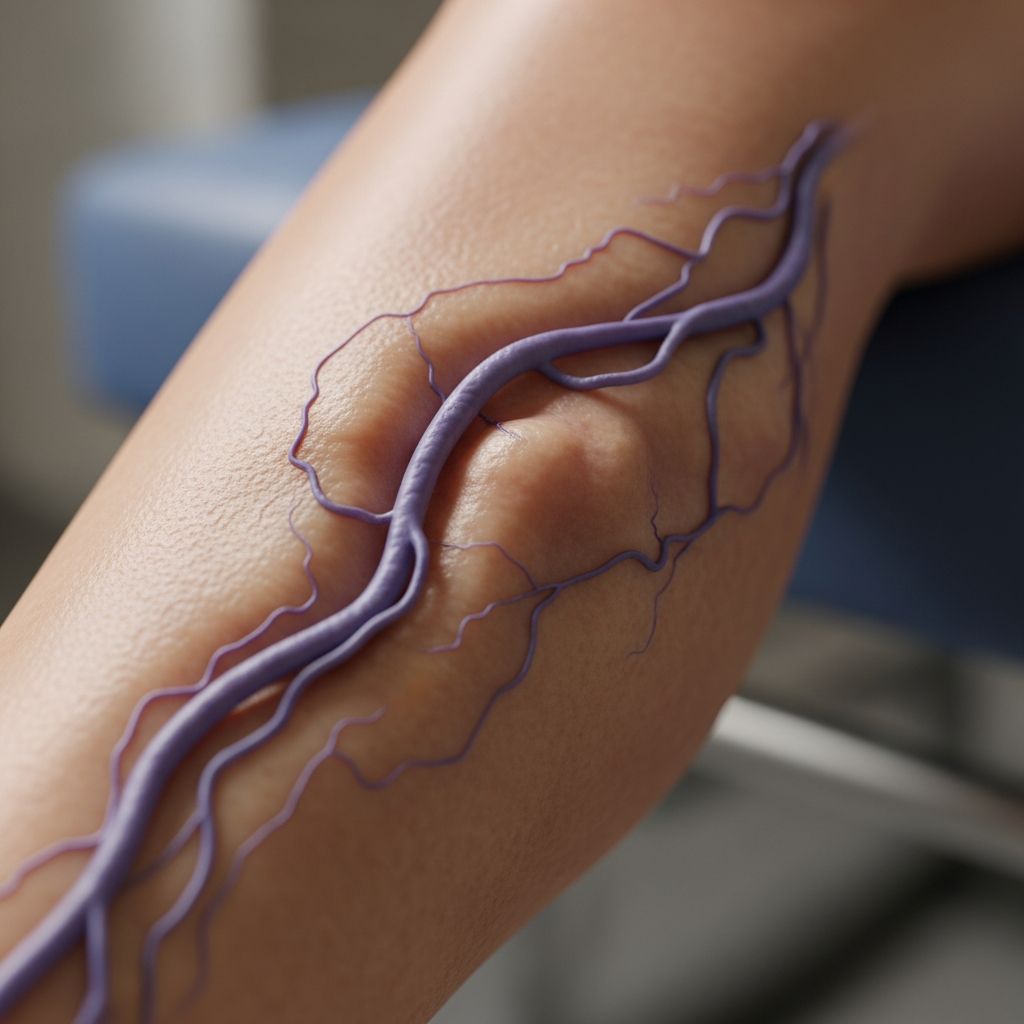
Varicose veins affect millions worldwide, appearing as twisted, bulging vessels primarily in the legs. These enlarged veins result from weakened valves that allow blood to pool instead of flowing efficiently back to the heart.
Understanding Vein Anatomy and Function
Veins are thin-walled structures equipped with one-way valves to prevent backward blood flow, especially crucial in the legs where gravity poses a challenge. When these valves fail—due to wear, damage, or other factors—blood reverses direction, pools, and stretches the vein walls, leading to the characteristic bulging and twisting.
Superficial veins near the skin’s surface are most prone to varicosities, distinguishing them from deeper veins. Spider veins, smaller and web-like, often accompany true varicose veins but pose fewer health risks.
Recognizing Early Warning Signs
Initial symptoms include aching, throbbing, or heaviness in the legs, worsening after prolonged standing or sitting. Itching, burning, swelling around ankles, and leg fatigue signal progressing issues.
Advanced signs involve skin discoloration, texture changes, and severe pain. Muscle cramps, restlessness, and open sores (ulcers) indicate chronic venous insufficiency (CVI), where circulation damage escalates.
- Achy or heavy legs, especially evenings
- Visible blue/purple ropes under skin
- Swelling in calves/ankles
- Itching/burning over veins
- Leg cramps at night
Risk Factors You Can’t Ignore
Age increases vulnerability as vein walls lose elasticity and valves weaken over time. Women face higher odds due to hormonal shifts during pregnancy, menopause, or from birth control.
Pregnancy amplifies risks: expanded blood volume and uterine pressure on pelvic veins strain leg circulation, though many veins normalize post-delivery. Family history strongly predicts development, overriding gender.
| Risk Factor | Description | Modifiable? |
|---|---|---|
| Age | Valve wear from years of use | No |
| Gender (Female) | Hormones relax vein walls | No |
| Pregnancy | Increased blood volume, pressure | Temporary |
| Family History | Genetic predisposition | No |
| Obesity | Extra weight strains veins | Yes |
| Sedentary Lifestyle | Poor circulation from inactivity | Yes |
| Standing/Sitting Long Periods | Gravity pools blood | Yes |
Debunking Persistent Myths
Myth 1: Only women suffer from varicose veins. Up to 45% of men develop them, though women are more prone.
Myth 2: They’re just cosmetic. Beyond appearance, they signal CVI, risking ulcers, infections, and immobility.
Myth 3: Leg crossing causes them. It may worsen symptoms but doesn’t initiate valve damage.
Myth 4: Aging makes them inevitable. Prevention strategies can delay or avoid them.
Myth 5: Pregnancy permanently dooms veins. Most revert after birth with proper care.
Over half of Americans over 50 have varicose veins or related issues, yet many remain hidden without visible signs, damaging health silently.
Health Dangers Beyond Aesthetics
Untreated varicose veins advance to CVI, causing chronic inflammation, skin changes, and non-healing ulcers. Phlebitis (vein inflammation), bleeding, and severe cramps disrupt daily life.
Worse, they heighten deep vein thrombosis (DVT) risk—a clot that can travel to lungs (pulmonary embolism) or brain (stroke). DVT symptoms: unilateral calf swelling, warmth, redness—seek immediate care.
Systemic effects include elevated heart attack, stroke, and diabetes risks from impaired circulation and immunity.
Lifestyle Strategies for Prevention and Relief
Exercise boosts calf muscle pumps aiding venous return: walking, swimming, cycling 30 minutes daily.
Elevate legs above heart level 15-20 minutes, 3-4 times daily. Compression stockings (15-20 mmHg) support valves during long stands.
Weight management reduces vein pressure; avoid tight clothes restricting groin/knee flow. Quit smoking to preserve vessel health.
- Daily walks or leg exercises
- Leg elevation routines
- Compression wear
- Balanced diet, hydration
- Frequent position changes
When to Seek Medical Evaluation
Consult if symptoms persist despite self-care, or if ulcers, bleeding, or sudden swelling occur. A venous ultrasound screens for hidden CVI or DVT.
Early intervention prevents progression; distinguish symptomatic varicose veins needing treatment from benign spider veins.
Modern Treatment Options
Conservative measures suffice for mild cases; advanced therapies seal faulty veins.
Sclerotherapy: Injects solution collapsing small veins; ideal for spider/varicose.
Endovenous Ablation: Laser/radiofrequency heat closes large veins; outpatient, quick recovery.
Ambulatory Phlebectomy: Removes bulging veins via tiny incisions.
Vein Stripping: Rare now, for severe cases.
Treatments restore circulation; new veins rarely form with lifestyle adherence.
Frequently Asked Questions (FAQs)
Can varicose veins lead to blood clots?
Yes, they increase DVT risk, potentially causing life-threatening pulmonary embolism. Monitor for calf pain/swelling.
Do varicose veins only appear in old age?
No, pregnancy or jobs requiring standing can trigger them young; risk rises with age but isn’t inevitable.
Are compression socks enough treatment?
They manage symptoms and prevent worsening but don’t fix underlying valve issues; combine with medical advice.
Will pregnancy veins disappear?
Often yes, post-delivery, especially with exercise/compression; persistent ones may need evaluation.
Is surgery the only cure?
No, minimally invasive options like ablation treat effectively without major surgery.
Empowering Your Vein Health Journey
Varicose veins transcend cosmetics, demanding proactive management. Routine checks, lifestyle tweaks, and timely treatments safeguard legs and overall health. Consult providers for tailored plans, ensuring active, pain-free living.
References
- Varicose Vein Myths Quashed — Florida Lakes Vein Center. Accessed 2026. https://www.floridalakesveincenter.com/varicose-vein-myths-quashed/
- 10 Facts You Might Not Known about Varicose Veins — Vein Clinics of Hawaii. Accessed 2026. https://www.veinclinicsofhawaii.com/facts-about-varicose-veins/
- 6 Things to Know About Varicose Veins — UNC Health Wayne. 2021-06. https://www.wayneunc.org/wellness/health-talk-blog/health-talk/2021/6-things-to-know-about-varicose-veins/
- 6 varicose vein myths debunked — Mayo Clinic Health System. Accessed 2026. https://www.mayoclinichealthsystem.org/hometown-health/speaking-of-health/6-varicose-vein-myths-debunked
- Quick Facts: Varicose Veins — Merck Manual Consumer Version. Accessed 2026. https://www.merckmanuals.com/home/quick-facts-heart-and-blood-vessel-disorders/venous-disorders/varicose-veins
- Varicose veins – Symptoms and causes — Mayo Clinic. Accessed 2026. https://www.mayoclinic.org/diseases-conditions/varicose-veins/symptoms-causes/syc-20350643