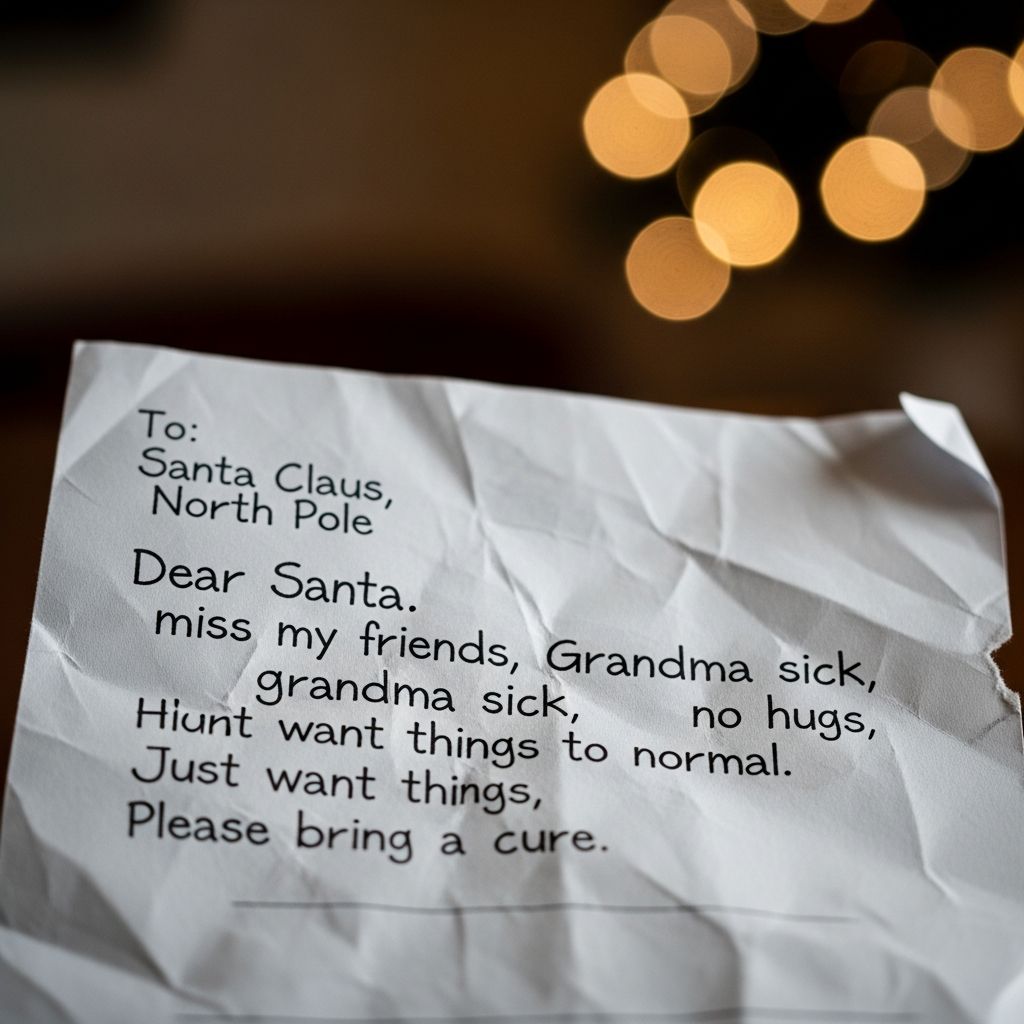
During the height of the COVID-19 crisis in 2020, children’s letters to Santa collected by the United States Postal Service (USPS) offered a poignant window into the lives of young people grappling with unprecedented challenges. These innocent pleas, part of the longstanding Operation Santa program, shifted from typical toy requests to desperate wishes for health, family stability, and an end to the pandemic, highlighting the invisible scars left on an entire generation.
Understanding Operation Santa’s Role in Crisis Times
The USPS Operation Santa initiative, launched over a century ago in 1912, traditionally serves as a bridge between children in need and generous donors. Families mail letters addressed to Santa at the North Pole, which USPS scans and posts online for adoption. Adopters purchase and send gifts anonymously, ensuring holiday magic reaches those who might otherwise go without. In 2020, as the pandemic raged, this program saw heightened participation, with over 17,000 letters adopted and 27,000 registered adopters by late November.
USPS spokesperson Kim Frum noted that the year brought job losses, unemployment, and profound grief from losing loved ones, amplifying the program’s urgency. Letters poured in nationwide, reflecting not just material wants but deep emotional turmoil. This surge underscored how holidays, meant for joy, became shadowed by global uncertainty.
Grief and Loss Echoed in Young Voices
Many letters captured the raw pain of bereavement, a stark reminder of COVID-19’s deadly toll—nearly 300,000 lives lost in the U.S. by year’s end. Children like 11-year-old Lilly shared, recounting her grandfather’s death and the agony of not being able to say goodbye due to restrictions: ‘I have not had a good year… I miss him and his big hugs.’
Four-year-old Adien’s note was equally devastating, mourning both his father and grandfather taken by the virus. These stories, shared via USPS’s Instagram, moved thousands, revealing how isolation protocols robbed children of closure and comfort during their darkest moments. Such experiences likely contributed to widespread mental health strains, as kids processed loss without the usual support of funerals or family gatherings.
- Personal tragedies turned holidays somber, with kids prioritizing remembrance over celebration.
- Restrictions on visitations amplified feelings of helplessness and loneliness.
- These letters humanized statistics, showing grief’s reach into innocent hearts.
Financial Strains Reshape Holiday Dreams
Economic fallout from shutdowns and layoffs permeated the correspondence, with children displaying remarkable maturity. Thirteen-year-old Raymond, writing for his younger siblings despite his own skepticism in Santa, pleaded: ‘Having us all home and not working due to COVID we could use some help.’ His plea spotlighted families stretched thin by remote schooling and lost incomes.
Another child, John, confessed stark realities: ‘We don’t even have a tree honestly we don’t have money for anything not even my birthday in November. But it’s OK I understand because my grandparents have been raising me.’ Even adults joined in, like single mother Hally E., diagnosed with cancer, seeking a reliable car as public transit grew unsafe.
These accounts illustrated how pandemic-induced poverty altered childhood innocence, forcing kids to rationalize sacrifices and advocate for basics.
Pandemic Fatigue and Wishes for Normalcy
Beyond grief and finances, letters brimmed with exhaustion from endless restrictions. Kaden yearned to ‘re-start fifth grade with no COVID,’ capturing the drudgery of virtual learning and social isolation. Jasmyne blended whimsy with gravity, requesting an Xbox alongside ‘world peace,’ ‘climate control,’ and the ‘end of COVID-19.’
Young Barron cut straight to the chase: ‘Please make the coronavirus go away.’ Paradoxically, Jonathan listed a ‘mask’ among gifts, perhaps embracing protection or satirizing the new normal. Savannah apologized for misbehavior, blaming ‘COVID-19 and online school,’ hinting at behavioral shifts from disrupted routines.
Anthony imagined an escape via a Jumanji-like video game to flee the pandemic’s grip, showing creativity born of confinement. These wishes signaled acute awareness of adult anxieties, debunking notions that children remained blissfully unaware.
Remote Learning’s Hidden Toll on Families
Online education emerged as a recurring theme, exacerbating home stresses. Children described struggles with screens replacing playgrounds, leading to frustration and isolation. Savannah’s admission linked pandemic protocols to personal shortcomings, suggesting rising guilt and self-doubt among students.
Full-time remote setups meant constant supervision for working parents, straining resources. Letters revealed overcrowded homes turned into makeshift classrooms, blurring boundaries between learning, play, and rest. This setup likely fueled mental fatigue, with kids craving peer interactions and structured days.
| Child’s Wish | Underlying Issue | Example Quote |
|---|---|---|
| End to COVID | Pandemic fatigue | ‘Please make the coronavirus go away.’ |
| No masks/school restart | Restrictions | ‘Re-start fifth grade with no COVID.’ |
| Family help | Financial hardship | ‘Help my mom for Christmas.’ |
| Basic needs | Poverty | ‘We don’t have a tree.’ |
Broader Mental Health Implications for Children
These letters foreshadowed a mental health crisis among youth. Experts later confirmed spikes in anxiety, depression, and behavioral issues post-2020, linked directly to pandemic disruptions. Children’s explicit mentions of COVID-related woes indicated they absorbed societal fears, internalizing them into holiday wishes.
The duality of hope—requests for toys amid calamity—showed resilience but also vulnerability. Programs like Operation Santa provided relief, yet couldn’t erase systemic strains. Over 20,000 adoptions by program’s end offered tangible aid, but emotional healing demanded more.
Parents witnessed this firsthand, as kids voiced global concerns typically beyond their years. This precocity worried caregivers, prompting calls for enhanced child psychology support in recovery efforts.
How Communities Responded to the Letters
The viral spread of these stories on social media galvanized action. USPS Instagram posts amassed views, encouraging adoptions and donations. Frum emphasized the program’s evolution, adapting digitally to meet surging needs amid natural disasters compounding COVID woes.
Beyond gifts, responses fostered dialogue on child welfare. Media coverage from outlets like Fox News and CNN amplified voices, urging policy focus on youth mental health funding and school reopenings. Volunteers, moved by specifics like reliable vehicles for cancer patients, extended help innovatively.
- Increased adoptions reflected empathy surge.
- Digital platform boosted nationwide participation.
- Stories inspired broader philanthropy and awareness.
Lessons for Future Crises and Holiday Support
2020’s letters serve as a baseline for gauging child impacts in disruptions. They advocate sustained programs like Operation Santa, proven vital in crises. Enhancing mental health resources, flexible schooling, and economic aids could mitigate future tolls.
Families learned to prioritize emotional check-ins during holidays, using letters as prompts for open talks. Resilience shone through, as kids balanced despair with optimism, requesting games alongside cures—a testament to enduring holiday spirit.
Frequently Asked Questions
What is USPS Operation Santa?
A century-old program where children send letters to Santa; USPS posts them for public adoption to fulfill wishes with gifts.
How did COVID-19 change letters in 2020?
Shifts from toys to pleas for health, finances, and normalcy, reflecting grief, poverty, and isolation.
Can anyone adopt a letter?
Yes, via USPSOperationSanta.com; buy and ship gifts to local post offices for delivery.
What was the adoption scale in 2020?
Nearly 17,000 letters adopted, 27,000 adopters registered by late November.
Do letters still mention pandemics today?
While 2020 peaked mentions, programs continue aiding families post-crisis.
References
- USPS Letters To Santa Reveal The Heartbreaking Toll COVID Is Taking On Kids — Scary Mommy. 2020-12-01. https://www.scarymommy.com/usps-santa-letters-covid
- USPS Operation Santa letters detail pandemic’s impact on children — Fox News. 2020-12-03. https://www.foxnews.com/us/christmas-usps-operation-santa-letters-coronavirus-children-pandemic
- Christmas amid coronavirus: Letters to Santa show pandemic’s effects on children — Boston 25 News. 2020-12-01. https://www.boston25news.com/news/trending/christmas-amid-coronavirus-letters-santa-show-pandemics-effects-children/URWTKNXAZJFGRHCDWK57O2GEZQ/
- Letters to Santa Show the Mental Toll COVID-19 Has Taken on Kids — The Bump. 2020-12-01. https://www.thebump.com/news/usps-operation-santa-letters-2020
- Children Write To USPS’ Operation Santa During The COVID Pandemic — Bored Panda. 2020-12-01. https://www.boredpanda.com/operation-santa-children-letters-pandemic/