Parental divorce represents a profound shift in family dynamics, yet children’s responses vary widely based on their developmental stage. Understanding these differences equips parents to provide targeted support, minimizing long-term emotional distress. This guide draws on developmental psychology to outline reactions and strategies across age groups, emphasizing consistent parenting and low-conflict environments.
Infants and Toddlers: Prioritizing Security in Upheaval
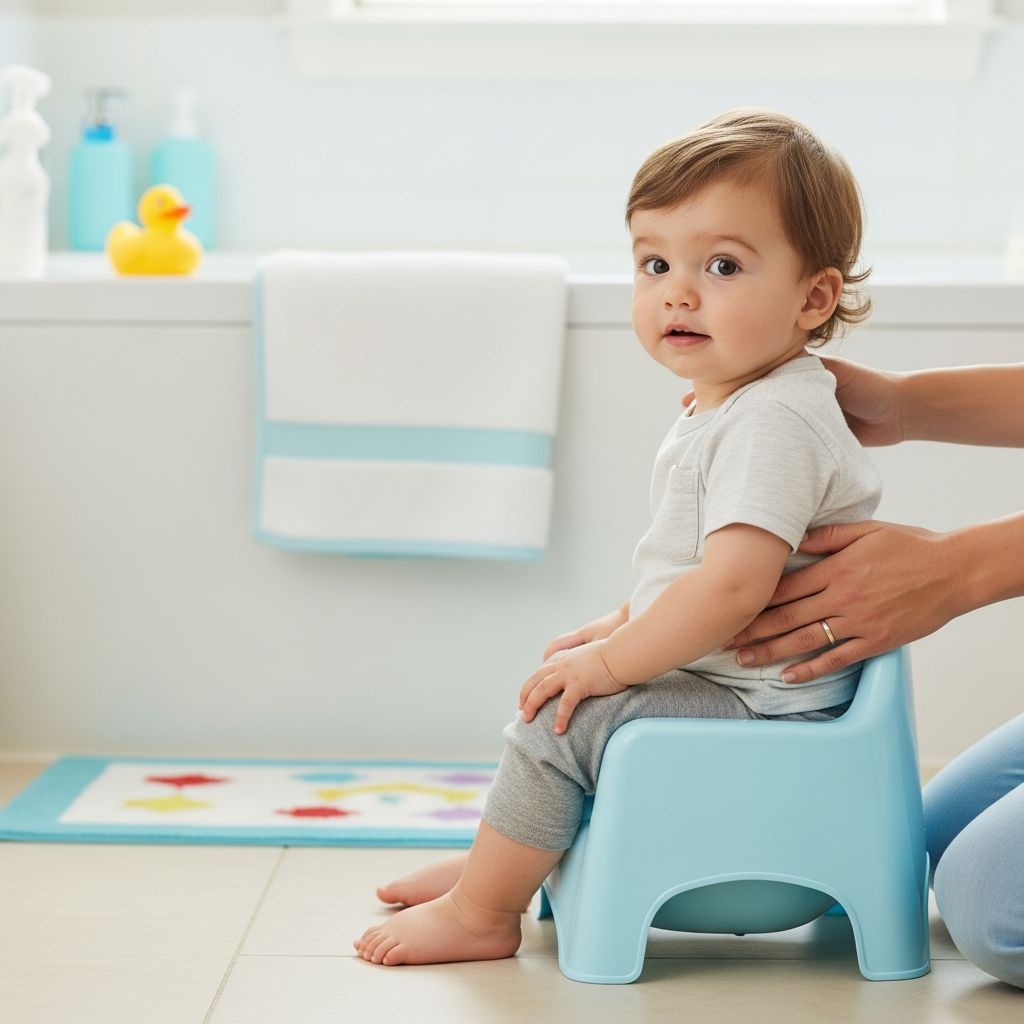
The youngest children, from birth to around age 2, lack the cognitive tools to grasp divorce conceptually. Instead, they sense disruptions through changes in parental mood, routines, and physical presence. Babies and toddlers rely entirely on caregivers for emotional regulation, absorbing stress via nonverbal cues like tension or inconsistency.
Maintaining predictability is crucial. Stick to established feeding, sleeping, and play schedules as much as possible. If one parent moves out, ensure frequent, positive contact with both to reinforce attachment bonds. Research highlights that secure relationships with both parents buffer against anxiety, even in fragmented households.
- Respond promptly to cries and needs to rebuild trust.
- Avoid exposing them to arguments; model calm interactions.
- Use soothing routines like familiar lullabies or toys during transitions.
For toddlers approaching 2 years, simple reassurances help. Phrases like “Mommy and Daddy live in different houses now, but we both love you” introduce the concept without overwhelming details. Watch for regression, such as increased clinginess or sleep issues, and address them with extra comfort rather than discipline.
Preschoolers: Dispelling Magical Thinking and Fault
Ages 3 to 5 mark emerging independence, but limited logic leads to self-blame. Preschoolers often interpret separation concretely: “Daddy left because I was bad” or “I can fix this by being good.” They struggle with time, cause-effect, and abstract emotions, fixating on logistics like “Who will tuck me in?.”
Clear, repetitive explanations counteract misconceptions. Hold joint family meetings with short, honest statements: “Mom and Dad decided to live apart because grown-ups sometimes do that. It’s not your fault, and we both love you forever.” Repeat as needed; one talk isn’t enough.
| Common Preschooler Questions | Sample Responses |
|---|---|
| Why is Daddy moving? | Daddy and I are adults who chose different homes, but you’ll see him often. |
| Did I cause this? | No, this is an adult decision. You did nothing wrong. |
| Who takes care of me now? | We both will, on a schedule so you feel safe. |
Preserve routines for meals, bedtime, and preschool drop-offs. Books on family changes spark discussions indirectly. Behavioral shifts like bedwetting or tantrums signal distress; respond with empathy, not punishment. Co-parenting apps or calendars visualize visitation, reducing uncertainty.
Early School-Age Children: Navigating Loyalty and Feelings
From 6 to 8 years, kids develop better emotional vocabulary and logic, yet still crave stability. They express fears through questions or artwork, worrying about divided loyalties or abandonment. Listen actively during casual moments, like car rides, rather than formal interrogations.
Validate emotions: “It’s okay to feel sad or mad about changes.” Stories or peer groups normalize experiences. School performance may dip; collaborate with teachers for support. Key is modeling healthy coping—exercise, hobbies—and shielding from parental disputes.
- Encourage expression via drawing, play, or journals.
- Maintain consistent rules across homes.
- Reassure ongoing family celebrations like birthdays.
Middle School-Age Kids: Grasping Complexity and Seeking Control
Ages 9 to 11 bring abstract thinking, allowing comprehension of marital discord without details. They probe reasons (“Was it money fights?”) and may internalize blame or fantasize reconciliation. Balance honesty with boundaries: “We grew apart as partners, but remain your parents.”.
They value peer input, so address friend-telling dilemmas. Independence surges; involve them in scheduling for empowerment. Monitor for withdrawal or acting out, signs of unprocessed grief. Therapy focused on coping skills aids adjustment.
Early Teens: Balancing Independence with Inner Turmoil
12 to 14-year-olds possess maturity to discuss divorce impacts, yet hormonal shifts amplify volatility. They question authority, resent disruptions to social lives, and may side with one parent. Public parental conflict embarrasses them deeply.
Foster open dialogues on their terms. Respect autonomy in visitation choices while ensuring safety. Peers influence heavily; validate social adjustments. Watch for risk behaviors like defiance or isolation.
| Age Group | Key Challenges | Support Strategies |
|---|---|---|
| Infants/Toddlers | Routine disruption, parental stress sensing | Consistency, soothing presence |
| Preschool (3-5) | Self-blame, magical thinking | Simple reassurances, routines |
| Early School (6-8) | Emotional expression, loyalty fears | Active listening, normalization |
| Middle School (9-11) | Abstract questions, peer concerns | Boundaried honesty, involvement |
| Early Teens (12-14) | Rebellion, embarrassment | Autonomy respect, risk monitoring |
Older Teens: Autonomy, Anger, and Future Worries
15 to 18-year-olds confront divorce amid identity formation and college plans. They grasp nuances, feeling anger, shame, or premature responsibility (“I’ll stay home for Mom”). Some accelerate independence or engage in risky behaviors like substance use.
Share age-appropriate reasons without confidante roles. Encourage personal goals; therapy addresses loyalty binds. They benefit from seeing parental healing, modeling resilience.
Universal Strategies for All Ages
Three pillars aid adjustment: robust parent-child bonds, quality parenting, and conflict minimization. Co-parent parallel parenting if direct contact fuels tension. Professional counseling via family therapists helps. Legal custody prioritizes child needs per guidelines from bodies like the American Psychological Association.
- Coordinate schedules seamlessly.
- Avoid disparaging the other parent.
- Celebrate individual parenting styles.
Frequently Asked Questions
What should I tell very young children about divorce?
Keep it simple: Explain living arrangements and love continuity without blame. Repeat gently.
How do I handle a child blaming themselves?
Reassure explicitly it’s an adult choice. Use examples or books to clarify.
Is therapy necessary for all kids?
Not always, but beneficial for persistent distress. Seek child psychologists specializing in family transitions.
How to manage holidays post-divorce?
Alternate years or split days fairly. Focus on child’s joy over adult grievances.
What if teens refuse contact with one parent?
Respect while encouraging; court may intervene if alienation suspected.
Long-Term Outlook: Building Resilient Futures
Children of divorce thrive with proactive support. Longitudinal studies show no inherent disadvantage if stability prevails. Parents’ emotional health is key—seek your own therapy. Over years, as kids mature, revisit discussions, adapting to new insights. This journey, though challenging, forges adaptable youth equipped for life’s changes.
References
- Kids and Divorce: An Age By Age Guide To Help Parents — Sue Atkins Parenting Coach. 2025-04-01. https://sueatkinsparentingcoach.com/2025/04/kids-and-divorce-an-age-by-age-guide-to-help-parents/
- How to tell kids about divorce: An age-by-age guide — Today’s Parent. 2023-01-15. https://www.todaysparent.com/family/kids-and-divorce-an-age-by-age-guide/
- Helping Children Cope With Divorce — Association for Behavioral and Cognitive Therapies (ABCT). 2024-06-10. https://www.abct.org/fact-sheets/helping-children-cope-with-divorce/
- Divorce With an Under-3 in the House: What You Need to Know — Zero to Three. 2023-11-20. https://www.zerotothree.org/resource/divorce-with-an-under-3-in-the-house-what-you-need-to-know/