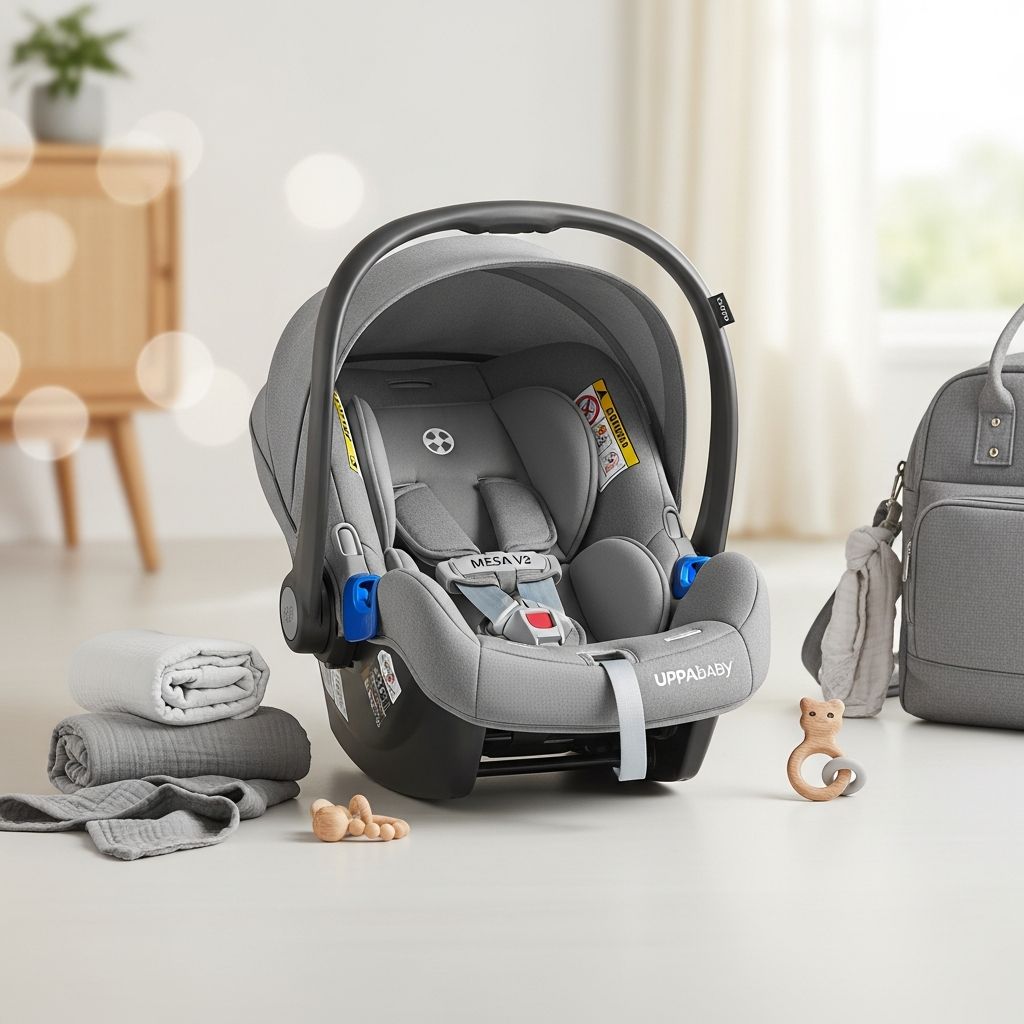
Choosing an infant car seat is one of the most important gear decisions new parents make, and UPPAbaby has become a go-to brand for families who want a balance of safety, comfort, and stylish design. This guide walks through how UPPAbaby infant car seats typically work in everyday life, how they interact with strollers, and what details matter most when you are trying to decide which model fits your family best.
Why Parents Gravitate Toward UPPAbaby
UPPAbaby has built its reputation on creating baby gear that feels intuitive to use while still including high-end safety and comfort features. Parents often appreciate that many of the brand’s infant car seats are designed as part of a full travel system with matching strollers, so day-to-day transitions between car and sidewalk feel more seamless.
Beyond looks and brand recognition, UPPAbaby seats tend to focus on ease of installation, compatibility with newborns right from the hospital, and thoughtful extras such as breathable fabrics and oversized canopies. These details can reduce stress during those foggy first months when getting out of the house is already a major effort.
Core Features to Expect from UPPAbaby Infant Seats
While exact specifications vary by model and year, many UPPAbaby infant car seats share a similar design philosophy. Understanding these shared elements helps you decide whether this brand is the right starting point for your research.
- Rear-facing only: UPPAbaby infant car seats are designed for newborns and young babies and are used rear-facing only, usually up to around 30–35 pounds and a maximum height (often near 32 inches, depending on model).
- Detachable carrier and base: The carrier clicks into a vehicle base using LATCH or a seat belt, and you can remove the carrier without disturbing the base—ideal for quick errands and sleeping babies.
- Newborn fit support: Most models include infant inserts or cushions to achieve a safer, more snug fit for smaller babies from about 4 pounds upward.
- Sun protection canopy: Large, UPF-rated canopies are common, often with extendable panels or ventilation so babies stay shaded without overheating.
- No-rethread harness: On many models, you can raise or lower the headrest and harness together without taking the seat apart, which simplifies adjusting the fit as your baby grows.
Key Differences Between Popular UPPAbaby Infant Seats
UPPAbaby typically offers more than one infant car seat at a time, with models aimed at different family needs. Some are focused on being ultra-lightweight for city living and frequent travel, while others maximize premium safety and comfort features and pair seamlessly with full-size strollers.
The table below shows example dimensions and priorities you might see when comparing an everyday UPPAbaby infant seat to a lighter, travel-oriented sibling in the same family. These are illustrative categories intended to help you think about trade-offs and should always be checked against up-to-date product specifications when you are shopping.
| Feature | Everyday Comfort Model | Lightweight Travel Model |
|---|---|---|
| Approximate carrier weight | Closer to 9–10 lb | Often around 6–7 lb |
| Weight and height limits | May allow use up to 35 lb and around 32 in, depending on version | Sometimes slightly lower limits, with focus on portability |
| Extra safety hardware | May emphasize advanced side-impact protection and anti-rebound features | Can prioritize a built-in load leg or stability features engineered for travel |
| Stroller integration | Optimized to click directly onto full-size strollers from the brand | Typically also compatible, but targeted toward quick up-and-down use |
| Ideal use case | Suburban families using the seat as primary daily ride | Families frequently flying, ridesharing, or navigating walk-up apartments |
Safety Considerations When Choosing Any Infant Seat
All car seats sold by reputable retailers in the United States must meet the same federal safety standards, but brands can differ in how they go beyond the minimums. With UPPAbaby or any other manufacturer, the most important factor is not the label on the seat, but whether it fits your child, your vehicle, and is installed and used correctly on every ride.
- Fit to vehicle: Not every seat works well in every car. Sloped seats, small back rows, or very tall front passengers can limit your options. When possible, test installation in your own car before committing.
- Correct recline angle: Newborns need a recline that protects their airway. Most infant seats include built-in angle indicators or levels; make sure you can achieve a safe angle in your vehicle.
- Harness and chest clip use: Straps should be snug at or below the shoulders for rear-facing children, with no slack at the collarbone and the chest clip placed at armpit level.
- Expiration date: Car seats expire after a set number of years due to material fatigue, evolving standards, and testing limits. Always confirm that any seat—new or secondhand—will be within its lifespan for as long as you plan to use it.
- Crash and recall history: Any car seat involved in a moderate or severe crash should be replaced, and parents should register their seat with the manufacturer so they receive safety recall notices promptly.
Everyday Usability: What Makes a Seat Feel Easy
Technical specifications are important, but parents live with the tiny details: how hard it is to buckle a squirming baby, how quickly the canopy gets in the way, and whether the seat feels manageable when you are carrying a diaper bag, coffee, and your phone at the same time. UPPAbaby tends to focus heavily on these small conveniences.
- Install indicators: Colored or mechanical indicators can help confirm whether the base is latched or level, reducing guesswork for caregivers.
- Intuitive release mechanisms: One-hand releases on both the stroller and the base can matter a lot when your other hand is managing your child.
- Magnetic strap holders or buckle pockets: Features that keep the harness tucked away while you place your baby in the seat can make buckling faster and more comfortable.
- Washable materials: Many modern seats use fabrics that can be removed and washed, which is essential for spit-up, spills, and diaper blowouts.
- Head support adjustments: Easy height adjustments mean you can keep the harness correctly positioned without a complicated rethreading process.
Thinking in Terms of Lifestyle, Not Just Specs
When families compare two UPPAbaby seats side by side, it is tempting to focus only on weight limits and added safety buzzwords. In practice, the right choice comes down to how you will use the seat day after day. A seat that looks perfect on paper may be frustrating if it is too heavy for your daily walk-ups or too bulky for your compact car.
Instead of asking “Which model is better?” a more helpful question is “Which model is better for the way we live?” That framing leads to more realistic expectations and fewer regrets down the road.
Questions to Ask Yourself
- Do you rely on a private car, rideshares, taxis, or public transportation most often?
- Will you regularly carry the seat up flights of stairs or long city blocks?
- Is this seat primarily for one car, or will you move it between multiple caregivers’ vehicles?
- How important is a long usage window compared with a lighter carrier during the first months?
- Are you already invested in UPPAbaby strollers, or are you still choosing a travel system?
Stroller Compatibility and Travel Systems
One of the biggest reasons parents consider UPPAbaby infant car seats is how neatly they pair with the brand’s stroller line. When the car seat and stroller are designed to work together, you typically do not need separate adapters or extra parts to click the carrier onto the stroller frame.
This can be especially appealing if you choose a full-size stroller with a bassinet for early walks and use the infant seat mostly for car trips. The ability to move a sleeping baby from the car to the stroller without unbuckling becomes a major quality-of-life feature.
Common Travel System Benefits
- Streamlined look between stroller and car seat, which some parents simply enjoy aesthetically.
- Reduced risk of incorrect adapter use, because the components are designed for each other.
- Quicker learning curve for caregivers, grandparents, and babysitters who use your gear.
- Opportunity to buy as a bundle, potentially saving money over purchasing everything separately.
Budgeting and Long-Term Value
UPPAbaby car seats often sit in the mid-to-premium price range of the market. While that means a higher upfront investment compared with some budget brands, many families weigh this against long-term value and daily convenience. Factors such as how long the seat can be used, whether it can be passed down to a future sibling, and how it integrates into a full stroller system all play a role in perceived value.
It is also worth thinking about the cost of additional bases, which can be installed in secondary vehicles to make hand-offs smoother. If you know you will routinely move the seat between cars, spreading the cost of extra bases across several years of use may make a higher-end system feel more reasonable.
Practical Tips for Shopping and Setup
Even if you have decided that UPPAbaby is at the top of your list, the actual purchase and setup process still requires a bit of planning. Paying attention to timing, testing installation, and getting professional help when needed can all increase your confidence before the baby arrives.
- Confirm compatibility with your vehicle: Use manufacturer fit guides when available and, if possible, try the display model in your car before purchase.
- Register the seat: After purchase, complete the registration card or online form so you will receive recall notices and safety updates.
- Practice installation early: Install the base several weeks before your due date, and have another caregiver practice independently so more than one adult is confident with the setup.
- Seek expert guidance: Look up certified child passenger safety technicians in your area; many offer free or low-cost checks through hospitals, fire departments, or community events.
- Revisit the manual as your baby grows: Harness height, insert use, and recline settings all change over time, so consider bookmarking important pages or downloading a digital copy for quick reference.
Frequently Asked Questions About UPPAbaby Infant Car Seats
How long can my baby stay in an UPPAbaby infant seat?
Most infant car seats are designed for use from birth up to a specific weight and height limit, which are clearly listed on the labels and in the manual. Many UPPAbaby infant seats top out around the low-30s in inches and roughly 30–35 pounds, but you must stop using the seat as soon as your baby reaches either limit, even if there is remaining room in the other category.
Can I skip straight to a convertible car seat instead?
Some parents do choose to start with a rear-facing convertible seat from day one, especially if they do not expect to remove the seat from the car frequently. However, infant seats like those offered by UPPAbaby tend to provide a more tailored newborn fit, a convenient carrier for quick trips, and easy stroller compatibility, which many families find valuable in the first year.
Are UPPAbaby car seats compatible with non-UPPAbaby strollers?
Compatibility with other brands depends on whether adapters are available and approved for use by both manufacturers. While UPPAbaby infant seats are optimized for the brand’s own stroller line, some third-party stroller makers do offer dedicated adapters. Always consult both manuals to ensure any cross-brand setup is allowed and safe.
Is it safe to buy a used UPPAbaby car seat?
A used seat can be safe only if you know the full history: no moderate or severe crashes, no missing parts, no recalls left unresolved, and no past expiration date. If any of those details are uncertain, a new seat—regardless of brand—is the safer choice.
What is the next step after my baby outgrows the infant seat?
Once your child reaches the height or weight limit, the next step is a rear-facing convertible or all-in-one seat installed with the harness. Many safety organizations recommend keeping children rear-facing as long as possible within the limits of the convertible seat, because this position provides better protection for the head, neck, and spine.
Final Thoughts
UPPAbaby infant car seats appeal to parents who want a thoughtfully designed travel system that feels intuitive from day one. By looking beyond marketing terms and focusing on real-world fit, ease of use, and how the seat supports your daily routines, you can decide whether one of these models is the right starting point for your family’s journeys.