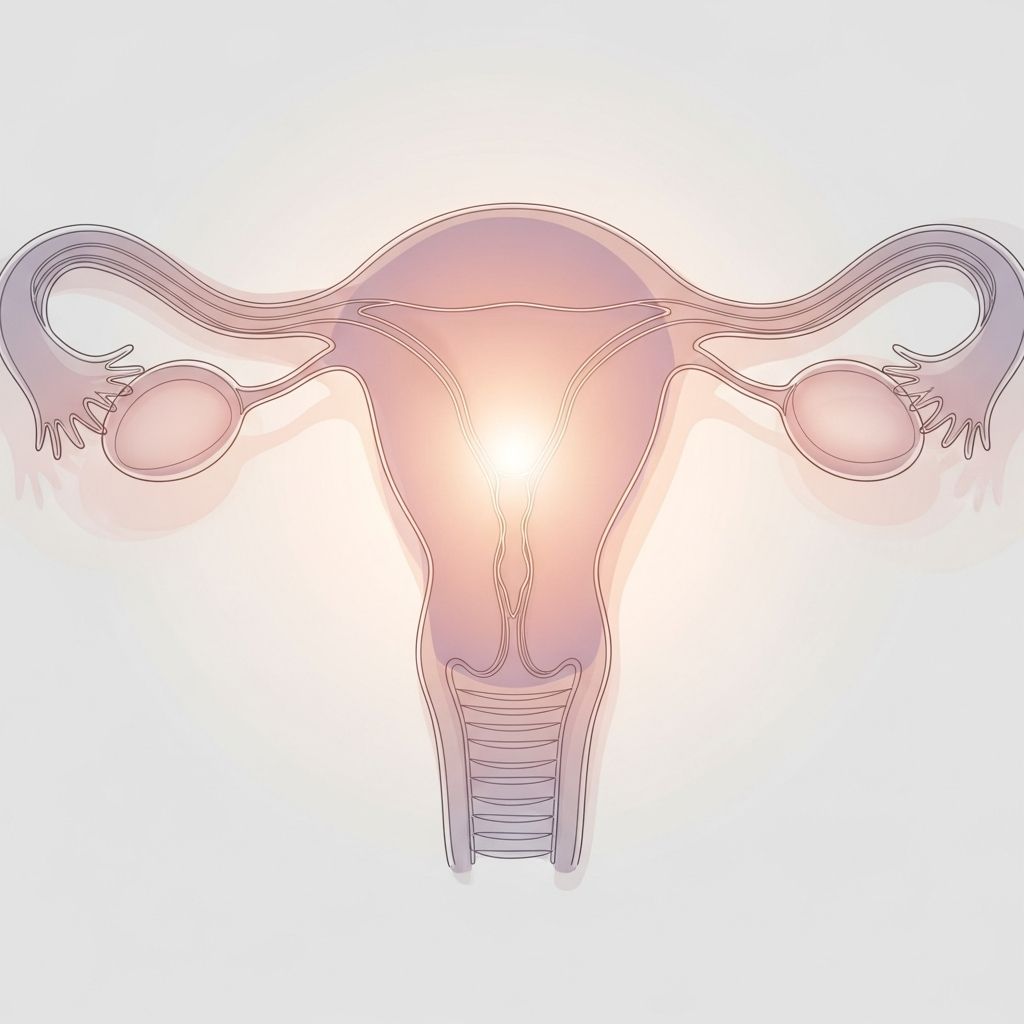
Vaginal bleeding is a normal part of the menstrual cycle, but sometimes bleeding happens at unexpected times, is much heavier than usual, or lasts longer than it should. When that happens, it can feel confusing or scary. This guide explains what counts as unusual bleeding, what might cause it, and how to get the help and care you need.
What Counts as 1nusual7 Vaginal Bleeding?
Every person who menstruates has a unique cycle, but there are some general patterns that are considered typical. During the teen years, cycles may be a bit irregular at first, yet there are still limits to what is considered normal. Recognizing when bleeding falls outside those limits helps you know when to reach out for medical advice.
Unusual (or abnormal) vaginal bleeding usually means any bleeding that does not match your usual pattern in timing, amount, or duration.
Normal Teen Period Basics
- Periods often start between ages 9 and 16.
- Cycles commonly range from about 21 to 45 days in early teen years.
- Bleeding usually lasts about 2 to 7 days.
- Flow can vary from light to moderate, with some clots or cramps.
Examples of Abnormal Bleeding Patterns
These patterns suggest your bleeding may be outside the usual range and should be checked by a healthcare professional:
- Periods coming very often (for example, every 2 weeks or less).
- Bleeding that continues longer than 7 days.
- Needing to change pads or tampons every 1 hours for several hours in a row because they are completely soaked.
- Passing large clots (for example, larger than a quarter) frequently.
- Bleeding or spotting between periods that keeps happening.
- Bleeding after sex or after inserting anything into the vagina.
- Bleeding that starts suddenly and feels much heavier than your usual period.
Common Types of Abnormal Bleeding in Teens
Not all abnormal bleeding is an emergency, but all of it deserves attention. Different patterns of bleeding can point to different possible causes. Understanding the type of bleeding you are having makes it easier to explain your symptoms to a doctor or nurse.
| Type | What You Might Notice |
|---|---|
| Heavy menstrual bleeding | Soaking through pads/tampons in under 2 hours, large clots, feeling very tired or dizzy. |
| Frequent periods | Bleeding more than once in a 21-day window, cycles that never seem to stretch out. |
| Infrequent or very long cycles | Going more than 45 days between periods or skipping several months without being pregnant. |
| Spotting between periods | Light bleeding or brown discharge on days when you dont expect a period. |
| Bleeding after sex | Bleeding or spotting shortly after sexual activity or after inserting anything into the vagina. |
Possible Causes of Unusual Bleeding
Many different things can affect how and when you bleed. Some causes are related to normal body development, while others involve medical conditions that need treatment. Only a medical professional can diagnose the exact cause, but understanding the possibilities can help you prepare for that conversation.
Hormonal Changes and Irregular Ovulation
During the first few years after your period starts, the body is still getting used to releasing eggs regularly. Some cycles may be anovulatory, meaning no egg is released, which can make bleeding unpredictable or heavy.
- Cycles can be longer or shorter than usual.
- Bleeding might be heavy one month and very light the next.
- It is common early on, but very heavy or painful bleeding still needs evaluation.
Bleeding Disorders and Clotting Problems
Some teens have conditions that make it harder for their blood to clot. These issues can cause heavy or prolonged bleeding from small injuries, surgeries, or periods. Bleeding disorders can run in families, but sometimes they are discovered only after menstrual bleeding becomes very heavy.
- Heavy periods from the very first cycle.
- Frequent nosebleeds or easy bruising.
- Bleeding for a long time after dental work or cuts.
Pregnancy-Related Causes
For teens who are sexually active, any unexpected vaginal bleeding could be related to pregnancy, including early pregnancy loss or pregnancy in the wrong location (such as an ectopic pregnancy). These situations can be serious and require urgent medical care.
- Late or missed period followed by bleeding.
- Bleeding with strong one-sided pelvic pain or shoulder pain.
- Lightheadedness or fainting along with abdominal discomfort.
Infections and Irritation
Infections of the reproductive tract, including sexually transmitted infections (STIs), can lead to spotting, unusual discharge, or bleeding after sex. Irritation from harsh soaps, scented products, or foreign objects can also cause bleeding.
- Burning, itching, or unusual vaginal discharge.
- Pelvic or lower abdominal pain.
- Bleeding that happens mostly after sex or after using tampons or menstrual cups.
Structural and Other Causes
Though less common in teens, growths such as polyps or fibroids, as well as other pelvic conditions, can affect bleeding patterns. Certain medical conditions (like thyroid problems) and medications (such as some blood thinners or hormonal methods) can also change your bleeding.
- Periods that become suddenly heavier or more painful than before.
- Bleeding patterns that do not improve over time.
- New symptoms after starting a medication or hormonal method.
Warning Signs: When Bleeding Is an Emergency
Most abnormal bleeding can be evaluated during a regular clinic visit, but some symptoms mean you should seek urgent or emergency care right away. Listening to your body and not ignoring these signs is an important part of staying safe.
Call Emergency Services or Go to the ER If You:
- Soak through a pad or tampon every hour for several hours in a row.
- Feel very dizzy, lightheaded, weak, or faint.
- Notice your heart racing or feel short of breath when doing normal activities.
- Have severe lower belly pain with bleeding, especially if there is a chance you could be pregnant.
- Notice pale, cool, or clammy skin along with heavy bleeding.
Urgent But Not 911-Level Situations
Some situations still need prompt medical care (within the same day or next day) even if you are not in immediate danger.
- Bleeding that has gone on for more than 10 days in a row.
- Passing many large clots again and again.
- Feeling exhausted, short of breath, or having headaches that may be linked to anemia.
- Heavy bleeding that starts soon after a medical procedure or injury.
What to Expect at a Medical Visit
Seeing a healthcare professional about bleeding can feel awkward, but their job is to help you stay healthy, not to judge you. Knowing what might happen during the visit can make the experience less stressful.
Questions Your Provider May Ask
To understand what is going on, your doctor or nurse will ask detailed questions. Answering honestly helps them figure out the safest and most effective plan.
- When your periods started and what they usually look like.
- How often you change pads or tampons and how full they are.
- Whether you have pain, clots, or bleeding between periods.
- Any history of bleeding problems, nosebleeds, or easy bruising.
- Whether you are or might be sexually active.
- Medicines, supplements, or hormonal methods you use.
Possible Tests and Exams
Not every visit requires a pelvic exam, especially in younger teens. Your provider will choose tests based on your symptoms and comfort level.
- Physical exam: Checking your vital signs (blood pressure, pulse) and looking for signs of anemia.
- Blood tests: Checking blood counts, iron levels, clotting, hormones, or pregnancy.
- Urine test: Often used to test for pregnancy or infection.
- Ultrasound: A painless imaging test to look at the uterus and ovaries if needed.
- Pelvic exam: Sometimes recommended for older teens or those with certain symptoms; it should be explained clearly and done gently.
Treatment Options for Abnormal Bleeding
Treatment depends on the cause, how heavy the bleeding is, and how it affects your daily life. The goal is to control bleeding, protect your overall health, and reduce pain or discomfort.
Immediate Management for Heavy Bleeding
When bleeding is heavy, your provider may suggest short-term treatments that act quickly. These are usually started and supervised by a medical professional.
- Intravenous fluids or iron if blood loss is severe.
- Short courses of hormone pills taken several times a day to slow or stop bleeding.
- Medicines that help blood clot more effectively (for certain clotting disorders).
- In rare cases, a hospital stay for close monitoring.
Long-Term Management and Prevention
Once the immediate bleeding is under control, the focus often shifts to preventing future episodes and keeping your cycle predictable.
- Hormonal methods: Birth control pills, patches, rings, injections, or intrauterine devices (IUDs) can regulate or lighten periods.
- Non-hormonal medicines: Some medications taken during your period can reduce bleeding and cramps.
- Iron supplements: Help rebuild iron stores and treat or prevent anemia.
- Treating underlying conditions: Managing thyroid problems, clotting disorders, or infections can normalize bleeding over time.
Is Surgery Ever Needed?
Surgical procedures are rarely needed for teens and are usually considered only when other treatments do not help or when there is a specific structural problem causing bleeding. If surgery is recommended, your provider should explain why it is necessary, what will be done, and how recovery will work.
Self-Care and Everyday Management
While medical care is essential for unusual bleeding, there are many things you can do day to day to protect your health and make symptoms easier to handle. Self-care does not replace professional treatment, but it works alongside it.
Tracking Your Cycle and Symptoms
Keeping track of your bleeding pattern gives you and your provider valuable information. You can use a period app, the notes app on your phone, or a paper calendar.
- Record the first and last day of each period.
- Note how heavy the flow is (for example, number of pads or tampons used each day).
- Write down cramps, clots, or any unusual symptoms.
- Track medications taken and how well they work.
Protecting Your Body During Heavy Days
Heavy bleeding can make you feel drained and uncomfortable. Small changes can make daily life more manageable during those days.
- Use high-absorbency pads, tampons, or a menstrual cup as recommended for your age and comfort.
- Carry extra supplies and a change of underwear or leggings when you go out.
- Drink plenty of fluids and eat iron-rich foods like beans, leafy greens, and fortified cereals.
- Rest when you feel tired, and avoid pushing through intense exercise if you feel weak.
Emotional Well-Being and Support
Living with unpredictable or heavy bleeding can affect your mood, confidence, and social life. Remember that physical symptoms are not your fault, and you deserve understanding and support.
- Talk to a trusted adult, such as a parent, guardian, school nurse, or counselor.
- Let teachers or coaches know if you need more bathroom breaks or rest.
- Consider journaling or talking with friends who are supportive and respectful.
- If anxiety or sadness feels overwhelming, ask your provider about mental health resources.
Talking to Parents, Partners, and Providers
Conversations about periods, sex, or abnormal bleeding can feel personal, but they are an important part of staying safe and healthy. Planning what you want to say can make the talk easier.
How to Start the Conversation
- Choose a calm moment when you have privacy and time.
- Begin with a simple statement, like 1My periods have been really heavy, and Im worried.
- Share concrete details: how many pads you use, how long you bleed, or how you feel.
- Ask directly for help in making an appointment with a healthcare professional.
Advocating for Yourself at Appointments
You have the right to understand what is happening and to be involved in decisions about your body. You can ask for explanations in simple language and let your provider know if anything makes you uncomfortable.
- Bring your symptom notes or period tracking information.
- Prepare a list of questions, such as 1What could be causing this? or 1What are my treatment options?
- Ask what each test is for and whether it is optional or necessary.
- Request a private part of the visit without a parent in the room, if allowed in your area and if you prefer it.
Frequently Asked Questions (FAQs)
1. How do I know if my period is too heavy?
Your period may be considered very heavy if you are soaking through a pad or tampon in less than two hours, passing large clots often, or bleeding long enough that you feel exhausted or lightheaded. If you are unsure, track how often you change products and share that information with a healthcare professional.
2. Is abnormal bleeding always a sign of something serious?
Not always. Many teens have irregular cycles for the first few years after their period starts, and some changes are harmless. However, because bleeding can also signal medical conditions that need treatment, it is safest to get checked if bleeding is very heavy, lasts a long time, or feels very different from your usual pattern.
3. Do I have to tell my parents if I think I might be pregnant?
Even though it can be stressful, having an adult support you when you may be pregnant is usually important for your safety and health. Laws about confidential care for teens vary by location, but a healthcare professional or school counselor can explain your options and help you find safe support.
4. Will taking birth control to manage bleeding affect my future fertility?
Most commonly used hormonal methods, such as pills or patches, are reversible. That means your ability to get pregnant usually returns after you stop using them. Your provider can review the benefits, side effects, and long-term expectations for each method so you can make an informed choice.
5. Can stress or exercise change my bleeding?
Yes. Intense stress, major schedule changes, or very heavy exercise can sometimes delay periods or make them lighter. However, stress alone usually does not cause very heavy or prolonged bleeding, so unusual patterns still deserve a medical check.
6. What if I feel embarrassed talking about this?
Feeling shy or embarrassed is completely normal, but healthcare professionals talk about periods and bleeding every day. You can write your questions down, bring a friend or adult you trust, or even show a note to your provider instead of saying everything out loud. The important thing is that you get the help and answers you deserve.
Unusual vaginal bleeding in your teen years is something you should never ignore or feel ashamed about. With information, support, and the right medical care, most causes can be treated or managed, allowing you to return to school, sports, and everyday life feeling stronger and more confident.