Understanding Milk Elimination in Children’s Diets
When parents consider removing dairy products from their child’s diet, they often have specific reasons rooted in health, personal values, or medical necessity. A dairy-free approach means eliminating all animal milk and products derived from milk, including cheese, yogurt, butter, and cream. This dietary choice has become increasingly common as families explore different nutritional pathways for their children.
The decision to eliminate dairy isn’t arbitrary—it typically stems from legitimate health concerns, ethical considerations, or religious practices. Understanding the foundation for this choice helps parents make informed decisions and plan appropriate nutrition strategies that support their child’s growth and development.
Primary Reasons Families Choose Dairy-Free Nutrition
Several circumstances prompt parents to consider removing dairy from their children’s meals. Identifying which situation applies to your family is essential for determining whether this dietary change is necessary and how to implement it safely.
Allergic Reactions and Immune Responses
Milk allergies represent one of the most common reasons children require dairy elimination. Unlike simple digestive discomfort, a true milk allergy involves the immune system treating milk proteins as harmful invaders. Children with confirmed milk allergies can experience symptoms ranging from mild to severe, making complete dairy avoidance essential for their safety.
Parents should distinguish between a milk allergy and lactose intolerance, as these conditions require different management approaches. A milk allergy affects the immune system, while lactose intolerance is primarily a digestive issue. Medical testing and professional diagnosis are crucial before implementing dietary restrictions, as premature elimination of dairy can create unnecessary nutritional challenges.
Digestive Intolerance and Lactose Processing
Lactose intolerance occurs when children lack sufficient amounts of lactase, an enzyme required to break down lactose—a natural sugar present in dairy products. This condition is uncomfortable but generally not dangerous. Many children with lactose intolerance can tolerate small quantities of dairy or specific dairy products without difficulty.
Rather than eliminating all dairy, children with lactose intolerance may benefit from alternative approaches. Lactase enzyme supplements in pill or drop form can help children digest dairy products normally. Additionally, fermented dairy products like aged cheese and yogurt contain lower lactose levels and may be better tolerated.
Elimination Diet Protocols
Healthcare providers sometimes recommend temporary dairy elimination as part of a diagnostic elimination diet. Parents stop serving certain foods for a defined period, then gradually reintroduce them while monitoring symptoms. This systematic approach helps identify specific triggers for digestive issues, skin problems, or other health concerns.
Elimination diets require careful planning and professional guidance to ensure children receive adequate nutrition during the restriction phase. These diets are typically temporary and designed to gather information rather than serve as permanent dietary solutions.
Philosophical and Religious Dietary Practices
Some families embrace dairy-free eating as part of vegan lifestyles that exclude all animal products. Others follow religious or cultural traditions that limit or prohibit dairy consumption. When dairy elimination reflects family values rather than medical necessity, parents have more flexibility in implementation but still face the challenge of ensuring complete nutrition.
Nutritional Considerations for Dairy-Free Children
Removing dairy from a child’s diet creates a significant nutritional gap that requires deliberate replacement. Dairy products deliver multiple essential nutrients simultaneously—calcium, vitamin D, protein, and B vitamins—making them particularly valuable for growing children. Without careful planning, dairy elimination can compromise bone development, muscle growth, and overall health.
Critical Nutrient Deficiencies to Address
Research examining children who eliminated dairy early shows concerning patterns. Studies indicate that children on cow’s milk elimination diets frequently consume insufficient calcium, vitamin B1, folic acid, and vitamin C compared to peers consuming dairy. Additionally, these children often show slower growth patterns and lower weight-for-age measurements. These findings underscore the importance of deliberate nutritional planning rather than simple dairy removal.
Calcium deserves particular attention in dairy-free children’s diets. During childhood and adolescence, bones accumulate mass that establishes lifelong bone density. Without adequate calcium during these critical years, children may struggle to build sufficient bone mass, potentially increasing osteoporosis risk in adulthood. Vitamin D works alongside calcium to enable proper absorption and bone mineralization, making both nutrients equally important.
Identifying Calcium-Rich Non-Dairy Sources
Fortunately, numerous foods provide calcium without relying on animal milk products. Parents can incorporate these options strategically throughout weekly meal planning:
- Leafy green vegetables: spinach, collard greens, kale, and mustard greens
- Legumes: cooked and dried beans, lentils
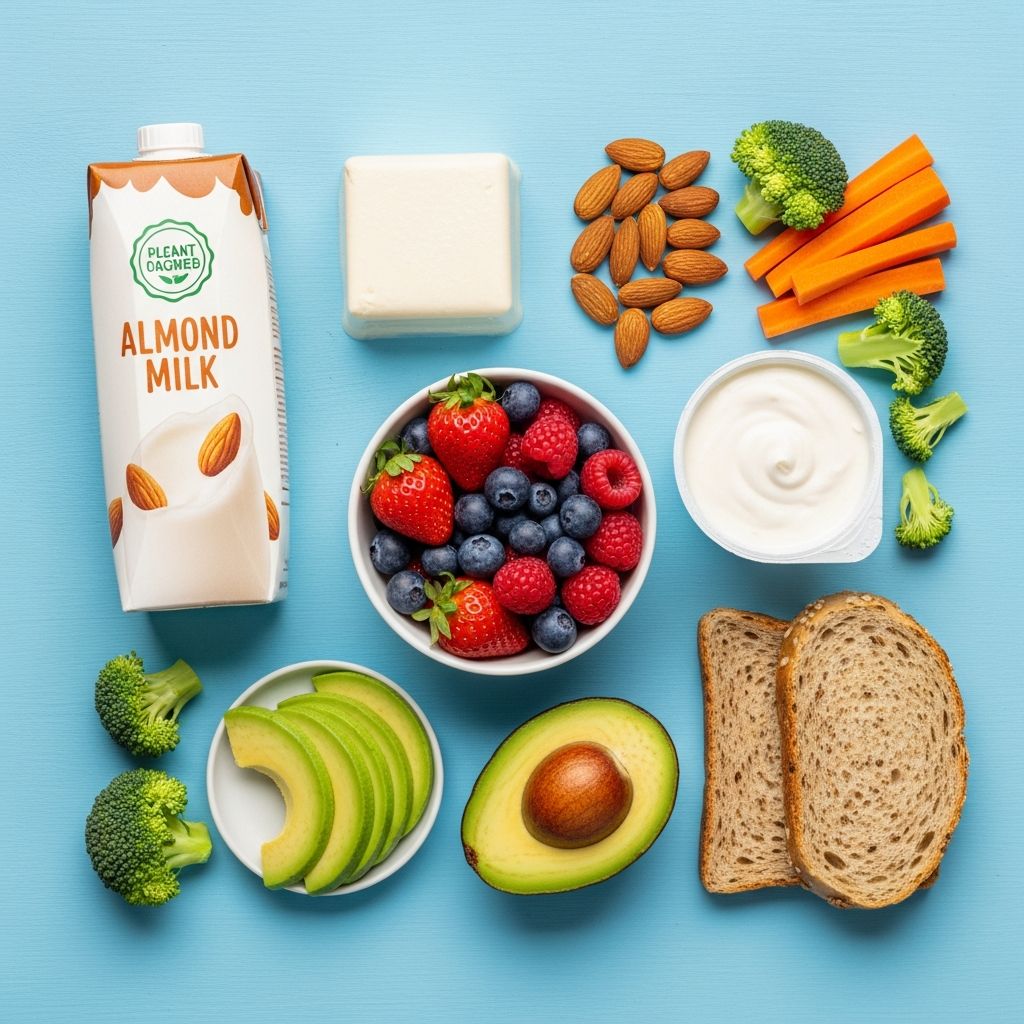
- Fortified plant-based beverages: soy milk, rice milk, oat milk, and almond milk enriched with calcium
- Sea vegetables and seafood: canned salmon and sardines with bones
- Nuts and seeds: almonds, sesame seeds, and tahini
- Other sources: blackstrap molasses, dried figs, broccoli, and tofu
While these foods contain calcium, absorption rates vary. Some plant-based sources contain compounds that inhibit calcium absorption, so including diverse sources ensures children receive usable calcium amounts. Parents should also consider calcium supplements when food sources prove insufficient, consulting healthcare providers about appropriate forms like calcium carbonate or citrate.
Selecting and Evaluating Dairy Substitutes
The modern marketplace offers unprecedented variety in dairy-free alternatives, yet quality varies significantly. Understanding which products provide nutritional benefits versus those that merely replicate dairy’s taste ensures children receive appropriate nutrition.
Evaluating Milk Alternatives
Plant-based milk options now include soy, rice, coconut, oat, and almond varieties. The nutritional profiles differ substantially between options, making selection important. Soy milk provides plant-based protein comparable to dairy milk and contains naturally higher levels of some nutrients. When fortified with calcium, vitamin D, and vitamin B12, plant-based milks can approximate dairy milk’s nutritional contribution. However, unfortified versions lack these benefits entirely.
Parents should examine product labels carefully, comparing calcium and vitamin D content across brands. Fortified versions labeled as containing these nutrients provide significantly greater value than unfortified alternatives. For children requiring milk alternatives, selecting fortified options ensures they receive comparable nutrition to dairy milk.
Beyond Milk: Cheese, Yogurt, and Butter Alternatives
Dairy-free cheese and yogurt products have expanded dramatically in recent years. Quality varies considerably—some replicate dairy products’ nutritional profiles closely, while others offer primarily taste and texture without nutritional density. Soy-based yogurts that include added calcium and vitamin D provide better nutritional value than coconut-based alternatives.
When selecting alternatives, parents should examine ingredient lists and nutritional information carefully. Products with added vitamins and minerals, minimal additives, and recognizable ingredients typically offer superior nutrition. Tasting various options helps identify products children enjoy, increasing the likelihood they’ll consume adequate nutrients.
Important Cautions About Goat and Sheep Products
Some families considering dairy alternatives explore goat’s milk or sheep’s milk products, assuming these differ sufficiently from cow’s milk. However, these products contain similar proteins to cow’s milk and may trigger allergic reactions in children with cow’s milk allergies. Unless a healthcare provider specifically approves these alternatives based on diagnostic testing, parents should avoid introducing them as dairy substitutes.
Age-Specific Nutritional Guidelines
Dairy requirements shift as children grow, and age influences which alternatives prove most appropriate.
Infants and Young Toddlers
For children under twelve months, only breastmilk or infant formula should constitute primary nutrition. Cow’s milk, soy beverages, and other non-formula liquids are inappropriate for infants regardless of dairy-free considerations. Once children reach twelve months, whole cow’s milk becomes appropriate if dairy is part of the diet, as young children require dietary fat for brain development and growth.
When dairy-free feeding begins in infancy due to allergy or intolerance, specialized formulas designed for children with cow’s milk allergies provide complete nutrition. Parents should never attempt home-made dairy-free formulas or use inappropriate milk substitutes without professional guidance.
Toddlers and Preschoolers
Children aged one to five years require 16-24 ounces of milk daily—approximately 2-3 cups—if dairy is included in their diet. When eliminating dairy, this volume must be replaced with fortified plant-based alternatives to ensure adequate calcium and vitamin D. During these critical growth years, ensuring complete nutrition is essential.
Introducing diverse whole foods alongside milk alternatives helps meet nutritional needs. Leafy greens, beans, nuts (when age-appropriate), and fortified foods should appear regularly in meal plans. Healthcare providers can assess whether supplemental calcium or vitamin D proves necessary based on individual dietary patterns.
School-Age Children and Adolescents
As children age, they can consume lower-fat milk options and increasingly varied dairy alternatives. Adolescents, particularly girls, experience peak bone mass accumulation, making calcium and vitamin D intake absolutely critical. This developmental window determines lifelong bone health, so ensuring adequate intake during teenage years prevents future complications.
Creating Balanced Dairy-Free Meal Plans
Successfully eliminating dairy requires thoughtful meal planning rather than simple ingredient removal. A balanced approach incorporates diverse foods that collectively provide all necessary nutrients.
Building Nutritionally Complete Meals
Rather than focusing exclusively on what children cannot eat, emphasize what they can enjoy. A balanced dairy-free meal includes:
- Protein source: beans, lentils, tofu, tempeh, nuts, seeds, or animal proteins like fish or poultry
- Whole grains: brown rice, quinoa, oats, whole wheat bread, or other whole grain options
- Vegetables: at least half the plate, including calcium-rich greens when possible
- Healthy fats: olive oil, avocado, nuts, seeds, or seed butters
- Calcium-rich alternatives: fortified plant-based milk, leafy greens, or legumes
This framework ensures children receive complete nutrition without emphasizing dietary restriction. By presenting meals as positive food combinations rather than exclusions, parents foster healthier attitudes toward eating.
Preventing Nutritionally Inadequate Replacements
One challenge parents face involves children gravitating toward processed dairy-free alternatives rather than whole foods. While specialized products have their place, relying heavily on processed alternatives can introduce excessive additives, sodium, and sugar while reducing dietary diversity. The healthiest approach balances convenient alternatives with whole-food sources of necessary nutrients.
For families emphasizing ethical or religious reasons for dairy elimination, this balance becomes particularly important. A well-planned dairy-free diet focusing on whole foods may actually improve children’s health by reducing processed food intake.
Consulting Healthcare Providers
Before implementing any significant dietary change, parents should discuss plans with their child’s pediatrician or registered dietitian. Professional guidance ensures the chosen approach provides adequate nutrition and identifies any supplementation needs. Healthcare providers can also confirm whether dairy elimination is truly necessary or whether other management strategies might work better for the child’s specific situation.
For children with confirmed milk allergies, healthcare providers establish clear guidelines about which products to avoid and which alternatives to prioritize. For lactose intolerance, providers may recommend less restrictive approaches using lactase supplements or specific dairy products that children tolerate. For elimination diets, professionals structure the process to gather useful diagnostic information while maintaining nutrition.
Frequently Asked Questions About Dairy-Free Diets for Children
Q: Can my child grow normally without dairy?
A: Yes, children can grow normally without dairy when parents deliberately plan nutrition to include adequate calcium, vitamin D, and protein from alternative sources. Research shows that well-planned dairy-free diets support normal growth. However, inadequate planning can result in growth restriction, making professional guidance important.
Q: How do I know if my child has a milk allergy versus lactose intolerance?
A: Medical testing and professional assessment are necessary to distinguish these conditions. Milk allergies typically cause immune responses including hives, swelling, or breathing difficulty, while lactose intolerance primarily causes digestive symptoms like cramping and gas. Only healthcare providers can accurately diagnose which condition your child has.
Q: Are all plant-based milks nutritionally equivalent to dairy milk?
A: Fortified plant-based milks labeled as containing calcium, vitamin D, and protein can provide comparable nutrition to dairy milk. However, unfortified versions offer minimal nutritional benefit. Reading labels carefully ensures you select products with appropriate nutrient additions.
Q: Should my child take calcium supplements on a dairy-free diet?
A: This depends on your child’s dietary intake. If food sources consistently provide adequate calcium (typically 1000-1300 mg daily depending on age), supplements may be unnecessary. Healthcare providers can assess intake and recommend supplementation when needed, suggesting appropriate forms like calcium citrate.
Q: Can my child with a milk allergy safely consume goat or sheep milk products?
A: No, unless specifically approved by your healthcare provider. Goat’s and sheep’s milk contain proteins similar to cow’s milk and often trigger allergic reactions in milk-allergic children. Only introduce these products if medical testing confirms safety.
Q: What should I feed my infant if they cannot tolerate dairy?
A: Infants under twelve months require breastmilk or appropriate infant formula exclusively. If cow’s milk formula causes problems, specialized hypoallergenic or hydrolyzed formulas designed for allergic infants provide complete nutrition. Never attempt homemade alternatives without professional guidance.
References
- Is a Dairy Free or Gluten Free Diet for Kids Healthy? — Coastal Kids. Accessed January 17, 2026. https://coastalkids.com/dairy-free-or-gluten-free-diet-for-kids/
- Effect of early childhood cow’s milk elimination diet on eating behaviour, nutritional status and growth of children — PubMed/NCBI (British Dietetic Association). 2021. https://pubmed.ncbi.nlm.nih.gov/33974304/
- Milk-Free Diet: Pediatric Nutrition — Golisano Children’s Hospital, University of Rochester Medical Center. Accessed January 17, 2026. https://www.urmc.rochester.edu/childrens-hospital/nutrition/milk-free.aspx
- Do kids need milk? — UChicago Medicine. 2025. https://www.uchicagomedicine.org/forefront/pediatrics-articles/2025/march/do-kids-need-milk
- Dairy-Free Diet — Nemours KidsHealth. Accessed January 17, 2026. https://kidshealth.org/en/parents/dairy-free-diet.html
- The Benefits Of A Dairy-Free Diet For Your Baby — Switch4Good. Accessed January 17, 2026. https://switch4good.org/articles/the-benefits-of-a-dairy-free-diet-for-your-baby/
- Growing Strong: Non-Dairy Solutions for Children’s Essential Nutrients — Academy of Nutrition and Dietetics. Accessed January 17, 2026. https://www.eatright.org/food/food-groups/dairy-and-alternatives/dairy-alternatives-for-kids-who-wont-or-cant-drink-milk
- Cow’s Milk and Milk Alternatives: Infant and Toddler Nutrition — Centers for Disease Control and Prevention. Accessed January 17, 2026. https://www.cdc.gov/infant-toddler-nutrition/foods-and-drinks/cows-milk-and-milk-alternatives.html