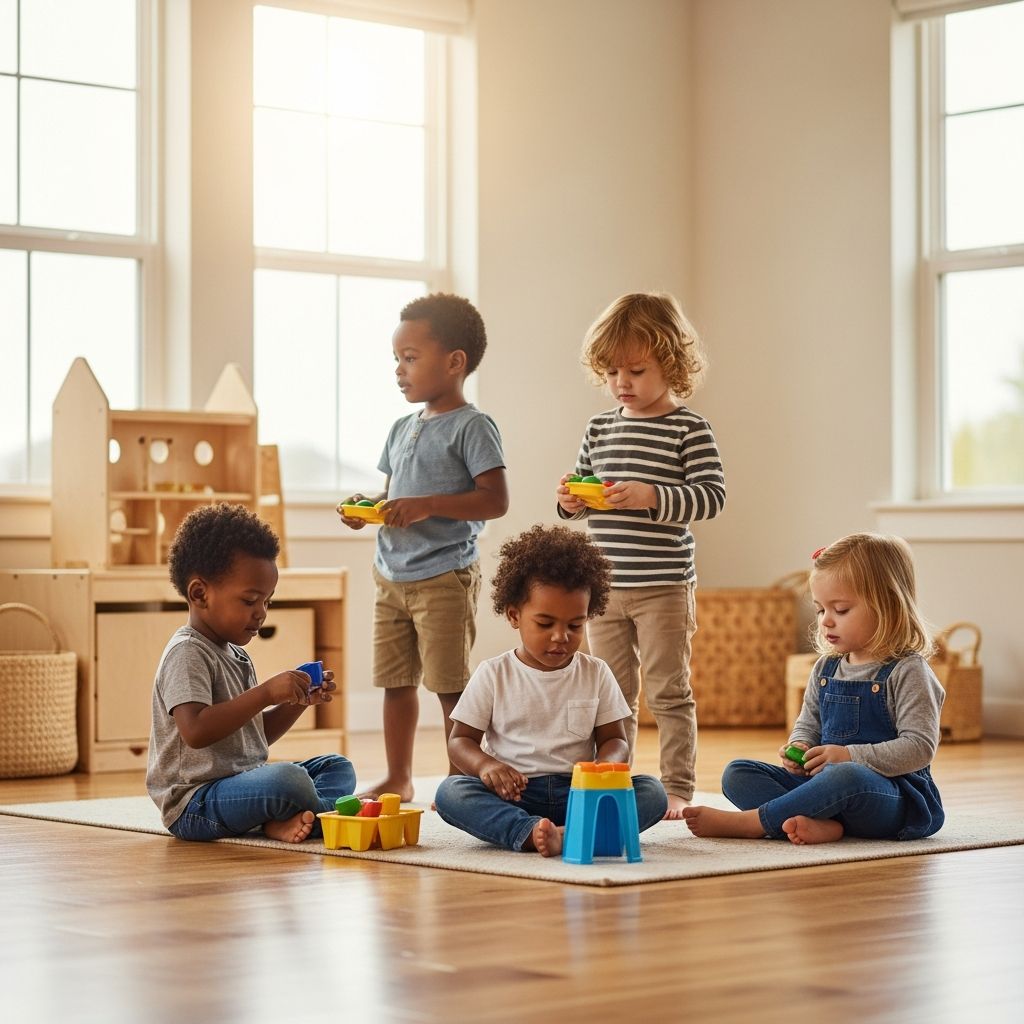
Child temperament refers to the innate emotional and behavioral style that influences how children interact with their environment from birth. This foundational aspect of personality helps parents anticipate reactions, tailor support, and promote healthy development.
The Biological Roots of Temperament
Temperament emerges early in life, shaped by genetic and biological factors rather than learned behaviors. Research by Alexander Thomas and Stella Chess identified nine core traits that combine to form a child’s unique profile, observable in patterns of activity, mood, and responsiveness. These traits appear consistently across situations, distinguishing one child from another even in infancy.
Understanding temperament allows caregivers to create supportive environments that match a child’s natural style, reducing frustration and enhancing resilience. For instance, biological predispositions affect how children handle stress, form relationships, and achieve milestones.
Nine Essential Temperament Traits Explained
Experts consistently highlight nine temperament traits that define a child’s approach to the world. Each trait exists on a continuum, from high to low, influencing daily interactions.
- Activity Level: Refers to the amount of physical motion during play, sleep, or eating. High-activity children are energetic and restless, while low-activity ones prefer calmer pursuits.
- Regularity (Rhythmicity): Predictability in biological functions like hunger, sleep, and elimination. Regular children follow consistent schedules; irregular ones vary widely.
- Initial Reaction (Approach/Withdrawal): Response to new people, foods, or experiences. Approach-oriented children eagerly engage; withdrawn ones hesitate or retreat.
- Adaptability: Ease of shifting gears to changes in routine or environment. Adaptable children adjust quickly; resistant ones struggle and may upset easily.
- Intensity: Energy level of emotional expressions. Intense children react strongly, whether joyful or angry; mild ones show subdued emotions.
- Mood: Overall emotional tone, positive or negative. Positive-mood children are cheerful and optimistic; negative-mood ones are more serious or discontent.
- Distractibility: Susceptibility to external stimuli. Distractible children shift focus easily; focused ones maintain attention despite interruptions.
- Persistence-Attention Span: Continuation of tasks despite obstacles. Persistent children keep trying; low-persistence ones give up quickly.
- Sensory Threshold: Sensitivity to sensory input like noise, light, or textures. Low-threshold children notice subtleties intensely; high-threshold ones require stronger stimuli.
| Trait | High Level Example | Low Level Example |
|---|---|---|
| Adaptability | Quickly embraces new routines | Resists changes, becomes upset |
| Intensity | Explosive laughter or tantrums | Calm, understated reactions |
| Mood | Generally cheerful and upbeat | Frequently serious or irritable |
| Distractibility | Easily sidetracked by noises | Ignores distractions, stays on task |
Primary Temperament Categories
Combinations of these traits often cluster into three broad categories, first outlined by Thomas and Chess and refined in later research. About 65% of children fit one cleanly, while others blend traits across types.
Easy-Going Children
These adaptable, positive children thrive in most settings. They exhibit regular rhythms, approach new experiences willingly, adapt quickly, show moderate intensity, maintain positive moods, and persist through challenges. Parents find them straightforward to care for, as they signal needs clearly and recover from upsets fast.
Slow-to-Warm-Up Children
Cautious and observant, these children withdraw initially from novelty, adapt slowly, and display low intensity with negative moods. They need time and gentle encouragement to engage, but once comfortable, they participate reliably. Patience helps them build confidence without overwhelming their sensitivities.
Active or Difficult Children
High-energy and irregular, these children react intensely, irregularly, with negative moods and low adaptability. They approach boldly but distract easily and persist variably. They demand flexible, stimulating environments to channel their vigor positively, preventing escalation of frustrations.
How Temperament Influences Daily Life and Growth
Temperament affects emotional regulation, social skills, and learning from infancy through school years. Reactive children feel emotions deeply and may struggle with self-control, while self-regulated ones calm themselves effectively. High surgency (extraversion) links to sociability, but low effortful control raises risks for impulsivity or externalizing behaviors.
In psychosocial development, temperament shapes coping, empathy, and conscience formation. Fearful children may develop anxiety if unsupported, while extraverted ones risk substance issues without boundaries. Effortful control fosters attention and inhibition, key for academic success.
For children with developmental challenges, temperament impacts social competence and resilience under stress. Parents observing traits can predict responses to transitions like starting preschool, tailoring preparations accordingly.
Parenting Strategies Tailored to Temperament
Effective parenting aligns with a child’s temperament rather than forcing change. Recognizing innate styles prevents mislabeling natural behaviors as defiance.
Supporting Easy-Going Kids
- Maintain predictable routines to reinforce their natural regularity.
- Encourage exploration while providing gentle guidance.
- Praise persistence to build on strengths.
Helping Slow-to-Warm-Up Children
- Offer advance notice of changes for gradual adjustment.
- Allow observation time before pushing participation.
- Use positive reinforcement for small brave steps.
Managing Active Children
- Provide outlets for high energy like physical play.
- Establish flexible but clear boundaries.
- Use distraction and calm-down spaces during intense moments.
Across types, validate feelings, model regulation, and create ‘goodness-of-fit’—matching expectations to abilities. This reduces behavior problems and boosts self-esteem.
Long-Term Outcomes and Research Insights
Temperament predicts pathways: negative affectivity correlates with depression risk, while effortful control buffers adversity. Early interventions matching temperament improve outcomes in school performance and mental health.
Recent models refine traits into Extraversion/Surgency (activity, positive emotion), Negative Affectivity (fear, anger, sadness), and Effortful Control (inhibitory skills). These link to brain systems, underscoring temperament’s biological basis.
Frequently Asked Questions (FAQs)
Can temperament change over time?
Temperament remains stable but can appear to shift as children develop self-regulation skills and face new experiences. Core traits persist lifelong.
Is there a ‘best’ temperament?
No—each style has strengths and challenges. Success depends on environmental fit, not the type itself.
How do I identify my child’s temperament?
Observe reactions across nine traits in various settings. Tools like parent questionnaires from reliable sources aid profiling.
Does temperament affect sibling dynamics?
Yes—contrasting styles can spark rivalry or complementarity. Tailored strategies promote harmony.
What if my child has a ‘difficult’ temperament?
Focus on structure, empathy, and high-activity outlets. Professional support helps if challenges persist.
Practical Tools for Parents
Rate your child’s traits on a 1-5 scale and note patterns. Adjust home life: sensory-sensitive kids benefit from quiet zones; persistent ones from challenging puzzles.
Table for Quick Reference:
| Temperament Type | Strengths | Parenting Tips |
|---|---|---|
| Easy-Going | Adaptable, positive | Consistent routines |
| Slow-to-Warm | Thoughtful, steady | Gradual introductions |
| Active | Energetic, bold | Physical outlets, calm spaces |
References
- Temperament – What is it? — Early Learning Professionals — Penn State Extension. 2013. https://extension.psu.edu/programs/betterkidcare/early-care/tip-pages/all/temperament-2013-what-is-it
- Early Temperament and Psychosocial Development — Child-Encyclopedia.com. Accessed 2026. https://www.child-encyclopedia.com/temperament/according-experts/early-temperament-and-psychosocial-development
- Temperament: what it is & why it matters — Raising Children Network. Accessed 2026. https://raisingchildren.net.au/newborns/behaviour/understanding-behaviour/temperament
- Clinical Implications of Temperamental Characteristics in Young Children — PMC (National Library of Medicine). 2015-06-17. https://pmc.ncbi.nlm.nih.gov/articles/PMC4514481/
- INFANT TODDLER TEMPERAMENT TOOL (IT3) — ECMHC. Accessed 2026. https://www.ecmhc.org/documents/CECMHC_IT3_Booklet_Infant.pdf
- What is Temperament? — Child Care Aware of Virginia. Accessed 2026. https://vachildcare.com/what-is-temperament/
- Introduction to Temperament — HeadStart.gov. Accessed 2026. https://headstart.gov/mental-health/article/introduction-temperament