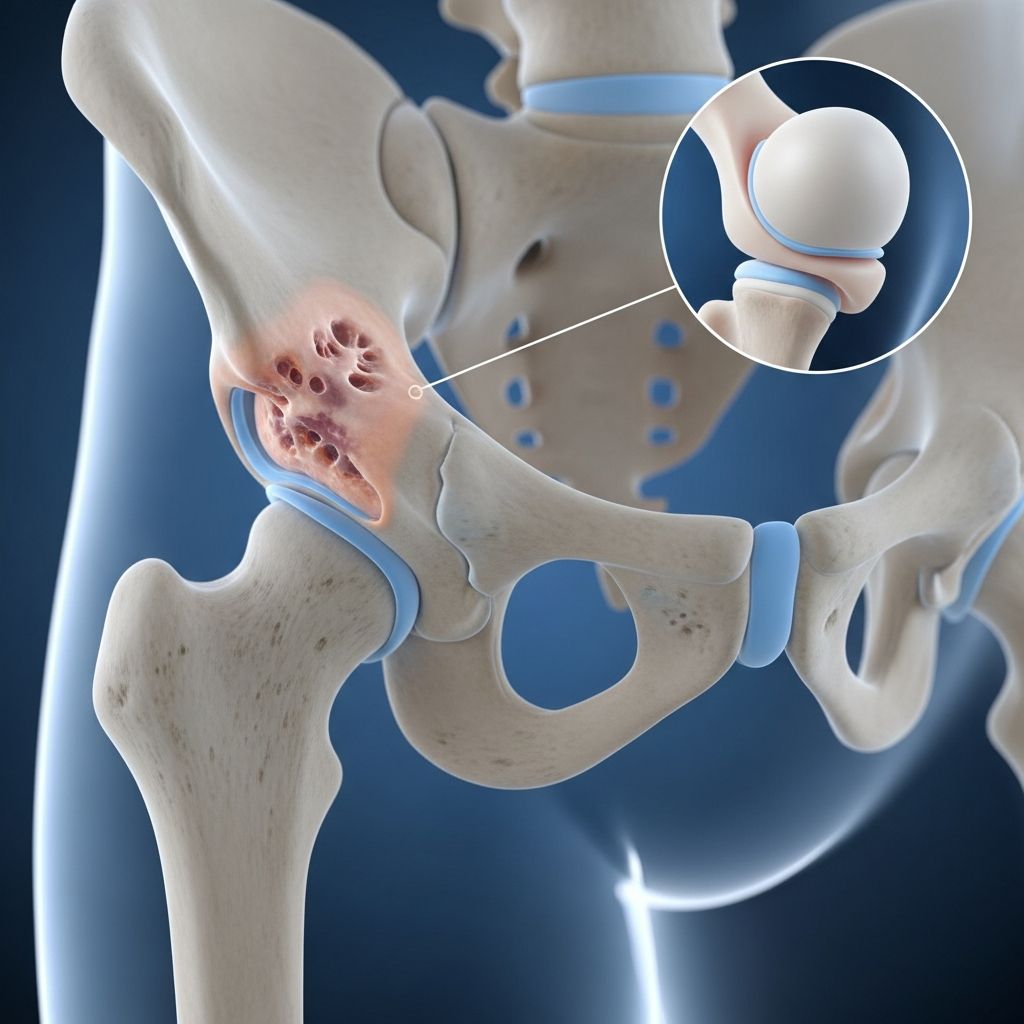
Legg-Calvé-Perthes disease, often simply called Perthes disease, is a rare orthopedic condition primarily affecting young children, where the blood supply to the femoral head—the ball-shaped top of the thigh bone—is temporarily interrupted, leading to bone cell death known as avascular necrosis. This disruption causes the bone to soften, deform, and potentially flatten, impacting hip joint function and mobility. Most commonly diagnosed between ages 4 and 10, it is significantly more prevalent in boys (up to five times more likely than in girls) and usually involves only one hip, though 10-15% of cases affect both. Early detection and intervention are crucial to minimize long-term complications like arthritis.
Recognizing Early Indicators of Perthes Disease
The onset of Perthes disease is often subtle, with parents noticing changes during everyday activities or play. The hallmark sign is a limp, which may appear intermittently at first, particularly noticeable when a child runs or participates in sports. This altered gait stems from hip joint irritation and stiffness, making one leg feel weaker or less flexible.
Pain is another key symptom, typically felt in the hip, groin, thigh, or knee (referred pain due to shared nerve pathways). It worsens with physical activity like walking, climbing stairs, or jumping and eases with rest. Children might complain of soreness after play or avoid bearing weight on the affected leg. Additional signs include:
- Limited hip range of motion, such as difficulty rotating the leg outward or crossing legs.
- Muscle weakness or atrophy in the thigh, leading to a thinner appearance on the affected side.
- Mild leg length discrepancy as the femoral head flattens.
- Occasional muscle spasms around the hip from inflammation.
If your child develops a persistent limp or unexplained leg pain, consult a pediatrician promptly. Early symptoms can mimic minor injuries, but timely evaluation prevents progression.
What Triggers Blood Supply Disruption in the Hip?
The precise cause of Perthes disease remains idiopathic, meaning no single factor is definitively identified. The core issue is reduced blood flow to the femoral head, causing osteonecrosis—death of bone tissue due to oxygen and nutrient deprivation. Theories include:
- Vascular abnormalities: Temporary clotting or vessel spasms may block blood supply.
- Trauma or overload: Repetitive stress on the hip from high-impact activities could contribute, though not proven as primary.
- Genetic predisposition: Familial patterns suggest hereditary clotting disorders or growth hormone influences.
- Demographic risks: Higher incidence in Caucasian boys, possibly linked to delayed bone maturation.
Unlike infectious conditions, Perthes is not contagious and does not stem from poor nutrition alone, though low socioeconomic status correlates with delayed diagnosis.
Progression Through the Four Distinct Phases
Perthes disease evolves over 2-5 years through four phases, each with unique bone changes visible on imaging.
| Phase | Duration | Key Changes | Common Symptoms |
|---|---|---|---|
| Initial (Necrosis) | Several months to 1 year | Blood supply cut off; bone cells die; inflammation rises. | Limp begins; mild pain with activity. |
| Fragmentation | 1-2 years | Dead bone breaks into fragments; femoral head flattens. | Increased pain, stiffness; noticeable limp. |
| Reossification | 1-3 years | New blood vessels form; bone rebuilds gradually. | Pain decreases; hip motion improves slowly. |
| Healed | Final stage | Bone reshapes, but may remain deformed. | Minimal symptoms, but risk of residual issues. |
Understanding these stages helps parents track progress via regular X-rays or MRI scans.
Accurate Diagnosis: Tests and Evaluations
Diagnosis starts with a physical exam assessing gait, hip motion, and leg lengths. Imaging confirms the condition:
- X-rays: Show femoral head flattening or sclerosis.
- MRI or bone scans: Detect early blood flow loss before X-ray changes.
- Ultrasound: Rules out other issues like infections.
Orthopedic specialists classify severity using systems like Herring or Salter-Thompson to guide treatment.
Treatment Approaches: Conservative to Surgical
Goals are to preserve spherical femoral head shape, reduce pain, and restore function. Most cases (over 90%) heal without surgery, especially if caught early.
Non-Surgical Management
Conservative care focuses on unloading the hip:
- Rest and activity limits: Avoid running, jumping; use crutches if needed.
- Physical therapy: Strengthens muscles, improves motion.
- Bracing: Devices like Petrie casts or braces keep the hip abducted (legs apart) to reshape bone.
- Anti-inflammatories: NSAIDs for pain.
Surgical Interventions
For severe cases (e.g., lateral pillar group C), surgery redirects forces:
- Osteotomy: Cuts and realigns femur or pelvis.
Treatment duration matches disease phases, with monitoring every 3-6 months.
Daily Care Tips for Families
Support recovery by adapting home life:
- Encourage low-impact play: Swimming, biking promote fitness without stress.
- Monitor school: Request accommodations like elevator access.
- Nutrition: Balanced diet with calcium, vitamin D supports bone health.
- Emotional support: Explain the condition age-appropriately to reduce anxiety.
Follow-up care prevents complications like early osteoarthritis.
Long-Term Prognosis and Outcomes
Prognosis depends on age at onset, extent of involvement, and treatment. Younger children (<6 years) often recover best, with 50-80% achieving normal hips. Older kids or bilateral cases face higher deformity risks, potentially needing hip replacement in adulthood (10-20% cases). Regular check-ups track growth into teens.
Frequently Asked Questions (FAQs)
At what age does Perthes disease typically start?
Most cases occur between 4 and 10 years, peaking at 5-7, but it can affect ages 2-12.
Is Perthes disease hereditary?
Not directly, but genetic factors like clotting disorders may increase risk in families.
Can my child play sports with Perthes?
High-impact sports are restricted during active phases; low-impact like swimming are encouraged.
How long until full recovery?
Total process takes 2-5 years; full activity resumes gradually post-healing.
Does Perthes affect growth?
Usually not, but femoral head changes can cause slight leg shortening.
This guide empowers parents with knowledge on Legg-Calvé-Perthes disease, emphasizing proactive care for optimal outcomes. Consult specialists for personalized advice.
References
- Perthes Disease — OrthoInfo – AAOS. 2023. https://orthoinfo.aaos.org/en/diseases–conditions/perthes-disease
- Legg-Calve-Perthes disease — Mayo Clinic. 2023-05-01. https://www.mayoclinic.org/diseases-conditions/legg-calve-perthes-disease/symptoms-causes/syc-20374343
- Legg Calve Perthes Disease (LCP) — Nationwide Children’s Hospital. 2024. https://www.nationwidechildrens.org/conditions/legg-calve-perthes-disease-lcp
- Legg-Calvé-Perthes Disease in Children — Stanford Children’s Health. 2023. https://www.stanfordchildrens.org/en/topic/default?id=legg-calv-perthes-disease-in-children-90-P02768
- Perthes’ disease — Better Health Channel (Victorian Government). 2023. https://www.betterhealth.vic.gov.au/health/conditionsandtreatments/perthes-disease
- Legg-Calve-Perthes Disease — Cleveland Clinic. 2023-07-28. https://my.clevelandclinic.org/health/diseases/legg-calve-perthes-disease