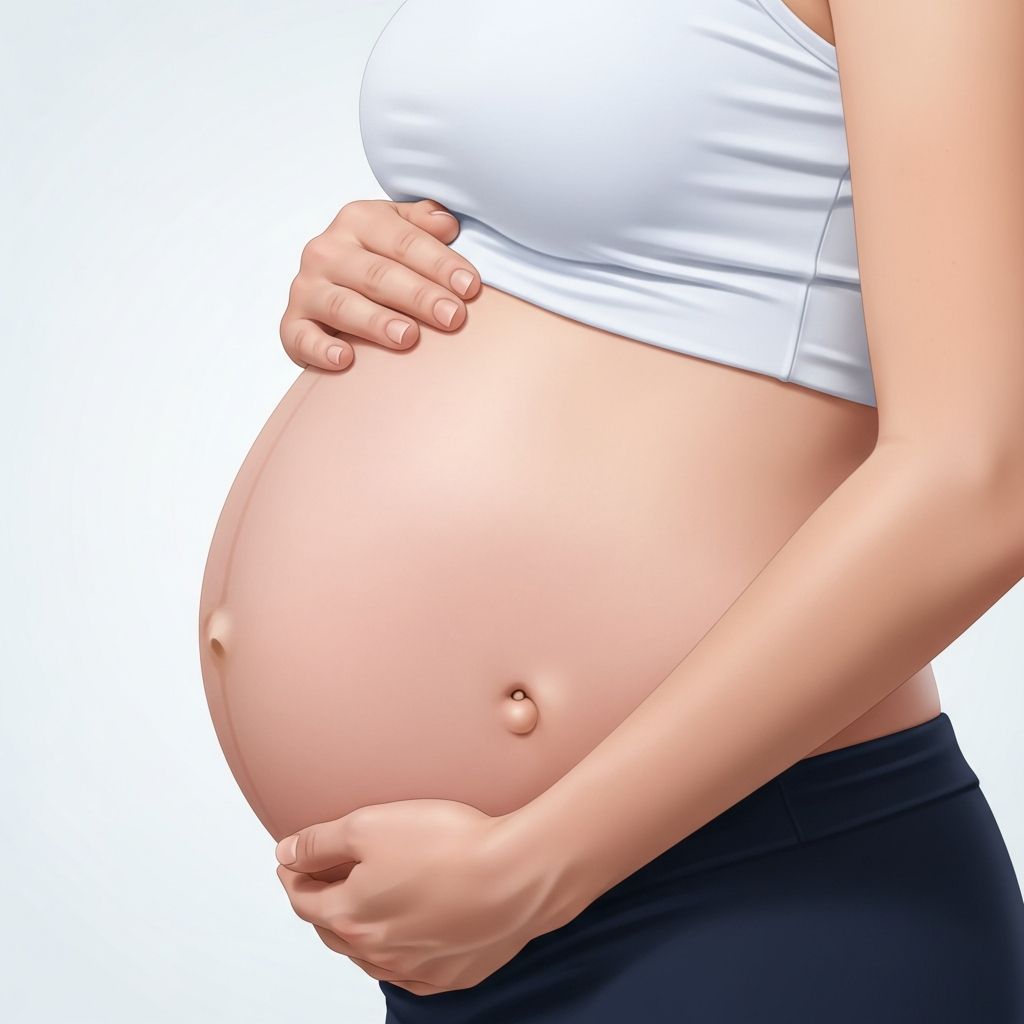
Umbilical hernias occur when abdominal contents protrude through a weakened area near the navel, a condition that becomes more prevalent during pregnancy due to physiological changes.
Understanding the Anatomy Behind Umbilical Hernias
The navel marks the site where the umbilical cord once connected to the fetus. After birth, the abdominal muscles typically seal this opening completely. In some cases, however, a small gap persists, creating a vulnerability. During pregnancy, the expanding uterus exerts significant inward pressure on the abdominal wall, stretching muscles and connective tissues. This pressure, combined with hormonal softening of ligaments, can cause intra-abdominal fat or intestine to push through, forming a hernia.
Unlike infant hernias that often resolve naturally, adult umbilical hernias, particularly those emerging or worsening in pregnancy, stem from acquired weaknesses. Up to 90% of such hernias in adults develop from repeated strain rather than congenital defects.
Key Risk Factors for Developing a Hernia During Pregnancy
Several elements heighten susceptibility:
- Pre-existing weaknesses: A prior hernia or diastasis recti (separation of abdominal muscles) amplifies risk.
- Increased abdominal pressure: Rapid uterine growth, especially in later trimesters, strains the core.
- Multiple gestations: Twin or higher-order pregnancies multiply pressure due to greater volume.
- Excess body weight: Obesity adds constant intra-abdominal force.
- Fluid accumulation: Conditions like polyhydramnios (excess amniotic fluid) or ascites intensify strain.
Women with chronic conditions such as constipation, persistent coughing, or prior abdominal surgeries face elevated chances. Ethnicity and connective tissue disorders may also play roles, though data remains limited.
Recognizing Symptoms of an Umbilical Hernia
Many hernias remain asymptomatic, noticed only as a cosmetic change. Common signs include:
- A soft, fleshy bulge at or near the belly button, often more prominent when standing, coughing, or straining.
- Mild tenderness or pressure sensation around the navel.
- Visible protrusion that may reduce when lying down.
Hernias vary in size from pea-like to larger swellings. In pregnancy, the ever-growing belly can mask smaller ones until the second or third trimester. Severe indicators warrant immediate attention:
| Symptom | Implication |
|---|---|
| Sudden, intense pain | Possible incarceration |
| Bulge that won’t recede | Strangulation risk |
| Nausea, vomiting, fever | Blocked blood flow |
Strangulation, though rare, cuts off intestinal blood supply, posing risks to both mother and baby. Prompt evaluation prevents complications.
Impact on Pregnancy and Fetal Health
Most umbilical hernias pose no direct threat to the fetus. The baby resides safely within the amniotic sac, insulated from maternal abdominal wall issues. However, significant maternal discomfort can indirectly affect rest and nutrition. Incarcerated hernias may trigger preterm labor signals or require interventions that stress the pregnancy. Studies indicate that while prevalent in up to 90% of pregnancies to some degree, only symptomatic cases demand action. Post-delivery, hernias often improve as abdominal pressure eases, though complete resolution isn’t guaranteed.
Safe Management Strategies While Pregnant
Treatment during pregnancy prioritizes non-invasive approaches to avoid surgical risks to the fetus:
- Supportive garments: Maternity belly bands or hernia belts provide external reinforcement, reducing protrusion.
- Posture and activity: Avoid heavy lifting; maintain neutral spine alignment to minimize strain.
- Core strengthening: Gentle exercises like pelvic tilts or modified planks, under physical therapy guidance, bolster muscles without exacerbating.
- Weight management: Balanced nutrition prevents excess gain, easing pressure.
- Pain relief: Acetaminophen (with provider approval) for discomfort; warm compresses soothe.
Regular prenatal visits allow monitoring. Ultrasound confirms diagnosis and rules out other issues. Surgery is deferred unless life-threatening, typically post-delivery.
Postpartum Recovery and Repair Options
After birth, the abdominal wall begins recuperating within weeks as the uterus involutes. Many small hernias shrink naturally. Persistent or symptomatic ones may require repair:
- Timing: Wait 6-12 months postpartum to allow healing, longer if breastfeeding.
- Surgical methods: Open or laparoscopic repair with mesh reinforcement for durability.
- Outcomes: High success rates (over 95%) with low recurrence when performed electively.
Physical therapy post-surgery accelerates return to activities. Future pregnancies may re-aggravate repaired sites, so spacing gestations aids prevention.
Preventive Measures for Expectant Mothers
Proactive steps reduce incidence:
- Pre-pregnancy core conditioning to fortify muscles.
- Gradual weight gain per guidelines (25-35 lbs for normal BMI).
- Treat constipation with fiber, hydration, and stool softeners.
- Quit smoking to preserve tissue integrity.
- Monitor for early signs during routine checkups.
These habits not only deter hernias but enhance overall pregnancy wellness.
Frequently Asked Questions About Umbilical Hernias in Pregnancy
Can an umbilical hernia harm my baby?
Typically no; the fetus is protected. Only rare, untreated strangulations pose indirect risks via maternal distress.
Will my hernia go away after delivery?
Many improve significantly, but larger or pre-existing ones often persist, requiring evaluation.
Is surgery safe during pregnancy?
Generally avoided unless emergent; risks outweigh benefits for non-strangulated cases.
How do I differentiate a hernia from normal pregnancy changes?
A hernia presents as a distinct, reducible bulge with possible tenderness, unlike uniform stretching.
Can exercise prevent or fix it?
Gentle, guided exercises help manage symptoms but don’t cure structural defects.
What if I notice a bulge early in pregnancy?
Consult your obstetrician promptly for assessment and tailored advice.
(Word count: 1678)
References
- Causes of an Umbilical Hernia in Pregnancy — Cardiff Hernia Clinic. 2023. https://cardiffherniaclinic.co.uk/news/causes-of-an-umbilical-hernia-in-pregnancy/
- Umbilical Hernia in Pregnancy: Treatment After and During — Healthline. 2023-10-27. https://www.healthline.com/health/pregnancy/umbilical-hernia-pregnancy
- Umbilical Hernia – Symptoms & Causes — Mayo Clinic. 2023-11-10. https://www.mayoclinic.org/diseases-conditions/umbilical-hernia/symptoms-causes/syc-20378685
- Umbilical Hernias During Pregnancy: What You Need to Know — Grow Physical Therapy. 2023. https://www.growptcharlotte.com/blog/umbilical-hernia-during-pregnancy
- Umbilical Hernias: Guide to Symptoms & Treatment — Columbia Surgery. 2023. https://columbiasurgery.org/conditions-and-treatments/umbilical-hernias-guide-symptoms-treatment
- Umbilical Hernia — NCBI StatPearls. 2023-07-04. https://www.ncbi.nlm.nih.gov/books/NBK459312/
- Umbilical Hernia: Symptoms, What It Is, Treatment & Surgery — Cleveland Clinic. 2023-09-13. https://my.clevelandclinic.org/health/diseases/umbilical-hernia