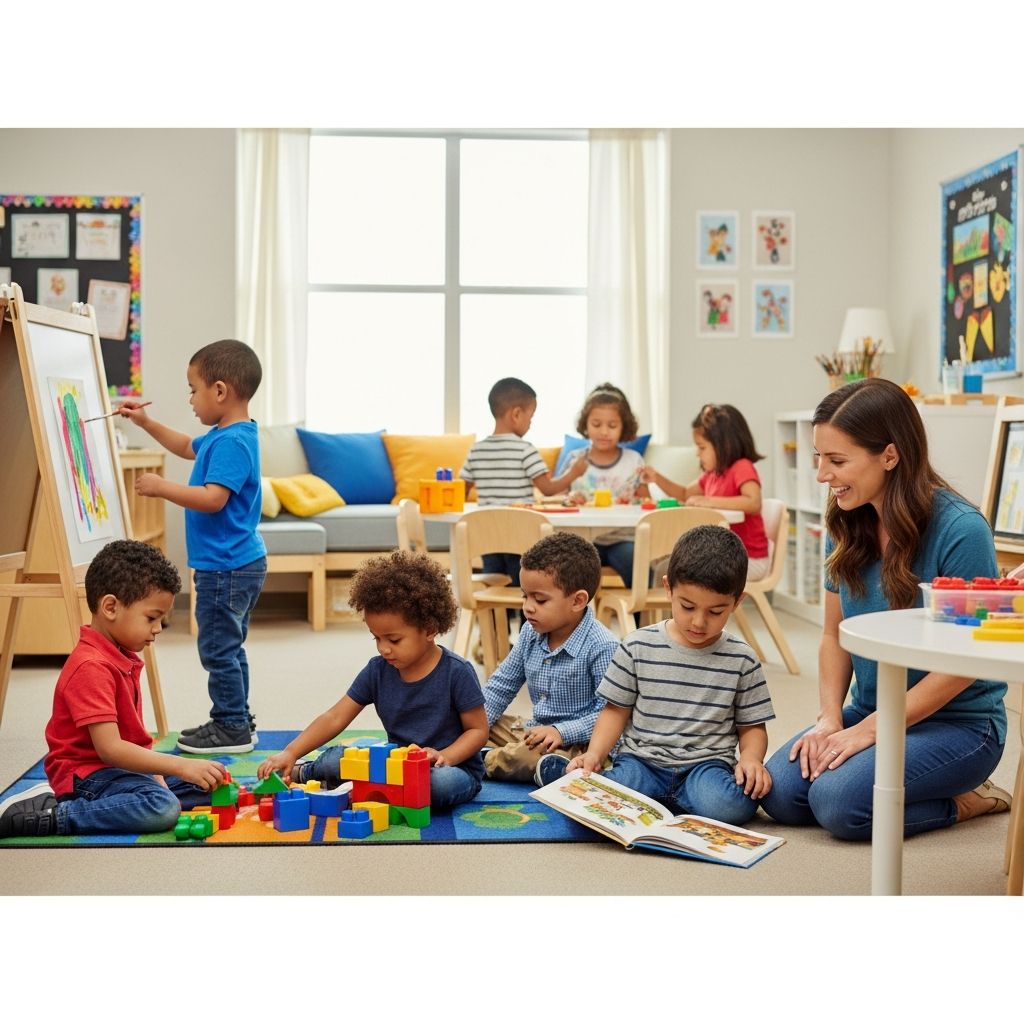
Understanding Preschool Educational Frameworks
Selecting a preschool program represents one of the most significant early decisions parents make in their child’s educational journey. The landscape of early childhood education has expanded dramatically over the past several decades, offering families numerous philosophical approaches and teaching methodologies. Each framework carries its own distinct values, teaching practices, and developmental priorities. Understanding these different models empowers parents to align their child’s learning environment with their family’s values and the child’s unique learning profile.
The choice of preschool extends far beyond convenience and location. The educational philosophy embedded within a program fundamentally shapes how teachers interact with children, what activities fill the classroom day, and which developmental domains receive emphasis. Some programs prioritize academic readiness through structured curricula, while others champion play-based exploration and self-directed discovery. Some emphasize creative expression and artistic development, whereas others focus on logical thinking and problem-solving foundations. Recognizing these distinctions enables parents to make informed decisions that support their child’s cognitive, social, emotional, and physical development.
Child-Centered Independent Learning Models
The Montessori Approach
The Montessori method represents one of the most internationally recognized educational philosophies, with a presence spanning more than a century across numerous countries. This approach, founded by Dr. Maria Montessori, an Italian physician, positions the child as the primary architect of their own learning journey. Rather than teachers delivering instruction from the front of the classroom, educators function as guides who observe children’s interests and facilitate their exploration of carefully prepared materials.
Montessori classrooms operate with remarkable freedom within structure. Children select their own activities from a curated collection of hands-on learning materials organized across five distinct study domains: practical life skills, sensorial exploration, mathematics, language development, and cultural studies. This autonomy respects each child’s developmental pace and learning preferences, allowing some children to spend extended periods focused on a single activity while others rotate through multiple materials throughout the session.
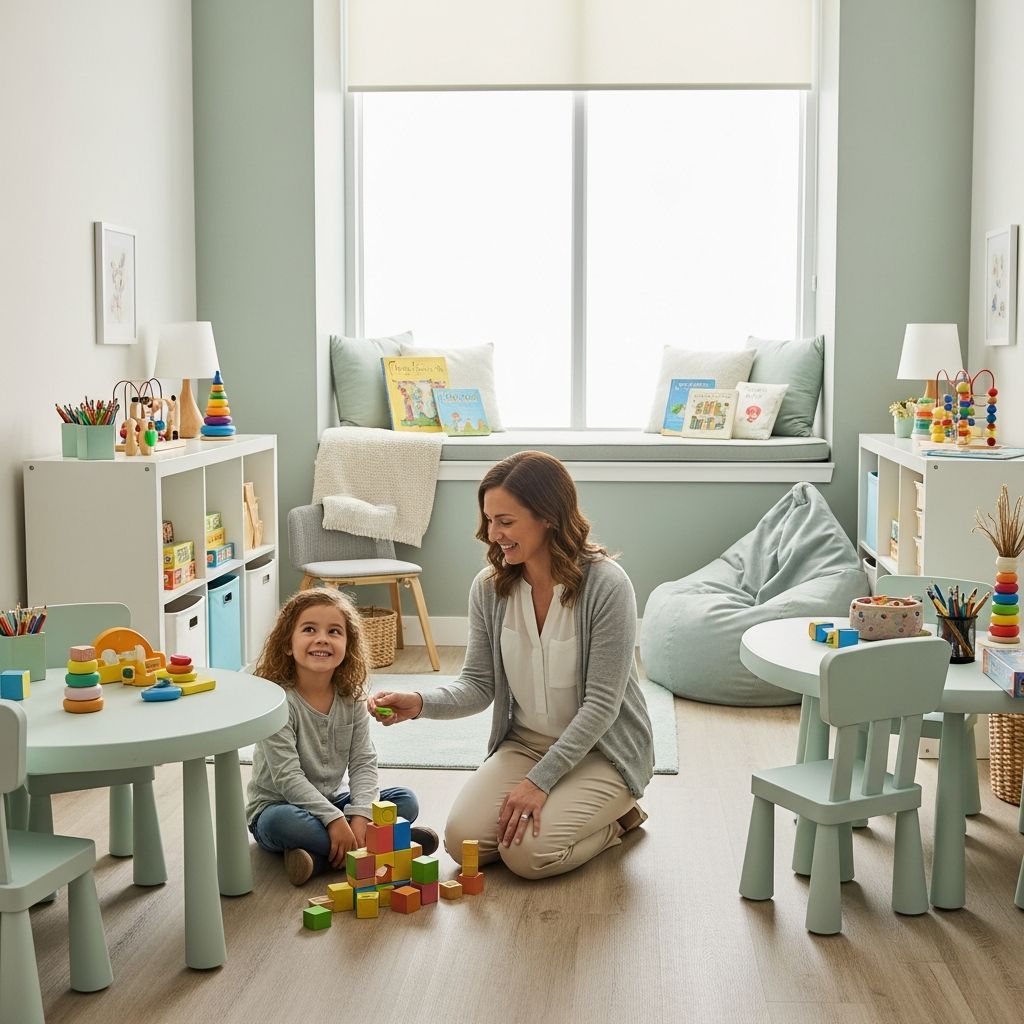
The physical environment in Montessori programs receives careful attention. Classrooms typically feature child-sized furniture, materials arranged on low shelves for independent access, and an overall aesthetic that communicates order and calm. Mixed-age groupings create a community where older children naturally mentor younger peers, fostering social responsibility and communication skills. The curriculum incorporates “education for peace,” which integrates global awareness and constructive conflict resolution practices alongside academic development.
Parent Cooperative Models
Parent cooperative preschools represent a distinct category that positions families as active participants in their children’s educational experience. These programs operate differently from traditional schools by requiring parental involvement in classroom activities, administrative functions, or both. This collaborative model emerged from the philosophy that early childhood benefits when families remain engaged participants rather than passive consumers of education services.
In cooperative structures, parents typically contribute in multiple capacities: some days working directly with children in classroom activities, other times managing administrative responsibilities, and regularly participating in parent education sessions. This active involvement creates a unique community dynamic where parents gain firsthand understanding of their child’s learning environment and develop relationships with other families in the program. The financial model also typically reflects this partnership, with tuition costs reduced through the contribution of parental labor.
Project-Based and Discovery-Oriented Approaches
The Reggio Emilia Philosophy
Originating in post-World War II Italy, the Reggio Emilia approach emerged from a community’s determination to create educational experiences that nurtured capable, curious thinkers prepared to navigate an evolving world. This philosophy has expanded its influence globally, now practiced across more than 145 countries and territories, representing one of the most widely adopted alternative approaches to traditional preschool models.
Reggio Emilia programs organize learning around children’s authentic interests and questions about their environment. Rather than following predetermined curricula, teachers observe what captures children’s curiosity and design extended projects that allow deep exploration of those topics. Learning emerges through multiple expressive languages: art, music, movement, conversation, scientific observation, and imaginative play. Teachers document children’s learning through photographs, recordings, and written observations, sharing these narratives with families to celebrate progress and inform planning.
The physical classroom environment functions as a “third teacher” alongside children and educators. Natural light, accessible art supplies, mirrors, plants, and materials from nature create spaces that inspire investigation. Projects might extend over weeks or months, with children revisiting ideas, adding new perspectives, and deepening their understanding through repeated engagement. This sustained inquiry develops investigative habits and teaches children that learning involves asking questions, gathering information, experimenting with solutions, and revising understanding based on new discoveries.
Imagination and Holistic Development Models
The Waldorf Curriculum
The Waldorf educational philosophy, founded in the early twentieth century by Austrian scientist Rudolf Steiner, approaches childhood with reverence for imagination, creativity, and spiritual development alongside intellectual growth. Waldorf preschools deliberately nurture the whole child—addressing the development of the head (intellectual capacities), heart (emotional and social dimensions), and hands (practical and creative skills).
The daily rhythm in Waldorf programs follows a carefully structured pattern that provides predictability and security. Days typically include storytelling sessions, music and movement activities, baking or cooking experiences, outdoor time in nature, and artistic creation. Rather than emphasizing early academics like letter recognition or number instruction, Waldorf programs trust that these foundational skills will emerge naturally as children develop. The curriculum prioritizes imagination and play as the primary vehicle through which children construct understanding about their world.
Technology remains notably absent from Waldorf classroom environments. Instead, children engage with natural materials: wooden toys, wool textiles, natural paints, and objects from nature. This intentional simplification reflects the belief that young children benefit from unplugging from digital stimulation and developing direct sensory experiences with the material world. The approach emphasizes creativity, empathy, and self-confidence as foundational capacities that support later academic learning and lifelong engagement with ideas and community.
Research-Based Active Learning Frameworks
The HighScope Curriculum
HighScope represents a research-grounded approach to early childhood education that emerged from longitudinal studies examining which educational practices most effectively support children’s development and school success. The curriculum balances structured learning experiences with child choice and autonomy, creating what developers call “active participatory learning.”
The cornerstone of HighScope methodology is the “Plan-Do-Review” sequence that structures much of the classroom day. During the planning phase, children articulate what they intend to accomplish, whether building a block structure, creating artwork, or exploring a learning station. During the doing phase, children engage in their chosen activity while teachers observe and support their work. The review phase follows, when teachers and children reflect together on what occurred, what was learned, and what might be tried differently next time. This cycle develops decision-making capabilities, metacognitive awareness, and confidence in problem-solving.
HighScope classrooms operate as communities where everyone shares responsibility for the learning environment and one another’s wellbeing. Teachers use Key Developmental Indicators (KDIs) to tailor activities to children’s developmental stages and learning needs. The program has demonstrated particular effectiveness in promoting logical thinking, confidence building, and the development of cognitive and social skills essential for kindergarten readiness.
Experiential and Integrated Learning Models
The Bank Street Approach
Developed originally in New York City during the early twentieth century by Lucy Sprague Mitchell, the Bank Street program (also called the developmental-interaction approach) emerged from the conviction that children learn best through direct experience with their environment and community. The philosophy emphasizes connecting classroom learning to the outside world, using social studies as a lens through which to explore academic subjects like mathematics, science, and language.
Bank Street classrooms function as laboratories for exploration and discovery. Teachers create rich learning environments stocked with art materials, blocks, dramatic play props, puzzles, and nature specimens that invite investigation. Rather than following scripted lessons, teachers respond to children’s emerging interests and questions, creating thematic units that integrate multiple subject areas around topics that captivate learners. This approach recognizes that mathematics concepts can be discovered through cooking experiences, that scientific thinking develops through observation of living things, and that language skills flourish when children have meaningful communication purposes.
Social and emotional development occupy central importance in Bank Street programs. Children work predominantly in non-competitive group settings where the focus falls on individual growth rather than comparative achievement. Teachers guide children to develop awareness of themselves as learners, understand their role within the classroom community, and appreciate the diverse strengths and perspectives different classmates bring to shared projects. The program intentionally builds what educators call “a sense of self” alongside academic competencies.
The Ascend Skills-Based Curriculum
Ascend represents a more contemporary approach that balances structured skill development with flexibility and personalization. This curriculum explicitly targets cognitive, physical, and social-emotional growth through learning pathways that allow children to develop critical thinking and problem-solving abilities at their individual pace. Teachers guide activities based on specific interests and developmental needs of each child rather than applying uniform instructional approaches.
Values-Integrated Educational Models
Faith-Based and Spiritual Programs
Faith-based preschools combine early childhood learning with religious or spiritual values, typically operating under the auspices of churches, mosques, temples, or other religious institutions. These programs integrate prayers, stories from religious texts, and moral teachings into the daily rhythm of classroom life. Beyond academics, children engage in learning about principles such as kindness, honesty, gratitude, and community service as expressions of their faith tradition.
Families select faith-based preschools when they wish to weave religious education into their child’s early learning experiences and when they value enrollment in communities where shared spiritual values inform educational practices and social interactions. These programs serve an important role for families seeking alignment between their deepest values and their children’s educational environments during formative years.
Comparison Framework for Program Selection
| Program Model | Primary Philosophy | Learning Approach | Teacher Role | Best For |
|---|---|---|---|---|
| Montessori | Child-directed independence | Self-selected activities with prepared materials | Observer and guide | Children who thrive with autonomy and structured choice |
| Reggio Emilia | Project-based discovery | Inquiry-driven extended projects | Collaborator and documentarian | Curious children who benefit from rich exploration |
| Waldorf | Holistic development through imagination | Rhythm, storytelling, artistic expression | Nurturing guide | Families valuing creativity and screen-free learning |
| HighScope | Active participatory learning | Plan-Do-Review cycle | Facilitator of reflection | Children developing decision-making and confidence |
| Bank Street | Experience-based community learning | Integrated thematic exploration | Responsive facilitator | Learners flourishing with social-emotional emphasis |
| Parent Cooperative | Family-centered partnership | Varies by program | Co-educator with parents | Families seeking active involvement |
Key Factors in Selecting an Appropriate Program
Beyond understanding different philosophical approaches, parents benefit from considering several practical dimensions when evaluating programs:
- Alignment with family values: Does the program’s philosophy match what your family believes about learning, childhood, and development?
- Child’s learning profile: Does your child thrive with structured guidance or self-directed exploration? Large group activities or intimate settings? Artistic expression or hands-on problem-solving?
- Practical considerations: Hours of operation, location, cost, and class size affect the fit for your family’s circumstances and needs.
- Teacher qualifications and approach: Observe teachers interacting with children. Do they appear warm, responsive, and genuinely interested in supporting each child’s development?
- Physical environment: Visit classrooms and note whether spaces feel welcoming, organized, and rich with learning opportunities.
- Parent communication: How regularly do teachers share information about your child’s learning and development?
Frequently Asked Questions
Q: What age children do these programs serve?
A: Most programs serve children ages 2.5 or 3 through 5 years, though many offer infant care and kindergarten classes as well. Age ranges vary by program and location.
Q: Can my child transition between different program types?
A: Yes, children can transition between programs. Many programs use similar developmental foundations, and children are quite adaptable. Some transitions work more smoothly than others depending on the differences in structure and philosophy.
Q: Do these programs prepare children for traditional elementary schools?
A: All quality preschool programs support kindergarten readiness through developing foundational skills in communication, cooperation, self-regulation, and academic pre-skills, though they emphasize these differently.
Q: How much does preschool cost and does program type affect price?
A: Costs vary significantly by region and program type. Parent cooperatives typically cost less due to parental involvement reducing labor costs. Specialty programs like Montessori may carry premium pricing due to teacher training requirements and materials.
Q: Are there programs that combine multiple approaches?
A: Yes, many programs blend elements from different philosophies, creating hybrid models that incorporate favorite features of various approaches while maintaining their own distinct character.
Q: How can I observe programs before enrolling?
A: Most programs offer classroom visits where parents can observe activities. Schedule visits during typical learning times rather than special events to see routine interactions and daily rhythms authentically.
References
- Types of Preschool Programs — 21K School. 2024. https://www.21kschool.com/us/blog/types-of-preschool-programs/
- Different Types of US Early Childhood Education — Famly. 2024. https://www.famly.co/us/blog/different-types-of-early-childhood-education-in-the-us
- 8 Best Types of Preschool Programs for 2026 — Brightwheel. 2025. https://mybrightwheel.com/blog/types-of-preschool-programs
- 7 Popular Types of Preschool: Which One Fits Your Child? — Niche. 2024. https://www.niche.com/blog/7-popular-types-of-preschool-which-one-fits-your-child/
- Six Types of Preschool Curriculum — CCEI A StraighterLine Company. 2024. https://www.cceionline.com/six-types-of-preschool-curriculum/