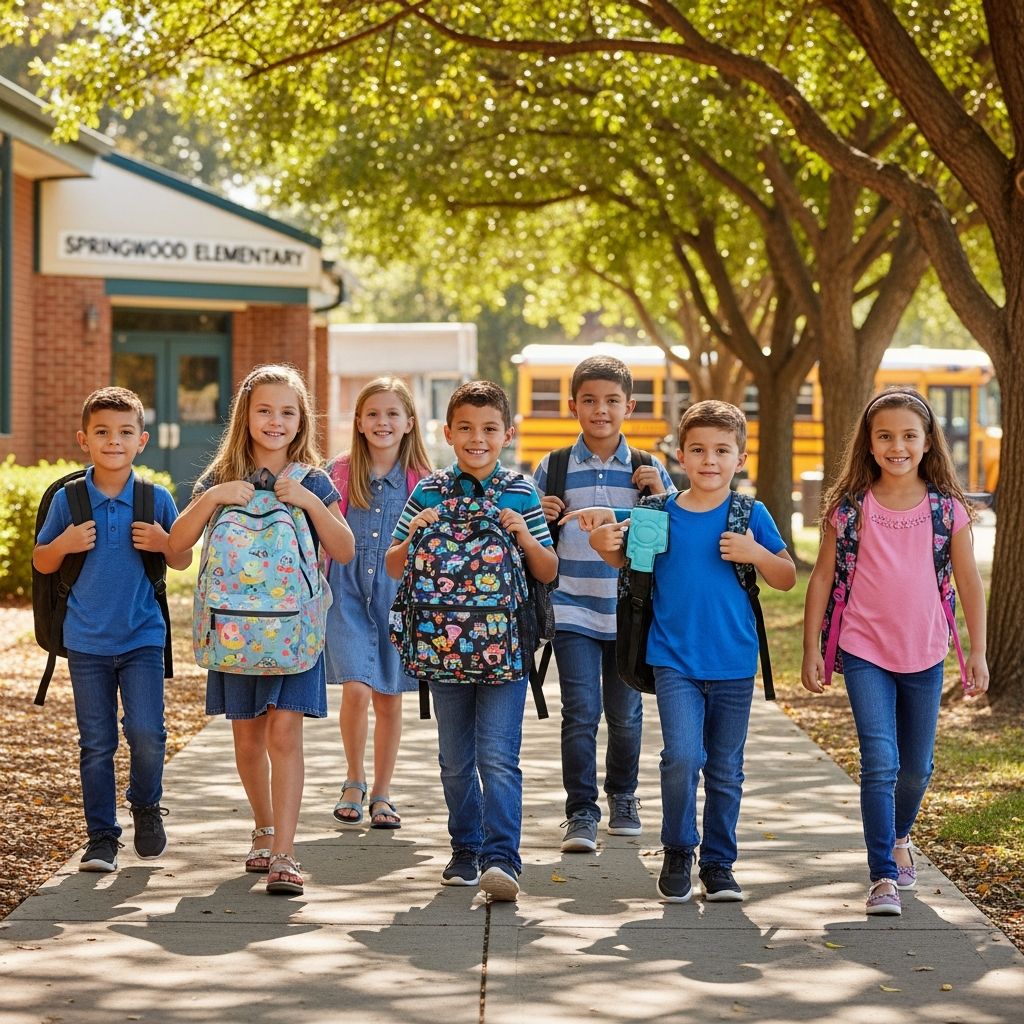
Every school day, children haul books, laptops, and supplies in backpacks that can weigh heavily on their developing bodies. Improper use leads to common issues like backaches, neck strain, and poor posture, but simple strategies can safeguard their well-being. This guide draws from pediatric and orthopedic recommendations to help parents foster healthy habits.
Understanding the Risks of Heavy Loads
Young spines are still growing, making them vulnerable to stress from overloaded bags. When kids carry excessive weight, they often lean forward, straining muscles and ligaments in the back, shoulders, and neck. Over time, this contributes to chronic pain, headaches, and even spinal misalignment. Studies show many students exceed safe limits, with packs sometimes reaching 20-30% of body weight, far above expert guidelines.
Health organizations emphasize that backpacks should not surpass 10-15% of a child’s weight. For a 60-pound child, this caps at 6-9 pounds; for a 100-pound tween, up to 10-15 pounds. Exceeding this forces compensatory postures, increasing injury risk. Early intervention through education prevents these problems, promoting lifelong spinal health.
Selecting the Ideal Backpack Design
Choosing a backpack starts with fit and features that promote even weight distribution. The bag should match the child’s torso width and not hang lower than 4 inches below the waistline when properly adjusted. Lightweight materials like nylon or canvas outperform heavier leather options.
Key features include:
- Wide, padded shoulder straps: These prevent digging into shoulders and evenly spread load across both sides.
- Padded back panel: Shields against sharp items like pencils or rulers poking the spine.
- Waist or chest strap: Transfers weight to hips and core, reducing upper body strain.
- Multiple compartments: Allow balanced packing to avoid lopsided loads.
- Reflective accents: Enhance visibility for walkers or cyclists in low light.
Test packs in-store with simulated weight. Ensure straps adjust easily and the bag sits high on the back, from waist to just below shoulders.
Packing Strategies for Balance and Lightness
Effective packing minimizes strain by positioning weight optimally. Place heaviest items—textbooks, binders, laptops—low and close to the back’s curve, mimicking how porters balance loads. Distribute remaining contents evenly across compartments to prevent shifting.
| Item Type | Recommended Placement | Reason |
|---|---|---|
| Heavy books/laptop | Bottom center, against back | Aligns with spine’s natural curve for stability |
| Pencil case, lunch | Side pockets | Balances load left/right |
| Water bottle | Outer mesh pocket | Keeps accessible, avoids compressing core items |
| Non-essentials | Leave at home/locker | Reduces total weight |
Audit contents daily: only pack necessities. Use lockers between classes or request home sets of books post-injury or surgery. Weigh the pack at home; if over limit, lighten it. Rolling bags suit longer hauls if school policy allows, but stairs demand caution.
Proper Wearing and Lifting Techniques
Wearing matters as much as packing. Always use both shoulder straps to distribute weight symmetrically—single-strap slings twist the torso, causing imbalance. Tighten straps so the pack hugs the mid-back, not sagging to hips.
Secure waist/chest clips: waist belts anchor to pelvis, chest straps stabilize shoulders. Proper position: bottom rides lower back curve, top at or just below shoulder blades, never below belly button by more than 4 inches.
For lifting, teach squatting: bend knees, grip with both hands, lift to shoulders without twisting. This protects the lower back from sudden jerks. Parents, observe donning/doffing; struggle signals overload—split loads or carry extras by hand temporarily.
Recognizing and Addressing Warning Signs
Monitor for red flags: complaints of pain in back, neck, shoulders; forward leaning gait; numbness; or fatigue. These indicate overload or poor fit. Headaches from neck strain are common too.
Respond promptly:
- Lighten immediately by prioritizing items.
- Repack for better balance.
- Consult pediatrician or physical therapist if persistent.
- Track weight weekly with a scale.
Schools may help with lighter curricula or extra lockers. Long-term, good habits build resilience against adult back issues.
Alternatives and School Solutions
When traditional packs falter, consider hybrids. Rolling backpacks ease arms on flat terrain but add lifting challenges on stairs—pair with lightweight designs. Messenger bags suit light loads but avoid for heavy ones due to single-strap risks.
Advocate digitally: e-textbooks reduce paper weight. Some districts cap loads via policy, inspired by health data. Home-school hybrids minimize daily carries.
Frequently Asked Questions
What is the maximum safe backpack weight for kids?
Experts recommend 10-15% of body weight: 5-7.5 pounds for a 50-pound child, 10-15 for 100 pounds.
Can rolling backpacks replace traditional ones?
Yes, for permitted schools and minimal stairs; ensure sturdy wheels and lift properly to avoid strain.
My child has back pain—what now?
Empty and repack lighter, use both straps, check fit. See a doctor if pain lingers.
Are padded straps always better?
Padding helps but prioritize width and adjustability for even distribution over mere cushioning.
How often should we check backpack fit?
As kids grow, review every 6 months or post-growth spurt for torso match.
Building Lasting Healthy Routines
Integrate backpack safety into daily routines: morning weigh-ins, evening audits, posture checks. Pair with core-strengthening activities like planks or yoga for kids. Educate on self-advocacy—kids should report discomfort early. By modeling and enforcing these practices, parents equip children for pain-free learning.
Consistent application yields dividends: fewer doctor visits, better focus, upright confidence. Start today for a healthier school year and beyond.
References
- Backpack Safety — National Safety Council. 2023. https://www.nsc.org/community-safety/safety-topics/child-safety/backpack-safety-for-kids
- Backpack Safety — American Academy of Pediatrics HealthyChildren.org. 2024-01-15. https://www.healthychildren.org/English/safety-prevention/at-play/Pages/Backpack-Safety.aspx
- Backpack Safety — Nemours KidsHealth. 2023-08-10. https://kidshealth.org/en/parents/backpack.html
- Kids’ Backpack Safety Tips — Mission Health. 2024. https://www.missionhealth.org/healthy-living/blog/kids-backpack-safety-tips-how-to-avoid-injury-this-school-year
- Child Safety: Backpack Safety — Banner Health. 2023-09-01. https://www.bannerhealth.com/staying-well/safety/child/backpack-safety
- Backpack Safety — American Academy of Orthopaedic Surgeons OrthoInfo. 2024-02-20. https://orthoinfo.aaos.org/en/staying-healthy/backpack-safety/
- Backpack Safety: Preventing Spinal Issues — Luskin Orthopaedic. 2023. https://www.luskinoic.org/backpack-safety-preventing-spinal-issues-in-school-age-children/