Understanding the Twin Telepathy Phenomenon
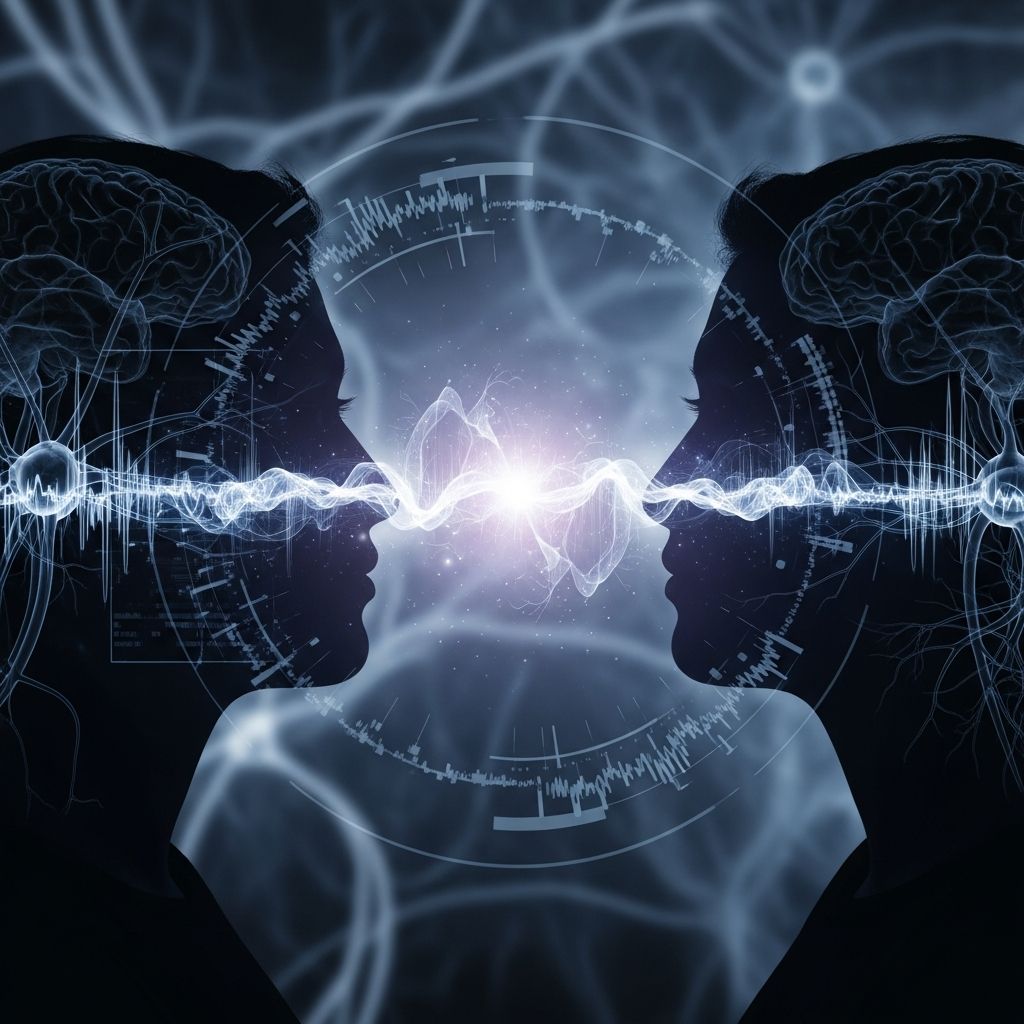
The notion that twins possess an inexplicable psychic link has captivated human imagination for centuries. Parents of twins often share anecdotes about their children mysteriously knowing what the other is thinking, finishing each other’s sentences, or experiencing the same sensations simultaneously. These compelling stories fuel the widespread belief in twin telepathy, creating a cultural narrative so pervasive that many assume it represents scientific fact. However, the reality is far more nuanced and grounded in the measurable aspects of human connection rather than the mystical.
The fascination with twin telepathy extends beyond casual conversation into popular culture, social media trends, and even scientific inquiry. Yet despite decades of rigorous investigation, researchers have consistently failed to find credible evidence supporting the existence of genuine telepathic abilities among twins or any other population. Understanding this gap between popular belief and scientific evidence requires examining both the mechanisms that create the illusion of telepathy and what actual research has uncovered about twin relationships.
What Research Actually Reveals About Twin Connections
The scientific community maintains a clear consensus: there is no credible evidence that twins can communicate telepathically or possess extrasensory perception abilities distinct to their twin status. Psychologists Stephen Hupp and Jeremy Jewell have extensively documented that all experiments investigating twin telepathy have produced negative results, failing to demonstrate any genuine psychic communication between twins.
One notable investigation conducted by researcher Susan Blackmore in 1993 examined claims of twin telepathy through controlled experimental conditions. In this study, six sets of twins participated in an exercise where one twin acted as a sender while the other served as a receiver. The sender attempted to psychically transmit information about selected objects, photographs, or numbers to their sibling. The results were definitively negative, with no observable evidence of telepathic communication occurring between any of the twin pairs tested.
More recent scientific investigations have maintained similar findings. A peer-reviewed study examining physiological responses in twin pairs found that while some statistical anomalies appeared in the data, the results fell short of providing convincing evidence for genuine telepathic abilities. The study involved selecting twin pairs who reported frequent telepathic experiences and monitoring their electrodermal activity while one twin received surprise stimuli. Although the combined results showed marginal statistical significance, only one of the three individual studies reached significance, and researchers acknowledged substantial methodological limitations that warrant caution in interpretation.
The Cognitive Mechanisms Behind Apparent Twin Telepathy
If twins lack genuine telepathic abilities, why do so many families report experiences that seem to defy ordinary explanation? The answer lies in well-established psychological principles that apply to all humans but are amplified in twin relationships.
Genetic similarity and shared processing patterns represent the most straightforward explanation for apparent twin telepathy. Identical twins share 100 percent of their DNA, which means they inherit similar predispositions for how they process information, react emotionally, and approach decision-making. This genetic foundation creates a biological bias toward similar thought patterns and responses to environmental stimuli.
Psychologist Nancy L. Segal, author of “Twin Mythconceptions: False Beliefs, Fables and Facts About Twins,” explains that identical twins typically develop similarly because matched genes predispose them to process information alike and think in comparable ways. This genetic alignment creates the appearance of mind-reading without requiring any paranormal explanation. When twins make similar choices or express identical thoughts, they are simply expressing the natural consequences of shared genetic inheritance combined with years of environmental exposure.
Environmental factors and shared experience further reinforce this similarity. Twins typically spend extensive time together during childhood and adolescence, creating a shared worldview and common reference points. They navigate the same family dynamics, attend the same schools, and often participate in identical activities. This shared environmental context means they encounter similar experiences and develop comparable responses to life events.
Cognitive biases and selective memory significantly influence how people interpret twin behavior. Confirmation bias leads observers to notice and remember instances when twins seemed to read each other’s minds while forgetting the numerous times their thoughts diverged. This selective attention creates a distorted perception of twin connection that emphasizes the remarkable coincidences while ignoring the baseline rate of independent thoughts and actions.
Research in anomalistic psychology has documented that believers in telepathy systematically overestimate successful transmissions while skeptics accurately judge hit rates. This pattern suggests that our expectations and beliefs shape our interpretation of ambiguous situations, leading us to see telepathy where statistical probability and coincidence provide sufficient explanation.
The Role of Emotional Intimacy and Relationship Depth
Beyond genetics and shared experience, the profound emotional bonds that many twins develop contribute to their apparent connection. The relationship between twins is often uniquely intimate, characterized by unconditional acceptance and deep understanding developed over a lifetime of proximity. This emotional closeness enables twins to read subtle cues in each other’s behavior, body language, and verbal communication with remarkable accuracy.
Washington State University researchers note that despite lacking scientific evidence for telepathy, the personal experiences twins report reflect the depth of their emotional connection. Twins genuinely do know each other exceptionally well and can often predict how their sibling will act, what they will say, or how they will respond to particular situations. This predictive ability, however, stems from intimate knowledge rather than psychic transmission.
Notably, this phenomenon is not exclusive to twins. Long-married spouses, close siblings, and individuals in other deeply committed relationships frequently report similar experiences of seeming to read each other’s minds. A couple married for thirty years may simultaneously decide to cook the same meal or call each other at the identical moment, creating the impression of telepathic connection. These experiences reflect the natural development of relationship attunement rather than paranormal abilities.
Examining the Flaws in Telepathy Research Methodology
Throughout decades of parapsychological research, numerous methodological problems have undermined claims of telepathic ability. Understanding these limitations helps explain why, despite numerous investigations, no credible evidence for telepathy has emerged.
Sensory leakage represents one of the most significant methodological challenges in telepathy research. In many classic studies, the experimental setup failed to adequately isolate senders and receivers. For example, in some ganzfeld experiments, receivers could hear sounds from the sender’s adjacent room, or visible cues like fingerprints appeared on target objects. These sensory leaks provide conventional explanations for seemingly paranormal results without invoking psychic mechanisms.
Lack of rigorous experimental controls plagued many foundational telepathy studies. Investigations often failed to implement duplicate target sets, preventing researchers from definitively ruling out handling cues or other subtle informational leaks. Without proper randomization procedures and blind conditions, researchers cannot confidently attribute positive results to telepathy rather than experimental artifacts.
Statistical issues and bias compound methodological problems. When multiple experiments are conducted and only positive results are published, this creates publication bias that distorts the apparent weight of evidence. Additionally, when researchers analyze data with multiple statistical tests or implement flexible analysis strategies, the probability of finding spurious positive results increases substantially.
Replication failures have consistently plagued telepathy research. Despite meta-analyses suggesting statistically significant effects across multiple studies, independent researchers attempting to replicate landmark findings have largely failed. This pattern strongly suggests that reported positive effects result from methodological artifacts or statistical anomalies rather than genuine paranormal phenomena.
What Explains Twin Similarities Without Telepathy
Identical twins demonstrate remarkable behavioral and psychological similarities that can be fully explained through conventional mechanisms:
- Genetic predispositions: Identical twins inherit identical sets of genes affecting personality traits, cognitive abilities, emotional responses, and behavioral tendencies
- Synchronized development: Twins progress through developmental milestones at similar rates, creating aligned cognitive and emotional maturation
- Mirror learning: Each twin learns by observing their sibling, creating similar behavioral repertoires and response patterns
- Environmental overlap: Twins share family structure, parenting approaches, socioeconomic circumstances, and cultural context
- Social reinforcement: Parents and peers often encourage twin similarity, praising matching behavior and reinforcing the twin identity
- Coincidental timing: With two people sharing similar genetic programming and environmental exposure, simultaneous actions occur predictably through chance alone
The Distinction Between Anecdote and Evidence
Anecdotal evidence—personal accounts and individual stories—differs fundamentally from scientific evidence. While anecdotes can be compelling and emotionally resonant, they cannot establish whether a phenomenon truly exists or merely appears to exist due to coincidence and cognitive bias. Thousands of people report experiences suggesting telepathy, but no amount of anecdotal testimony can substitute for controlled experimental verification.
Skeptical investigator Benjamin Radford emphasizes that despite decades of research attempting to prove telepathy, no credible scientific evidence demonstrates that psychic powers exist in the general population or among twins specifically. The sheer volume of personal reports provides no stronger evidence for telepathy than the similar volume of ghost sightings provides evidence for hauntings.
Reframing Twin Connection in Scientific Terms
Rather than invoking mysterious psychic abilities, we can appreciate twin connections through the lens of contemporary psychology and neuroscience. Twins demonstrate an exceptional degree of behavioral synchrony that reflects their genetic similarity and environmental overlap. This synchrony creates genuine, measurable connection that requires no paranormal explanation.
The twin relationship represents one of humanity’s most distinctive social bonds, characterized by unique developmental trajectories and profound mutual influence. The apparent telepathy represents an artifact of similarity, intimacy, and shared history rather than a breach in the laws of physics.
Frequently Asked Questions About Twin Telepathy
Q: Why do twins seem to finish each other’s sentences?
A: Twins who spend substantial time together develop similar speech patterns, vocabulary, and conceptual frameworks. They learn to anticipate each other’s responses based on intimate knowledge of their sibling’s personality, preferences, and typical reactions. This learned anticipation creates the appearance of synchronized thinking without requiring telepathy. Non-twins in very close relationships demonstrate identical patterns for the same reasons.
Q: Can identical twins actually share physical sensations telepathically?
A: There is no scientific evidence that identical twins can telepathically sense their sibling’s physical sensations. When twins report simultaneous pain or illness, this likely reflects coincidence, suggestion, or their heightened attentiveness to their twin’s wellbeing. Additionally, people tend to remember instances when both twins felt unwell simultaneously while forgetting the countless times only one experienced discomfort.
Q: Do fraternal twins experience telepathy differently than identical twins?
A: Since there is no credible evidence that identical twins possess telepathic abilities, fraternal twins similarly lack such abilities. Both identical and fraternal twins may report strong connections based on their emotional bond and shared experiences, but these reflect relationship factors rather than paranormal phenomena. Fraternal twins share about 50 percent of their DNA, which explains why they typically show less behavioral similarity than identical twins, but this difference relates to genetics and development, not telepathy.
Q: Is the twin telepathy myth harmful to children or families?
A: Believing in twin telepathy itself poses minimal direct harm to children. However, attributing connection to telepathy rather than understanding the genuine psychological and genetic factors underlying twin relationships may limit parents’ ability to appreciate and nurture these bonds effectively. Understanding that similarity reflects genetic inheritance and environmental overlap enables parents to support each twin’s individual development while honoring their relationship.
Q: Why do scientists keep researching twin telepathy if it doesn’t exist?
A: Rigorous scientific investigation requires testing claims thoroughly, even those that seem implausible. The consistent failure of carefully designed experiments to find evidence for telepathy strengthens the scientific consensus against it. Ongoing research also helps identify the psychological mechanisms that create the illusion of telepathy, advancing understanding of human cognition and relationships.
Conclusion: Appreciating Twin Bonds Without the Mystique
The evidence overwhelmingly demonstrates that twins do not possess telepathic abilities or extrasensory perception. The widespread belief in twin telepathy reflects the remarkable similarity that identical twins display and the profound emotional connections they develop, not genuine psychic phenomena. Understanding the actual mechanisms underlying twin connection—shared genetics, common environment, and deep intimacy—provides a richer appreciation for these relationships than attributing them to unexplained mystical forces.
Parents of twins benefit from recognizing that their children’s apparent mind-reading abilities reflect the natural consequences of genetic similarity and relationship depth. This scientific understanding does not diminish the wonder of twin relationships; rather, it grounds that wonder in the genuine marvels of human development, genetics, and connection. The twin bond is remarkable enough without requiring telepathy to explain it.
References
- An experiment with three studies of physiological connectedness in twins — PubMed/NIH. 2024. https://pubmed.ncbi.nlm.nih.gov/38331693/
- Telepathy — Wikipedia. Accessed 2026. https://en.wikipedia.org/wiki/Telepathy
- Twin Mythconceptions: False Beliefs, Fables and Facts About Twins — Cal State Fullerton News. 2017. https://news.fullerton.edu/2017/09/twin-mythconceptions/
- Can Twins Read Each Other’s Minds? — Washington State University Twin Registry. Accessed 2026. https://wstwinregistry.org/twin-faqs/read-minds/
- The Riddle of Twin Telepathy — Live Science. Accessed 2026. https://www.livescience.com/45405-twin-telepathy.html